
๐—œ๐—–๐—ข๐— ๐—ข๐—ฆ ๐—˜๐˜…๐—ฝ๐—ฒ๐—ฟ๐˜๐˜€ ๐—•๐—ฒ๐—ด๐—ถ๐—ป ๐—›๐—ฒ๐—ฟ๐—ถ๐˜๐—ฎ๐—ด๐—ฒ ๐—ฅ๐—ฒ๐—ฐ๐—ผ๐˜ƒ๐—ฒ๐—ฟ๐˜† ๐—˜๐—ณ๐—ณ๐—ผ๐—ฟ๐˜๐˜€ ๐—ถ๐—ป ๐—˜๐—ฎ๐—ฟ๐˜๐—ต๐—พ๐˜‚๐—ฎ๐—ธ๐—ฒ-๐—”๐—ณ๐—ณ๐—ฒ๐—ฐ๐˜๐—ฒ๐—ฑ ๐—–๐—ฒ๐—ฏ๐˜‚

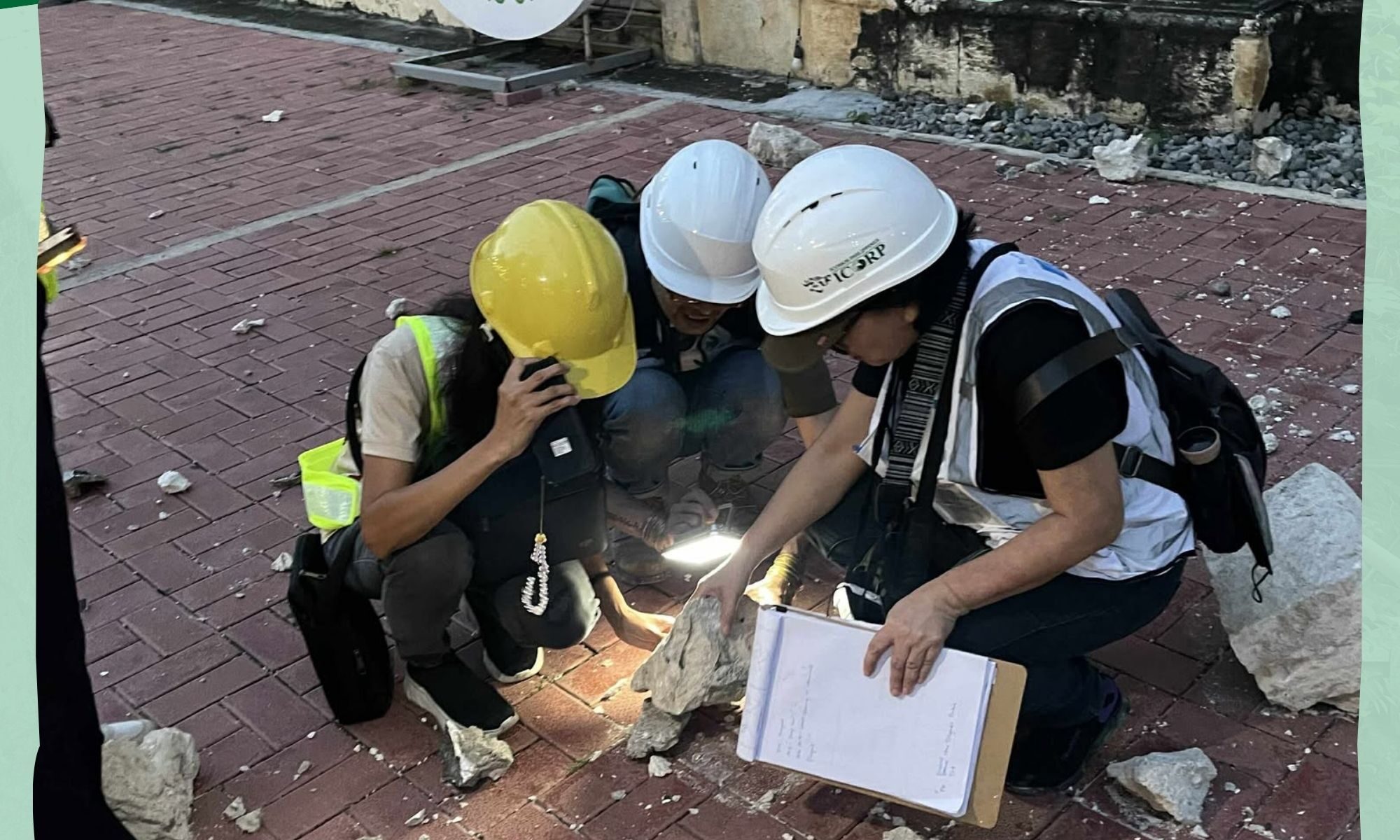
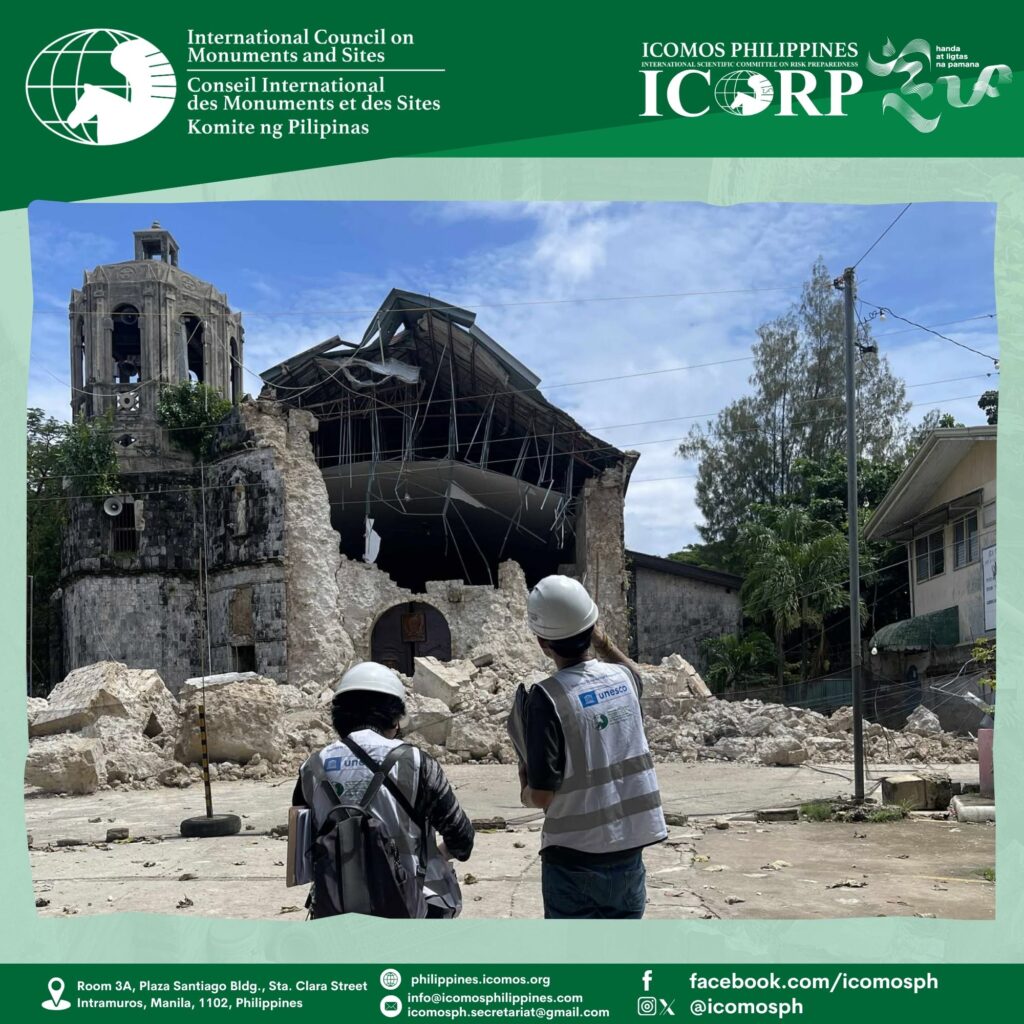
Cebu โ€“ The International Committee for Risk Preparedness (ICORP) of ICOMOS Philippines, under the leadership of Mr. Joselito Corpus, Head of ICORP Philippines, conducted an onsite assessment and evaluation of heritage sites in Bantayan, Daanbantayan, and Bogo City, Cebu, that were severely affected by the recent earthquake. The initiative aims to assess the extent of structural damage, document the condition of these significant cultural landmarks, and recommend appropriate conservation and restoration measures.

Accompanying Mr. Corpus in the field were Ar. Carmen Solis, ICOMOS Philippines Cebu-based member; Abdulbasir Endong, Heritage Affairs Officer; and University of San Carlosโ€“Talamban faculty members Engr. Joel Pagaratos and Engr. Monica Ann Louise Intong. Supporting the team remotely were Dr. Cheek S. Fadriquela, President of ICOMOS Philippines, along with Board of Trustees and ICOMOS PH members Engr. Joaquin Ramos, Engr. Mary Grace Casuncad, and Engr. Timothy Augustus Ong.

The assessment forms part of Tabang Cebu, a collaborative initiative that brings together heritage advocates, cultural workers, and partner institutions to provide technical support and capacity building for heritage conservation and disaster recovery. This collective effort not only focuses on rebuilding damaged structures but also on preserving the cultural identity and shared history that define Cebuโ€™s communities.

This activity also marks the beginning of a long-term initiative by ICORP Philippines to establish a comprehensive Risk Preparedness and Conservation Management Plan for Cebuโ€™s heritage assets. The data and insights gathered from the site assessments will serve as essential references for local government units, diocesan representatives, and heritage custodians in guiding restoration priorities and developing disaster-resilient conservation strategies.

Through Tabang Cebu, ICOMOS Philippines underscores the importance of proactive heritage management โ€” promoting collaboration, preparedness, and community involvement. The initiative is envisioned to strengthen local capacity, raise public awareness on the value of preventive conservation, and ensure that heritage sites remain protected, resilient, and valued for generations to come.

Ultimately, Tabang Cebu symbolizes hope and unity โ€” a collective commitment to heal, rebuild, and preserve not only Cebuโ€™s historical landmarks but also the enduring spirit, identity, and resilience of its people.
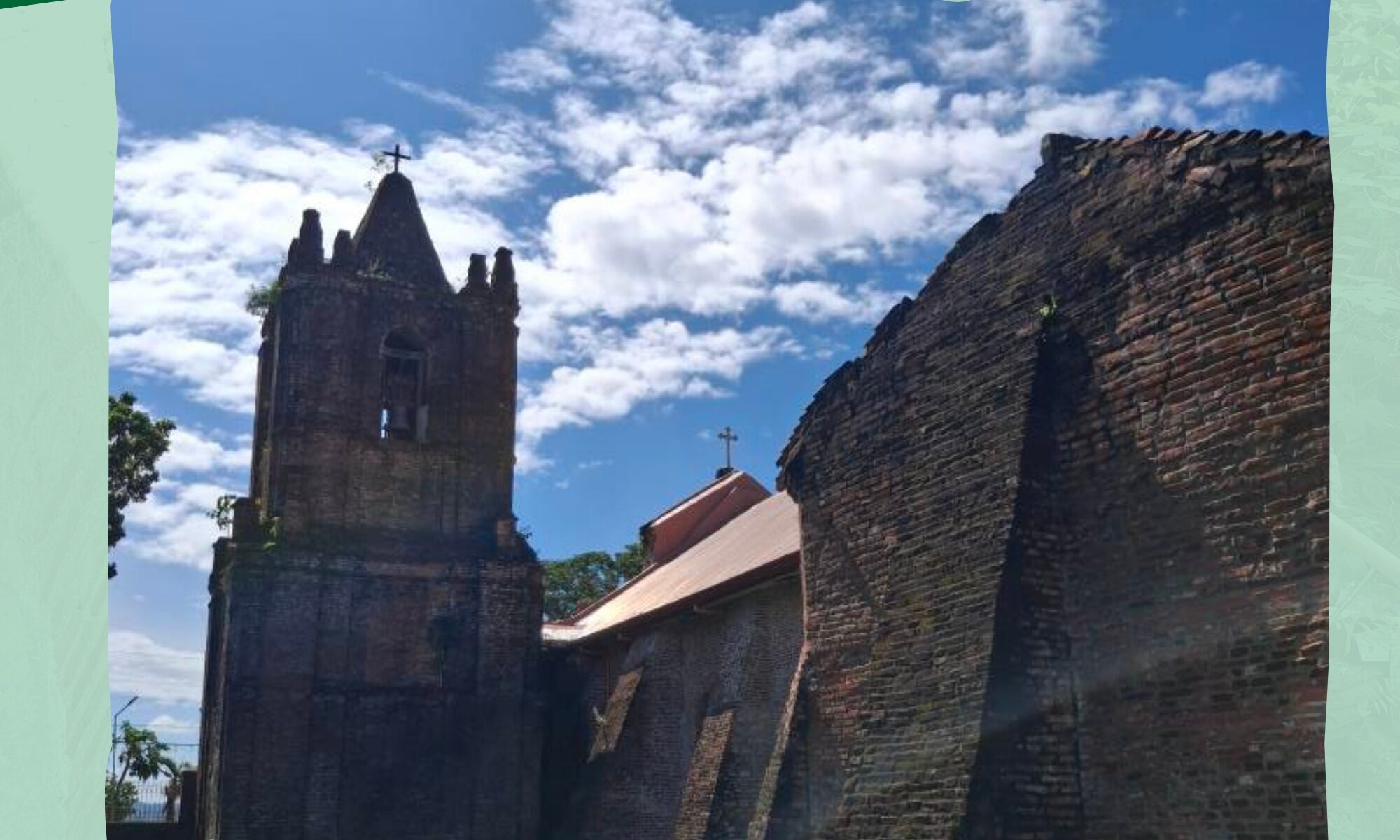
๐—ฅ๐—ฒ๐—ฑ๐—ถ๐˜€๐—ฐ๐—ผ๐˜ƒ๐—ฒ๐—ฟ๐—ถ๐—ป๐—ด ๐˜๐—ต๐—ฒ ๐—ก๐—ผ๐—ฟ๐˜๐—ต: ๐—œ๐—–๐—ข๐— ๐—ข๐—ฆ ๐—ฃ๐—› ๐—˜๐˜…๐—ฝ๐—น๐—ผ๐—ฟ๐—ฒ๐˜€ ๐—–๐—ฎ๐—ด๐—ฎ๐˜†๐—ฎ๐—ป ๐—ฉ๐—ฎ๐—น๐—น๐—ฒ๐˜†โ€™๐˜€ ๐—–๐˜‚๐—น๐˜๐˜‚๐—ฟ๐—ฎ๐—น ๐—Ÿ๐—ฒ๐—ด๐—ฎ๐—ฐ๐˜†

Official Frame (Template) – 12

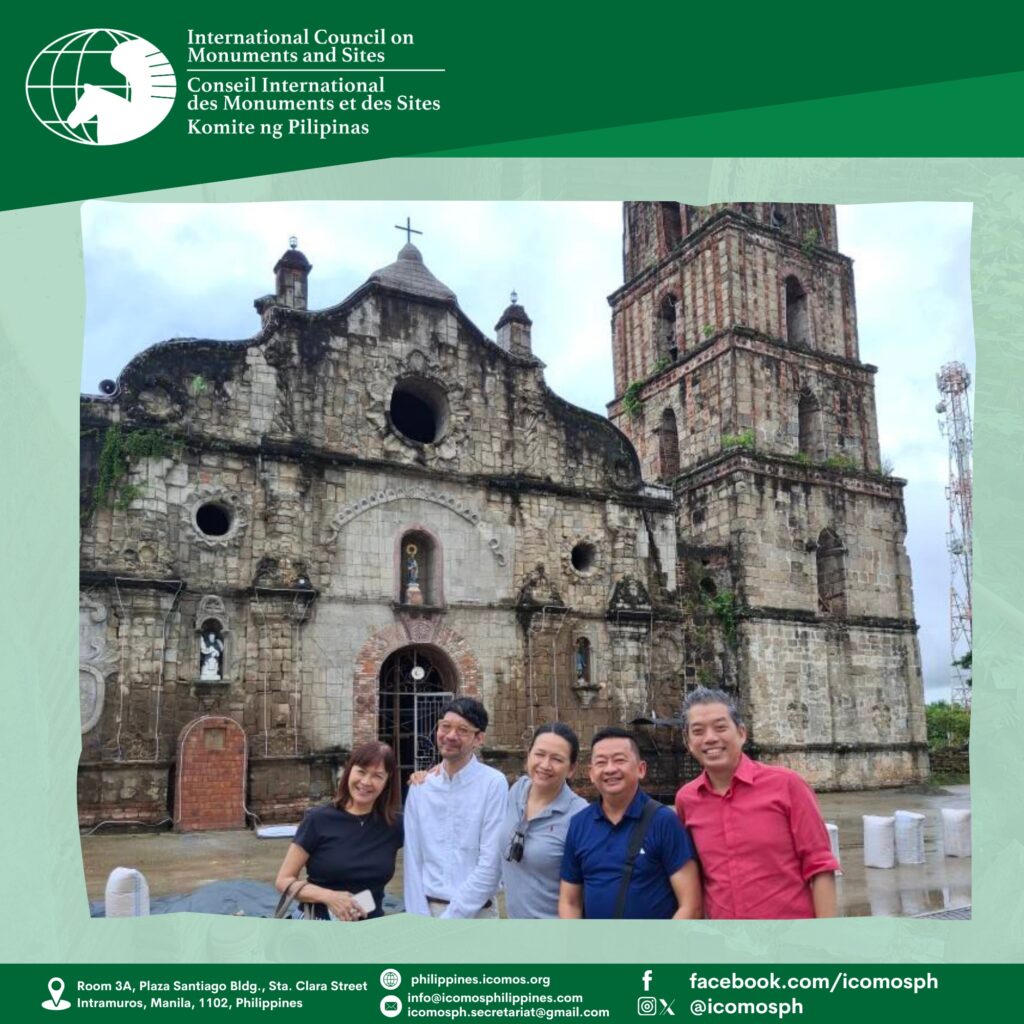
In its continuing commitment to safeguard and promote the Philippinesโ€™ cultural heritage, the International Council on Monuments and Sites (ICOMOS) Philippines conducted a four-day Cagayan Valley Study Tour from September 26 to 29, 2025. The activity formed part of the organizationโ€™s field-based heritage assessment and community engagement efforts in Northern Luzon, focusing on significant ecclesiastical and historical structures that reflect the regionโ€™s enduring colonial legacy.

Leading the delegation was ICOMOS Philippines Vice President, Dr. Caroline Marie Lising, joined by Chairman and President, Dr. Cheek S. Fadriquela, and Corporate Secretary, Liliane โ€œTatsโ€ Manahan. Also joining the tour were ICOMOS Philippines members Mr. Joselito Corpus, Mr. Ivan Man Dy, and Ar. Michael Tabao, whose participation contributed valuable perspectives in heritage architecture, conservation, and cultural studies.

The study tour commenced in San Pablo, Isabela, home to the Church of San Pablo, a National Cultural Treasure. As part of ICOMOS Philippinesโ€™ community outreach, the team met with Parish Priest Fr. Darwin Mamauag, who shared updates on the siteโ€™s current condition. The church, under the administration of the Diocese of Ilagan, is presently being guided by Architect Raj Busmente as consultant.

The team next visited the Church of San Matias in Tumauini, another National Cultural Treasure, renowned for its circular bell tower and intricate brickwork. Subsequent stops included the St. Peter Metropolitan Cathedral in Tuguegarao, the Horno ruins, which once supplied bricks for many colonial-era churches, the San Jacinto Ermita Church, and the Iguig Church and Calvary Hills, a significant pilgrimage site offering panoramic views of the Cagayan River.

The second day focused on the western municipalities of Cagayan, beginning with the Pata Church Ruins in Sanchez Mira, an evocative reminder of the areaโ€™s early missionary presence. The group proceeded to Lal-lo, where they examined the Lal-lo Church and nearby ruins, providing valuable insights into early Spanish settlement patterns along the Cagayan River.

In Camalaniugan, the team visited the site of the oldest bell in the Philippines, cast in 1595. They also studied the surrounding ruins, bas-reliefs, and horno structures that highlight the townโ€™s deep historical roots and architectural heritage.

The third day of the tour began with a visit to the Our Lady of Piat Church, one of Northern Luzonโ€™s most important pilgrimage destinations. The group then visited the Tabang Church Ruins, before proceeding to the Callao Caves, a remarkable geological formation that complements the regionโ€™s built heritage with its natural and archaeological significance.

The study tour concluded at the Cagayan Provincial Museum in Tuguegarao, where the participants viewed collections of artifacts, historical photographs, and materials that provided additional context to the sites visited.

In pursuit to continuing commitment to heritage preservation. The Cagayan Valley Study Tour served as a vital opportunity for ICOMOS Philippines to document, assess, and promote the preservation of key heritage sites in Northern Luzon. Beyond on-site evaluations, the activity strengthened connections with local stakeholdersโ€”clergy, parish communities, and heritage advocatesโ€”highlighting the importance of collaborative action in heritage conservation.

Through initiatives like the Cagayan Valley Study Tour, ICOMOS Philippines continues to fulfill its mission of protecting, conserving, and celebrating the nationโ€™s rich and diverse cultural heritage.