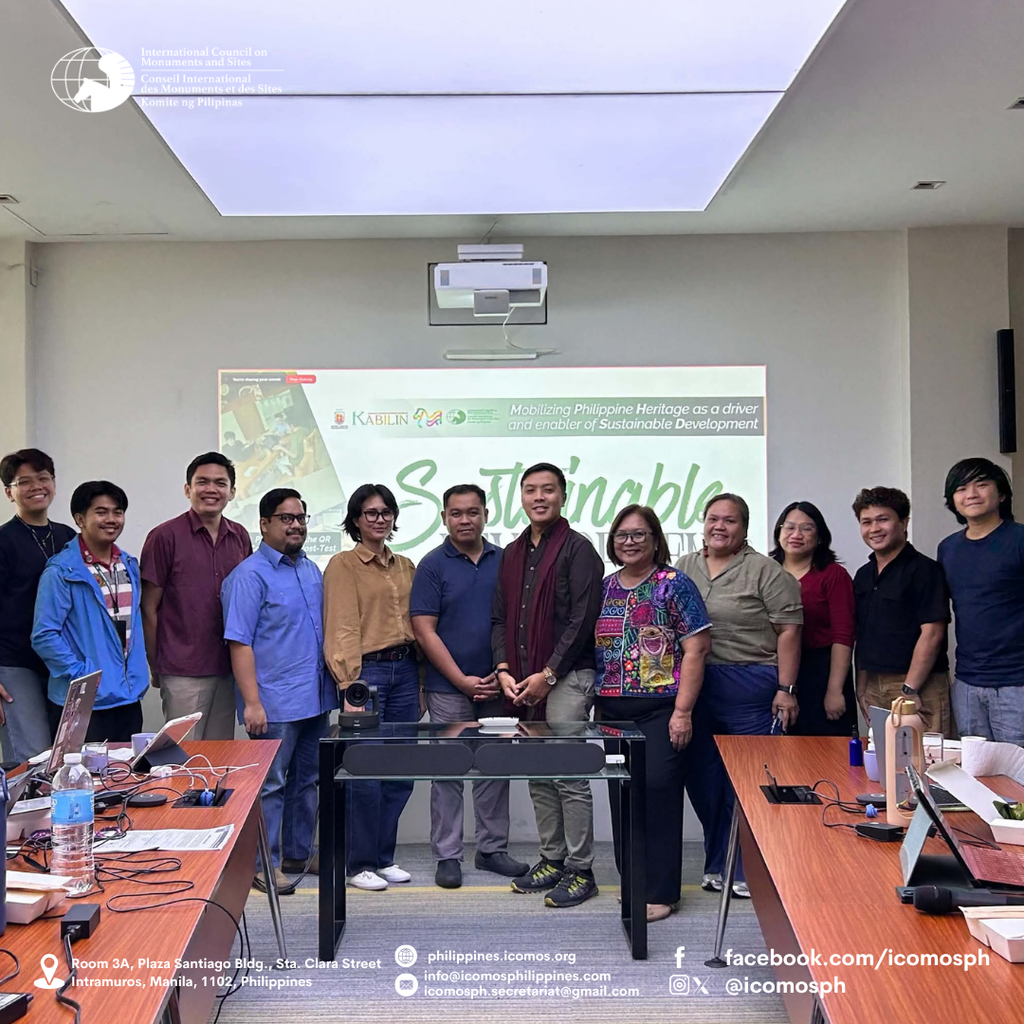
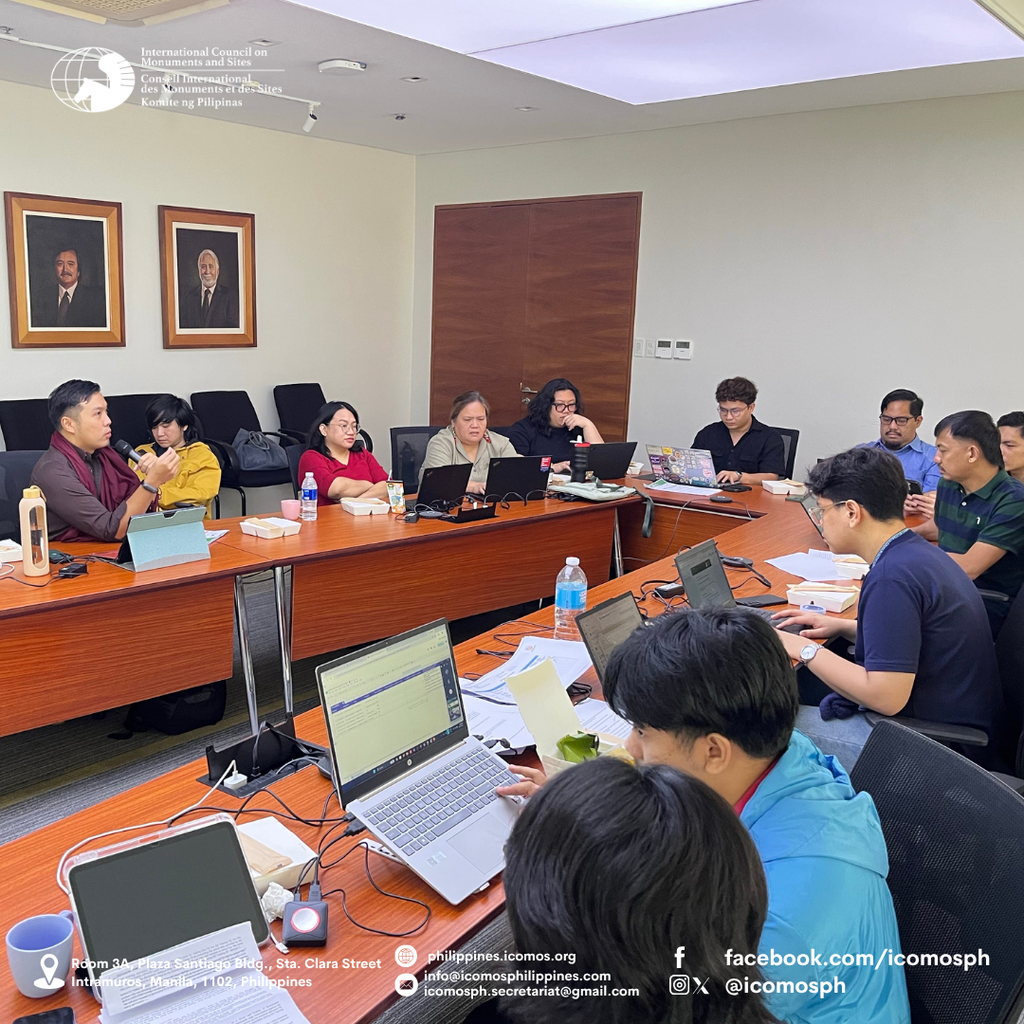
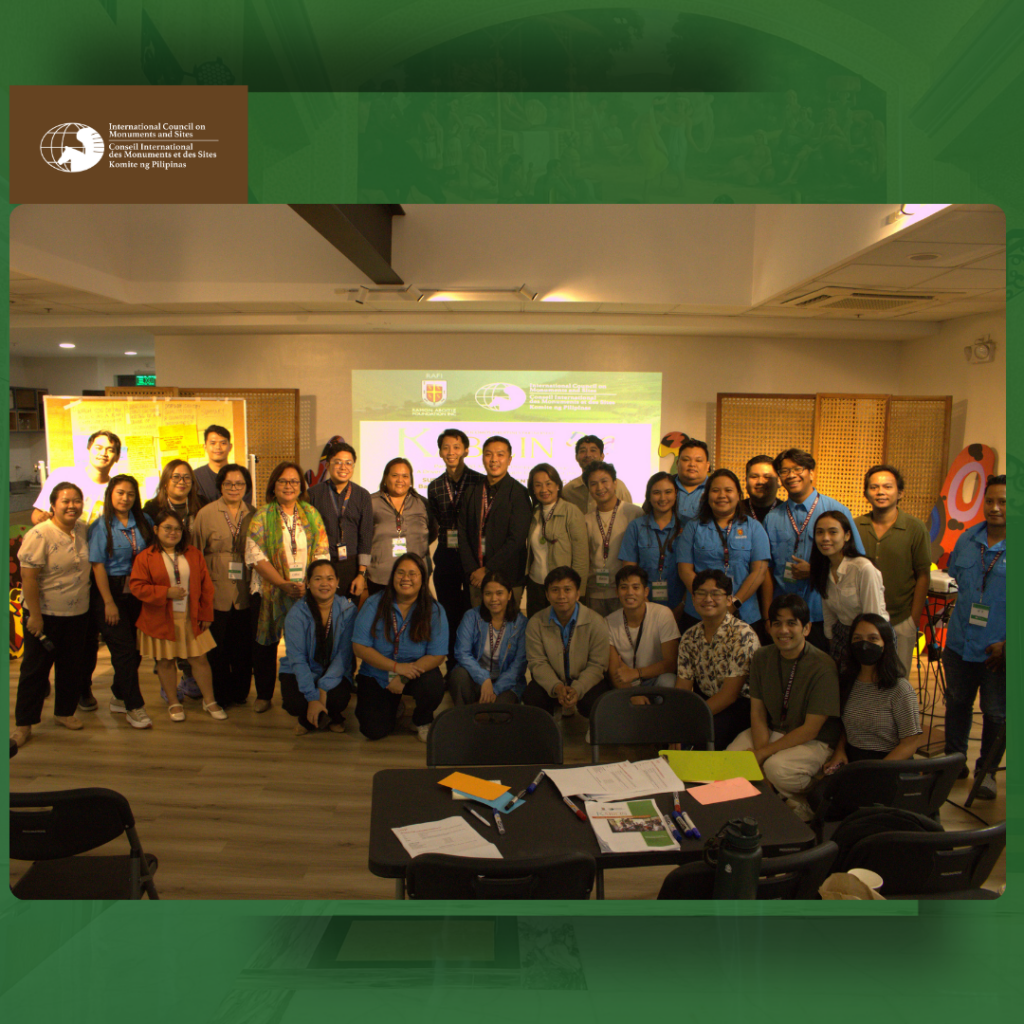
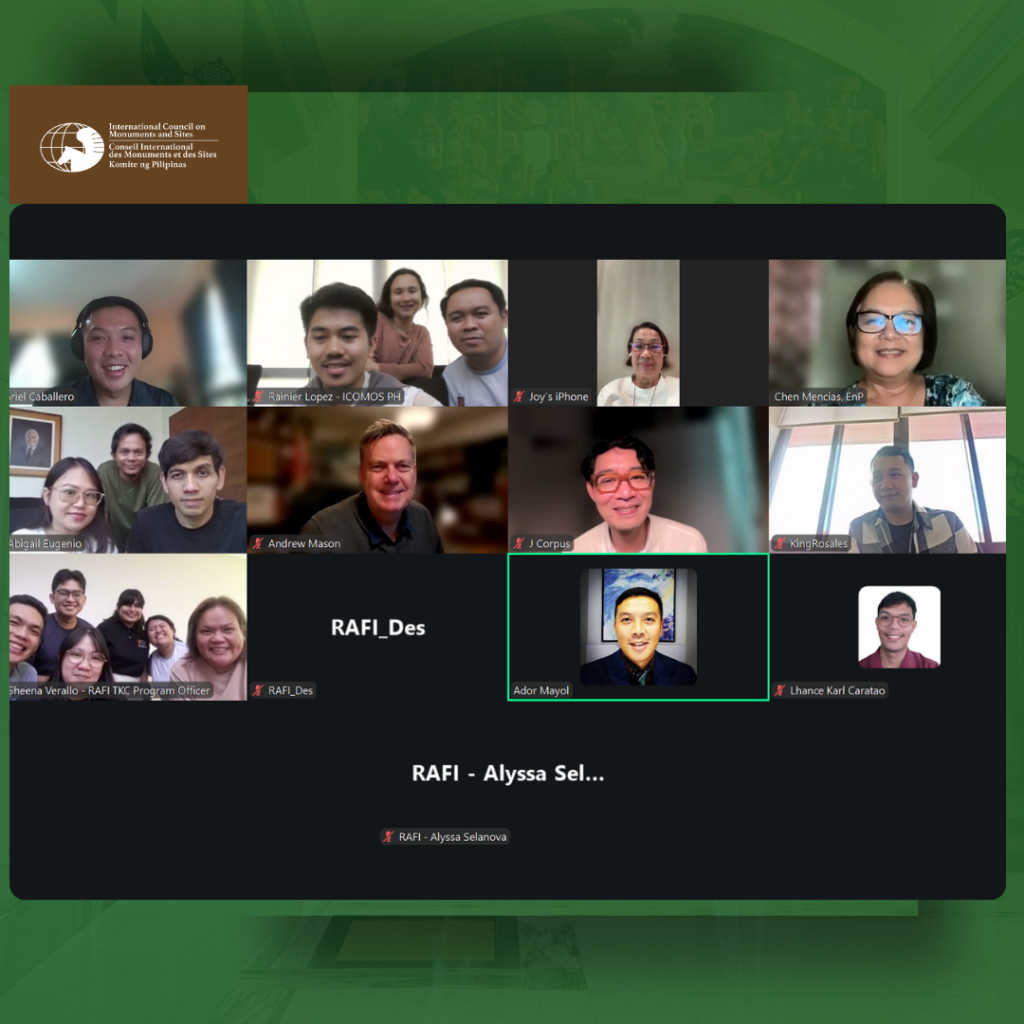
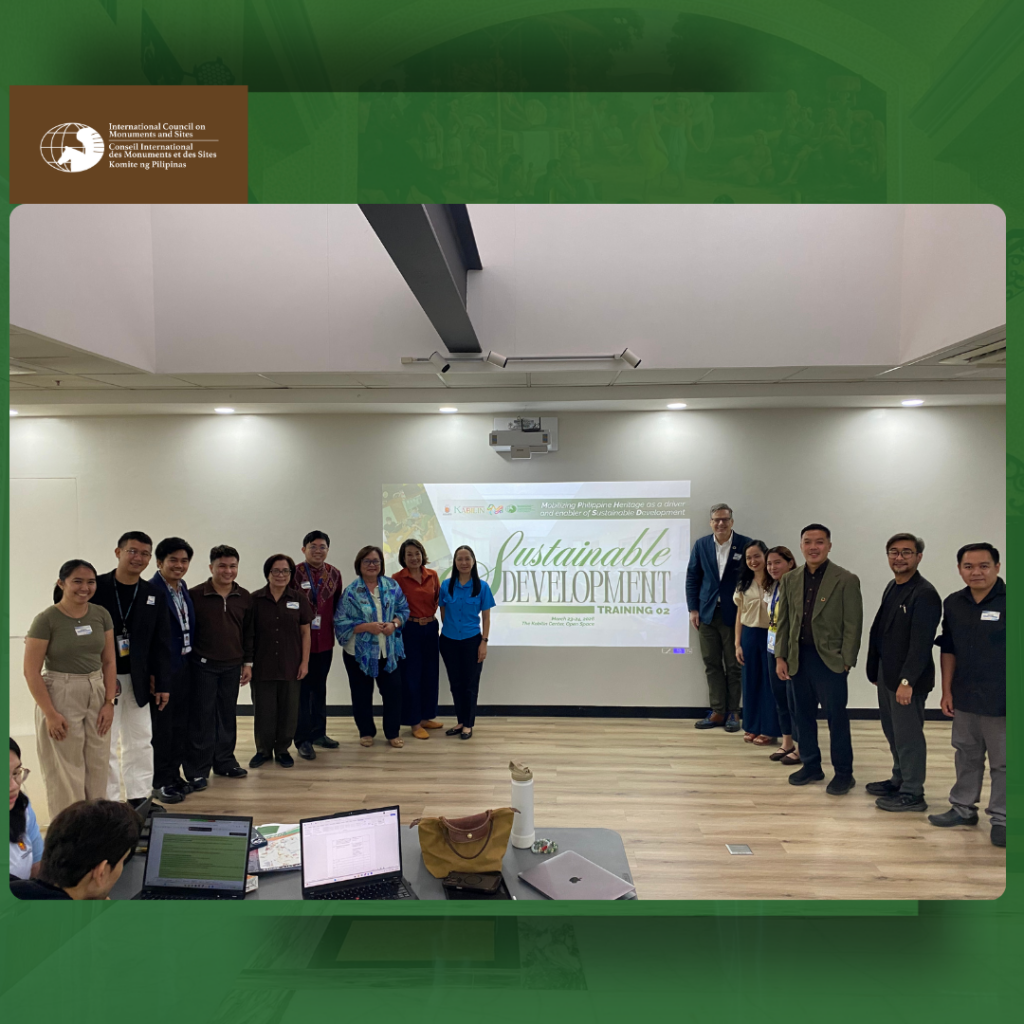
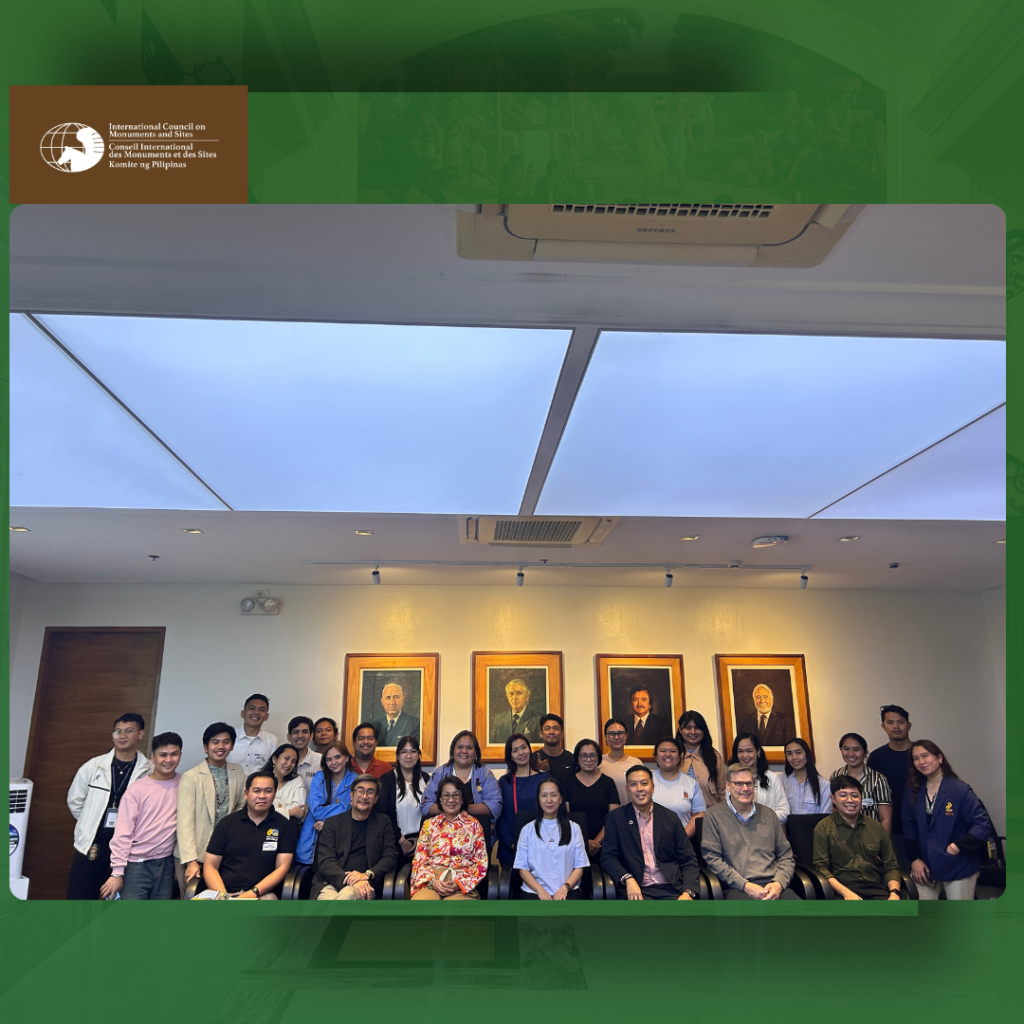
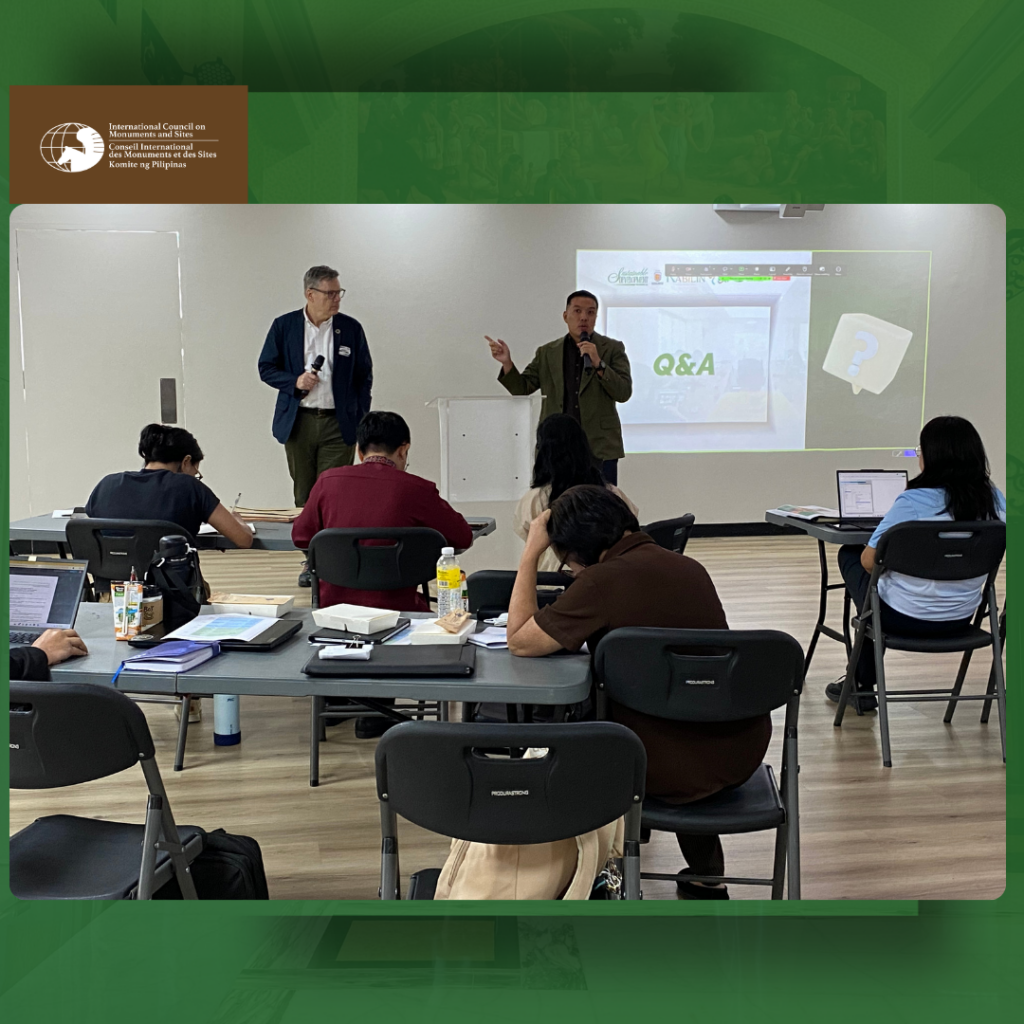
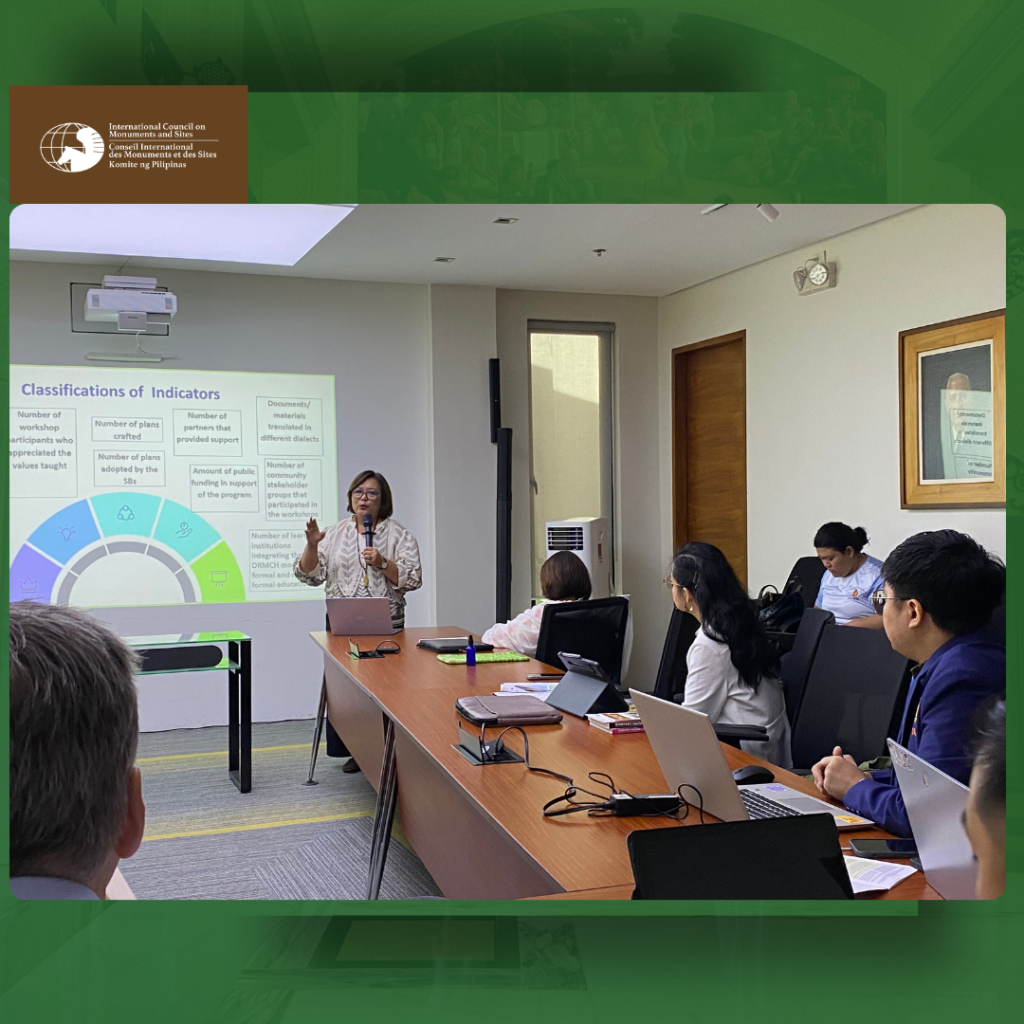
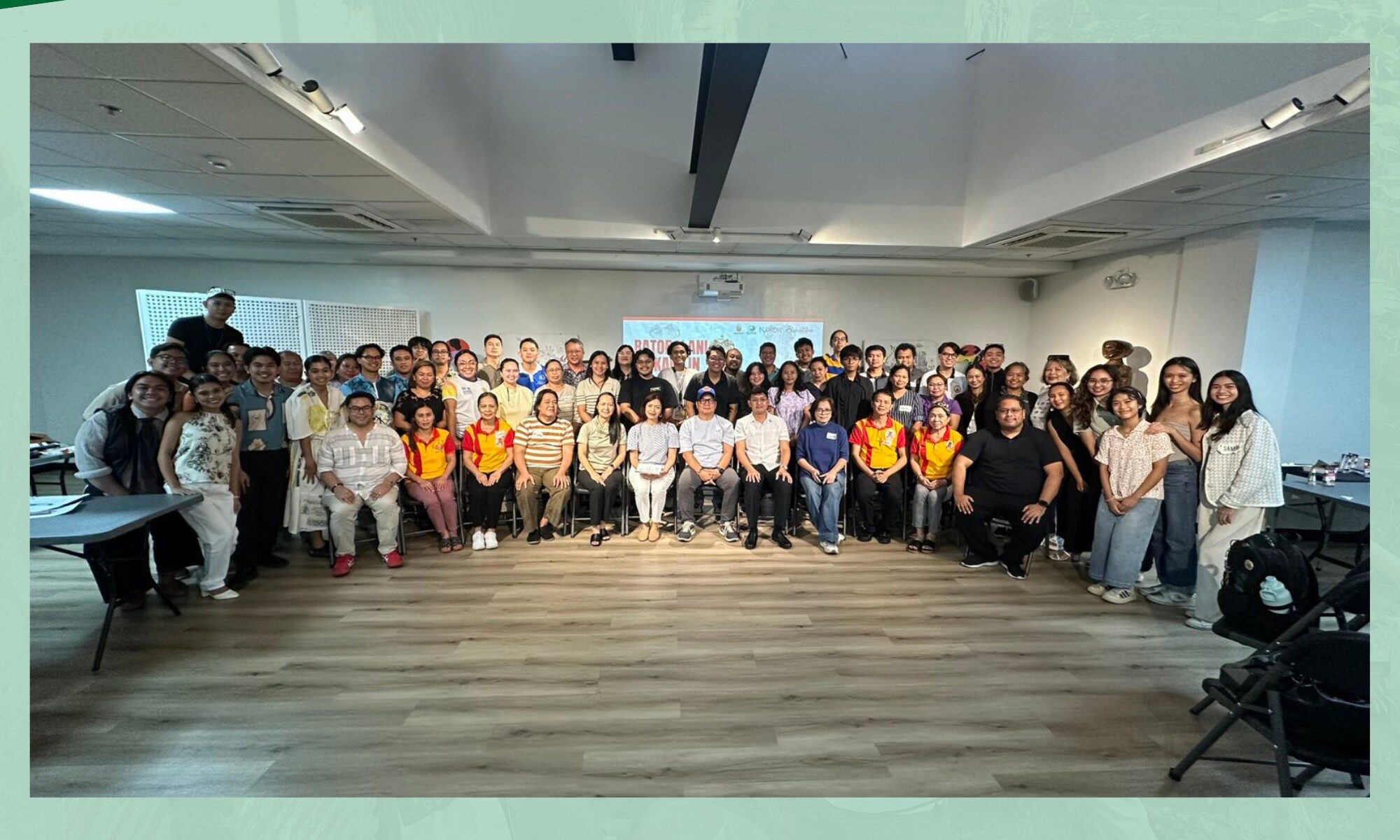
CEBU CITY–ICOMOS Philippines and the Ramon Aboitiz Foundation Inc. (RAFI), through the Kabilin Partnership, conducted Sustainable Development Training 03: Integrating MEAL Plans with the PAMANA 2030 Indicators Framework on September 17 and 18, 2026 at The Kabilin Center in Cebu City.
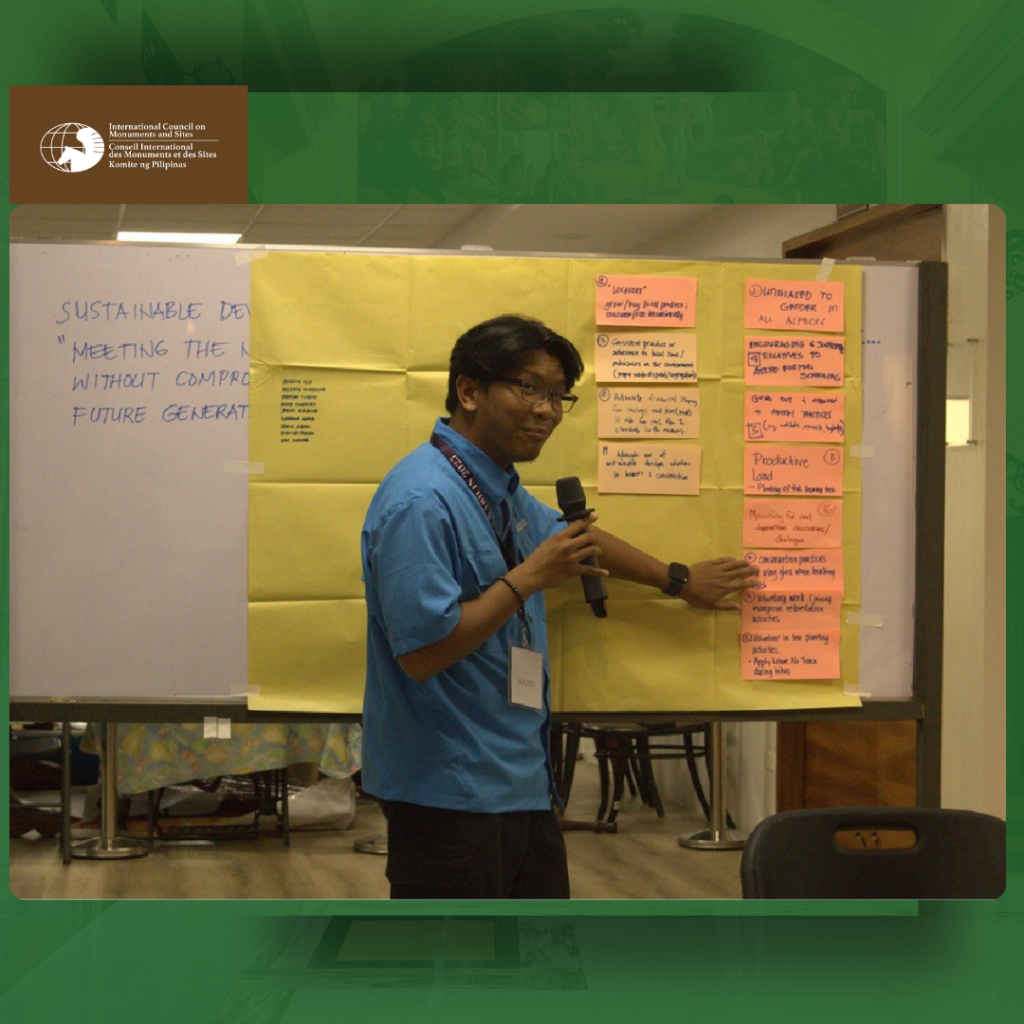
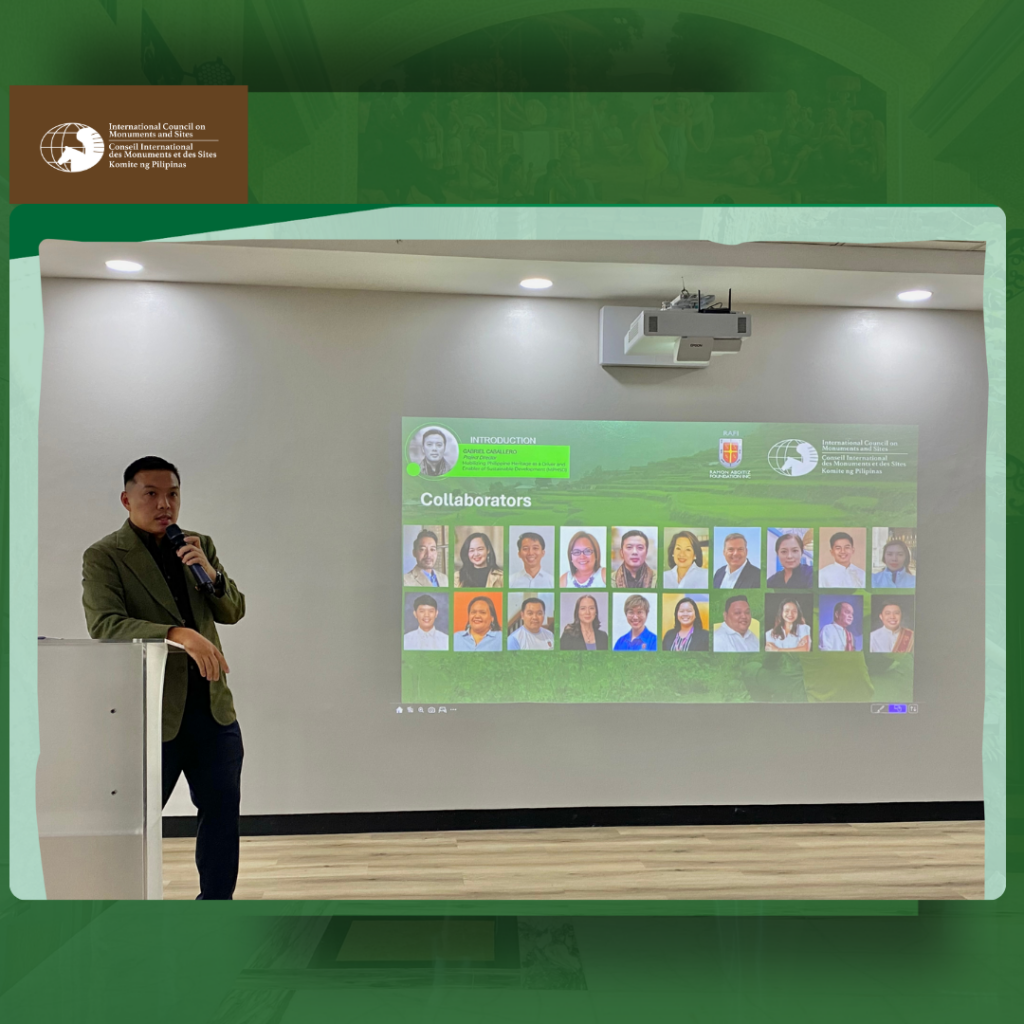
The two-day training marked another step in the Mobilizing Philippine Heritage as a Driver and Enabler of Sustainable Development (MPHSD) initiative. Building on the earlier trainings on heritage, sustainable development, and indicator development, SD Training 03 focused on putting the framework into actual project use by connecting RAFI’s Monitoring, Evaluation, Accountability, and Learning or MEAL Plans with the PAMANA 2030 Cultural Heritage Assessment and Reporting Tool (CHART). Rather than holding one large plenary session, the training was organized into focused technical working sessions for four heritage initiatives: Casa Gorordo Museum (CGM), The Kabilin Center (TKC), the National Training Course on Disaster Risk Management of Cultural Heritage (DRMCH), and the Safeguarding of the Intangible Cultural Heritage of the Santo Niño Devotion (ICHSN). This allowed each project team to look closely at its existing indicators, available data, and monitoring practices.
During the sessions, participants reviewed how project activities and key performance indicators could contribute to CHART and support wider reporting under the Philippine Development Plan for Culture and the Arts and the UNESCO Culture 2030 Indicators. Discussions also looked at practical questions such as what information needs to be collected, how often data should be gathered, how evidence can be validated, and how these processes can fit into the teams’ regular work rather than becoming a separate reporting requirement. A sample analysis of data from the Batobalani Safeguarding Workshop was also used to show how project-level information can be translated into evidence for sustainable development reporting. From there, the teams worked on matching their respective MEAL indicators with CHART and identifying areas where their monitoring systems could be strengthened.
The training also helped shape the next stage of MPHSD implementation. Participants discussed an implementation runway covering 2026 to 2029, including how data from the four projects can be consolidated and used for future assessment, learning, and reporting. Inputs from the sessions will also contribute to the development of the first PAMANA 2030 publication, “Heritage as a Driver and Enabler of Sustainable Development in the Philippines, Volume 1: Concepts, Policy and Methodology.”
Through SD Training 03, the MPHSD initiative moved beyond developing indicators toward testing how they can work within existing institutional systems. The activity provided the four project teams with space to examine their own data and processes while working toward a shared approach for showing how heritage programs contribute to sustainable development.
Key resource persons and facilitators included:
Gabriel Victor Caballero, MPHSD Project Director
Chen Mencias, ICOMOS Philippines Sustainable Development Goals Working Group Member and Subject Matter Expert
Ador Vincent Mayol, MPHSD Project Lead
Gabrielle Sebastianne “Elle” Bacalso, MPHSD Local Research Assistant
John Rainier Lopez, Kabilin Partnership Project Officer
Michael Alvin Labendia, MEAL Officer
Timothy Augustus Ong, ICOMOS Philippines Board Member
Representatives from RAFI and the Kabilin Partnership Program, who supported the technical working sessions for Casa Gorordo Museum (CGM), The Kabilin Center (TKC), the National Training Course on Disaster Risk Management of Cultural Heritage (DRMCH), and the Safeguarding of the Intangible Cultural Heritage of the Santo Niño Devotion (ICHSN).
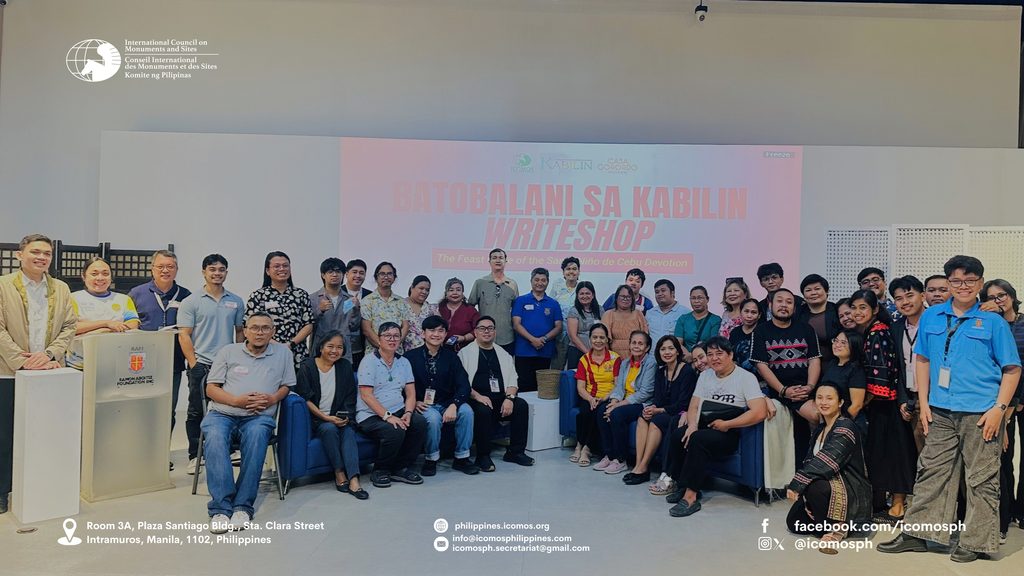
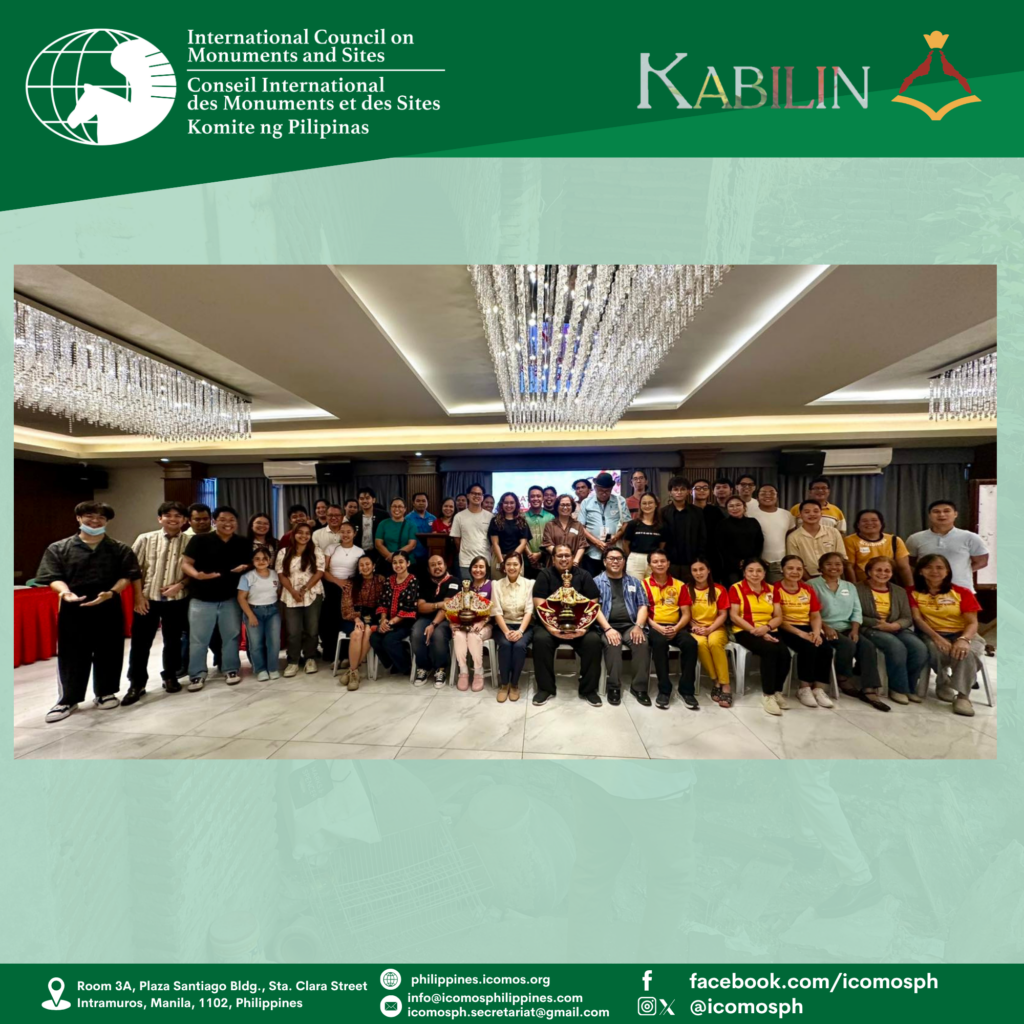
CEBU CITY —The International Council of Monuments and Sites (ICOMOS) Philippines and the Ramon Aboitiz Foundation Inc., through the Kabilin Partnership Program, successfully conducted the Batobalani sa Kabilin Writeshop: The Feast Cycle of the Santo Niño de Cebu Devotion last September 26, 2026, at The Kabilin Center Gallery. The event opened with welcome remarks from Ms. Desiree Gestiada, Program Director of Cebloom Operations, Ramon Aboitiz Foundation Inc. The project team was supported by Trustees of ICOMOS Philippines, Mr. Phillip Medina and Architect Timothy Augustus Ong. Following the opening, Dr. Laya Boquiren-Gonzales, Project Director of ICHSN, presented key safeguarding takeaways gathered from community consultations and focus group discussions, outlining existing good practices in safeguarding intangible cultural heritage, alongside critical gaps that stakeholders themselves identified.
A major highlight of the morning session was an insightful roundtable discussion featuring esteemed discussants Fr. Brian C. Brigoli, Dr. Delilah Labajo, Ar. Melva Java, and Dr. Jose Eleazar Bersales. The discussion was moderated by Dr. Boquiren-Gonzales. Ar. Java talked about how Legazpi wrote to the King that the “Lord waited for us here” where the image was found and “here” for her is kahawanan, space, the place called Sugbu. Furthermore, for Ar. Java “space is ephemeral but when it is inhabited it is invested with meaning and values and it becomes a place.” The panel examined how Cebu’s built environment and spiritual traditions inherently support each other. When the discussion shifted to the idea of a potential UNESCO Intangible Cultural Heritage (ICH) recognition and which register, Dr. Bersales recommended focusing the nomination on elements that are distinctly folk Catholic, with unique, living community practices alongside miracle stories and outside Cebu City. Dr. Labajo mentioned that the ICHSN Project Team shares updates on community consultations, referring to how the feast is celebrated differently in locales outside Cebu City, such as in Oslob. Moreover, Sirong sa Poro, as practiced in Camotes Islands, was also mentioned by Dr. Labajo. Ar. Java recommended highlighting the continuity of the folk and the religious aspects. Fr. Brian Brigoli clarified that “faith is always rooted in culture” through inculturation, a process where the core devotion remains constant while its outward expressions continuously adapt to convey the people’s deepest stories and longings. Explaining that “the dossier is not something dogmatic but cultural,” Fr. Brigoli reassured that the Archdiocese fully supports safeguarding these living traditions within a social system that honors shared memory.
When determining the focus and priorities for the nomination, the panel emphasized living traditions anchored in physical and social geography. Ar. Java suggested the importance of nominating the spatial landscape of lived spaces, such as the maritime and processional routes linking San Nicolas, Mandaue, and Pier 1, noting that these interconnected routes bind sacred places together and sustain the devotion’s long-term perpetuity. When asked to strategically prioritize ICH elements, Dr. Bersales argued that that specific practices carry immense standalone merit, pointing out that “the dance alone, the Sinulog dance* outside the Magellan’s cross is in itself worthy of a single nomination.” Dr. Labajo concurred that the candle vendors’ traditionalsinu’og as distinct due to its early pre-colonial origins and the way its traditional chants adapt to reflect modern societal challenges. However, the “Kinampilan” continued by the Mabolo troupe was also mentioned, urging efforts to actively enliven and propagate these dances rather than letting them freeze or fade away. Other than these are the songs that need to be documented and archived. To guide this selection, Fr. Brigoli outlined three essential criteria: (1) deep historical memory rooted in pre-colonial origins, (2) a vibrant communal life with an unbroken line of intergenerational transmission, and (3) shared stewardship that keeps this living heritage ethically visible.
The afternoon session transitioned into hands-on collaborative work, starting with a workshop orientation led by Ms. Chelsea Kaye Mara-Cabahug, Local Researcher for ICHSN. Participants then broke into specialized clusters guided by esteemed Subject Matter Experts from ICOMOS Philippines. In Cluster 1, participants examined Living Devotion and Intergenerational Transmission under the guidance of Mr. Phillip Medina, while Cluster 2 addressed Rituals, Cultural Settings, and Risk Reduction with Ar. Timothy Augustus Ong. Simultaneously, Cluster 3 tackled Documentation, and Interpretation through the expertise of Ms. Kara Velez Garilao, and Cluster 4 explored Social Infrastructure, Inclusive Participation, and Community Partnerships with Dr. Laya Boquiren-Gonzales. Following these productive cluster discussions, the session concluded with each group presenting possible initiatives in response to what they believe to be needs for safeguarding intangible cultural heritage in cultural sites connected to the Santo Nino de Cebu devotion.
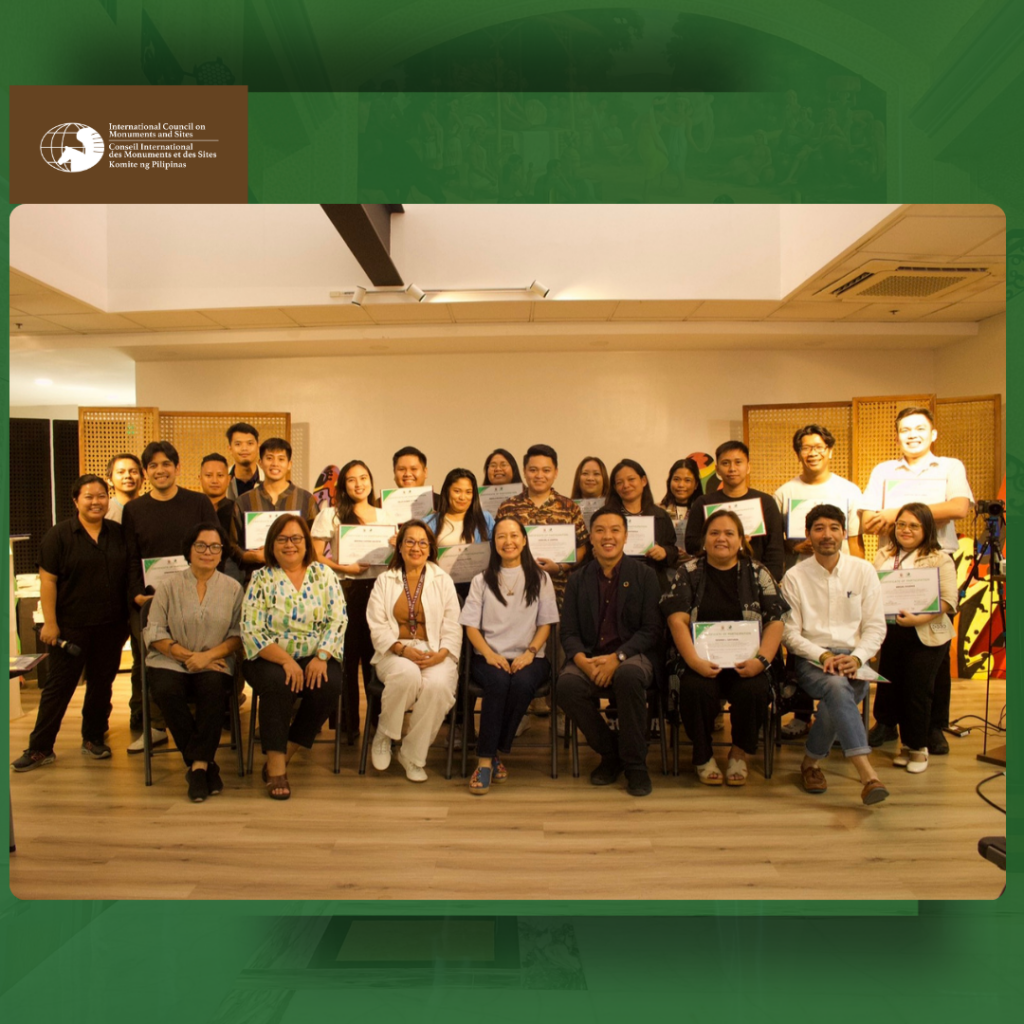
The writeshop ended on a celebratory note with the awarding of certificates to all participants, experts, and core team members. RAFI and ICOMOS Philippines both extend their heartfelt gratitude to every partner, advocate, and participant whose dedication continues to drive this crucial initiative forward.
*The ICHSN Project Team has previously engaged the candle vendors of the Basilica United Vendors’ Association or BUVPA in community consultations and in-depth interviews.
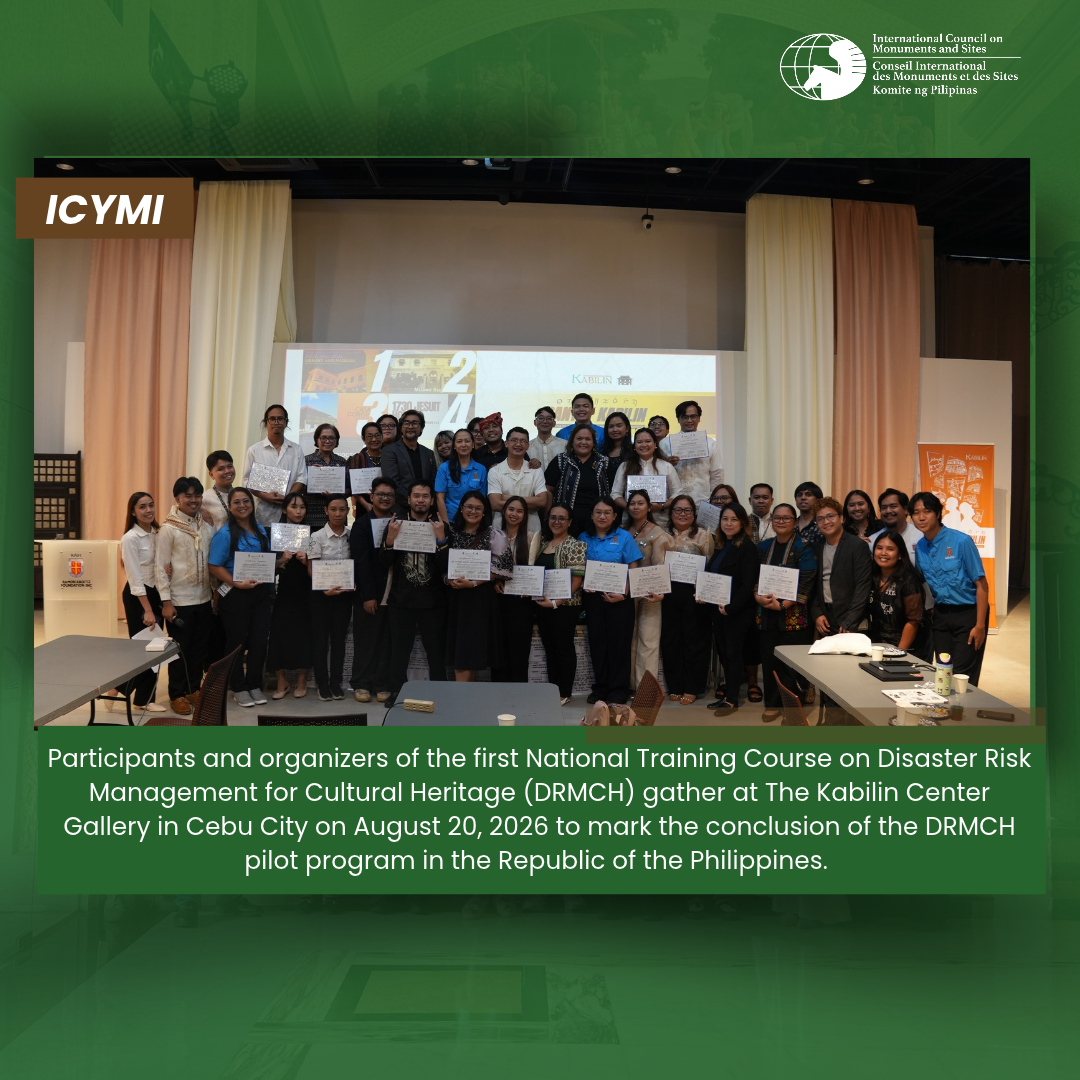
CEBU CITY, Philippines | July 27–August 20, 2026 — The Bantay Kabilin: Pilot Training Program on Disaster Risk Management for Cultural Heritage (DRMCH) officially concluded on August 20, 2026, marking an important step toward strengthening the capacity of heritage practitioners, institutions, and communities to prepare for, respond to, and recover from disasters affecting cultural heritage.
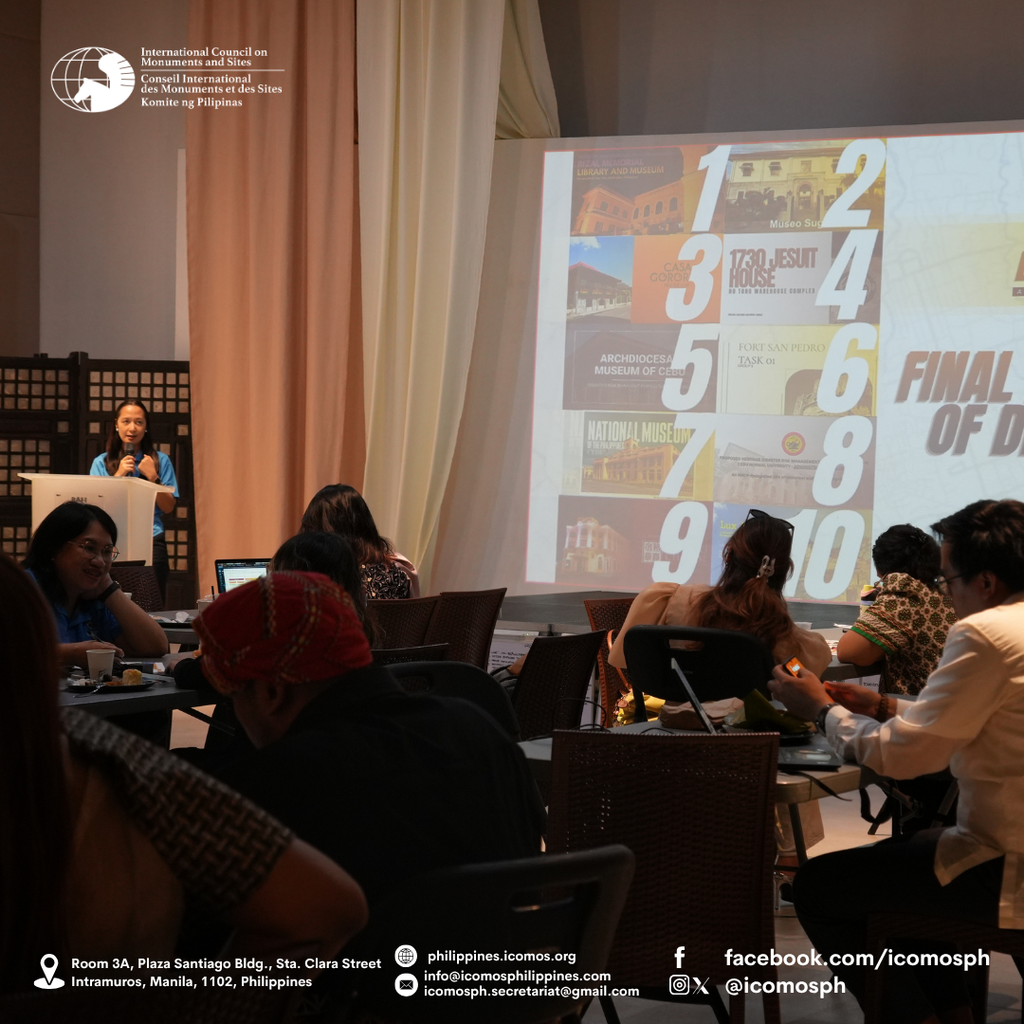
The 16-day pilot program brought together participants representing 10 case sites across Cebu City. Beyond developing individual skills, the program aimed to build a community of DRMCH practitioners, future trainers, and advocates who can bring disaster preparedness into their respective institutions and communities.
The program was led by Mr. Joselito H. Corpus, MSHP, Kabilin Partnership Program (KPP): DRMCH Project Director; Ar. Kenneth Tua, PhDAgSci, KPP Chief Project Officer; Ar. King Rosales, DRMCH Project Lead; and Ar. Kristi Marie Gultiano, Local Research Assistant, with the technical expertise and guidance of ICOMOS Philippines.
Throughout the training, participants engaged in lectures, workshops, field activities, discussions, and group exercises led by international, national, and local experts. These sessions covered key DRMCH concepts, including heritage values, hazard identification, vulnerability and risk assessment, mitigation, preparedness, emergency response, and recovery.
A central component of the program was the practical application of DRMCH principles. Working in multidisciplinary teams, participants applied tools and methodologies to their assigned case sites, considering heritage significance, local contexts, stakeholder perspectives, vulnerabilities, and potential disaster risks.
The program also celebrated Cebu’s rich cultural diversity. Through their attire and activities, participants represented the various tribes and cultures of Cebu City, underscoring that cultural heritage extends beyond historic structures and collections to include traditions, knowledge, identities, and living communities.
One of the major outputs of the pilot was the development of 10 Heritage Disaster Risk Management Plans (HDRMPs), one for each case site. During the Presentation of Group Outputs and Action Plans, the teams presented their proposed measures based on the specific heritage values, risks, stakeholders, and circumstances of their sites.
The presentations were followed by a Technical Review and Panel Feedback, where experts provided recommendations and constructive observations to further strengthen the plans and ensure their applicability. These outputs now provide a starting point for site custodians, cultural institutions, heritage practitioners, and other stakeholders to improve preparedness and develop more coordinated responses during emergencies.
The project team emphasized that the plans should not remain as training outputs alone. Instead, they are intended to be continuously refined, adopted, and institutionalized as practical documents that can guide preparedness, response, and recovery efforts.
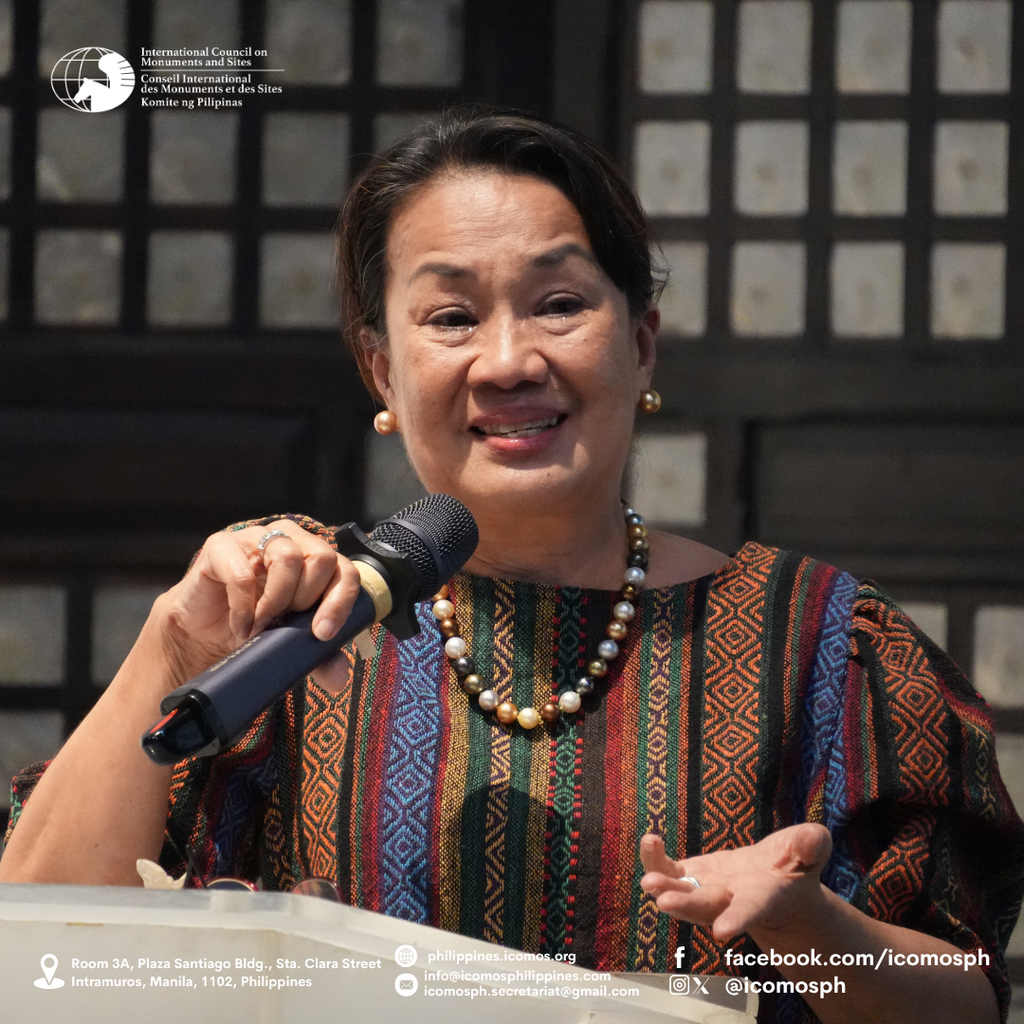
Ar. Maria Lourdes Onozawa shed tears as she recalls the past heritage conservation in Cebu during the National Training Course on DRMCH on August 20, 2026. – Photo Courtesy of The Kabilin Center
The program also gave participants an opportunity to reflect on the broader responsibility of heritage stewardship. Ar. Maria Lourdes Onozawa, an ICOMOS Philippines expert based in Cebu City, shared reflections on Cebu’s long history of heritage conservation and recognized the contributions of people and institutions that have sustained these efforts over the years. She also acknowledged the significant role of the Ramon Aboitiz Foundation, Inc. (RAFI) in supporting cultural heritage initiatives in Cebu.
Marie Sol Delantar-Gonzalvo, executive director of the Ramon Aboitiz Foundation Inc.’s Cebu North and Central Portfolio, addresses the participants of the first National Training Course on DRMCH at the end of the DRMCH pilot program on August 20, 2026. – Photo Courtesy of The Kabilin Center
During the closing program, Ms. Marie Sol Delantar-Gonzalvo, RAFI’s Cebu North and Central Portfolio (NCP) Executive Director, expressed appreciation to ICOMOS Philippines, the Japan Foundation in Manila, organizers, resource persons, and participants for their commitment throughout the pilot. She emphasized the important role of local heritage workers, who are often among the first responders and custodians of cultural heritage during disasters, and encouraged participants to apply their learning within their institutions and communities.
The importance of the program is especially relevant in the Philippines, where communities continue to face typhoons, earthquakes, floods, fires, and other hazards. Cultural heritage can be particularly vulnerable due to the age and condition of heritage resources, their materials and locations, and limited resources for their protection. Strengthening preparedness is therefore essential to reducing risks and enabling more coordinated responses during emergencies.
For Ar. Ramil B. Tibayan, President of ICOMOS Philippines, the completion of Bantay Kabilin represents an important step toward strengthening the preparedness and resilience of cultural heritage stakeholders. He also highlighted the potential of the pilot to serve as a foundation for ICOMOS Philippines to develop a national certification or capacity-building framework for cultural heritage workers, particularly in DRMCH.
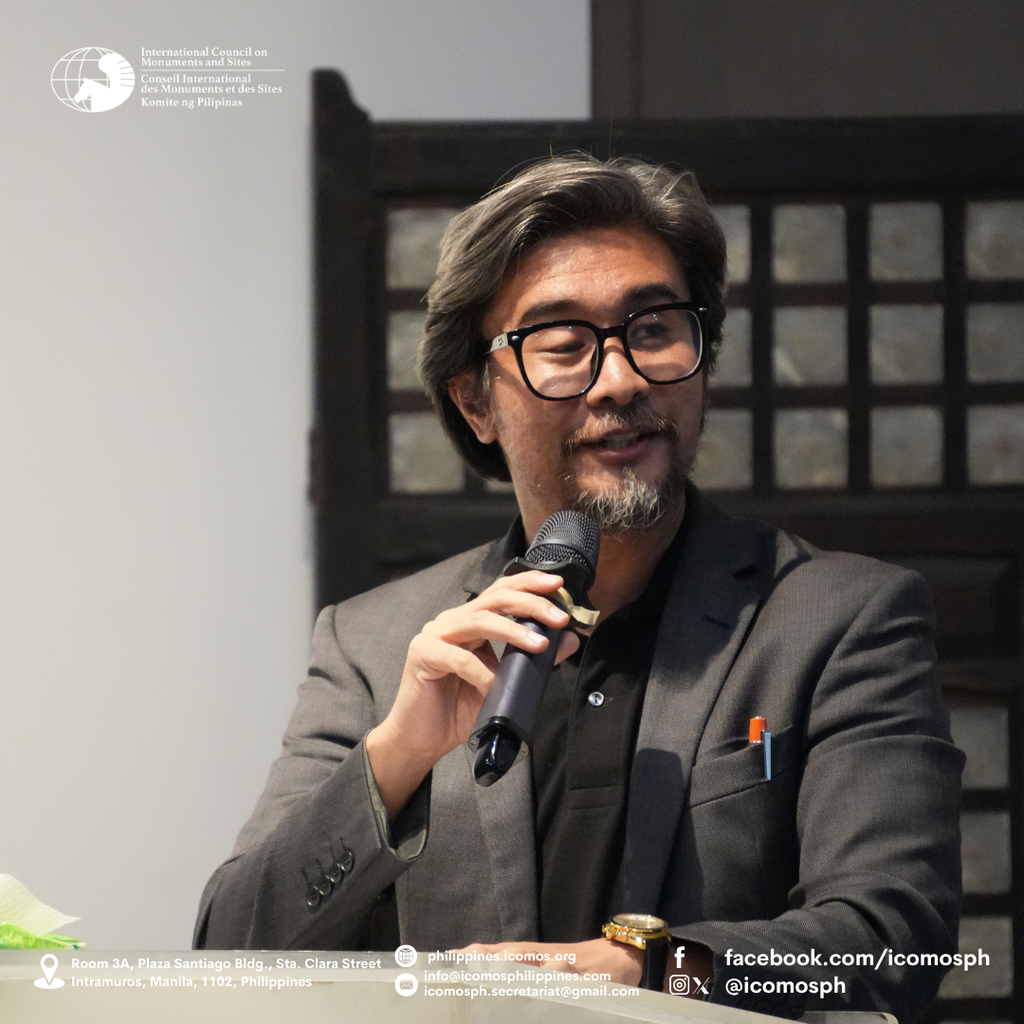
Ar. Ramil Tibayan, President of the International Council on Monuments and Sites (ICOMOS) Philippines, Inc., speaks during the first National Training Course on DRMCH at The Kabilin Center Plenary Gallery in Cebu City on August 20, 2026. – Photo Courtesy of The Kabilin Center
Ar. Tibayan emphasized that the success of the program will ultimately be measured by how participants translate their learning into actual preparedness measures, response protocols, and conservation practices within their institutions and communities. He also recognized the collective efforts of partner organizations, experts, facilitators, site representatives, and participants, underscoring that heritage resilience is a shared responsibility.
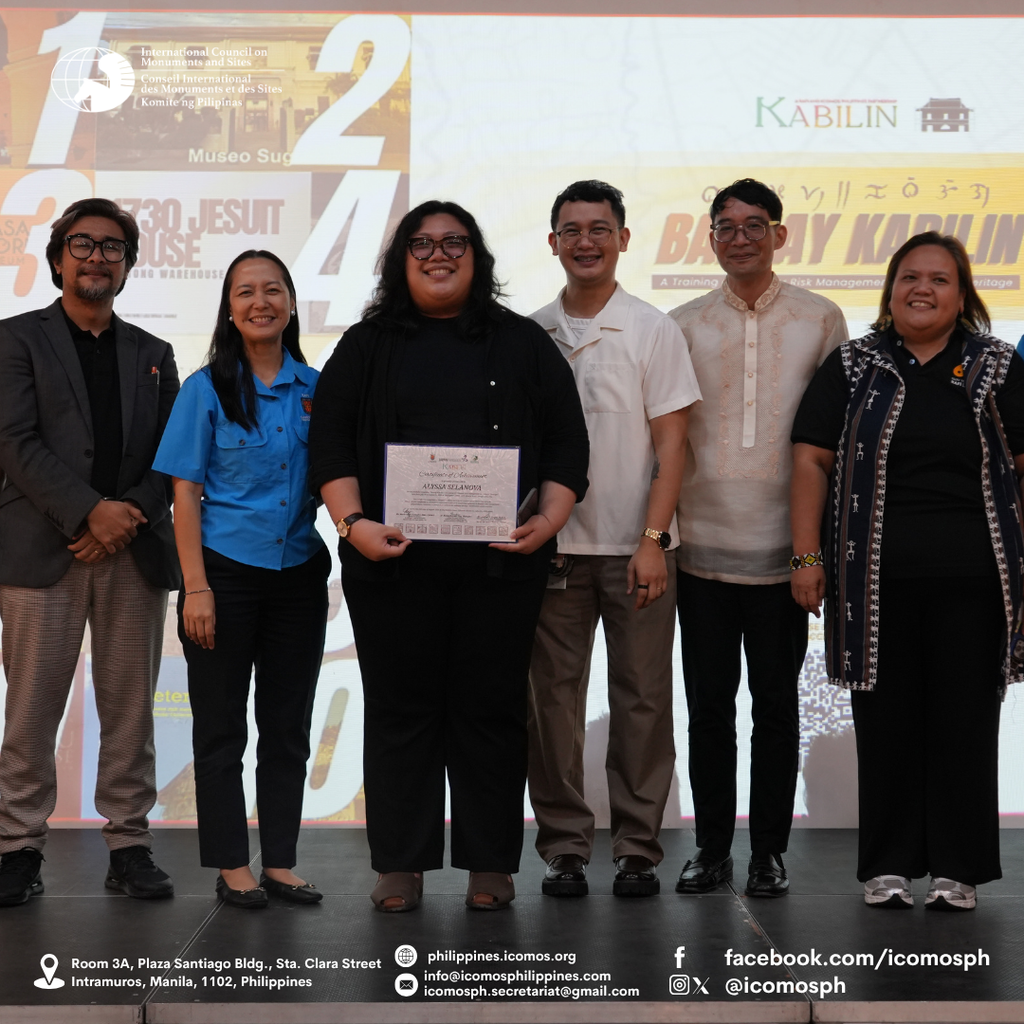
Alyssa Selanova (fourth from left), one of the participants, receives the Certificate of Achievement following the conduct of the first National Training Course for DRMCH at The Kabilin Center Gallery in Cebu City on August 20, 2026. – Photo Courtesy of The Kabilin Center
The completion of Bantay Kabilin marks more than the close of a 16-day training program. It represents the beginning of a sustained commitment to transforming knowledge into action, strengthening institutional partnerships, and embedding disaster preparedness at the heart of cultural heritage conservation.
The program formally concluded with the Awarding of Certificates of Achievement, honoring the participants, subject matter experts, organizers, and partner institutions whose dedication and collaboration made the successful implementation of this pilot initiative possible. As Bantay Kabilin advances beyond its pilot phase, the lessons learned, partnerships forged, and 10 DRMCH plans developed through the program provide a strong foundation for future capacity-building efforts and cross-sector collaboration. More importantly, it has cultivated a growing network of heritage and disaster risk management practitioners united by a shared purpose: safeguarding cultural heritage through proactive action, building resilience in the face of increasing risks, and ensuring that the stories, traditions, and identities embodied in heritage continue to inspire and endure for generations to come.
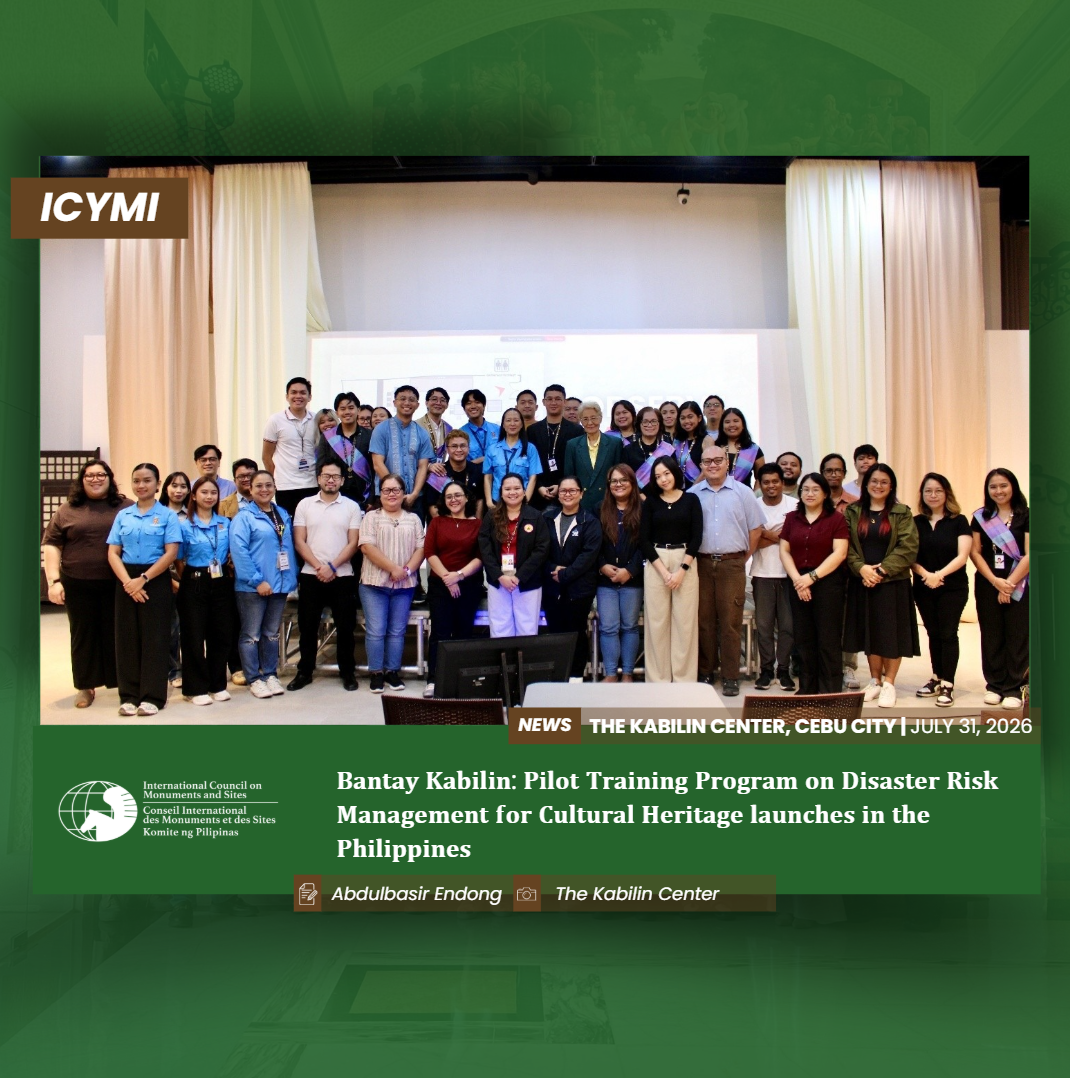
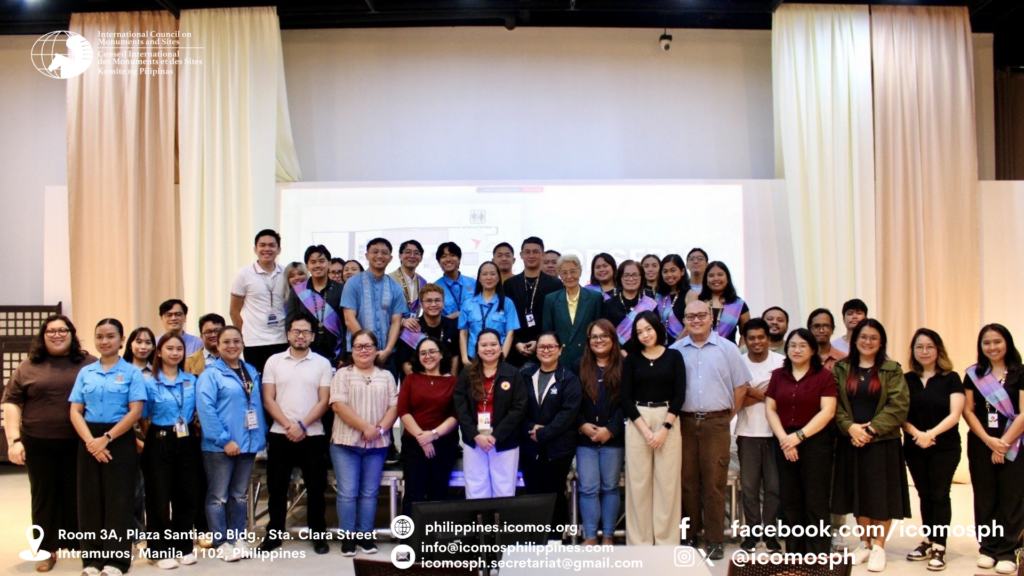
Participants and organizers gather at The Kabilin Center in Barangay Tinago, Cebu City, on July 30, 2026, for the launch and opening ceremony of the Philippines’ first National Training Course on Disaster Risk Management for Cultural Heritage under the Kabilin Partnership Program. – PHOTO COURTESY OF THE KABILIN CENTER
THE KABILIN CENTER, CEBU CITY–THE KABILIN CENTER, CEBU CITY—The International Council on Monuments and Sites (ICOMOS) Philippines and the Ramon Aboitiz Foundation, Inc. (RAFI) marked a significant milestone in protecting Philippine cultural heritage against disasters with the opening of the Bantay Kabilin: Pilot Training Program on Disaster Risk Management for Cultural Heritage (DRMCH).
The origins of the program drew from the experiences of ICOMOS Philippines team members who participated in the International Training Course on Disaster Risk Management of Cultural Heritage organized by ICCROM and Ritsumeikan University’s Institute of Disaster Mitigation for Urban Cultural Heritage (DMUCH). Building upon this foundation, ICOMOS Philippines and RAFI spent one year conducting research, consultations, curriculum development, and coordination with heritage professionals, government agencies, subject matter experts, participating institutions, and cultural heritage sites.
The pilot is being implemented through the partnership between ICOMOS Philippines and RAFI under the Kabilin Partnership Program, with support from The Japan Foundation, Manila, a funding partner of ICOMOS Philippines for the pilot.
The opening brought together leaders from ICOMOS Philippines and RAFI, heritage experts, development partners, and participants representing museums, churches, cultural institutions, civil society organizations, and local communities. Their presence reflected a shared commitment to safeguarding cultural heritage before, during, and after disasters.
Ms. Amaya Cristina Aboitiz-Fansler, President and Chief Executive Officer of RAFI, delivered the keynote address. She emphasized the importance of connecting cultural heritage protection with disaster risk reduction and climate resilience. She encouraged participants to build lasting professional networks and a shared commitment to the future of Philippine heritage.
Ar. Giuseppe Luigi H. Abcede, Trustee of ICOMOS Philippines, delivered his message. He emphasized the importance of cooperation among heritage organizations, government institutions, technical experts, and local communities in translating international conservation principles into practical action. He reaffirmed ICOMOS Philippines’ commitment to strengthening professional capacity and helping communities protect their heritage from disaster risks.
Ar. Kenneth Tua, PhDAgSci, Chief Project Officer of the Kabilin Partnership Program, recognized Cebu City as an important setting for piloting the training. He encouraged participants to address disaster risks through preparedness, cooperation, and shared responsibility. He also acknowledged the organizations and institutions that contributed to the program.
The opening introduced participants to the learning journey they will undertake throughout the pilot.
Mr. Joselito H. Corpus, Project Director of Bantay Kabilin: DRMCH, presented the program framework, learning methodology, and participant journey. He led the development of the pilot with the ICOMOS Philippines and RAFI project team, guiding its curriculum, modules, subject matter experts, institutional partnerships, case-study sites, lectures, workshops, site visits, and practical outputs. Drawing from his experience in heritage conservation and disaster risk management, he helped adapt international DRMCH principles to Philippine hazards, heritage conditions, and community needs.
Ar. King Rosales, Project Lead, presented the program’s objectives, structure, activities, and expected outcomes. Working closely with the Project Director, he helped coordinate the project team, partners, subject matter experts, participants, institutions, and heritage sites while supporting the program’s day-to-day implementation.
Bantay Kabilin draws upon ICOMOS Philippines’ technical knowledge, interdisciplinary experience, professional network, and international connections. Through lectures, workshops, case studies, and site visits, participants learn to assess heritage values, hazards, and vulnerabilities and to prepare measures for mitigation, response, recovery, and long-term resilience. Cebu City, with its churches, museums, historic landmarks, traditional communities, and heritage districts, provides a meaningful setting for applying these lessons.
The initiative is supported by RAFI through the Strategic Initiative Grant of its North and Central Portfolio. The Japan Foundation, Manila, a funding partner of ICOMOS Philippines for the pilot, supported the participation of international subject matter experts and the exchange of knowledge within the program. Bantay Kabilin begins a longer effort to develop a nationally relevant training model that integrates cultural heritage conservation with disaster risk management while strengthening community resilience.
SD Training 01: Basics of Heritage and Sustainable Development
13 to 15 August 2025 | The Kabilin Center, Cebu City
ICOMOS Philippines and the Ramon Aboitiz Foundation Inc. conducted the first Sustainable Development Training under the Pamana 2030: Mobilizing Philippine Heritage as a Driver and Enabler of Sustainable Development initiative. Held at The Kabilin Center in Cebu City, the training brought together RAFI teams, ICOMOS Philippines, heritage workers, and development partners to build a common understanding of how cultural heritage can support sustainable development.
The sessions introduced participants to the wider role of culture and heritage in development work. Discussions looked at how heritage is connected to social inclusion, local economies, environmental care, community resilience, and identity. Participants also engaged with national and international frameworks, including the Sustainable Development Goals, the Philippine Development Plan, inputs from the National Commission for Culture and the Arts, and the UNESCO Culture 2030 Indicators.
Through lectures, case studies, and group discussions, the training helped show that heritage is not only something to protect or preserve. It can also help communities respond to present needs and plan for the future. Examples from tourism, community mapping, disaster risk management, and heritage management showed how culture can be linked to practical concerns on the ground.
This first training laid the groundwork for the succeeding MPHSD activities. It helped participants move from a general understanding of heritage and sustainability toward a clearer view of how heritage work can be documented, measured, and connected to planning. It also helped establish the shared direction that would later guide the development of indicators and assessment tools under Pamana 2030.
Supporting agencies and representatives:
DepDev / national development planning input: Lester Owen Go, Chief Economic Development Specialist, DepDev Development Research Division
NCCA: Jesuben Angel S. Bongolan, Head of the Regional Coordination Unit, NCCA Planning and Policy Office
CIT-U: Engr. Erlyn Ivy O. Rago, Head of the Student Success Office, Cebu Institute of Technology – University
RAFI: Christian Anuta, Director, Program Excellence Group
SMEs / resource persons / facilitators:
Andrew Mason, WSP Canada Inc., ICOMOS SDGWG Member (Canada), Task Team on Heritage Evaluation Criteria and Indicators
Chen Mencias, ICOMOS Philippines SDGWG Member and former NEDA Stakeholders Chamber Representative for ICOMOS Philippines
Maria Lourdes ‘Joy’ Martinez Onozawa, ICOMOS Philippines SDGWG Member and Subject Matter Expert
Gabriel Caballero, MPHSD Project Director
Carmencita Solis, ICOMOS Philippines SDGWG Member and Facilitator
SD Training 02 Module 1: Designing Indicators and MOVs
22 and 29 January 2026 | Online and In-Person Sessions
Sustainable Development Training 02 Module 1 moved the discussion from general concepts of heritage and sustainable development toward the practical design of indicators and Means of Verification. Held through online and in-person sessions, the module focused on how RAFI’s heritage-related projects could be connected to national cultural policy priorities, especially the Philippine Development Plan for Culture and the Arts 2024-2029.
The sessions helped participants look at how each project could identify relevant indicators, available data sources, and possible evidence that can show culture’s contribution to sustainable development using the framework set by the National Commission for Culture and the Arts. The module introduced the idea that heritage projects need clear measures and documentation so that their social, cultural, economic, and governance contributions can be better understood over time.
Participants worked through the four RAFI project components, namely Casa Gorordo Museum, The Kabilin Center, the National Training Course on Disaster Risk Management of Cultural Heritage, and the Safeguarding of the Intangible Cultural Heritage of the Santo Nino Devotion. Through these discussions, project teams began matching their work with PDP-CA outcomes and identifying what kinds of data could realistically be collected from ongoing project activities.
This module became an important bridge between the first training and the later work on the UNESCO Culture 2030 Indicators. It helped prepare the teams for deeper indicator development by clarifying what can be measured, what evidence is available, and what still needs to be strengthened in the projects’ monitoring and documentation systems.
Supporting agencies and representatives:
NCCA: Jesuben Angel S. Bongolan, Head of the Regional Coordination Unit, NCCA Planning and Policy Office
SMEs / resource persons / facilitators:
Andrew Mason, WSP Canada Inc., ICOMOS SDGWG Member (Canada), Task Team on Heritage Evaluation Criteria and Indicators
Chen Mencias, ICOMOS Philippines SDGWG Member and former NEDA Stakeholders Chamber Representative for ICOMOS Philippines
Chanelle Mesjena Custorio, ICOMOS Philippines Member and Facilitator
Maria Lourdes ‘Joy’ Martinez Onozawa, ICOMOS Philippines SDGWG Member and Subject Matter Expert
Project perspective inputs included Joselito Corpuz for DRMCH, and Ador Vincent Mayol as MPHSD Project Lead
SD Training 02 Module 2: Building the Indicator Foundation
23 February and 5 March 2026 | Online and In-Person Sessions
Following the earlier discussions on heritage and sustainable development, Sustainable Development Training 02 Module 2 focused on building the indicator foundation for the MPHSD initiative. The module helped connect wider cultural monitoring frameworks with the ongoing work of RAFI, the Kabilin Partnership, and CEBloom Operations.
The sessions introduced the UNESCO Culture 2030 Indicators and explored how these could be applied to RAFI’s heritage-related projects. Building on previous discussions, participants looked at how international frameworks could help guide the process of measuring culture’s contribution to sustainable development.
One important part of the module was the discussion on Baguio City’s experience with the Culture 2030 Indicators. This example helped participants see how cultural data and heritage indicators can be used in an actual local applications. Participants also worked through RAFI’s own project data from four initiatives: Casa Gorordo Museum, The Kabilin Center, the National Training Course on Disaster Risk Management of Cultural Heritage, and the Safeguarding of the Intangible Cultural Heritage of the Santo Niño Devotion.
Through breakout sessions, participants identified possible indicators, reviewed available data sources, and reflected on how each project contributes to broader development outcomes. This module marked an important step in moving from broad ideas into more practical indicator work. It helped prepare the ground for a common assessment framework that can support reporting, learning, and planning across the Kabilin Partnership.
Supporting agencies and representatives:
Baguio Culture 2030 Indicators experience: Dr. Raymond Rovillos, College President III of Pangasinan Polytechnic College and former Chancellor of the University of the Philippines Baguio
SMEs / resource persons / facilitators:
Andrew Mason, WSP Canada Inc., ICOMOS SDGWG Member (Canada), Task Team on Heritage Evaluation Criteria and Indicators
Chen Mencias, ICOMOS Philippines SDGWG Member and former NEDA Stakeholders Chamber Representative for ICOMOS Philippines
Chanelle Mesjena Custorio, ICOMOS Philippines Member and Facilitator
Maria Lourdes ‘Joy’ Martinez Onozawa, ICOMOS Philippines SDGWG Member and Subject Matter Expert
Project perspective inputs included Joselito Corpuz for DRMCH, Dr. Laya Boquiren-Gonzales for ICHSN, and Ador Vincent Mayol as MPHSD Project Lead
SD Training 02 Module 3: Consolidating and Institutionalizing the Framework
23 to 24 March 2026 | The Kabilin Center, Cebu City
Sustainable Development Training 02 Module 3 brought together the work developed in the earlier sessions and focused on consolidating the MPHSD indicator framework. Held in person at The Kabilin Center, the module gathered participants from the Kabilin Partnership, RAFI, CEBloom Operations, and ICOMOS Philippines to refine how heritage-related project outcomes could be linked to monitoring, evaluation, accountability, and learning.
The session focused on making the methodology more practical for long-term use. Using the inputs from the earlier modules, participants worked toward a common framework that connected local project outcomes with RAFI’s MEAL plans, while also aligning with the Philippine Development Plan for Culture and the Arts and the UNESCO Culture 2030 Indicators. This helped show how local heritage work can contribute to wider national and international development conversations.
The module also included discussions on impact scoring, policy alignment, and the updated Cultural Heritage Assessment Methodology. Case examples from the four RAFI projects helped participants test how the framework could apply to different types of heritage work, including museums, cultural facilities, training programs, and intangible cultural heritage initiatives. These discussions helped clarify how indicators could be prioritized, scored, and used for reporting and decision-making.
By the end of the module, the MPHSD work had moved closer to a working system for tracking how heritage contributes to sustainable development. The session also helped prepare the direction for the first MPHSD publication, which will continue the process of documenting, reviewing, and refining the knowledge produced through the trainings. Through this module, the Kabilin Partnership continued to show that heritage is not only cultural work, but also development work.
NCCA: Jesuben Angel S. Bongolan, Head of the Regional Coordination Unit, NCCA Planning and Policy Office and Rhea Lyn H. Dela Cruz, Culture and Arts Officer, Regional Exchange Unit
SMEs / resource persons / facilitators:
Andrew Mason, WSP Canada Inc., ICOMOS SDGWG Member (Canada), Task Team on Heritage Evaluation Criteria and Indicators
Chen Mencias, ICOMOS Philippines SDGWG Member and former NEDA Stakeholders Chamber Representative for ICOMOS Philippines
Maria Lourdes ‘Joy’ Martinez Onozawa, ICOMOS Philippines SDGWG Member and Subject Matter Expert
Chanelle Mesjena Custorio, ICOMOS Philippines Member and Facilitator
Gabriel Caballero, MPHSD Project Director
Project perspective inputs included Joselito Corpuz for DRMCH, Dr. Laya Boquiren-Gonzales for ICHSN, and Ador Vincent Mayol as MPHSD Project Lead
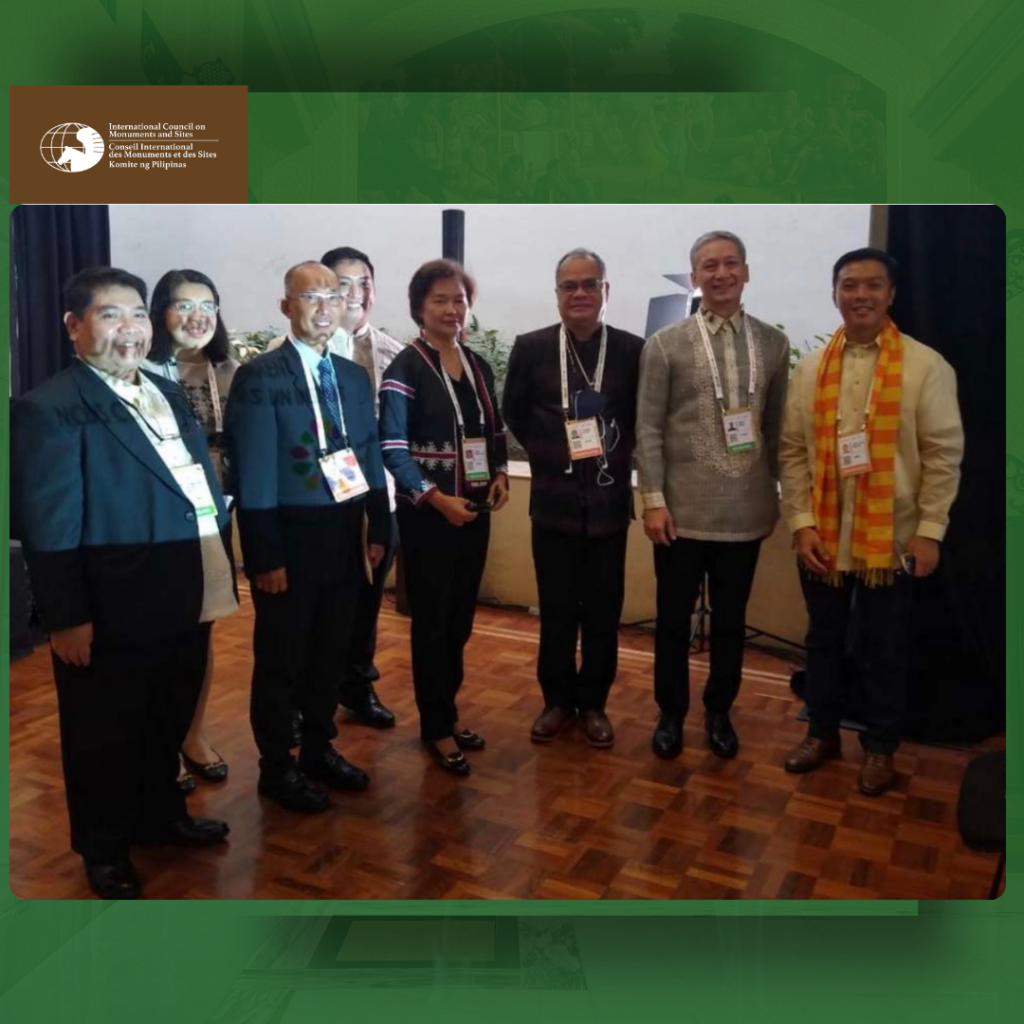
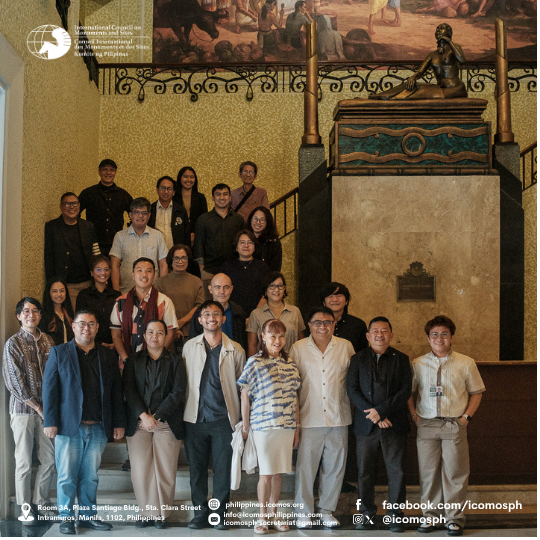
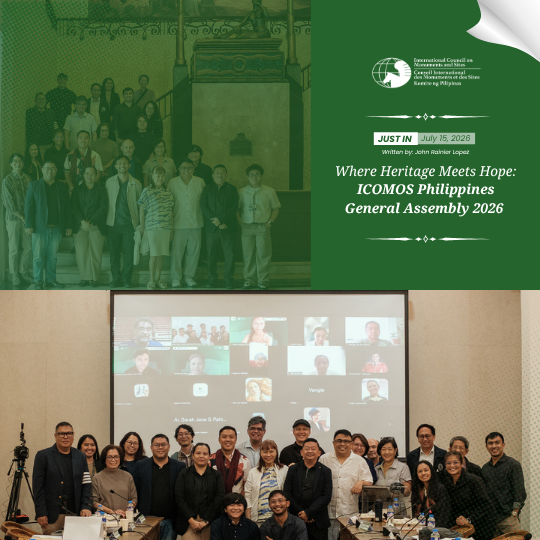
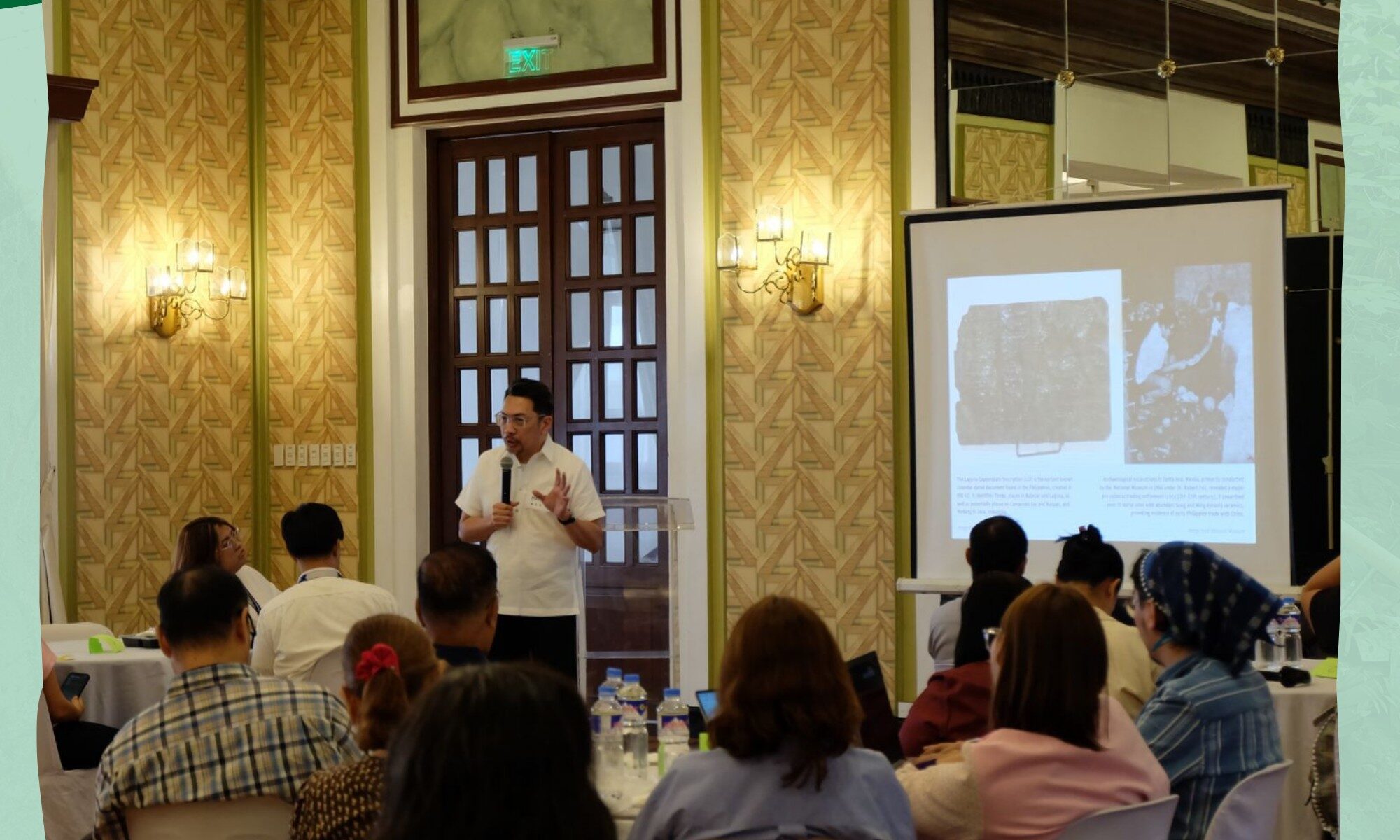
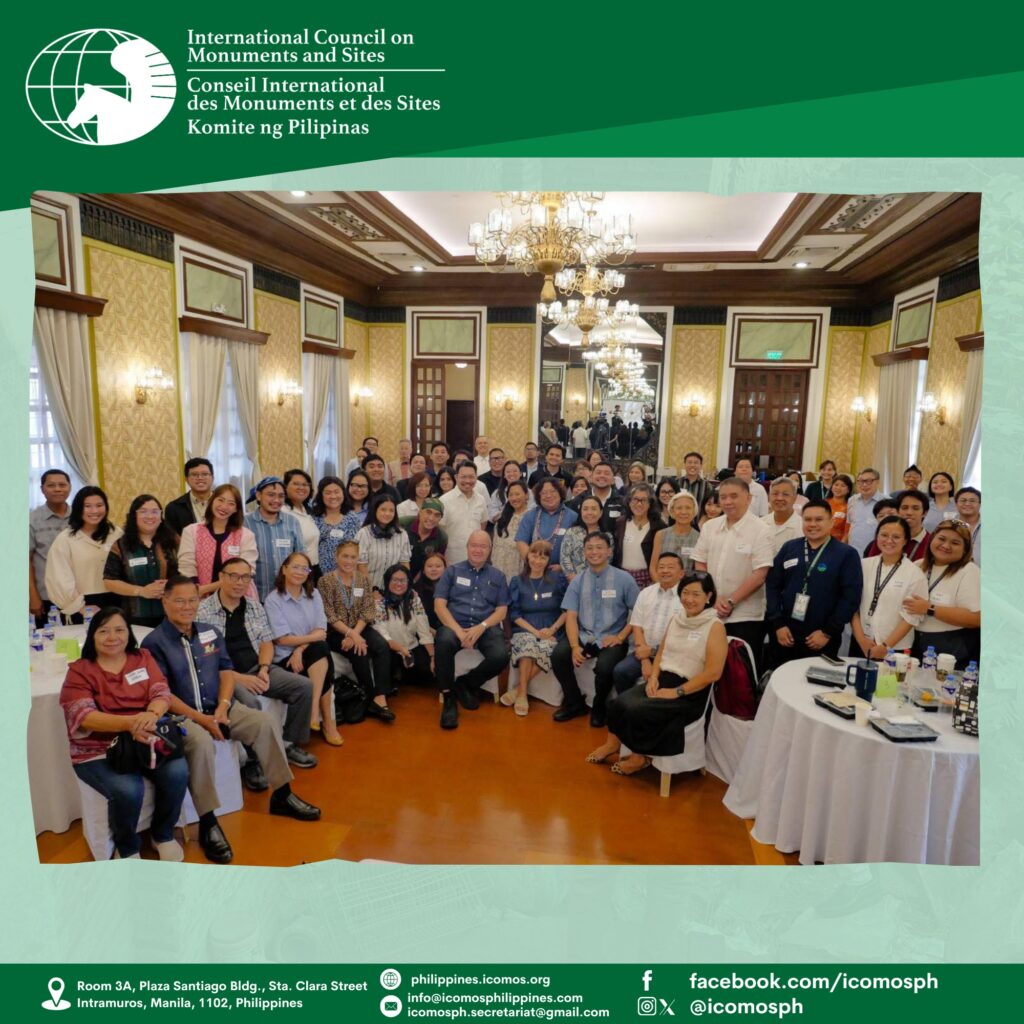
July 11, 2026 | Manila Metropolitan Theater, Philippines — Organizers in Barong Tagalog and Filipiniana moved with quiet precision, guiding participants into the hall. Attendees came bearing narratives of achievements and possibilities, each one a thread in the tapestry of Philippine heritage, some representing universities, others local governments, and many carrying the stories of their communities. Online, faces appeared on Zoom screens from distant cities and provinces. This was not just a meeting. It was a gathering of stewards of memory, people who believe heritage is a living force that shapes identity and resilience.
The assembly opened with a welcome to members, guests, and the outgoing Board of Trustees: Dr. Cheek S. Fadriquela, Ms. Caroline Marie Lising, Ms. Liliane Rosa Rejante-Manahan, Ar. Harvey Vasquez, and Ar. Ramil Tibayan. Quorum was confirmed, the minutes of the previous meeting approved, and technical reminders shared. Yet beyond the formalities, there was a sense of urgency. Heritage is fragile, and its guardians know this well.
Dr. Cheek Fadriquela’s President’s Report reflected on the organization’s journey from 2023 to 2026. He spoke of accomplishments: disaster risk management trainings, active participation in international dialogues that placed the Philippines on the global heritage map, publications and research that deepened conservation knowledge, and strengthened compliance with statutes that ensured credibility. His words carried the weight of collective effort. Members listened intently, others simply nodding, their faces showing pride in what had been achieved.
The Corporate Secretary’s Report, delivered by Ms. Liliane Rosa “Tats” Rejante-Manahan, focused on organizational updates and compliance, ensuring that ICOMOS Philippines remained aligned with international standards. The Treasurer’s Report was represented by Mr. Abdulbasir Endong on behalf of Ar. Harvey Vasquez, who was unable to attend. Endong presented financial updates, underscoring transparency and sustainability in resource management.
In his own Strategic Communications report, Endong highlighted the organization’s growing presence online. He spoke of social media engagements, of posts that reached thousands, of conversations sparked in digital spaces. His words painted a picture of heritage advocacy thriving in the virtual world. Meanwhile, Ar. Ramil Tibayan’s Membership Relations report focused on how ICOMOS engaged with its membership through outreach, collaborations, and active participation. He also presented the current status of membership, emphasizing that the strength of the organization lies in the strength of its members.
The assembly then turned to the Board of Trustees candidates. Each spoke not only of projects but of visions. Ar. Carmencita Solis described Tabang Cebu, her voice steady as she spoke of community-based conservation. Ar. Timothy Augustus Ong presented the Sanchez Mira, Cagayan Project, weaving together architecture and digital humanities. Ms. Beverly Bautista introduced the Samar Sentinel Project, her words carrying the urgency of community engagement. Mr. Phillip Norbert Ahmad Medina shared his Stakeholders’ Imperative on Heritage Conservation, reminding everyone of the importance of grassroots involvement. Ar. Giuseppe Luigi Abcede championed the Pasig River as National Cultural Treasure, his passion evident as he spoke of heritage in the heart of the city. Finally, Ar. Ramil Tibayan outlined his Heritage Consultancy Works Program, drawing from years of experience in conservation. Each presentation was more than a proposal. It was a call to action, urging communities to see heritage as a living, breathing part of daily life.
The spotlight then turned to the Kabilin Partnership Program, an initiative of the Ramon Aboitiz Foundation Inc. (RAFI) and ICOMOS Philippines. This collaboration reflects a shared vision of mobilizing heritage as a driver of sustainable development and resilience. Among the featured initiatives were Dr. Laya Bouqiren-Gonzales’ safeguarding of the Santo Niño devotion, Joselito Corpus’ disaster risk management training, and Lar. Gabriel Victor Caballero’s mobilization of heritage for sustainable development. As each speaker presented, the hall seemed to lean in, listening closely. These projects showed how heritage is not only a cultural anchor but also a catalyst for empowerment, sustainability, and hope.
As the day progressed, anticipation built toward the announcement of the newly elected Board of Trustees for 2026–2029. When the results were revealed, the hall erupted in applause. The new officers are: President Ar. Ramil Tibayan, Vice President Ms. Beverly Bautista, Corporate Secretary Ar. Timothy Augustus Ong, Treasurer Mr. Phillip Norbert Ahmad Medina, and Spokesperson Ar. Giuseppe Luigi H. Abcede. Their election signaled continuity and renewal, blending experience with fresh perspectives to guide ICOMOS Philippines into the next three years. Faces lit up with smiles, some clapping enthusiastically, others quietly reflecting on the responsibility that lay ahead.
It ended with pride etched on faces and hopes rising for the future of heritage conservation in the Philippines. Behind the smiles lay the weight of responsibility. Heritage is fragile, and its guardians know this well. Yet in every report, project, and election result, ICOMOS Philippines reaffirmed its commitment: heritage is not a relic of the past but a living force shaping the nation’s future.
Like the living memories of the past, the story of this assembly was not about titles or procedures. It was about people — the organizers who kept the program flowing, the members who traveled far to be present, the candidates who spoke with conviction, and the leaders who reflected on years of service. Together, they carried a shared promise: to keep memory alive.
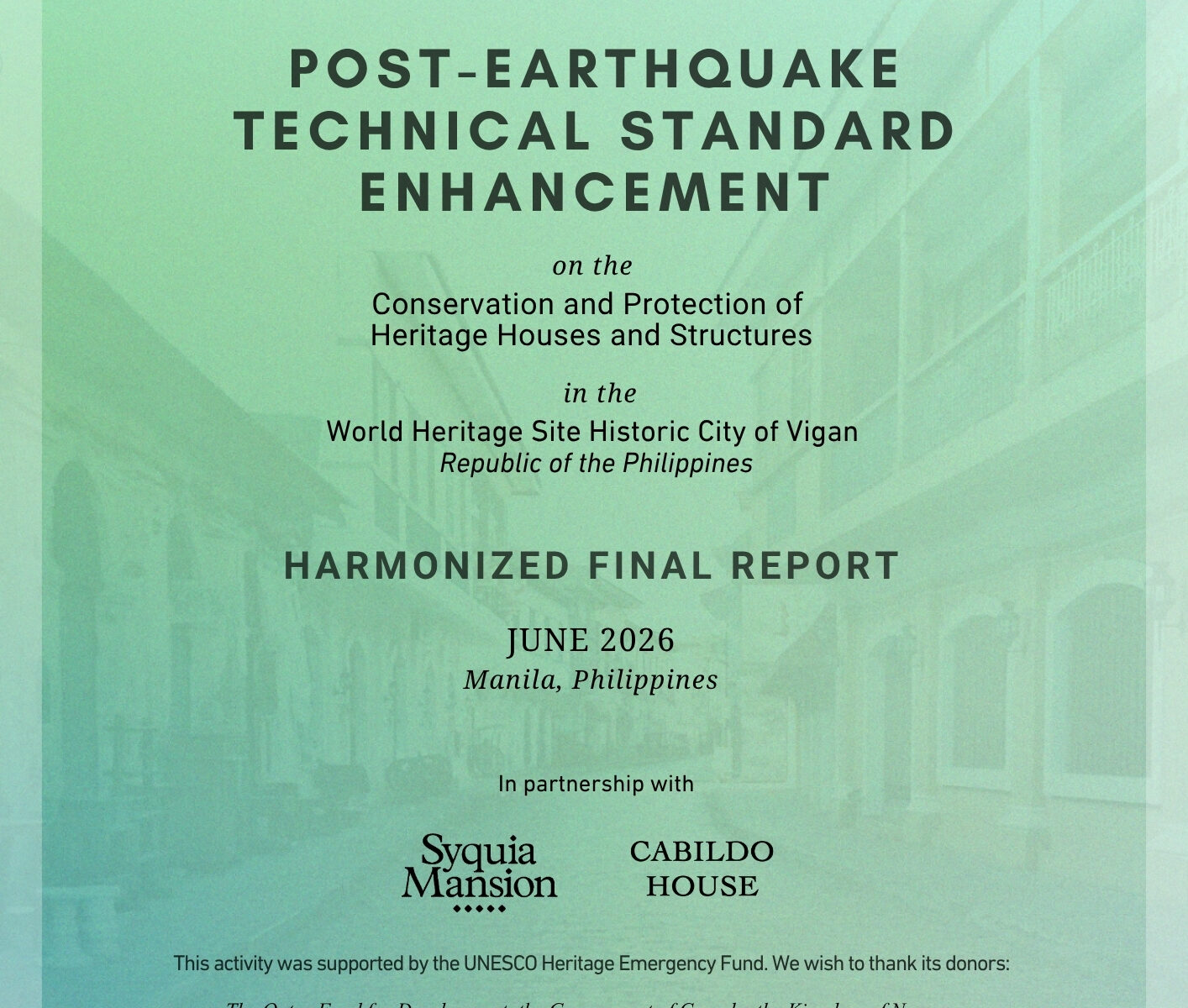
MANILA, Philippines — After the initial report on the damage assessment of the World Heritage Site of the Historic City of Vigan [Post-Earthquake Damage Assessment of Vernacular Building in the World Heritage City of Vigan [PEDAVBV],” UNESCO granted a Heritage Emergency Fund (HEF) for the Post-Earthquake Technical Enhancement of Standards for the Conservation and Protection of Ancestral Vernacular Houses of Vigan that was officially launched on September 14, 2023.
The content of this report resulted from the first Heritage Emergency Fund project in the Philippines. Conservation Expert Teams were tasked to enhance repair and restoration modalities for the vernacular ancestral houses and recommend technical standards enhancement, and there were also in-kind contributions that were performed to supplement the effort towards Vigan’s recovery.
To access the chapter report please download each file below.
Chapter 1 of the report is called “First UNESCO Heritage Emergency Fund (HEF) Project in the Philippines.” This section explains the objectives of the report, presenting the general introduction of the assignment as well as scope and project delimitations. It contains the strategic project framework on awareness raising, knowledge sharing, and collective application.
It also presents the stakeholders involved – the project management teams and expert teams’ delegation, organizational chart, calendar, and a chronological timeline of activities and milestones achieved.
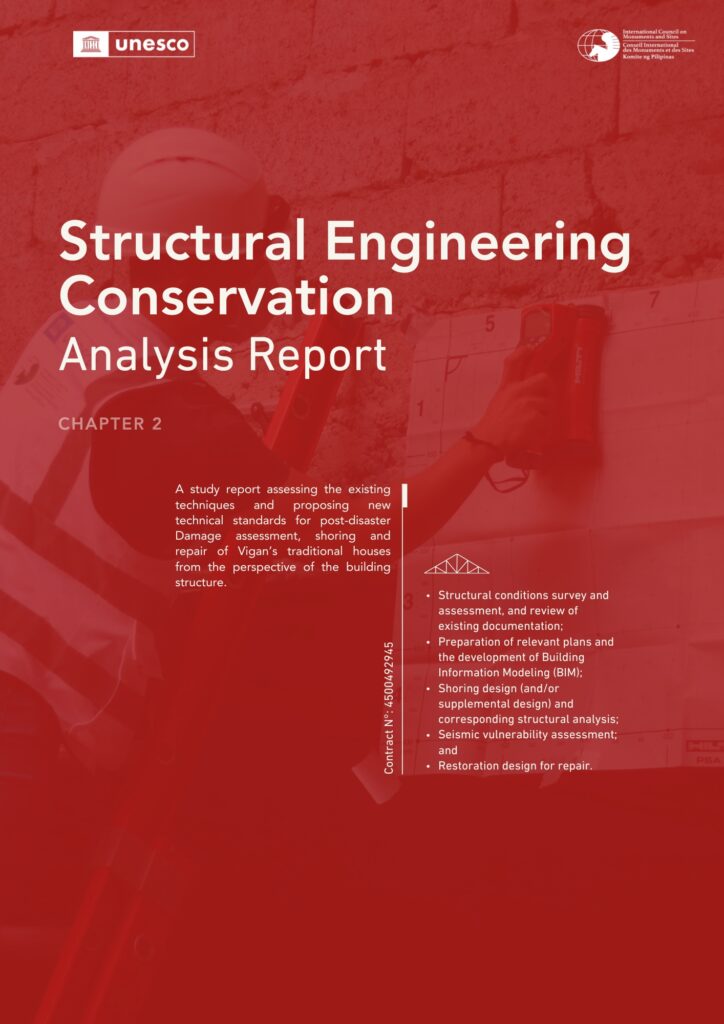
Chapter 2 is the analytical report of the Structural engineering Conservation. This assessment included performing a comprehensive structural investigation, including material testing and characterization, evaluating the structure, and proposing a restoration design based on the evaluation results and conservation principles. Using the results of the assessment, strengthening measures and repair are proposed.
Moreover, the assessment addresses structural safety concerns for damaged areas by providing a shoring design.
Chapter 3 of this report documents the Architectural Conservation Analytical Report. Highlights of this section of the report are the morphological analysis of the two pilot sites. Utilizing remnant design features, and architectural and structural components, the Architectural Conservation Team was able to forensically reconstruct the evolution of the two houses: its materials, design, and construction techniques.
Comparatively, this analysis considers the typologies of Filipino houses termed Bahay na Bato to the versions found in Vigan. This study also aims to analyze the kinship networks and ownership of these houses and how that affected their massing, form, function, and use.
Chapter 4 details the analytical report on the Materials Conservation investigation of two ancestral houses, emphasizing the importance of studying construction materials for effective restoration. This ensures compatibility, minimal intervention, and reversibility while respecting original materials and ensuring security, protection, and disaster risk management.
Understanding materials helps conservators find suitable replacements. Specialists in timber and masonry conservation, along with a forester, a materials scientist, and a chemist, began their studies in October 2023, and this report presents the results from their onsite visits and lab tests.
Chapter 5 outlines the addendum for the Heritage Homeowner’s Manual of the Historic City of Vigan. This update incorporates suggested technical standards, assessment findings, and the assigned team’s research methodologies. To gather more data for the manual, team leader Dr. Fatima Nicetas Alonzo co-led a project with Dr. Linda Shetabi and Ms Michelle Chelsea Ho from The University of Hong Kong (HKU),
where local team members and 21 faculty facilitators from the University of Northern Philippines (UNP) guided 104 students grouped in 15 teams in documenting 15 heritage structures damaged in the July 27, 2022 earthquake.
Chapter 6 details the Capacity Building Program and Awareness Raising activities that took place on March 11 – 13, 2024 in Vigan, organized by the Pontifical and Royal University of Santo Tomas Graduate School – Center for Conservation of Cultural Property and Environment in the Tropics (USTGS-CCCPET), the Training-Workshop Team of the project. As part of this report is a letter to UNESCO Jakarta that details activities until May 2024;
this is a summary of all the lectures, workshops, programs, and discussions which includes outputs, insights, and recommendations. This section has the following content: project title, technical details, description of activities, highlights, issues and recommendations/ideas, program brochures, and master list of participants with gender disaggregation and affiliation. As part of the project programming, the Local Manual Review (HCLMRE) Team organized a Town Hall Meeting with local stakeholders and homeowners at Tadena Hall, UNP. Furthermore, the USTGS-CCCPET held a series of lectures and training workshops on Vigan as a World Heritage Site which covered Vigan’s history, design, building materials, hazard vulnerabilities, and conservation strategies. Workshops by Master Mason Shiela Soliveres and Master Carpenter Elvin Alexon Ferrer at the Vigan Conservation Complex, provided by the local government, taught local participants like homeowners, contractors, and craftsmen how to handle traditional materials used in Vigan. These activities helped participants understand the conservation process and gain practical skills for conserving the heritage site.
Chapter 7 is a Disaster Risk Management Plan for Culture Heritage (HDRM) for Vigan. A disaster risk management plan for Vigan focuses on protecting and preserving the site against natural and human-made hazards. This plan includes assessing vulnerabilities, implementing early warning systems, and developing emergency response protocols to ensure rapid and effective action during disasters.
It also involves training local communities and stakeholders in disaster preparedness, conducting regular drills, and integrating traditional knowledge with modern techniques for site conservation. Additionally, the plan emphasizes the importance of collaboration with government agencies, non-governmental organizations, and international bodies to secure resources and support for ongoing risk reduction and recovery efforts.
Chapter 8 is a summation of the major project documentation and visibility outputs. Major project documentation and visibility outputs include detailed reports, visual records, and public presentations showcasing the project’s progress and results. These outputs ensure transparency and accountability, featuring comprehensive assessments, photographs, and videos of key activities.
Public exhibitions such as those tied with the closing ceremonies, press releases, and social media updates helped increase awareness and engagement among stakeholders and the wider community.
Chapter 9 reports donations or in-kind contributions for the HEF VIgan Project. In-kind contributions provided valuable resources and services without monetary exchange, significantly aiding projects and initiatives. For the UNESCO Emergency Fund, in-kind contributions from individuals, organizations, and partners were crucial in the recovery of Vigan after the earthquake.
These contributions varied and included investigation, expertise, lectures, and workshops, among others, which were essential towards the restoration and preservation efforts in Vigan. By supplying professional services, and volunteer work, these in-kind contributions augmented the project’s outputs, paving the way towards a more efficient recovery process. Their importance cannot be overstated, as they not only filled funding gaps but also fostered community involvement and ownership, ensuring that the conservation efforts were both comprehensive and sustainable.
Chapter 10: Closing Ceremony Summary Report. This portion of the report includes the summary of the closing ceremony activities that took place at Tadena Hall at the University of Northern Philippines at the World Heritage Site of the Historic City of Vigan on August 12, 2024. This momentous event provided the opportunity for all stakeholders, participants, and in-kind contributors to the HEF Vigan Project to celebrate its milestones and accomplishments in person and online in a hybrid session.
Eighty persons composed of homeowners, masons, carpenters, local and national government, in-kind contributors, partners, the academe, and the HEF team attended the ceremony. Individuals or representatives of organizations were asked to give a few words about the project’s impact and significance. The conclusion of the project marks the shared commitment to conserving the cultural heritage of Vigan. However, this event does not conclude the activities for the recovery of Vigan; from the HEF Vigan Project, testing and investigations and recommendations are available for use to rehabilitate damaged buildings still remaining.
Chapter 11 describes the initial project funded by the UNESCO Heritage Emergency Fund in the Philippines that had a clear goal: to enhance the conservation efforts for Vigan’s historic houses following an earthquake. With UNESCO Jakarta and ICOMOS Philippines at the helm, the project aimed to support Vigan’s recovery journey.
Experts from ICOMOS Philippines used a comprehensive set of principles and developed recommendations to improve technical standards and bolster the country’s preparedness for future disasters. These guidelines are designed to be flexible, catering to the specific needs of each heritage site. The overarching aim is to elevate conservation practices nationwide, ensuring a sustainable approach to preserving our cultural treasures for generations to come.
The last chapter of the report, Chapter 12, shares the Key Achievements and Milestones of the First UNESCO Heritage Emergency Fund Project in the Philippines. This chapter brings all of the activities together describing in detail the impact that the project had on the recovery of Vigan. Topics include mobilization of diverse, gender-sensitive, and intergenerational Expert Teams,
Technical Assessment and Conservation Standards Enhancement, enabling stakeholders through Capacity Building and Knowledge Sharing, Knowledge Sharing: Awareness-Raising towards Coalition Building and Collective Application, and centering Heritage as a Public Good to raise In-kind Contributions. A discussion of challenges and prospects for future emergency and related projects follows with an analysis of strengths, weaknesses, threats, and opportunities. Lastly in the third section, desirable outcomes and outputs on disaster risk management and post-crisis recovery are presented, reflecting on implementation of the fund – and how to bring continued recovery activities for the future.
In conclusion, the initiatives undertaken in response to the damage assessment of the Historic City of Vigan, supported by the UNESCO Heritage Emergency Fund, signify a significant step towards preserving and safeguarding cultural heritage in the Philippines. Despite inherent limitations and challenges, including governmental constraints and funding disparities, the project has created a multidisciplinary approach to conservation, encompassing structural, architectural, and materials assessments.
Furthermore, the integration of in-kind contributions and capacity-building lectures and workshops underscores the importance of community engagement and knowledge dissemination in ensuring the sustainability of conservation efforts.
Ultimately, the comprehensive achievements outlined in this report reflect a concerted commitment to enhancing conservation practices, reaffirming the significance of heritage as a collective endeavor for the benefit of future generations.
Batobalani sa Kabilin is a three-day safeguarding workshop under the Intangible Cultural Heritage of the Santo Niño de Cebu Devotion Project, implemented through the Kabilin Partnership between the Ramon Aboitiz Foundation Inc. (RAFI) and the International Council on Monuments and Sites (ICOMOS) Philippines. Drawing from the meaning of batobalani—a force that brings people together—the initiative celebrates the communities, cultural practices, and shared knowledge that sustain the Santo Niño devotion’s intangible cultural heritage elements within its broader cultural ecosystem as practiced in heritage sites. Through research aggregation, safeguarding planning, multi-stakeholder coalition building, education, interpretation, and community engagement, Project Batobalani seeks to strengthen this living heritage and support its transmission to future generations.
Across three days, the Batobalani sa Kabilin Workshop demonstrated that safeguarding is not merely about documenting traditions but about strengthening the relationships, knowledge systems, institutions, and communities that sustain them. By bringing together practitioners, devotees, community organizations, scholars, government agencies, and heritage professionals, the workshop embodied the principle of the widest possible participation and laid the foundation for a more inclusive, community-driven, and sustainable future for the intangible cultural heritage of the Santo Niño de Cebu devotion.
The workshop was attended by a diverse group of stakeholders representing the many communities and sectors that contribute to the vitality of the Santo Niño de Cebu devotion. Participants included representatives from Basilica community-mandated organizations, partner barangays, local government units, museums and heritage interpretation centers, academic and research institutions from Cebu and Leyte, image bearers and caretakers of devotional images, Sinug troupe culture bearers, craft artisans, tourism officers, sectoral representatives, and devotees. Their presence reflected the broad cultural ecosystem that sustains the devotion and affirmed the importance of collaborative safeguarding grounded in community participation in heritage sites and settings.
The organizers also extend their heartfelt appreciation to the Kabilin Youth Partners, a dedicated group of volunteer third-year students from the University of the Philippines Cebu College of Communication, Art, and Design Communication Program. Throughout the workshop, these young heritage advocates provided invaluable support in documentation, ensuring participant welfare, and logistics. Their enthusiasm, professionalism, and commitment to cultural heritage demonstrate the vital role of youth in safeguarding living traditions and ensuring that the values, knowledge, and practices associated with the Santo Niño de Cebu devotion continue to be appreciated and transmitted to future generations.
The team of Project Batobalani gratefully acknowledge the partnership and support of Ramon Aboitiz Foundation Inc. (RAFI), ICOMOS Philippines, and Casa Gorordo Museum. The workshop was made possible through the generosity of its venue partners and hosts: Cebu City Museum, Basilica Minore del Santo Niño de Cebu, and The Kabilin Center Open Space. We likewise extend our appreciation to the UNESCO Philippine National Commission and the National Commission for Culture and the Arts (NCCA) for enriching the workshop through their keynote sessions and contributions to the ongoing conversation on safeguarding living heritage in the Philippines and Asia.
International Council on Monuments and Sites – ICOMOS Philippines
RAFI – Ramon Aboitiz Foundation Inc.
Casa Gorordo Museum
Cebu City Museum
Basilica Minore del Santo Nino
The Kabilin Center
UNESCO-Philippine National Commission
National Commission for Culture and the Arts
UP Cebu College of Communication, Art, and Design – CCAD
Communicators of UP
Keynote Speakers and Panel Discussants:
UNESCO National Commission, Secretary General – Dr. Ivan Anthony Henares
UP Cebu CCAD Faculty and ICOMOS Member-Workshop Convener – Dr. Laya Boquiren Gonzales
National Committee on Monuments and Sites Member, National Commission on Culture and the Arts and UP Los Banos Faculty – Berniemack Arellano (MS Geography)
Cavite Historian and ICOMOS Member- Phillip Medina (Phd Candidate, UP Diliman History)
Cultural Worker and Anthropologist- Nestor Horfilla
Chief, Program Management Division,
National Commission on Culture and the Arts – Renee Talavera
CHAC Commissioner and Conservation Architect – Ar. Melva Java
Historian, PhD University of Navarra and University of Asia and the Pacific Professor of History – Dr. Svetlana Camacho
Cebu Normal University Assistant Professor – Ian Dale Rios
Manila, Philippines — Building on the National Commission for Culture and the Arts (NCCA)’s Petition to Declare the Pasig River as a National Cultural Treasure and the earlier Focus Group Discussion and Preliminary Stakeholders Meeting held on April 8, 2026, a Stakeholders Consultation was convened on May 25, 2026 at the Manila Metropolitan Theater Grand Ballroom, bringing together a broad spectrum of heritage advocates, local government representatives, academic institutions, business groups, conservation organizations, and cultural stakeholders.
Organized by ICOMOS Philippines and the Heritage Conservation Society (HCS), the consultation served as a key platform for advancing the discourse on the Pasig River’s declaration as a National Cultural Treasure (NCT), underscoring its role as a heritage corridor central to Philippine history, identity, and urban development.
In his opening remarks, ICOMOS Philippines President Dr. Cheek S. Fadriquela emphasized the Pasig River as a vital cultural and historical landscape that shaped the growth of Manila and the nation. Describing it as the “builder of Manila,” he highlighted its historic function as a center of trade, movement, and community life. He stressed that while ongoing rehabilitation and development remain essential, equal priority must be given to recognizing the river’s cultural and heritage value as a living repository of memory, identity, and shared history.
One of the convenors, Atty. Mark Evidente then presented the research foundation of the petition, outlining the river’s historical, architectural, spiritual, cultural, and social significance. He underscored its connection to early Philippine history, including its association with the Laguna Copperplate Inscription, and its role in the development of early commerce in Manila. Framing the river as a multidimensional cultural landscape, he emphasized its intersections with urbanism, spirituality, transportation, commerce, and community life, and articulated four key arguments supporting its declaration as an NCT: its foundational role in national history, its influence on urban form and civic architecture, its cultural and social significance in shaping identity, and its outstanding cultural value warranting formal recognition.
A structured stakeholder feedback session followed, allowing participants to reflect on their personal and institutional connections to the river, raise concerns about the petition, and articulate hopes for its future. Common themes emerged across sectors, including improved public access to the river, biodiversity restoration, revival of water-based transportation, stronger heritage protection frameworks, and cautious scrutiny of infrastructure projects perceived to threaten the river’s ecological and cultural integrity.
Representatives from the Philippine Coastal Storage & Pipeline Corporation highlighted the Pasig River’s historic role as a transportation and logistics artery connecting key urban landmarks such as Jones Bridge and McArthur Bridge. They stressed that any restoration effort must go beyond heritage appreciation and include urgent attention to sanitation, sewage management, waste control, and human settlement issues, noting that improved water quality would directly enhance the quality of life for surrounding communities.
Discussions further emphasized ecological restoration, with stakeholders advocating for the reintroduction of mangroves, aquatic vegetation, and biodiversity-supportive interventions inspired by successful river rehabilitation models abroad. Participants noted that such efforts could contribute to flood mitigation, enhance public green spaces, and strengthen community engagement with the river. The dialogue also revisited the river’s historic role in connecting settlements such as Santa Ana, Manila and Taytay, with calls for improved and sustainable water-based transport systems to reduce congestion and restore navigability.
Maritime heritage was also highlighted through the intervention of Art Valdez, who discussed the Voyage of the Balangay initiative and its goal of reviving Filipino maritime consciousness. He emphasized that Philippine waterways once functioned as essential national highways for trade and mobility, and noted that despite modern navigational challenges, river journeys continue to demonstrate the Pasig River’s enduring cultural and historical relevance. Participants further suggested that direct river experiences for local leaders could deepen appreciation of its condition and potential.
The consultation also addressed governance and policy directions, with Atty. Evidente acknowledged the complexities of translating the petition into law. He emphasized the need for adequate resources, political will, and coordinated implementation across national and local governments, supported by zoning plans, ordinances, and context-specific heritage policies. He clarified common misconceptions about heritage conservation, noting that it does not imply rigid preservation but rather adaptive planning approaches such as heritage zoning, buffer zones, and integrated urban development strategies that allow local government units to define the river’s significance within their own contexts.
Further discussions explored heritage districts, archaeological potential, adaptive reuse, and urban identity, with participants identifying historical settlements, civic centers, churches, plazas, and institutional structures linked to the river. An archaeologist Mr. Arturo Joseph Tablan III from the Intramuros Administration underscored the importance of archaeological research in heritage interpretation, a point supported by Atty. Evidente, who noted that significant portions of Philippine riverine history remain underexplored and warrant systematic study.
Concerns over large-scale infrastructure proposals, including PAREX, were strongly raised, with stakeholders urging that any development affecting the river be evaluated not only for mobility outcomes but also for its ecological, hydrological, and heritage impacts, including effects on tributaries and esteros.
The consultation concluded with remarks from Ar. Giuseppe Luigi Abcede, HCS President who emphasized that Philippine history cannot be separated from the Pasig River. He stressed that the river is deeply intertwined with the nation’s art, culture, heritage practice, urban planning, and mobility, and underscored that the initiative to declare it a National Cultural Treasure represents a broader national effort to recognize and protect its enduring role in shaping Filipino identity and collective memory.
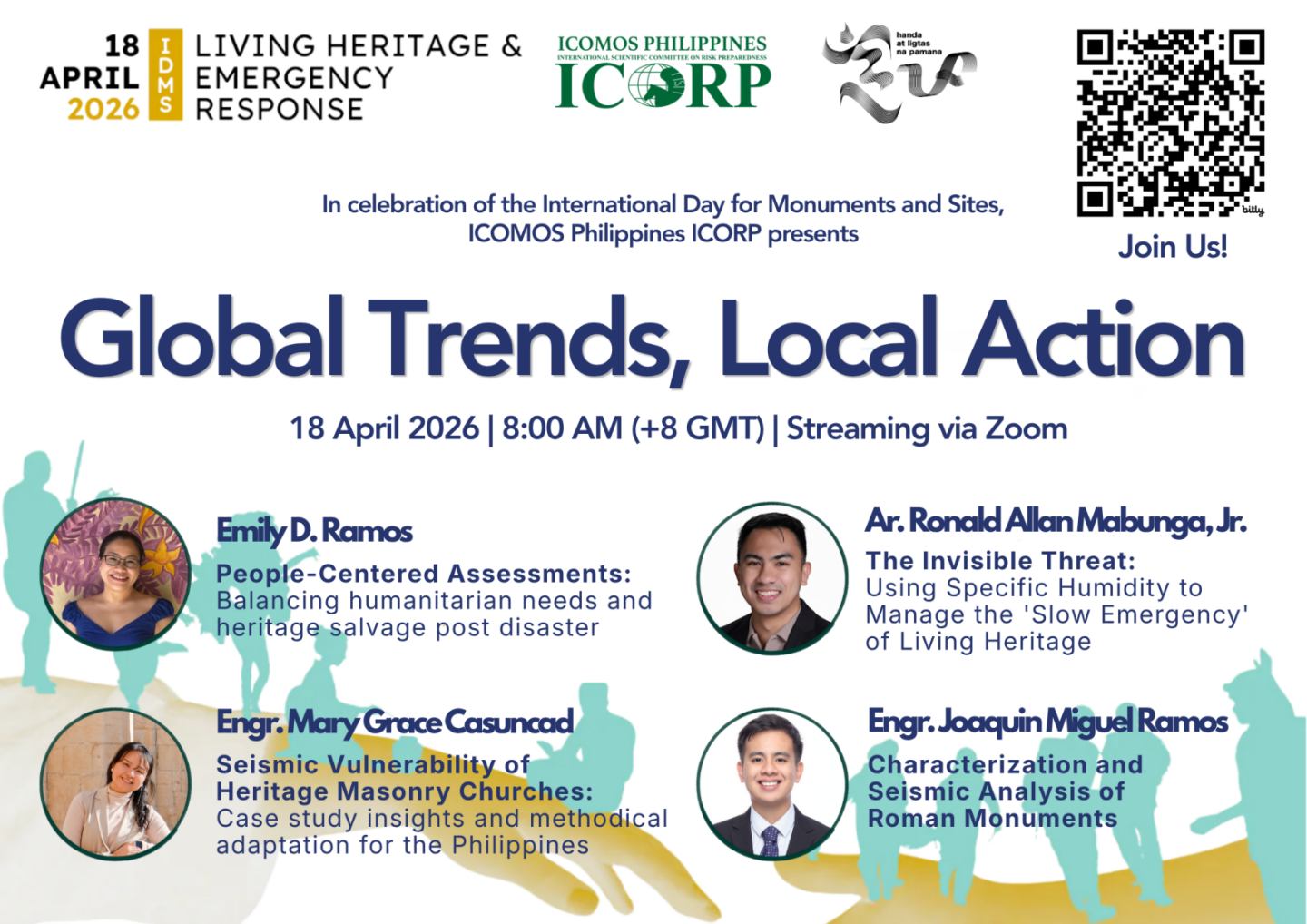
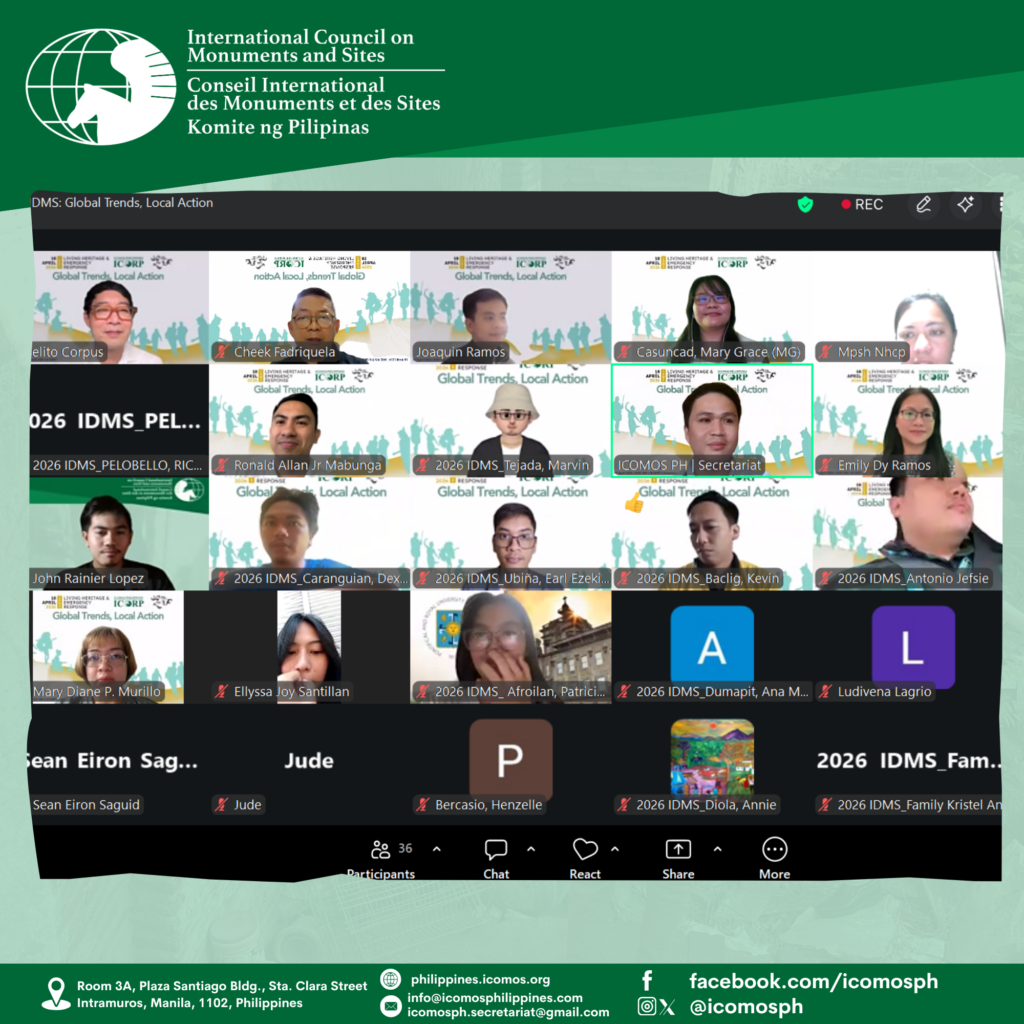
As the world marked the International Day for Monuments and Sites, the conversation around preserving the past took on renewed urgency. On April 18, 2026, ICOMOS Philippines ICORP brought together voices from across disciplines in a virtual forum titled “Global Trends, Local Action,” spotlighting the realities faced by heritage sites in an increasingly uncertain environment.
Behind every centuries-old church, ancestral home, or cultural landscape lies more than just stone and structure. It holds memory, identity, and continuity. This idea shaped much of the discussion, as experts emphasized that conservation must move beyond physical preservation. A key theme that emerged was the need for people-centered approaches, especially in post-disaster contexts where communities and heritage are deeply intertwined. Protecting heritage, speakers noted, also means supporting the people who give it life.
ICOMOS Philippines President Dr. Cheek Fadriquela emphasized the importance of collective action and shared responsibility, noting that the presence of participants from various sectors reflects a common commitment to heritage work rooted in collaboration and shared knowledge. He highlighted that heritage extends beyond monuments to include people, traditions, and communities, while drawing attention to increasing risks such as disasters and rapid development. He further stressed that in the Philippine context, there is a need to remain proactive, responsive, and innovative, grounding global insights in local realities.
The forum featured a diverse lineup of speakers who shared both practical and technical insights. Emily D. Ramos discussed people-centered assessments, focusing on balancing humanitarian needs with heritage conservation in post-disaster scenarios. Ing. Ar. Ronald Allan Mabunga, Jr. examined the “invisible threat” of humidity and how managing it is key to addressing the slow deterioration of living heritage. Meanwhile, Engr. Mary Grace Lim Casuncad presented on the seismic vulnerability of heritage masonry churches, offering case study insights and methodological adaptations for the Philippine setting. Engr. Joaquin Miguel Ramos complemented this with a discussion on the characterization and seismic analysis of Roman monuments, providing comparative perspectives for structural conservation.
Yet not all threats arrive with force. Some, like humidity, work quietly in the background. Described during the forum as a “slow emergency,” prolonged exposure to moisture gradually weakens materials and places heritage structures at risk over time. In a tropical country like the Philippines, this challenge is both constant and often underestimated, prompting calls for more proactive and localized conservation strategies.
At the same time, the forum did not shy away from more immediate dangers. Discussions on seismic vulnerability highlighted the fragile condition of many heritage masonry churches in the country. By drawing comparisons with international case studies and sharing technical analyses, speakers underscored the importance of integrating scientific methods and structural assessment into conservation practices.
Organizers emphasized that while global frameworks continue to guide heritage work, solutions must be grounded in local realities. No single approach fits all, and effective conservation depends on collaboration across disciplines, sectors, and communities.
The successful conduct of the forum was made possible through the support and leadership of the ICORP Head, Mr. JH Corpus, whose efforts helped bring together experts and participants for this timely exchange. In the end, the forum served not just as a space for dialogue, but as a reminder that heritage protection is an ongoing responsibility. As risks evolve, so too must the ways we safeguard the stories and spaces that define who we are. – John Rainier Lopez