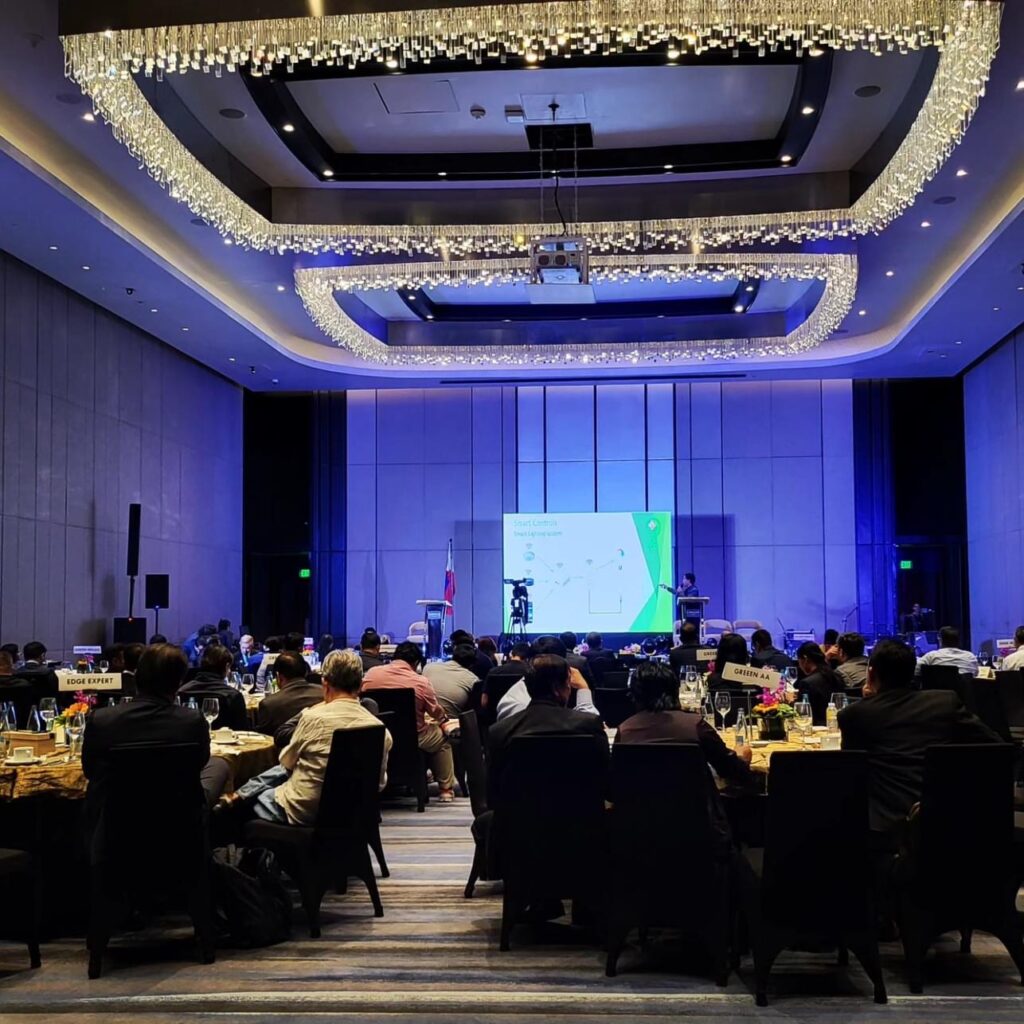
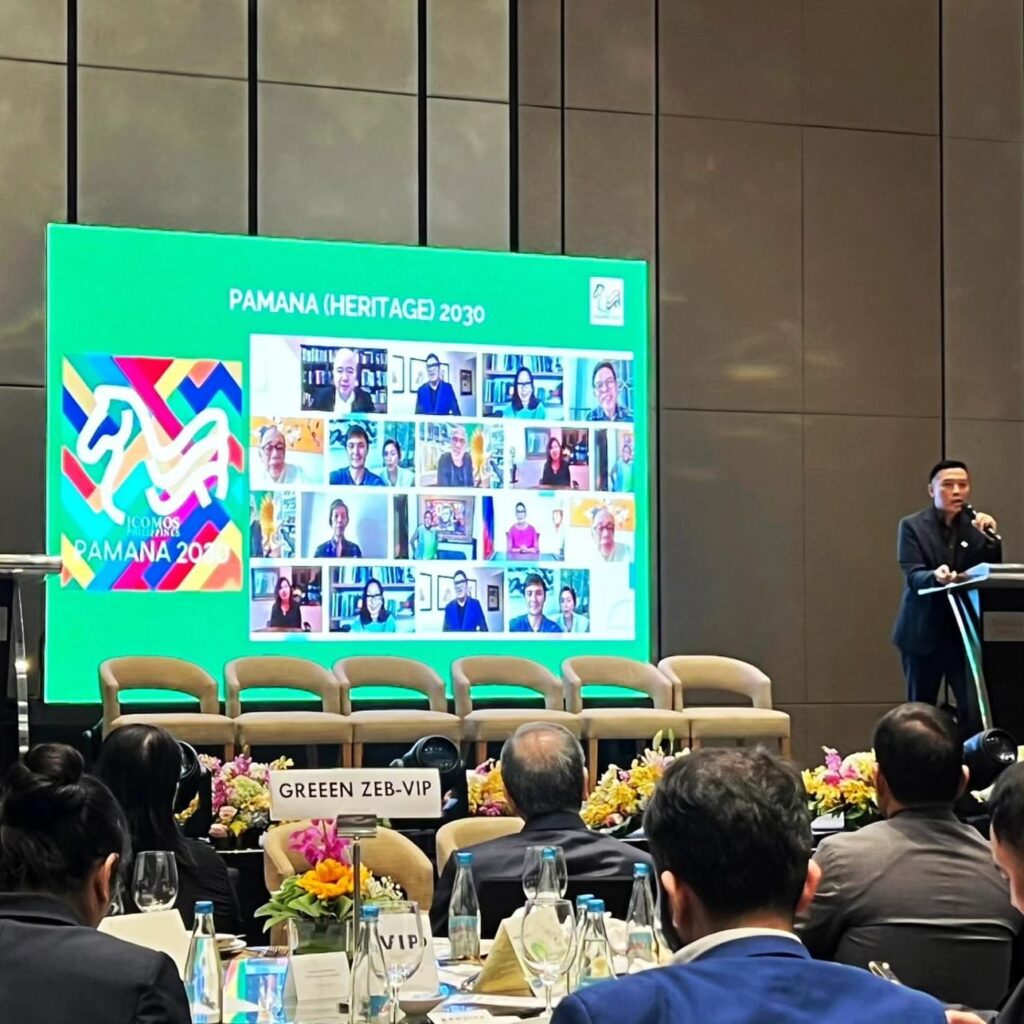
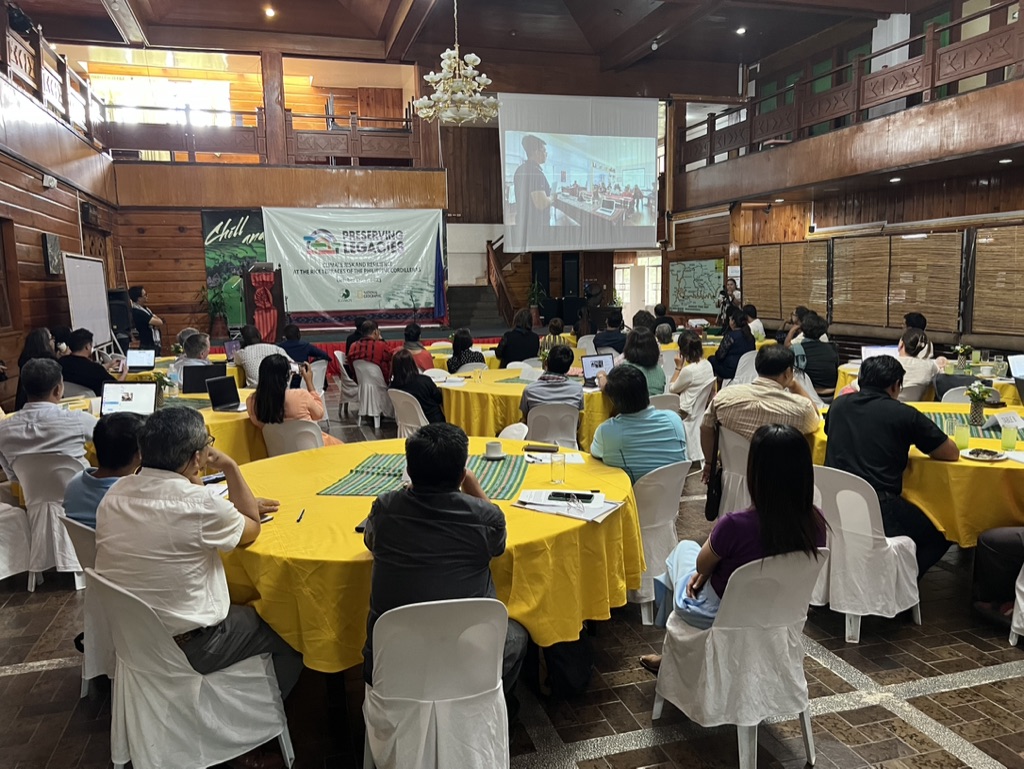
On November 10, 2023 the Philippine Green Building Initiative (PGBI) held a conference entitled “Beyond Green: Transcending Green Summit.”
Ar. Giuseppe Luigi Hernandez Abcede introduced the first cluster of speakers. ICOMOS Focal Point to the United Nations’ Sustainable Development Goals (SDGs), L. Ar. Gabriel Victor Caballero gave a brief overview on what entails sustainable practices. He focused on design and planning— whether it was in heritage conservation practices, local culture, compliance to Sustainable Development Goals, or in circular economies such as furniture design.
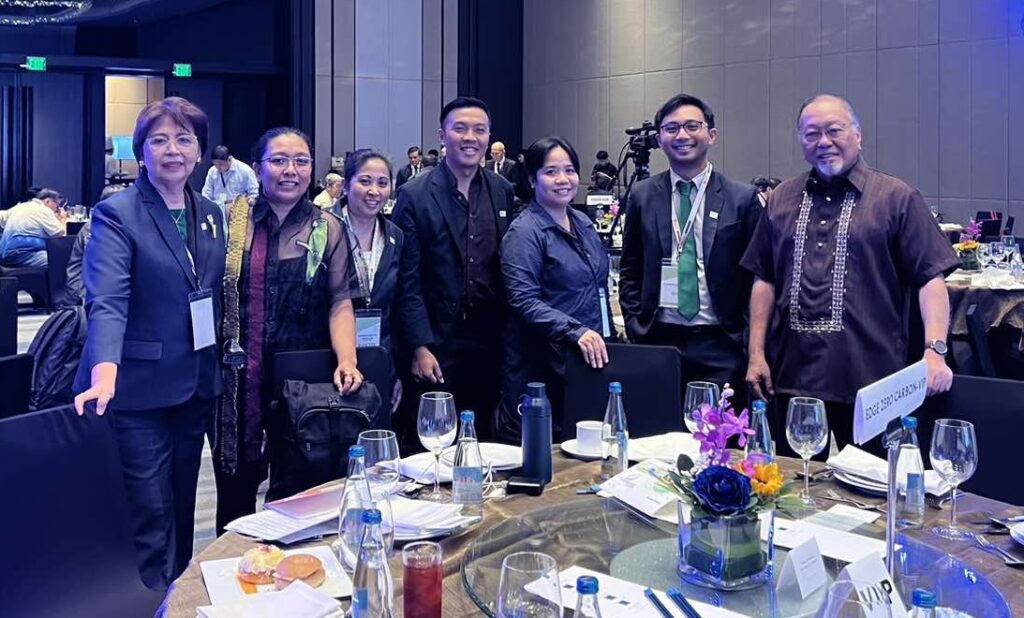
Representing PIID, ICOMOS, HCS (the 1st cluster of speakers) respectively. IDr. Lilia De Jesus, IDr. Willie Garcia, Ar. Michaela Rosette Santos-Tayag, L. Ar. Gabriel Victor Caballero, EnP. Denise Lagrosa, Ar. Giuseppe Luigi Hernandez Abcede, Ar. Dinky von Einsiedel
En. P. Denise Lagrosa remarked, “The conference was well represented by professionals who are practicing energy efficiency, sustainability, green design, heritage and culturally sensitive methods from the engineers, architects, urban planners, cultural heritage professional, master plumbers, air-conditioning systems specialists, and fire protection, among others.”
Dr. Cheek Fadriquela, ICOMOS President, delivering remarks during summit
Along with ICOMOS Member L. Ar. Gabriel Victor Caballero, Ar. Giuseppe Luigi Hernandez Abcede and En. P. Denise Lagrosa, Ar. Michaela Rosette Santos-Tayag (long-time member of PGBI) and Ar. Michael Angelo Liwanag, ICOMOS Ph’s /representative to the Philippine Green Building Initiative, were also in attendance.
ICOMOS Philippines is a partner and fellow organizer with PGBI for the Beyond Green summit.
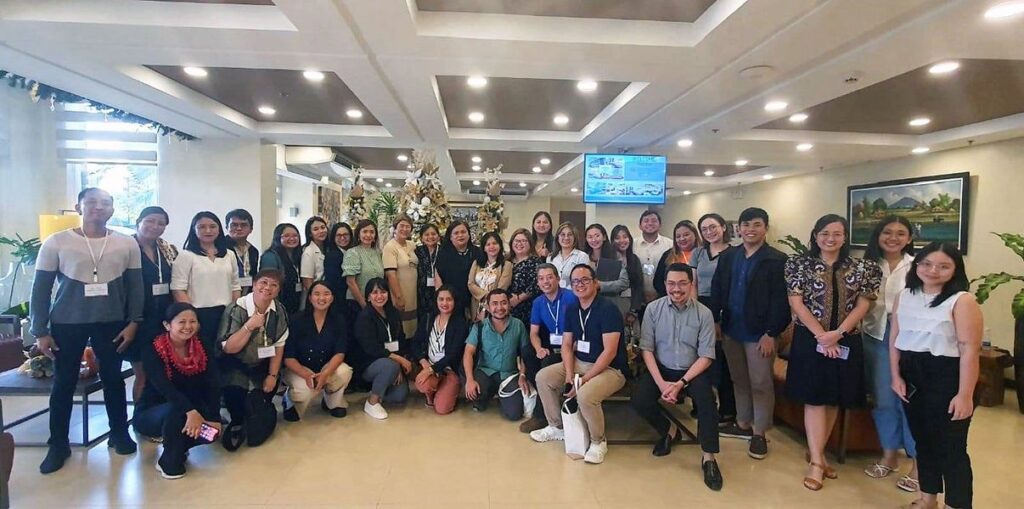
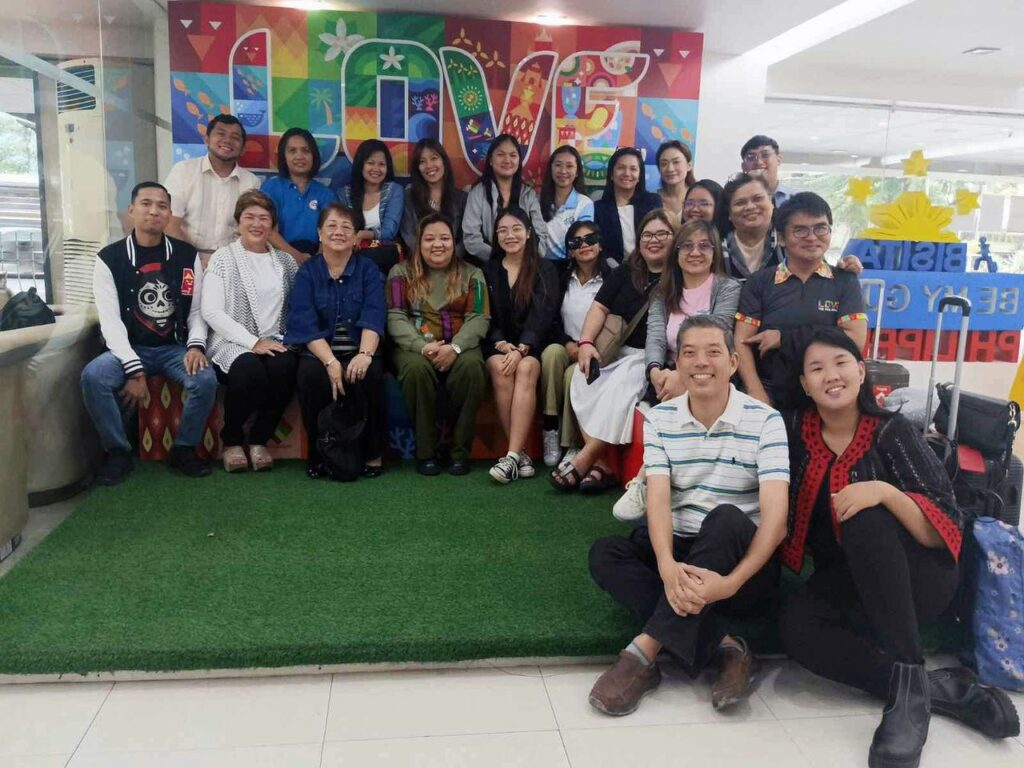
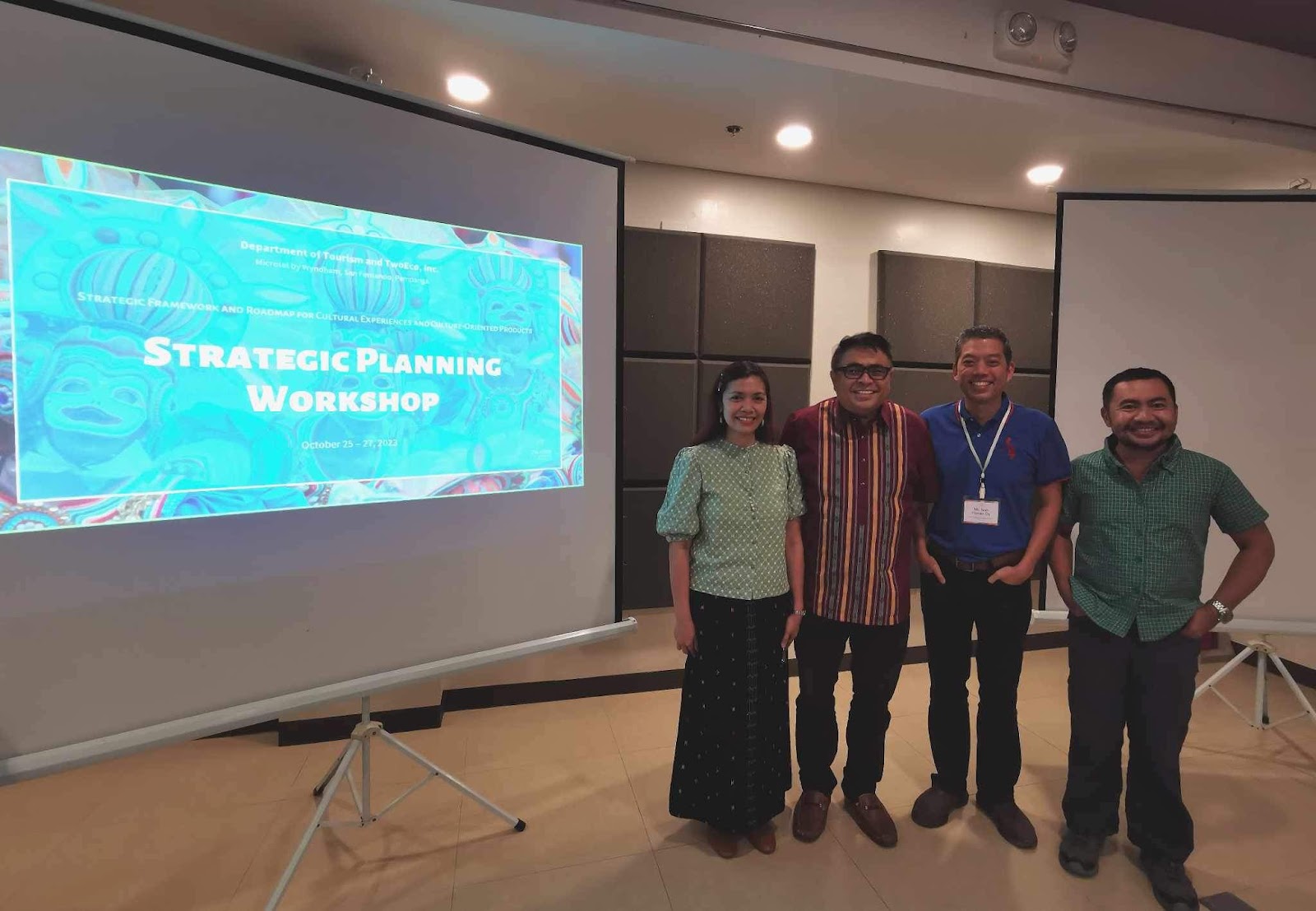
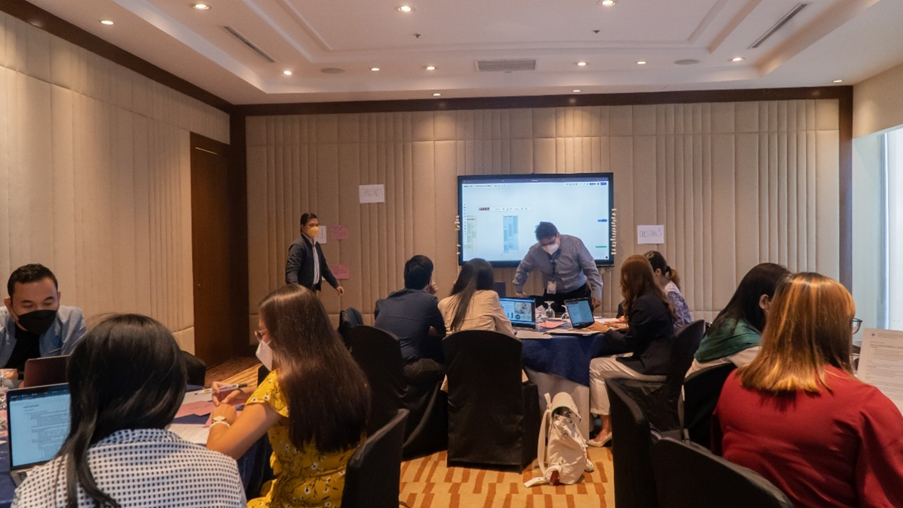
The Department of Tourism, the Product Planning and Development Division of the Office of Product and Market Development conducted a Strategic Planning Workshop for the Creation of Roadmap for Cultural Experiences and Culture-Oriented Products on October 25 to October 27 in Pampanga.
ICOMOS Philippines participated in this three day workshop that was intended to collect and understand the opinions and perspectives of stakeholders for cultural tourism in the Philippines and to use this information to develop a framework and roadmap for the future of cultural tourism in the country. Although ICOMOS does not have any direct involvement, there are members who are part of the cultural tourism committee.
The new National Tourism Development Plan for 2023-2028 has cultural tourism as an important and robust economic driver. Part of the workshop defined what the concept of cultural tourism is and how that plays into the latest trends for tourism around the Philippines. Cultural tourism takes many forms such as pilgrimages, appreciating indigenous traditions and material culture, and purchasing tourism-oriented products.
During the conference, Dr. Ivan Henares delivered a talk on the ICOMOS Cultural Tourism Heritage Charter, and Dr. Laya Boquiren-Gonzales delivered a presentation on cultural sensitivity. ICOMOS Philippines member Ivan Man Dy was also in attendance.
The DOT and ICOMOS Philippines have worked together to promote and preserve the many cultural resources around the country, ensuring that these cultural resources receive the attention that they deserve.
Let’s protect and promote our diverse cultural heritage together.
For more information on ICOMOS Philippines ➡️ info@icomosphilippines.com
Preserving Legacies is a global initiative supported by the National Geographic Society and funded by Manulife to address climate change. Climate change is the fastest growing threat to cultural – natural sites and the greatest danger to our planet’s most spectacular natural heritage today. One in three natural sites and one in six cultural heritage sites are threatened by climate change impacts like floods, droughts, and rising seas.
To safeguard cultural heritage, there is an urgent need to equip communities worldwide with the tools to accurately anticipate worsening and future climate impacts, and empower them with training to turn that scientific knowledge into action that will safeguard sites, support community adaptation, and plan for unavoidable loss and damage.
For the Preserving Legacies project, about eight sites globally are cadet sites; they have been chosen to fully engage in climate heritage training and a peer-to-peer learning experience. Site custodians from these sites will shadow the full process of pilot sites located at Jordan and the Philippines, including attending their workshops, to better prepare for their own assessments in 2024.
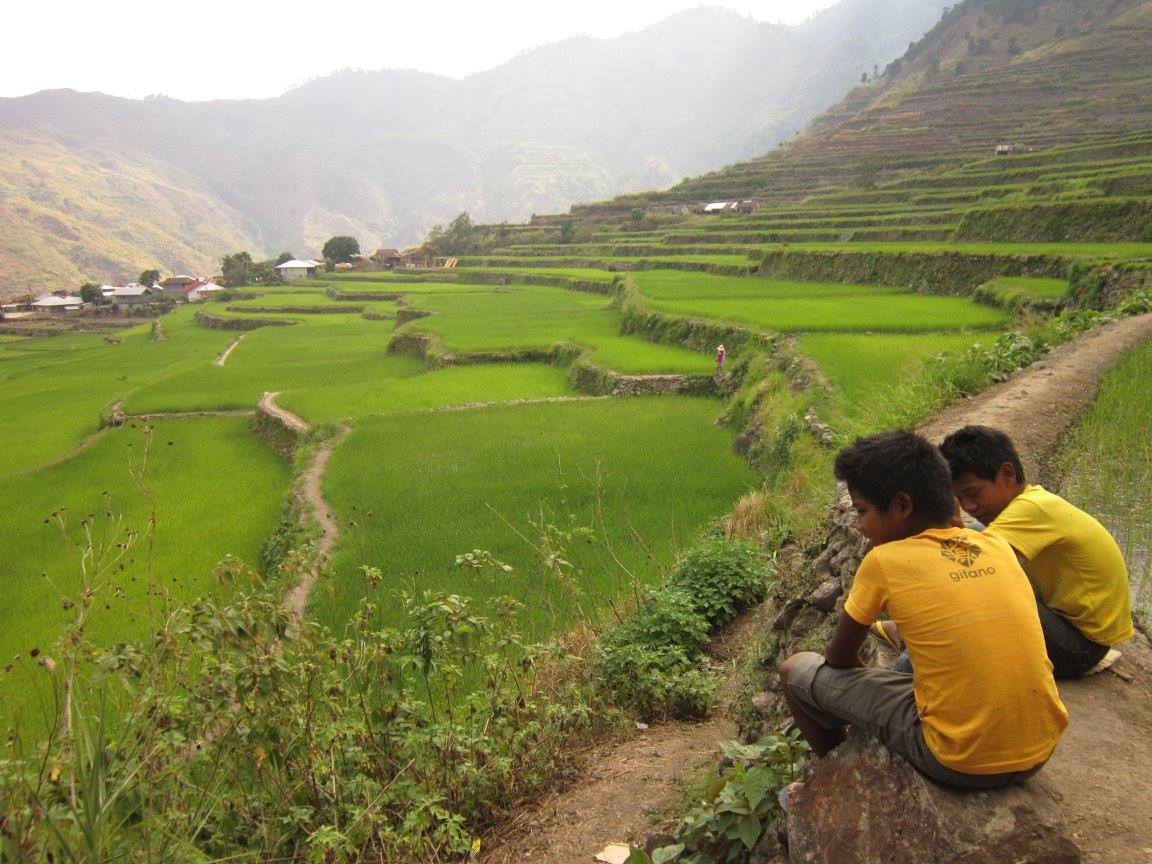
Two primary sites will go through a more robust program to link climate science and site conservation by enabling access to locally downscaled climate change models and organize a community-led workshop of the sites’ climate vulnerability as well as impacts on local communities. Petra, Jordan and the Ifugao Rice Terraces of the Philippines are the beneficiaries of the first program.
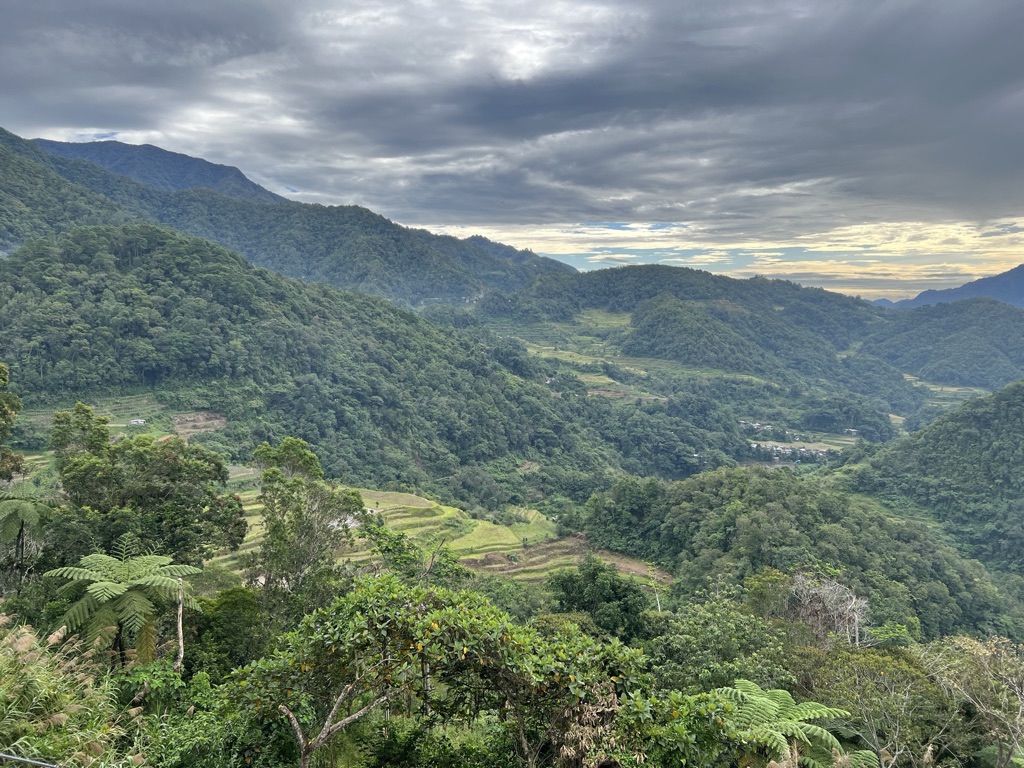
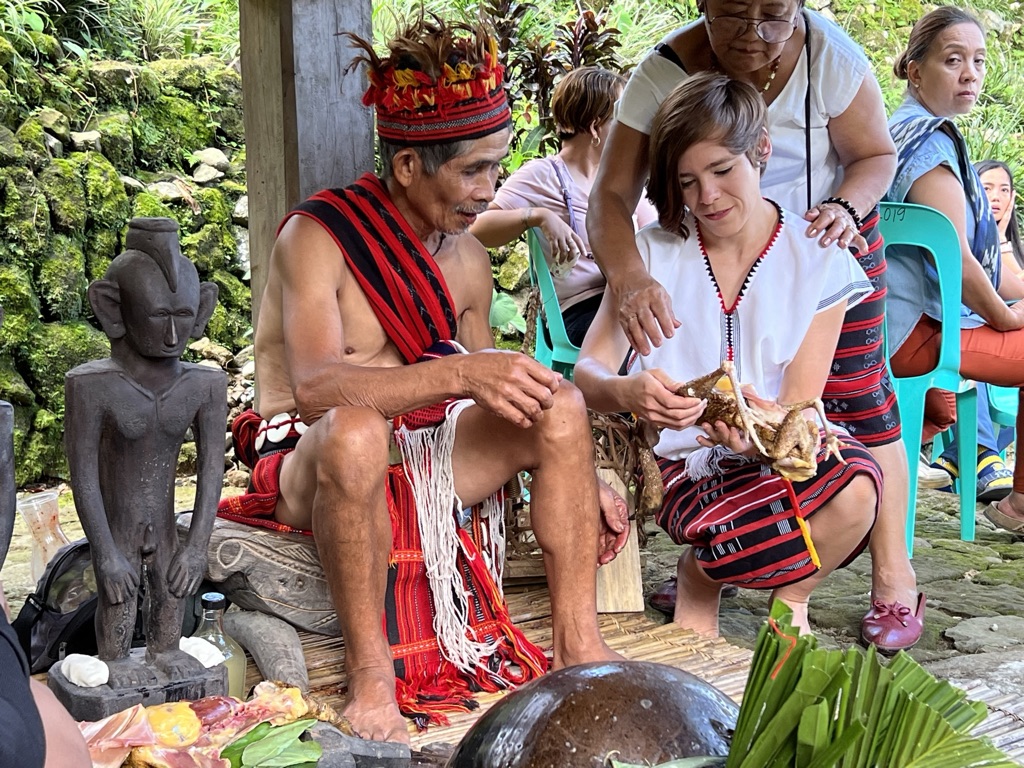
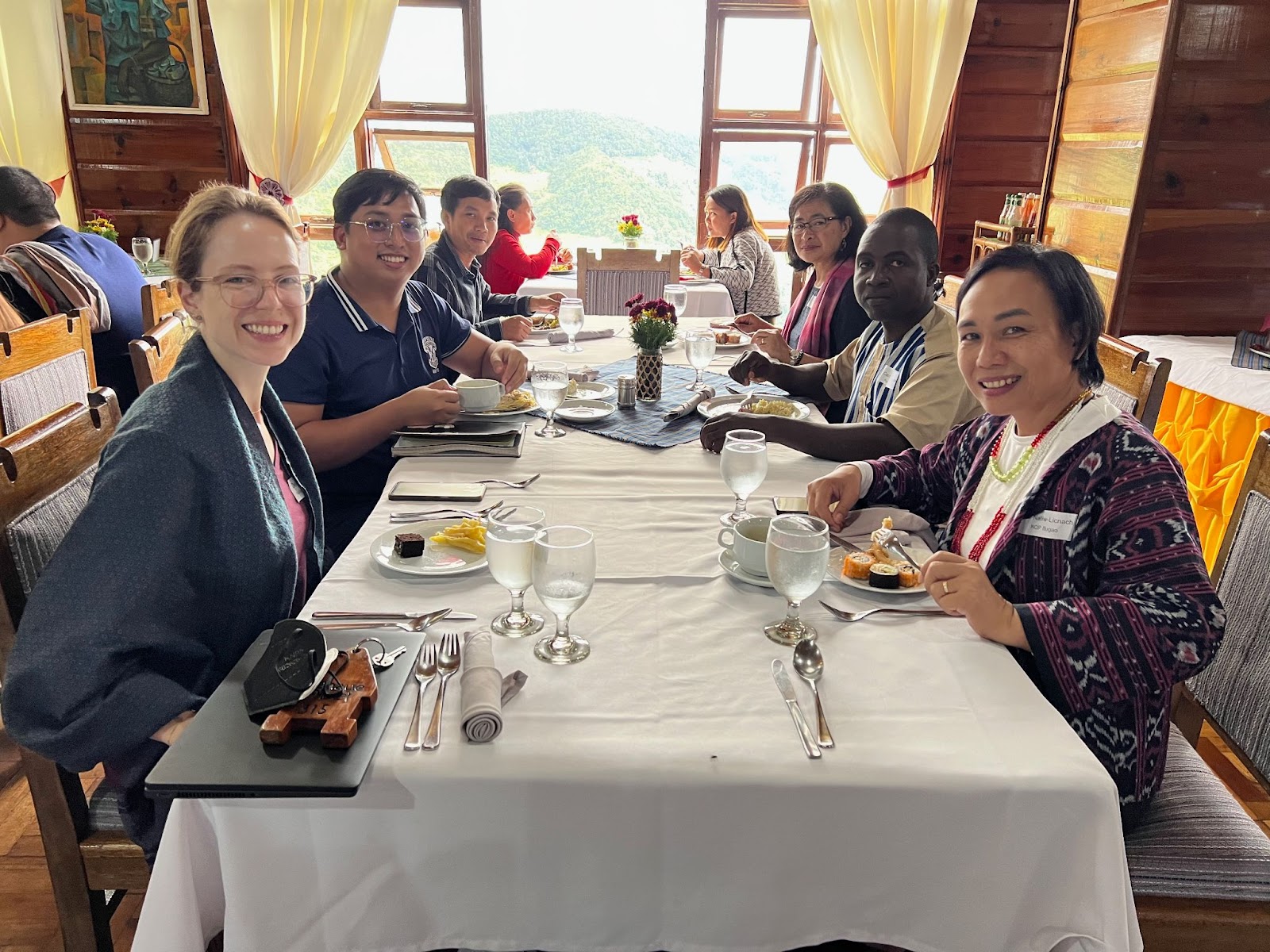
The Preserving Legacies leg for the Climate Risk and Resilience at the Rice Terraces of the Philippine Cordilleras conference was from October 11 and concluded October 13. Participants celebrated with the Kiangan rice harvest with eating, rituals, chants, and dancing, a site visit to the Nagacadan cluster of the Rice Terraces of the Cordilleras, presentations of the sites by farmers and local officials, lectures by Marlon Martin of the Save the Ifugao Terraces Movement (SITMo), a climate lecture by Dr. Ma Laurice Jamero, leader of the Resilience Collaboratory from the Manila Observatory, and roundtable discussions of the topics that were presented.
With the knowledge base of both the international site custodians and local Ifugao community, the conference has put forth comparative analyses of climate change around the world, presented suggestions for increased adaptation capacities and mitigation strategies, and recommendations for ways forwards for an environment that is sustainable and resilient.
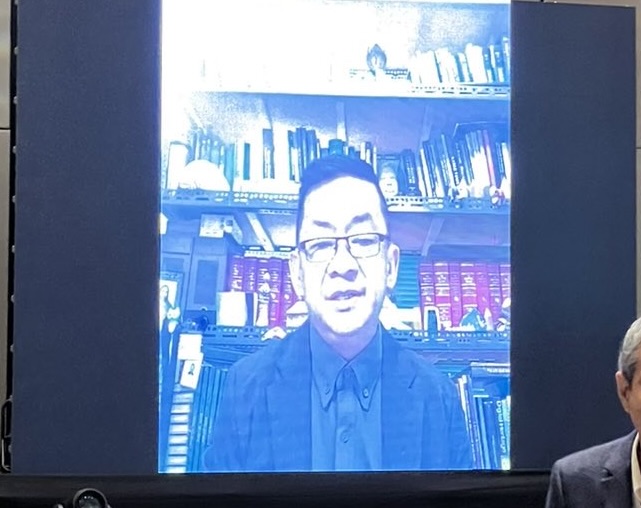
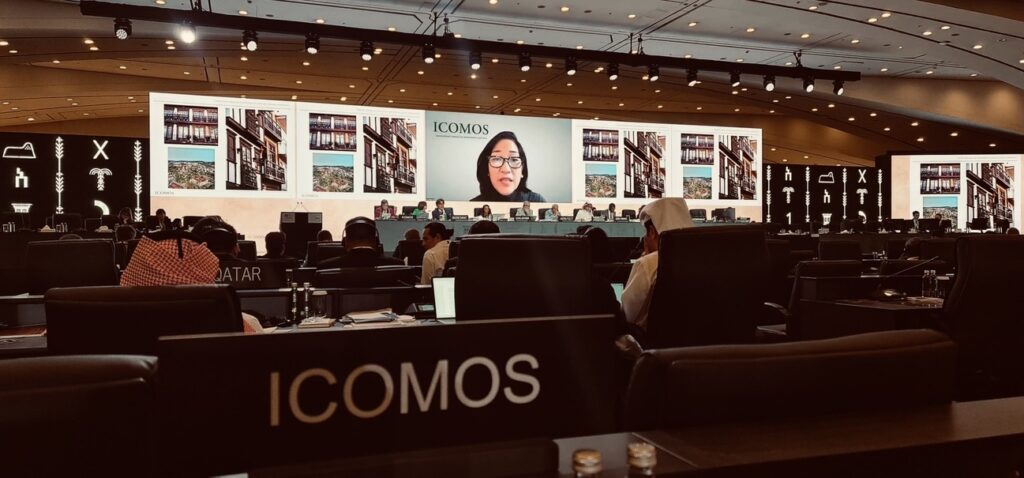
Annually, ICOMOS invites a global and multidisciplinary panel of heritage experts to assess each country’s nominations for World Heritage Sites. Among that panel was ICOMOS Philippines’ past president Tina Paterno, presenting via video the decision of the ICOMOS World Heritage Panel to inscribe Portugal’s Historic Centre of Guimarães and Couros Zone on the World Heritage List at the Extended 45th Session of the World Heritage Committee at the Riyadh, Kingdom of Saudi Arabia.
One of the most important steps in inscription to the World Heritage Site list is the advice that ICOMOS gives to UNESCO. Each work in tandem to process tentative inscriptions from desk reviews, to physical site visits and, if merited, to the final announcement for inscription.
For more information about the ICOMOS Philippines, please contact: info@icomosphilippines.com
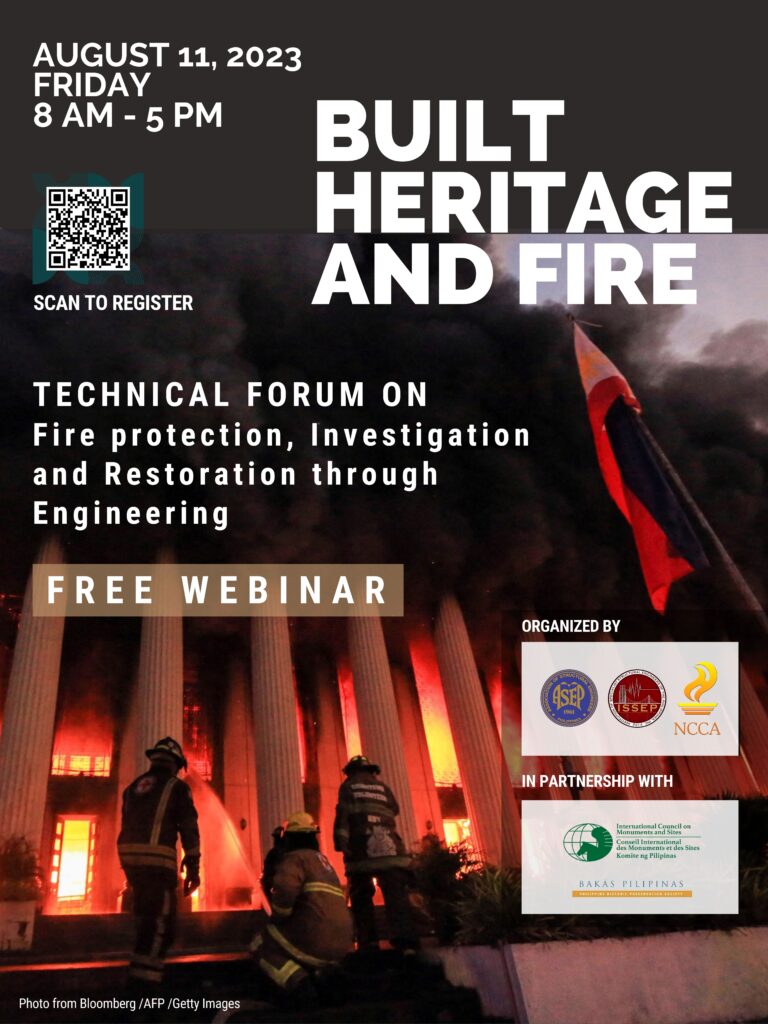
ICOMOS Philippines in cooperation with the Association of Structural Engineers of the Philippines (ASEP), the Institution of Specialist Structural Engineers of the Philippines (ISSEP), the National Commission on Culture and the Arts (NCCA), and Bakás Pilipinas, bring international and country-based experts for a hybrid Technical Forum on “Built Heritage and FIRE: Fire protection, Investigation, and Restoration through Engineering”.
The event will be held from 8:00 AM, Manila Time on August 11, 2023, Friday at the Metropolitan Theater of Manila (The MET) simultaneously streamed via online Zoom Conferencing Platform.
This forum intends to bring experts, professionals, and stakeholders to address the specific challenges and complexities associated with the Manila Post Office fire and fire-related incidents to built heritage, and develop possible strategies for its restoration. This also extends to addressing the concerns of fire risk management and restoration of cultural heritage in the country.
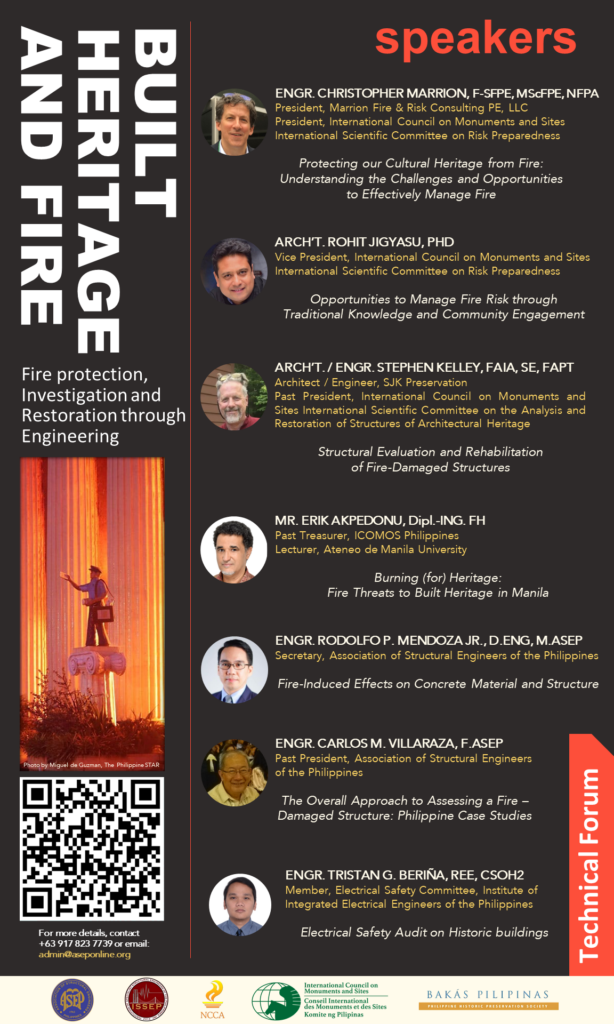
The Topics and Speakers are as follows:
Protecting our Cultural Heritage from Fire: Understanding the Challenges and Opportunities to Effectively Manage Fire by Christopher Marrion PE, FSFPE, MScFPE, President of Marrion Fire & Risk Consulting PE, LLC, and President of the International Committee on Risk Preparedness
Opportunities to Manage Fire Risk Through Traditional Knowledge and Community Engagement by Rohit Jigyasu, ICORP Vice President and UNESCO Chair on Cultural Heritage Management and Risk Management
Structural Evaluation and Rehabilitation of Fire-Damaged Structures by Stephen Kelley, SJK Preservation Architect/Engineer, ISCARSAH Past President
Burning for Heritage: Fire Threats to Built Heritage in Manila by Erik Akpedonu, Ateneo De Manila University, and ICOMOS Philippines Former Treasurer
Fire-Induced Effects on Concrete Material and Structure by Dr. Rodolfo P. Mendoza Jr., D.ENG, M.ASEP, ASEP Secretary
The Overall Approach to Assessing a Fire-Damaged Structure: Philippine Case Studies by Engr. Carlos M. Villaraza, F.ASEP, ASEP Past President
Electrical Safety Audit on Historic Buildings by Engr. Tristan G. Beriña, REE, Member, Electrical Safety Committee, Institute of Integrated Electrical Engineers of the Philippines
To participate via Zoom kindly register in this REGISTRATION LINK or use the QR code above.
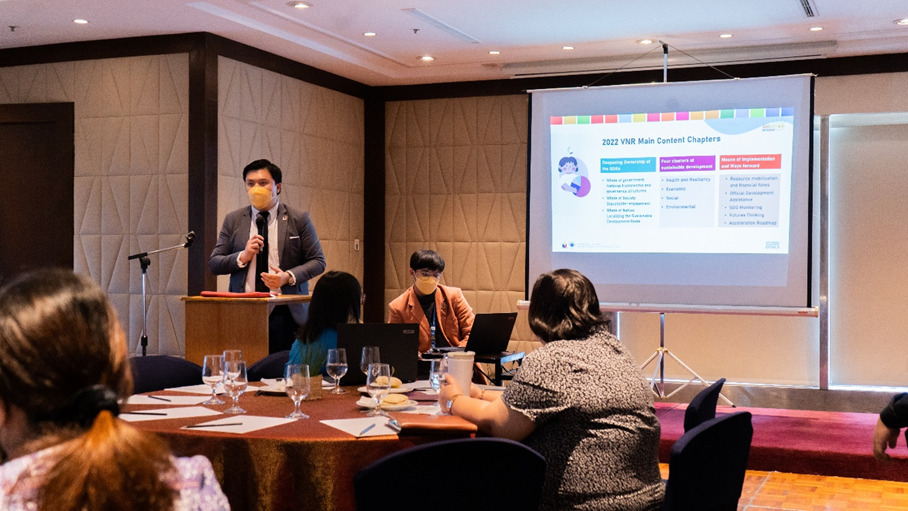
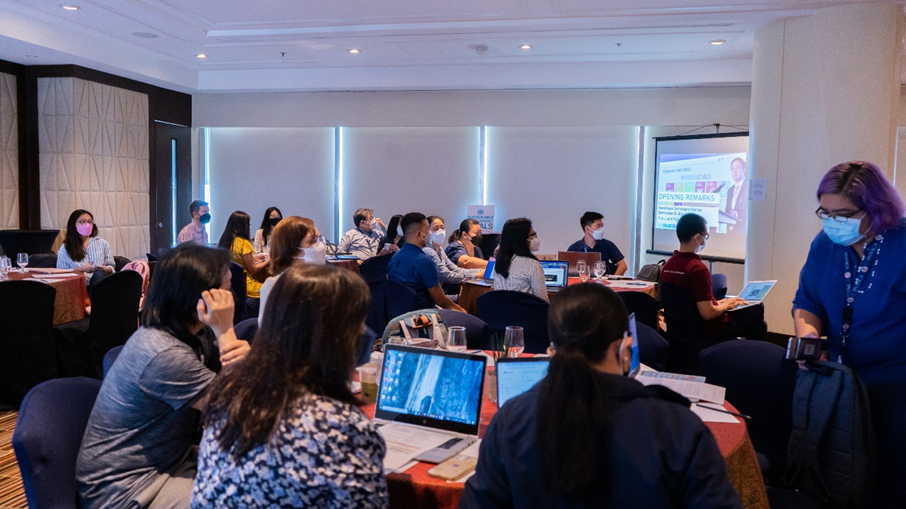
International Council on Monuments and Sites (ICOMOS) Philippines’s representative Dr. Laya Boaquiren – Gonzales participated in the 1st day of the Consultation Workshop on the implementation of the Sustainable Development Goals (SDGs) in the Philippines for the 2022 Voluntary National Review (VNR).
The Voluntary National Review (VNR) is a process through which countries assess and present progress made in achieving the 17 Sustainable Development Goals (SDGs) and the pledge to leave no one behind. The purpose of VNRs is to present a snapshot of where the country stands in SDG implementation, with a view to help accelerate progress through experience sharing, peer-learning, identifying gaps and good practices, and mobilizing partnerships.
The 1st day of the Consultation Workshops captured how the Philippines responded to the demands and challenges of the pandemic in the areas of education, gender equality, and environmental sustainability particularly on the following aspects:
a. Resource Mobilization and Financing. Address financing gaps in SDG implementation, and integrate planning and budgeting to ensure that resources are optimized and allocated for SDG-related programs, activities, and policies;
b. Localization. Develop communications for more effective stakeholder engagement at the subnational level;
c. Monitoring. Enhance accountability mechanisms to ensure proper data monitoring and reporting of SDG progress; and
d. Stakeholder engagement. Development mechanisms to harmonize efforts from different actors on the SDGs
Through the abovementioned aspects, three (3) workshops were divided to tackle the following: Challenges, Best Practices, and Lessons learned / Ways forward / Recommendations.
Photo from National Economic and Development Authority (NEDA)
Photo from National Economic and Development Authority (NEDA)
Photo from National Economic and Development Authority (NEDA)
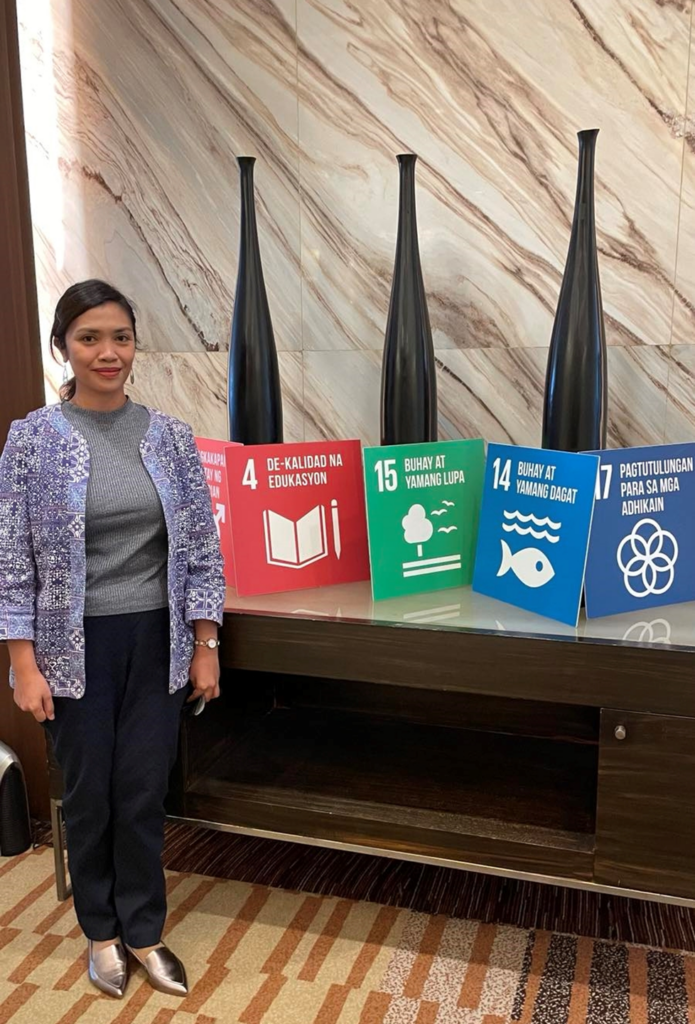
Photo from Dr. Laya Boquiren – Gonzales
Dr. Boquiren – Gonzales represented ICOMOS Philippines during the 1st day of the consultation workshops held last April 26, 2022, Tuesday, at Discovery Suites Ortigas, 25 ADB Avenue, Ortigas Center, Pasig City.
Dr. Laya Boquiren – Gonzales provided highlights of the 1st workshop:
“I joined the breakout session for non-government actors, where we highlighted our organization’s programs and projects on heritage education and capacity building. ICOMOS Philippines provides heritage education, continuing professional development, and internships — all with access to a network of international, national, and local specialists in heritage. Partnerships with organizations for skills-based training in heritage conservation, documentation, and restoration work (for job generation and poverty reduction) were also mentioned. That ICOMOS has a seat in NCMS makes it strategically positioned to contribute to collective efforts in attaining the SDGs.”
“The non-government actors of civil society organizations (CSOs) recommended that NEDA produce an AI-enabled platform to map out the efforts and beneficiaries of the CSOs that will be critical in monitoring the SDGs and helping one another streamline efforts in education for nation-building. We were also asked to identify challenges in resource mobilization and financing. We also recommended that since the government is duty-bound as an enabler, it should dedicate human resources to gather and consolidate data and reach out to government actors so that the resource mobilization issues we have identified will be appropriately communicated.”
Other present Stakeholders’ Chamber members were Philippine Partnership for the Development of Human Resources in Rural Areas (PhilDHRRA), Aboitiz Equity Ventures Inc., First Philippine Holdings Corporation, European Chamber of Commerce of the Philippines (ECCP) etc.
To know more about NEDA’s initiative, kindly visit bit.ly/SDGChamber
For more information on ICOMOS Philippines and SDGWG ➡️ (https://tinyurl.com/2sj8k3sb)
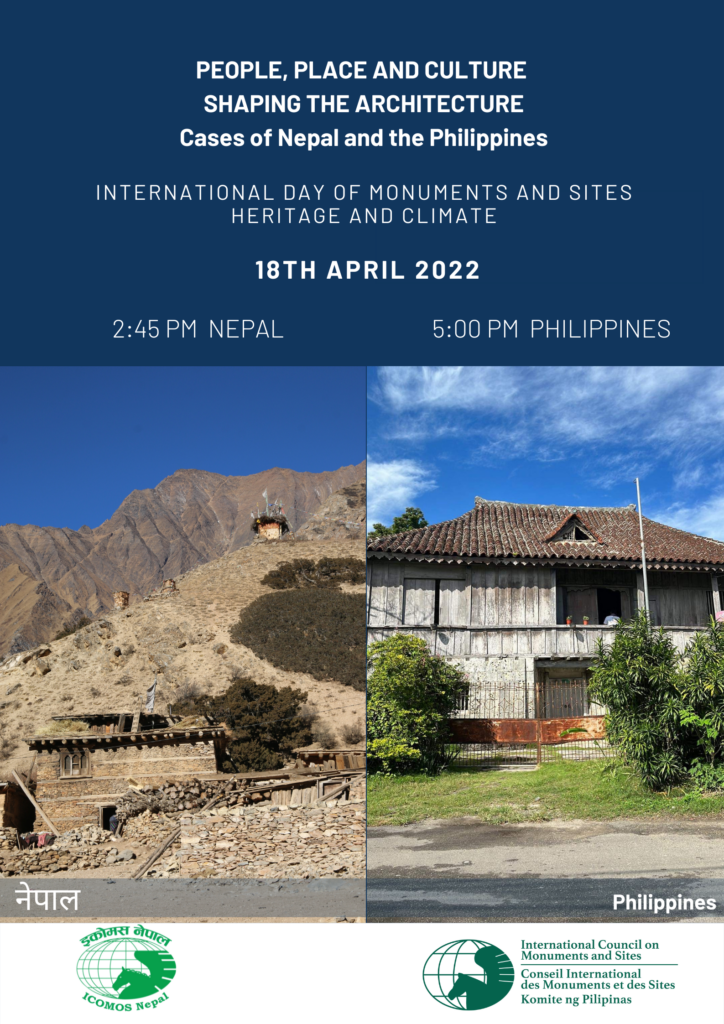
In celebration of the International Day for Monuments and Sites, ICOMOS Philippines and ICOMOS Nepal collaborate on a talk that explores how climate change affects each country’s vernacular heritage. As vernacular heritage is a product of local climate, topography, culture and locally available materials in the past, how will future climate hazards – changing temperatures, rainfall patterns, winds, drought, flash floods, wildfire, storm, landslide, etc., have a larger impact on the site?
Two cases from each country shall present how the place of origin, climatic condition and the culture of the people living in the area has shaped their architecture. The speakers discuss how the vulnerabilities might manifest (rising damp, changing landscapes, loss of roofing, for example), how sites have adapted to keep resilient, and what other interventions we should be planning for today to secure sites for the imminence of climate change.The talk will take place on Monday, April 18, from 5:00 PM to 6:30 PM.
In celebration of National Heritage Month, ICOMOS Philippines explores the theme of color. Color is a large contributing factor to its aesthetic value, and to a site’s authenticity- often evidenced by popular uproar when a historic site is restored with a different color.
ICOMOS Philippines examines color within the broader context of preserving authenticity in heritage. The materiality, symbology, and historic significance of color, from the global to local contexts will be discussed, including practical applications of restoration of colored renders and paint finishes.
Late May; Date & Time TBD
Leandro Poco gives a historic introduction of the historic significance of color in urban planning and architecture (e.g., use of color in Antiquity such as Greek and Roman statuary and temples, color schemes in Cycladic Islands, colors of Spanish-era colonial settlements such as Vigan, theory of Brutalist finishes, corporate identity color schemes, etc.).
This talk introduces the color and materiality of human settlements and cities using the lenses of history, contextual geography, and socio-economic conditions. It expounds on how color and materiality are not just forms of artistic expression, but, when combined with an understanding of underlying factors, have a deep cultural and contextual meaning that add depth to our understanding of the built environment. One can trace the thread of color and materiality as it starts out as a consequence of geographical context, achieving the height of craftsmanship and expression within local communities. This then moves into the commodification and homogenization of materials into the industrial age of international modernity, wherein increasing production, global trade, and post-ww2 ideologies bring about changes to production and the adoption of a more global (less local) identity. Leading into how the current age of mass market capitalism and branding, suburbanization and corporate enclavization of cities has led to the increased need for mass-customization of materiality and colors to stand out in a public sphere where brands and identity dominate for eyeballs and influence. The aim is to enlighten while presenting, enlightening, and poking fun at our pre-held conceptions on color in the urban sphere, and make us aware of the subtext of color and materials in our built environment.
Christian Aguilar gives an overview of the use of colors in history from Antiquity via the Middle Ages and the Renaissance and Baroque to the Present. He will then discuss materials (pigments, binders, and admixtures); application (surface treatments, layers, technique); and details (protection, maintenance). Aguilar discuss the use of colors in restoration projects (case studies of Sta. Ana Church, Pasig Church and San Agustin Churches; the Intramuros walls) and the challenges faced in the Philippines in implementing proper restoration practices. The talk will conclude with a brief overview of contemporary applications of colors in the Philippines discussing challenges and commonly made mistakes.
Erik Akpedonu will discuss the symbolism of colors in various cultures (e.g., mourning colors in East Asia, Europe, and West Africa) and their application in the built environments of, for example, in Europe and China (Feng Shui). He will discuss the psychology of color in Architecture and in Interior Design in particular, as well as the ecological aspect of proper color choice for ecologically-appropriate color schemes.
Color is a fundamental aspect of how we perceive our environment and has a profound impact on our psychological well-being. Given their powerful effects, colors the world over have been employed to symbolize specific concepts, ideas, and feelings, such as joy and mourning, power and purity, good and evil, aggression and peace, and many more. How colors are used in architecture varies from culture to culture, be it the manifold symbolic meanings of color in Chinese traditional architecture based on geomancy (Feng Shui); the vibrant colors of Bolivia translated into contemporary buildings, or the geometric patterns of sub-Saharan Africa. Perceptions of color are likewise influenced over time by notions of ideology, power, and manipulation, ranging from the colorful emotional extravaganza of the Baroque via the monochromatic rationality of Neoclassicism and the controversial color debates surrounding Classic Modernism up to the present free-for-all of Post-Modernism. Finally, our natural environment influences our choice of colors, be it the blue-and-white schemes of traditional Greek houses, the colorful dwellings of Scandinavia, or the earth tones of traditional clay architecture. Given its strong psychological and symbolic impact, colors also play a vital role in interior design, where they are used in a wide range of combinations to visually reduce or enlarge space, add or remove light, and create the desired ambience depending on the target audience. Finally, color`s physical aspects can be put to good use at a time when Global Warming increasingly calls for designs that use color to aid in passively cooling or heating buildings, creating a sustainable architecture for the 21st century.
Photo from National Economic and Development Authority (NEDA)
Photo from National Economic and Development Authority (NEDA)
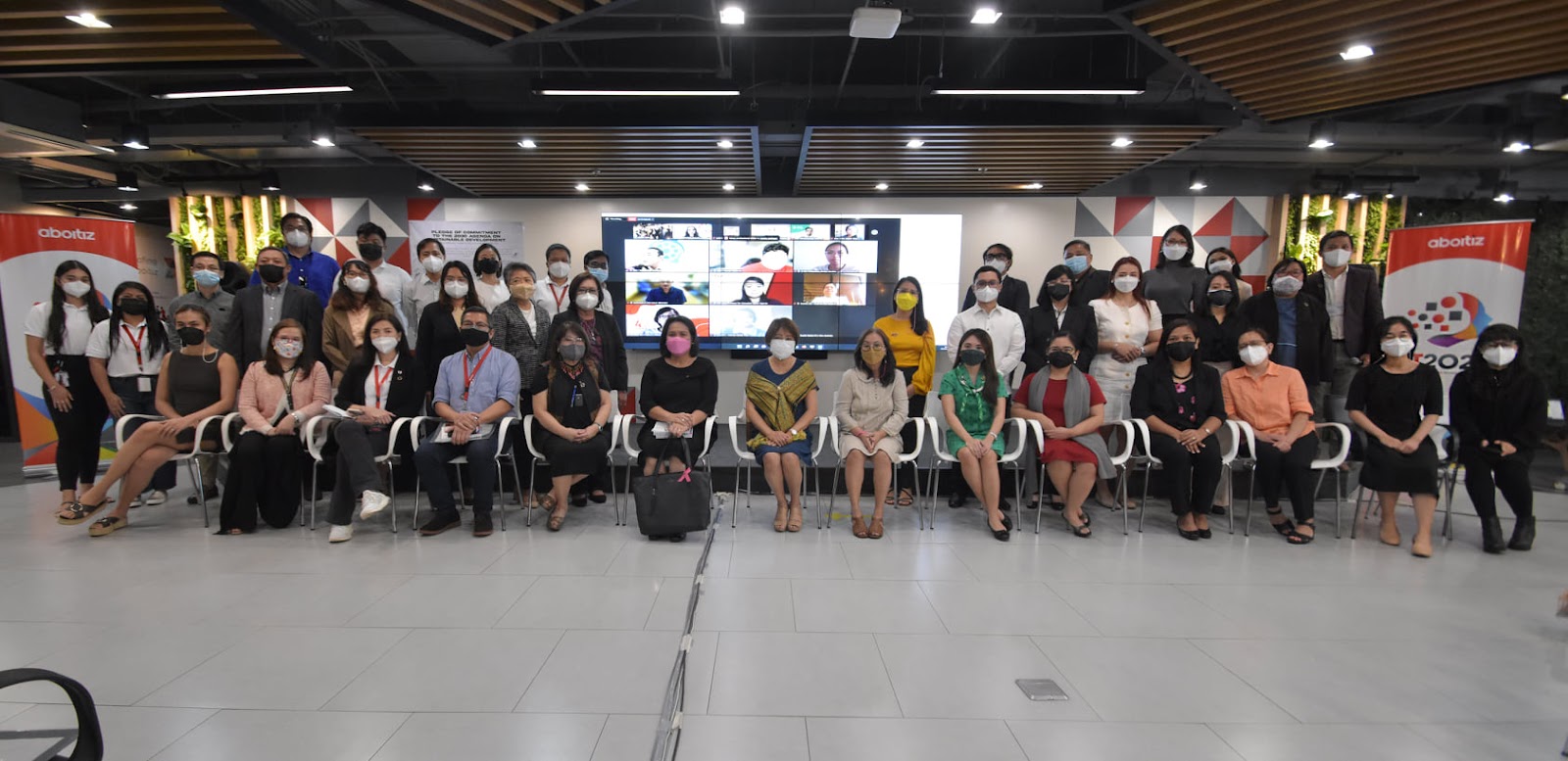
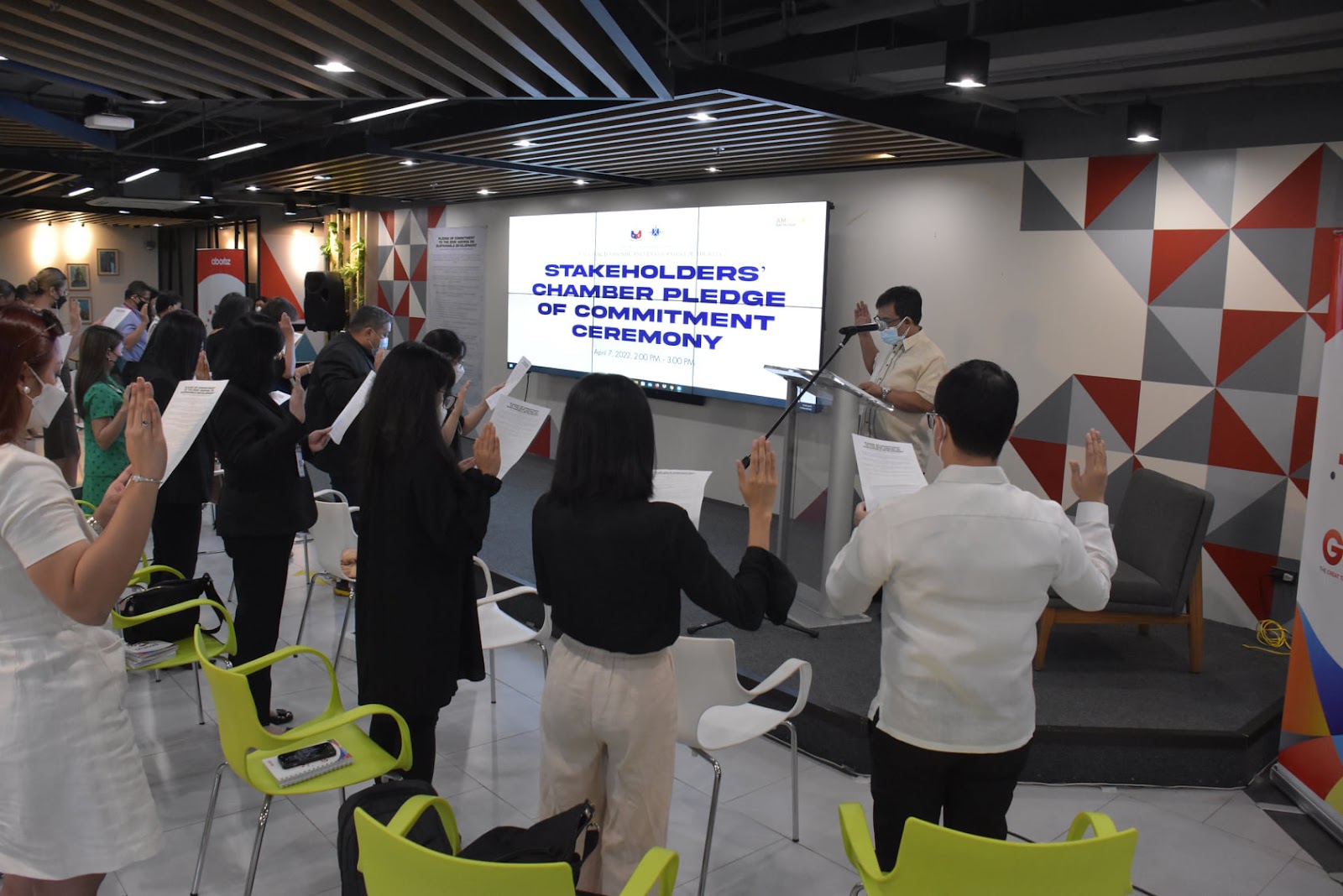
The International Council on Monuments and Sites (ICOMOS) Philippines has officially become a member of the National Economic and Development Authority (NEDA) Stakeholders’ Chamber on the Sustainable Development Goals (SDGs).
The NEDA Subcommittee on Sustainable Development Goals inaugurated forty-two (42) member organizations from various sectors dedicated to upholding the SDGs in the Philippines.
The Stakeholders Chamber is a platform for the Government to engage Non-Government partners to improve coordination, alignment and understanding, resource management, ownership and facilitate the emergence of well-aligned partnerships for the achievement of the SDGs. The Chamber is the avenue for policy dialogue, stakeholder mapping, increasing awareness and support for the SDGs. The Philippine National Committee of ICOMOS is the sole member of the Chamber whose global expertise works for the conservation and protection of cultural and natural heritage worldwide. ICOMOS is an advisory group of the United Nations Educational, Scientific and Cultural Organization (UNESCO) and ICOMOS Philippines also holds a seat on the National Committee on Monuments and Sites, of the National Commission of Culture and Arts (NCCA).
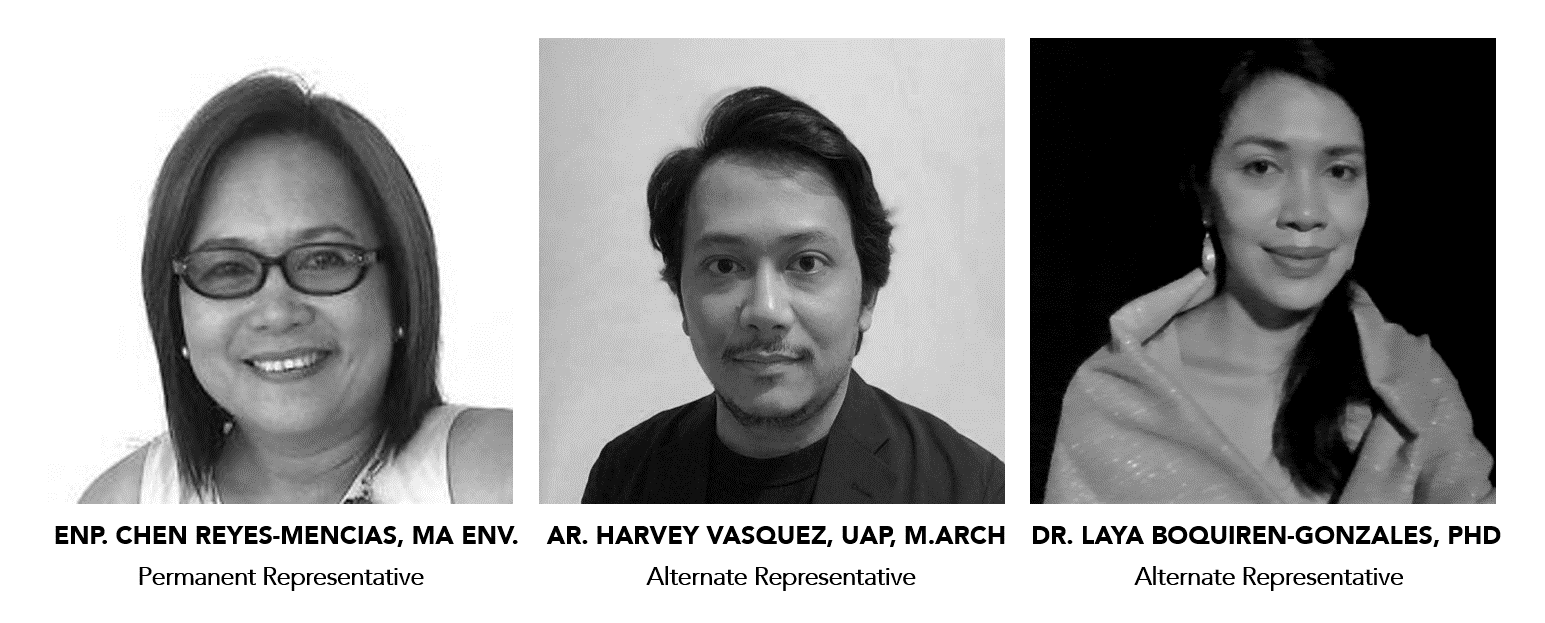
The membership will be effective for the Fiscal Year 2022, and subject to renewal. The Board of Trustees appointed Sustainable Development Goals Working Group (SDGWG)’s EnP. Marybeth “Chen” R. Mencias as its Permanent Representative. Ar. Harvey Vasquez and Dr. Laya Boquiren-Gonzales as the Alternate Representatives of ICOMOS Philippines.
Photo prepared by ICOMOS Philippines
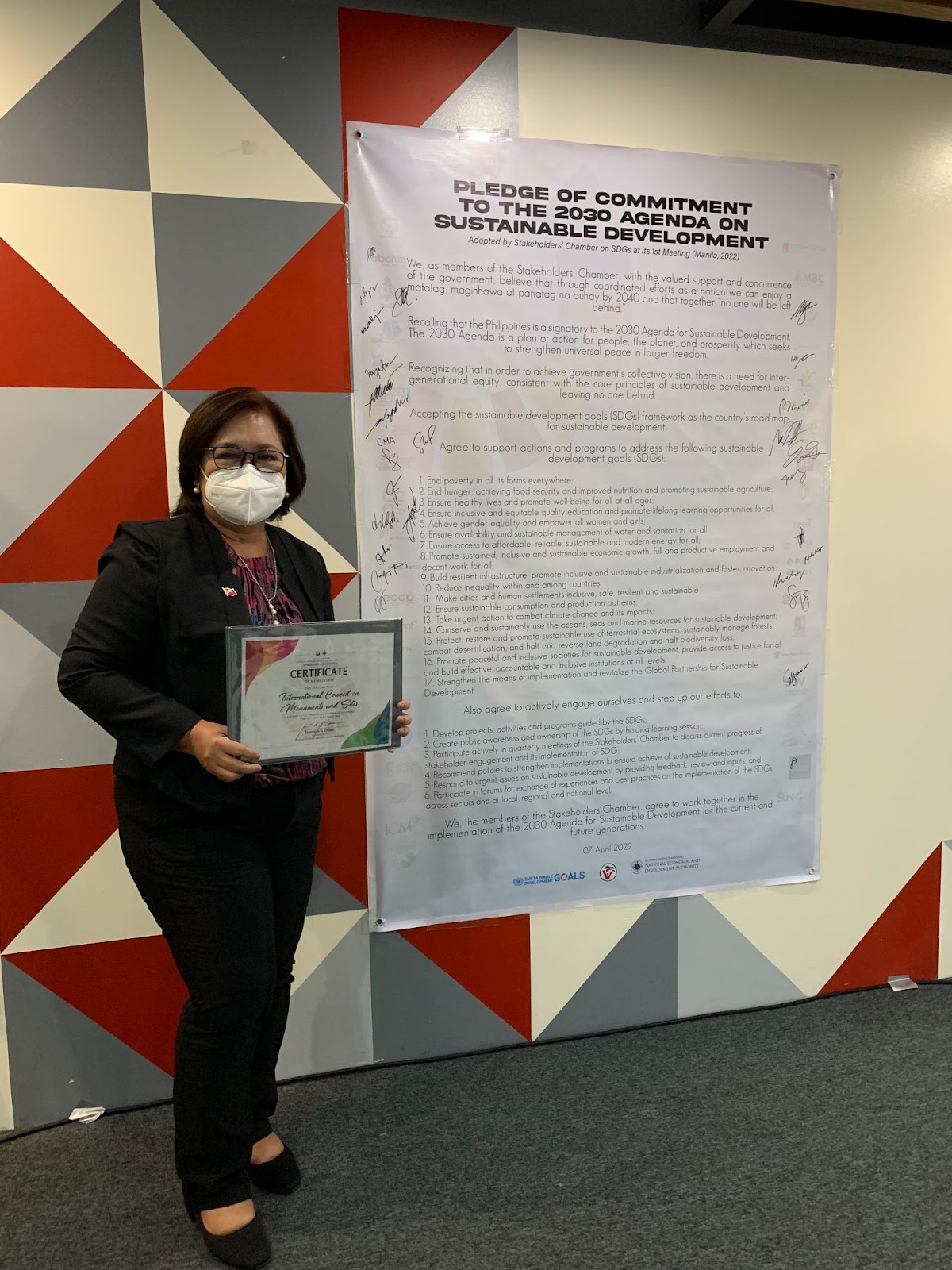
EnP. Mencias represented ICOMOS Philippines during the Pledging Ceremony last April 7, 2022, Thursday, at Aboitiz Equity Ventures Head Office, NAC Tower, Bonifacio Global City, Taguig.
Photo from EnP. Marybeth “Chen” R. Mencias
Due to COVID-19 restrictions, fellow representatives Ar. Harvey Vasquez and Dr. Laya Boquiren-Gonzales attended the Pledging Ceremony remotely.
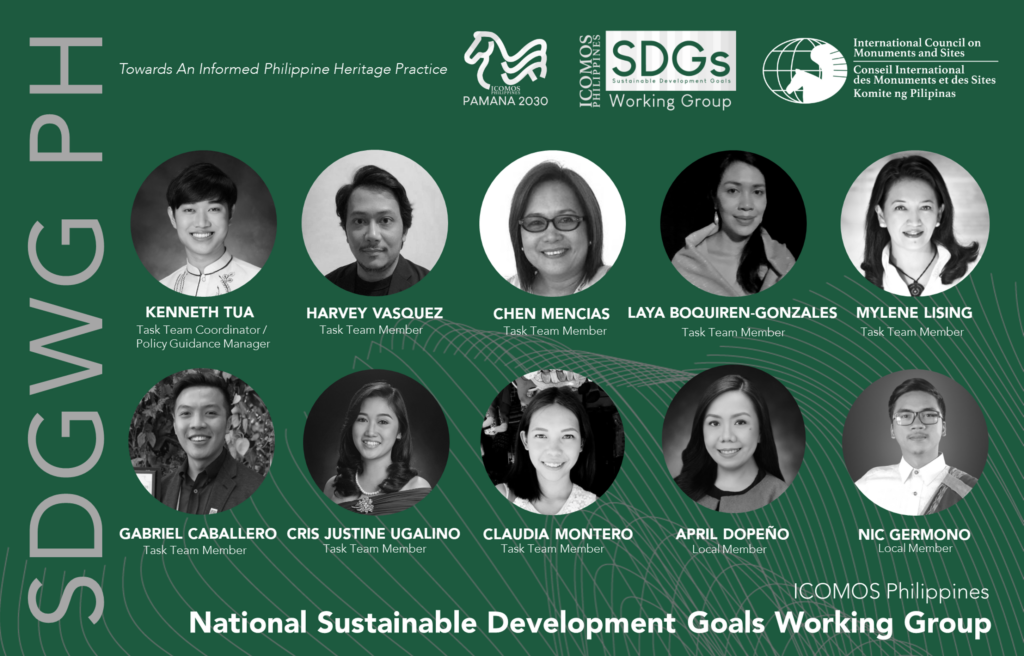
In January 2021, ICOMOS Philippines appointed National Representatives to ICOMOS International SDGWG eventually establishing the National Sustainable Development Goals Working Group (SDGWG PH). At present, it is now composed of ten (10) ICOMOS members.
The Sustainable Development Goals Working Group of ICOMOS Philippines (SDGWG PH) coordinates ICOMOS response to the 2030 Agenda, through advocacy, policy, and localizing of the SDGs. SDGWG PH looks into the important role of culture and heritage as a driver and enabler of the implementation of the United Nations 2030 Agenda. It believes that Culture and Heritage supports the achievement of all the 17 SDGs. The linkages of Culture and Heritage starts at Target 11.4 to “strengthen efforts to protect and safeguard the world’s cultural and natural heritage to make our cities inclusive, safe, resilient and sustainable”, but it also enables the achievement of various SDG targets. This belief is anchored from the ICOMOS International Policy Guidance for the Sustainable Development Goals.
SDGWG PH through the PAMANA 2030 (Heritage 2030) Campaign aims to develop a policy guidance document to localize the “ICOMOS International Policy Guidance document for Heritage and Sustainable Development Goals” from 2021 to 2023.
TEAM, 2021-23:
Ar. Kenneth Tua is the Policy Guidance Manager / Task Team Coordinator. With him as Task Team members are LAr. Gabriel Caballero, EnP. Chen Reyes-Mencias, Dr. Laya Boquiren-Gonzales, IDr. Mylene Lising, Ar. Harvey Vasquez, Ar. Claudia Isabelle Montero, and LAr. Cris Justine Ugalino, and as local members are: Ms. April Dopeño and Mr. Nicanor Germono.