
๐—ž๐—ฎ๐—ฏ๐—ถ๐—น๐—ถ๐—ป ๐—ง๐—ฒ๐—ฎ๐—บ๐˜€ ๐—–๐—ต๐—ฎ๐—ฟ๐˜ ๐˜๐—ต๐—ฒ ๐—ฃ๐—ฎ๐˜๐—ต ๐—™๐—ผ๐—ฟ๐˜„๐—ฎ๐—ฟ๐—ฑ: ๐Ÿฎ๐Ÿฌ๐Ÿฎ๐Ÿฒโ€“๐Ÿฎ๐Ÿฌ๐Ÿฎ๐Ÿต ๐—ฃ๐—น๐—ฎ๐—ป๐˜€ ๐—ฆ๐—ฒ๐˜ ๐—ถ๐—ป ๐—–๐—ฒ๐—ฏ๐˜‚

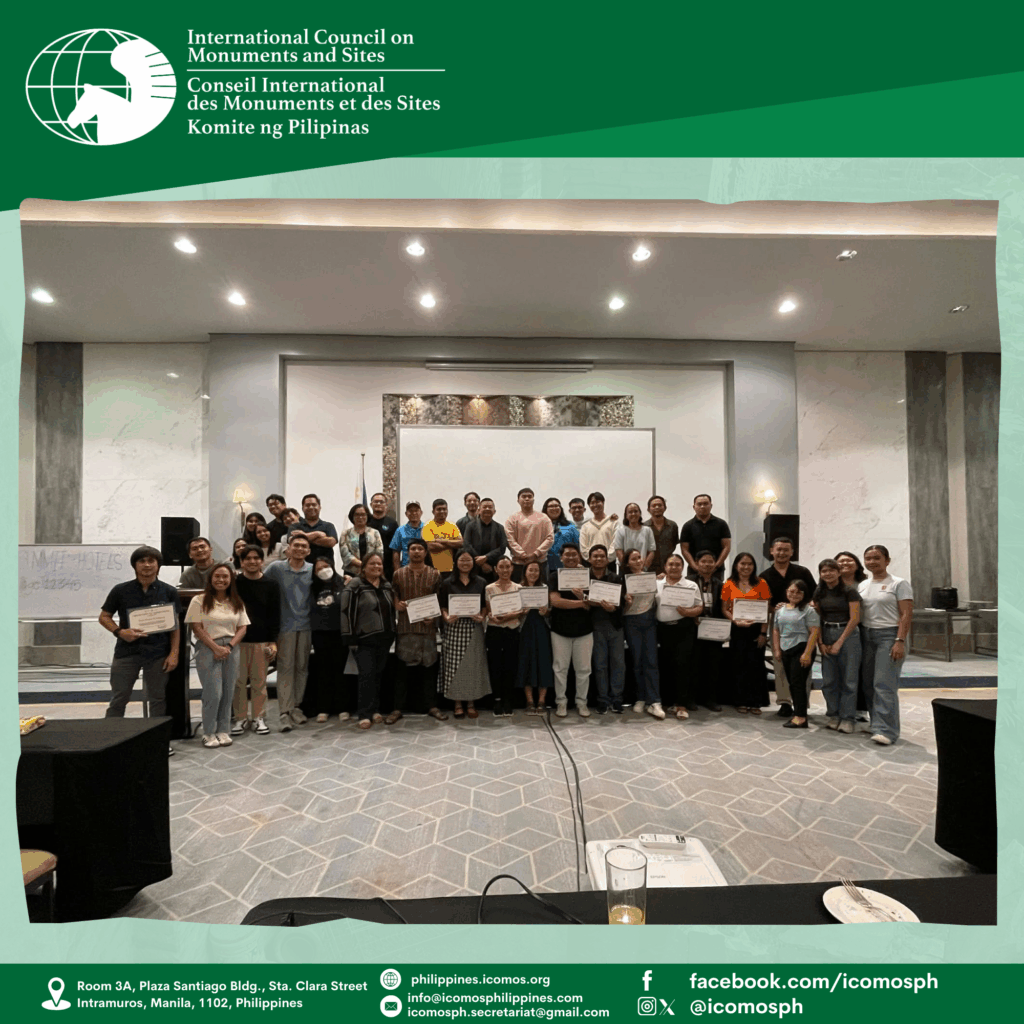
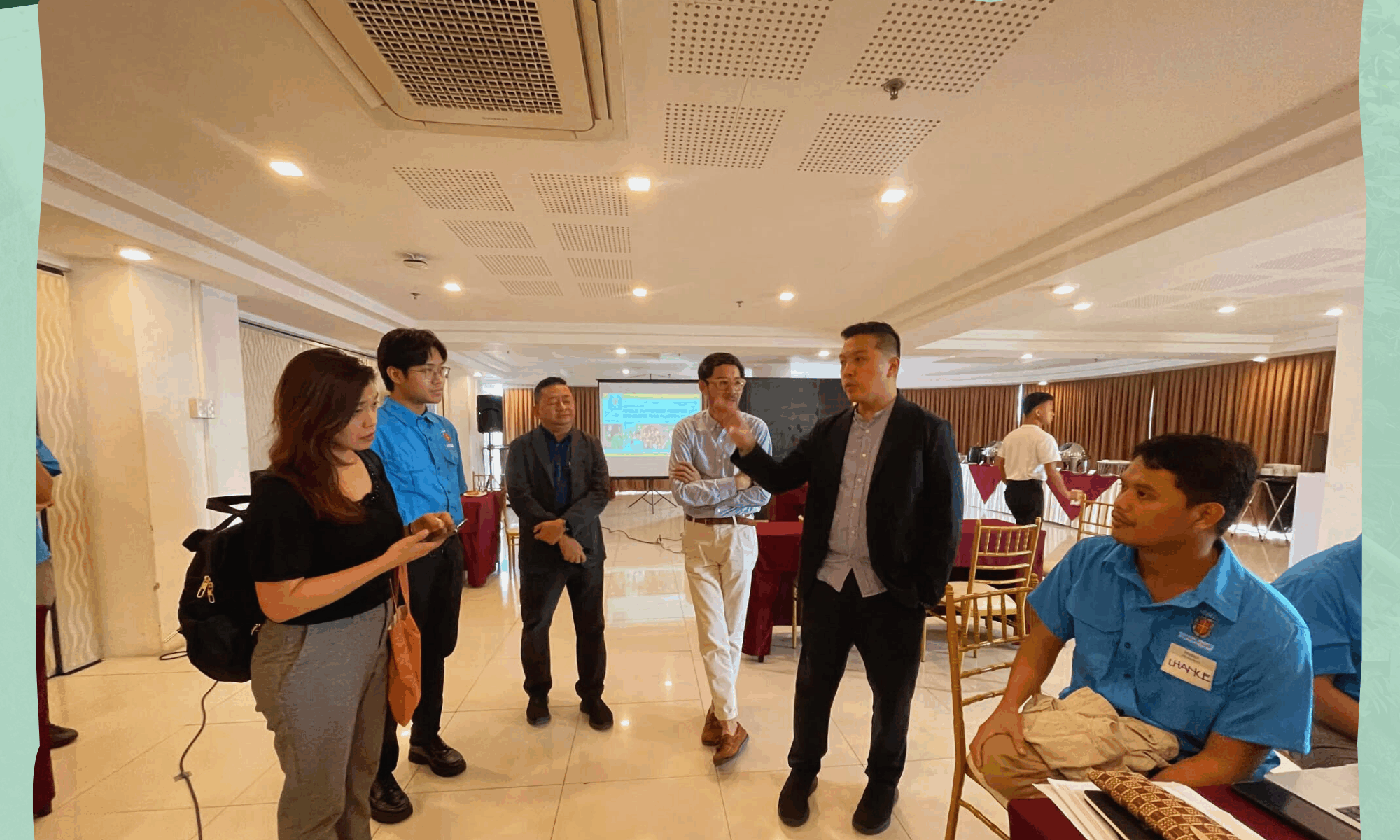
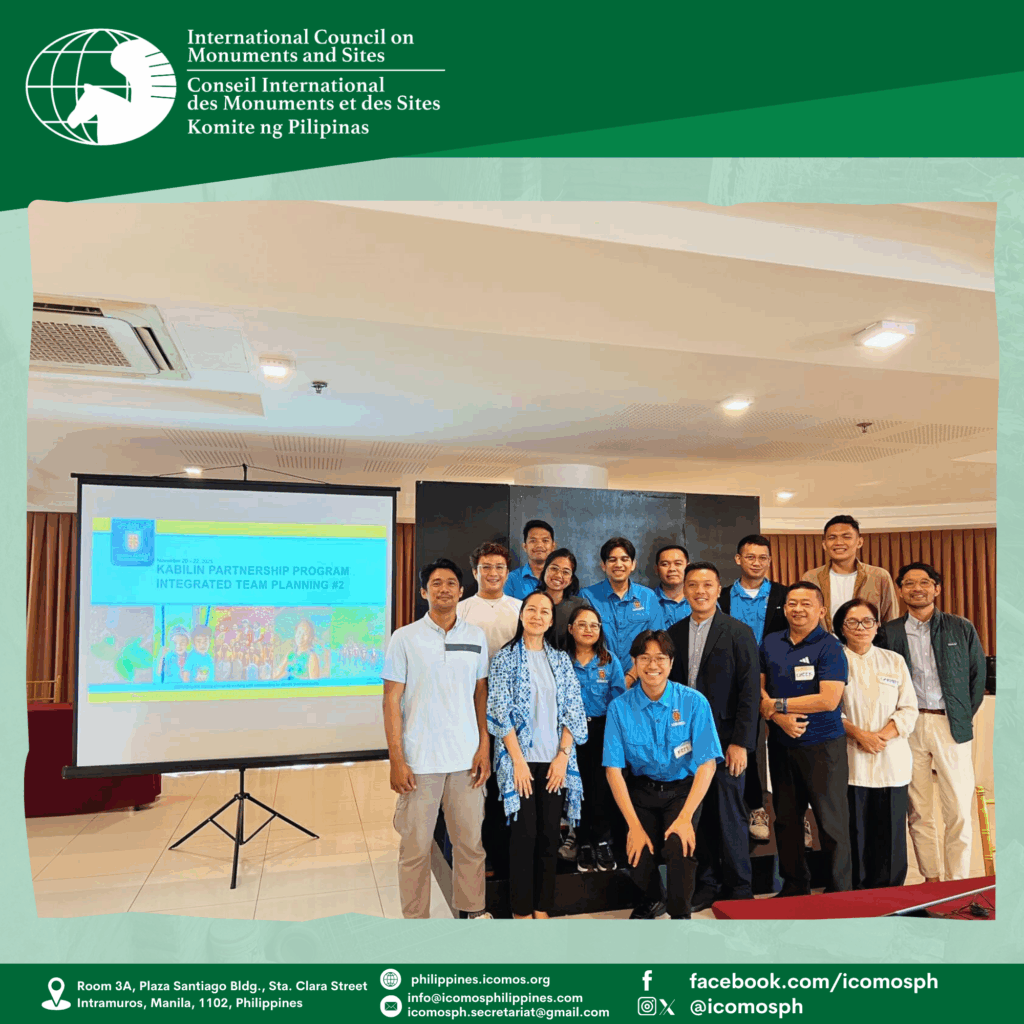
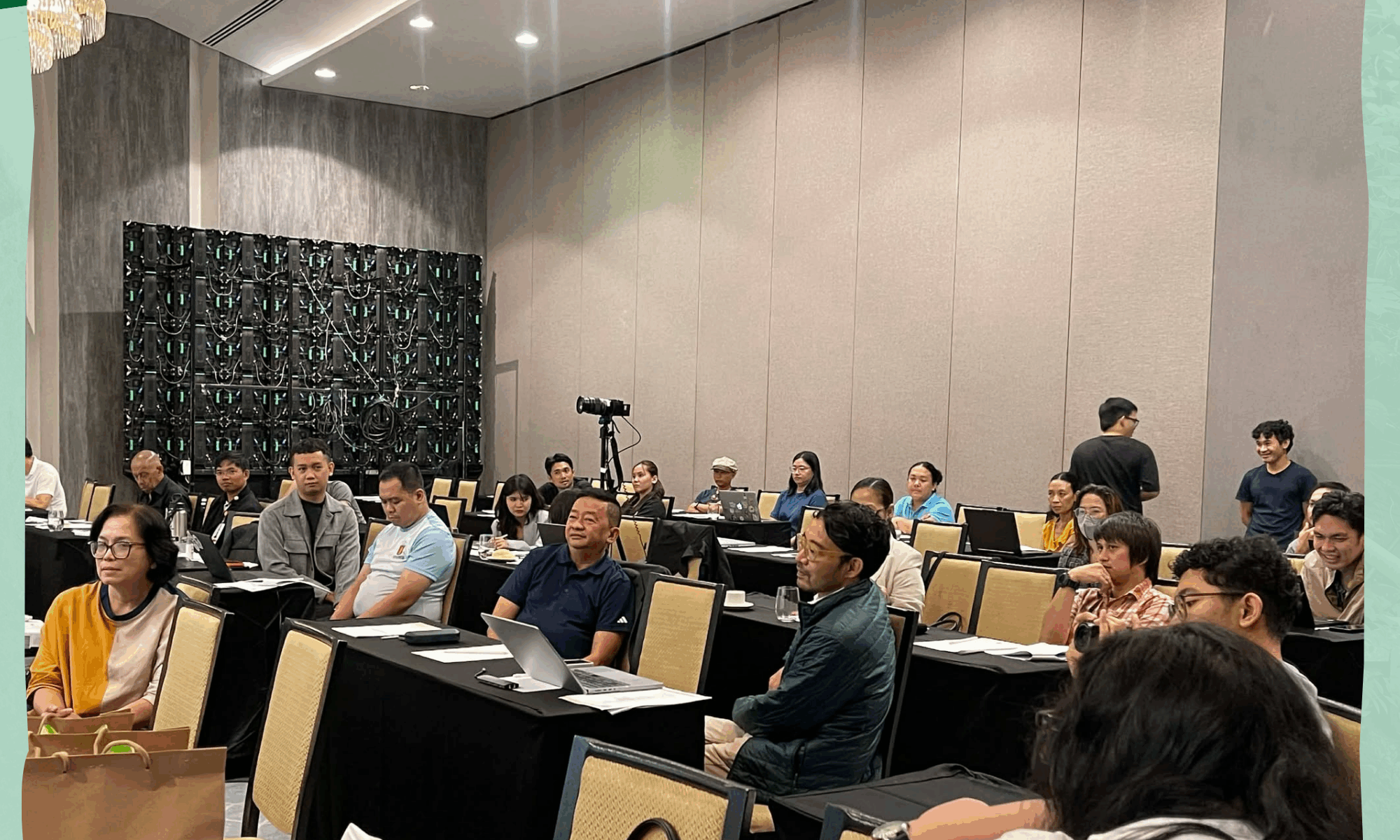
The Ramon Aboitiz Foundation Inc. (RAFI), together with ICOMOS Philippines, successfully concluded the Kabilin Partnership Program (KPP) Team Planning Sessions held from November 20 to 22, 2025 at One Central Hotel, Cebu City. The three-day planning activity brought together project directors, leads, technical specialists, and program staff to align priorities, finalize milestone calendars, and strengthen coordination across all KPP heritage initiatives for 2026โ€“2029.

The sessions brought together program team members from both ICOMOS Philippines and RAFI. The ICOMOS Philippines delegation was led by Dr. Cheek Fadriquela, President, along with the Project Directorsโ€”Dr. Laya Gonzales for the Safeguarding of the Intangible Cultural Heritage of the Santo Niรฑo Devotion (ICHSN); LAr. Gabriel Victor Caballero for PAMANA 2030โ€™s Philippine Policy Guidance for Heritage and the Sustainable Development Goals (MPHSD); and Mr. Joselito Corpus, MHSP for the National Training Course on Disaster Risk Management of Cultural Heritage (DRMCH). They were joined by Mr. Abdulbasir Endong, Heritage Affairs Officer; Ms. Chelsea Kaye Cabahug, ICHSN Local Research Assistant; and Ar. Carmencita Solis, Cebu-based member and Ped Expert for DRMCH.

From RAFI, attendees included Marie Sol D. Gonzalvo, Executive Director for the North and Central Portfolio; Ar. Kenneth Tua, PhD, Kabilin Chief Project Officer; Ador Vincent Mayol, MPHSD Project Lead; King Rosales, DRMCH Project Lead; John Wesley Rocha, ICHSN Project Lead; Joworski Alipon; John Russel Bragat; Chelsea Kaye Cabahug, Local Research Assistant; Abigail Eugenio; John Russel Bragat; Marthel Jay Ubas; and Lhance Caratao.

The planning sessions formally opened with an orientation on the Kabilin Integrated Project Teams, focusing on changes to program initiation requirements, manpower updates, required planning outputs, and updated grants management procedures. Discussions ensured that all teams were aligned with improved processes for project charter preparation, disbursement protocols, and efficient budget utilizationโ€”key mechanisms supporting program implementation.

Participants then worked on refining the Work Breakdown Structures (WBS) of each project in relation to both the RAFI and ICOMOS Philippines calendars, producing a consolidated milestone roadmap covering 2026 to 2029, along with a detailed Year 2 (2026) implementation schedule. This allowed project teams from DRMCH, MPHSD, and ICHSN to synchronize their targets and identify strategic dependencies across initiatives.

A significant portion of the sessions was dedicated to reviewing and approving the summarized PIPโ€“WBSโ€“Milestones of each project cluster. Each team presented its four-year and Year 2 plans for validation, resolution, and approval, ensuring that all activities align with program goals, resource availability, and organizational priorities for heritage conservation and capacity-building.

The workshop continued with an in-depth planning session focused on crafting 2026 Activity Proposals, where teams underwent guided proposal development, internal discussions, and cross-team consultations. These proposals, once consolidated, will serve as the foundation for year-round implementation and interdepartmental coordination.

The Core Project Management Team also held specialized meetings to address year-specific planning, activity sequencing, and plotting of scheduled tasks into the unified MS Excel master calendar. Final presentations of the Activity Proposals for DRMCH, MPHSD, and ICHSN were conducted, followed by resolutions and approval motions to proceed with implementation preparations for 2026.

The planning concluded with a joint meeting between the Core Project Management and Grants Teams, focusing on validating aggregated disbursement requirements, clarifying budget utilization guidelines, and strengthening support mechanisms for the programโ€™s expanding portfolio of heritage initiatives.

The Kabilin Partnership Program Team Planning Sessions reaffirmed the strong collaboration between RAFI and ICOMOS Philippines in advancing heritage conservation in the Visayas through aligned strategies, strengthened systems, and coordinated organizational direction. The outputs of the three-day activity will guide the next cycle of heritage programs and ensure that project teams remain equipped to deliver sustainable, community-centered, and well-coordinated heritage interventions.

#RAFI #ICOMOSPH #cebloom #parasaatongkabilin #CebuanoHeritage
๐—ฅ๐—”๐—™๐—œ ๐—ฎ๐—ป๐—ฑ ๐—œ๐—–๐—ข๐— ๐—ข๐—ฆ ๐—ฃ๐—ต๐—ถ๐—น๐—ถ๐—ฝ๐—ฝ๐—ถ๐—ป๐—ฒ๐˜€ ๐—›๐—ผ๐—น๐—ฑ ๐—ฆ๐˜‚๐—ฐ๐—ฐ๐—ฒ๐˜€๐˜€๐—ณ๐˜‚๐—น ๐—–๐—ผ๐—ป๐˜€๐—ฒ๐—ฟ๐˜ƒ๐—ฎ๐˜๐—ถ๐—ผ๐—ป ๐— ๐—ฎ๐—ป๐—ฎ๐—ด๐—ฒ๐—บ๐—ฒ๐—ป๐˜ ๐—ฃ๐—น๐—ฎ๐—ป ๐—ช๐—ผ๐—ฟ๐—ธ๐˜€๐—ต๐—ผ๐—ฝ ๐—ถ๐—ป ๐—–๐—ฒ๐—ฏ๐˜‚

CEBU CITY, Philippines โ€” The Ramon Aboitiz Foundation Inc. (RAFI), in collaboration with ICOMOS Philippines, successfully conducted the Conservation Management Plan (CMP) Workshop on November 18โ€“19, 2025 at Summit Galleria Cebu. The two-day workshop convened heritage practitioners, planners, and partner institutions to strengthen technical and institutional capacities in the preparation and implementation of Conservation Management Plans for significant cultural properties across the country.

Throughout the workshop, participants engaged in in-depth discussions on cultural significance assessments, architectural documentation, structural analysis, archaeology, material studies, and the development of informed conservation strategies tailored to heritage sites. The program also emphasized the practical integration of CMP principles into organizational policies and decision-making processes, promoting a sustainable and evidence-based approach to heritage management.

The workshop was enriched by a distinguished panel of experts from the fields of architecture, conservation, archaeology, and heritage science. Ar. Kenneth Javier Tua, PhDโ€”an economic scientist and heritage conservation specialist with advanced degrees in cultural landscapes, diplomacy, and agricultural scienceโ€” presented the Workshop Guidelines and Outline and explained the Conservation Management Plan (CMP) framework, highlighting its role in guiding stakeholders through a structured process of understanding, assessing, and managing heritage sites. He emphasized how the CMP supports national heritage laws, aligns with regional practices, strengthens UNESCO-related commitments, and fosters transparency, accountability, and collaboration among agencies, experts, and communities. 

Ar. Caryn Paredes-Santillan, PhD, an expert in architectural theory, modern Asian architecture, and conservation planning with doctoral credentials from the University of Tokyo, discussed the role of comparative studies in establishing cultural significance. Her wide-ranging work on CMPs for major Philippine heritage sites such as Intramuros, San Sebastian Basilica, the Manila Central Post Office, and the Cultural Center of the Philippines offered participants a strong foundation in methodological approaches to heritage evaluation.

Architectural conservator Joselito H. Corpus, MHSP, who specializes in stone conservation, disaster risk management, and heritage policy, contributed his extensive experience from both Philippine and international institutions, including his work with the Metropolitan Museum of Artโ€™s Cloisters and the NYC Landmarks Preservation Commission. His leadership in heritage recovery efforts following major disasters in the Philippines provided participants with grounded, practical perspectives on structural assessment and conservation planning.

Cheek S. Fadriquela, PhD –  an Assistant Professor at the University of Santo Tomas Graduate School and Associate Professor at the University of the Philippines Los Baรฑos, shared his expertise in the conservation of wooden built heritage. through the lens of the 7Ms of documentation. He is the current President of ICOMOS Philippines.

Archaeologist Dante Ricardo N. Manipon from the UP School of Archaeology expanded the discussion by introducing participants to the fundamentals of archaeology within development contexts. With ongoing research on Spanish-era forts and churches across the Philippines and experience in public archaeology, he guided participants in recognizing archaeological materials and understanding how discoveries can influence responsible project planning.

Ar. Carmencita Solis, a Cebuano expert in architecture, urban planning, and community-based conservation with graduate studies from the Asian Institute of Technology, discussed the critical role of architectural conditions assessment in the success of any conservation process. As a lecturer at the University of San Carlos and an active member of ICOMOS Philippinesโ€™ ICORP (International Committee on Risk Preparedness), she offered valuable insights into documentation methods and the importance of understanding a structureโ€™s past, present, and future conditions.

Together, these experts provided an interdisciplinary and comprehensive learning experience that deepened participantsโ€™ understanding of heritage values, conservation processes, and management strategies. The collaborative effort between RAFI, ICOMOS Philippines, and the workshop participants marks a significant step toward strengthening heritage stewardship in the Visayas. The success of the workshop reinforces a shared commitment to preserving the cultural, historical, and architectural legacy of Philippine communities and highlights the importance of capacity-building in ensuring that heritage conservation remains informed, sustainable, and community-centered.

#ICOMOSPH #RAFI #CMPWorkshop #CulturalHeritage #ConservationManagement #CebuHeritage #Kabilin #CEBloom #HeritageConservation

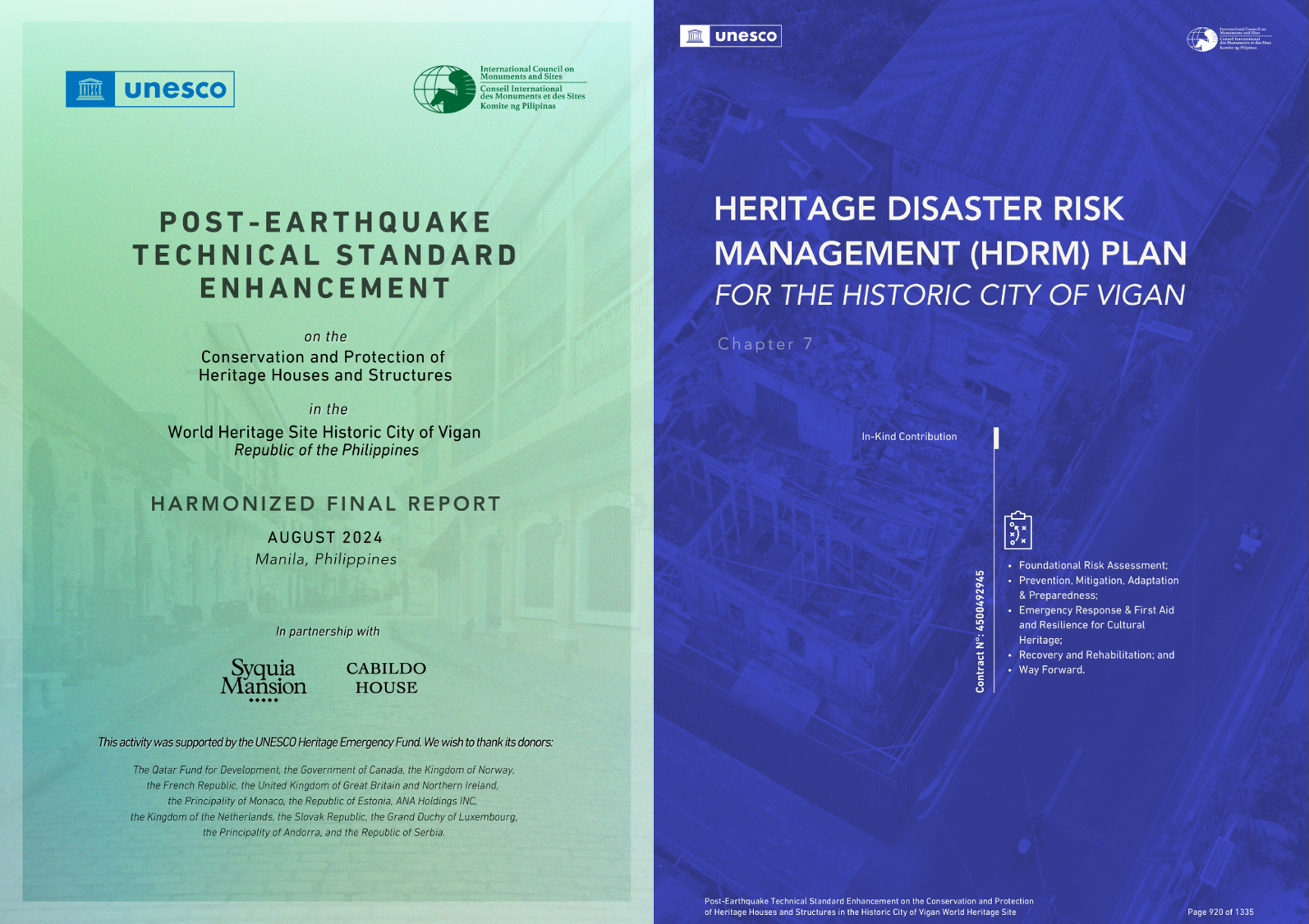
๐—ง๐—ต๐—ฒ ๐—™๐—ถ๐—ฟ๐˜€๐˜ ๐—›๐—ฒ๐—ฟ๐—ถ๐˜๐—ฎ๐—ด๐—ฒ ๐——๐—ถ๐˜€๐—ฎ๐˜€๐˜๐—ฒ๐—ฟ ๐—ฅ๐—ถ๐˜€๐—ธ ๐— ๐—ฎ๐—ป๐—ฎ๐—ด๐—ฒ๐—บ๐—ฒ๐—ป๐˜ (๐—›๐——๐—ฅ๐— ) ๐—ฃ๐—น๐—ฎ๐—ป ๐—ถ๐—ป ๐˜๐—ต๐—ฒ ๐—ฅ๐—ฒ๐—ฝ๐˜‚๐—ฏ๐—น๐—ถ๐—ฐ ๐—ผ๐—ณ ๐˜๐—ต๐—ฒ ๐—ฃ๐—ต๐—ถ๐—น๐—ถ๐—ฝ๐—ฝ๐—ถ๐—ป๐—ฒ๐˜€ ๐—ข๐—ณ๐—ณ๐—ถ๐—ฐ๐—ถ๐—ฎ๐—น๐—น๐˜† ๐—ฅ๐—ฒ๐—น๐—ฒ๐—ฎ๐˜€๐—ฒ๐—ฑ

Manila, Philippines – The 2022 Luzon Earthquake in the northwestern part of the island brought devastation to many heritage ancestral homes and other heritage properties within the World Heritage Site, Historic City of Vigan. In response, ICOMOS Philippines was granted the first-ever UNESCO Heritage Emergency Fund (HEF) to support the enhancement of technical standards for the conservation and protection of heritage houses and structures following the earthquake. 

This year marks the culmination of this significant collaborative effort between the expert conservation teams, stakeholders of Vigan, the local government, local cultural institutions, tradespersons, contractors, technicians, and, most especially, the local homeowners. 

As part of this anniversary, ICOMOS Philippines will release the one and only municipal-level Disaster Risk Management Plan for the World Heritage Site Historic City of Vigan in the Philippines. This momentous occasion brings together learnings from the post-earthquake recovery, including risk and hazard assessments, disaster preparedness and emergency planning, governance and institutional arrangements, ongoing monitoring, maintenance, and sustainability, communication and community resilience, and policy / legal framework integration.

This chapter report is the seventh of the twelve chapters that ICOMOS Philippines will release to the general public. This is a multi-dimensional plan, covering risk, governance, capacity building, recovery, and sustainability. The plan is anchored in both heritage conservation and modern DRM practices, making it a model for integrating cultural heritage into community resilience. 

ICOMOS Philippines will soon release the remaining eleven chapters not only for the consumption by the general public but also for ensuring transparency, institutional learning, and long-term resilience for the cultural heritage sector. The activities in Vigan generated critical assessments, data, and recommendations that are highly relevant to government agencies, training institutions, cultural site custodians, researchers, and disaster-risk managers. The full report synthesizes the projectโ€™s methodology, findings, and lessons learnedโ€”information that must be accessible to stakeholders to reinforce the sustainability and impact of the intervention.

To download the full version of the report: https://bit.ly/UNESCOHEF_CH7

#UNESCO #unescoJAKARTA #ICOMOS #icomosPHILIPPINES #HeritageEmergencyFund #firstHEF #WorldHeritageSite #HistoricCityofVigan #PhilippineHeritage #SustainableHeritageManagement #ProtectHeritage

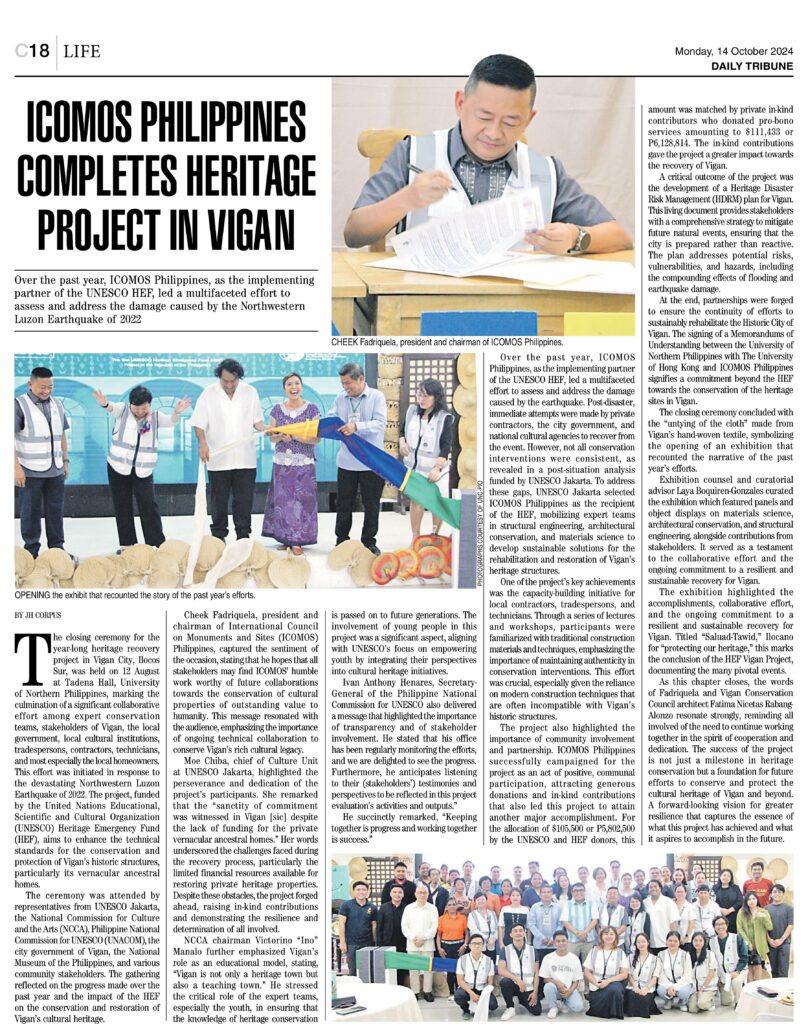
ICOMOS Philippines Completes Heritage Project in Vigan

On August 12, 2024, the closing ceremony for the year-long heritage recovery project in Vigan was held at Tadena Hall, University of Northern Philippines. This event marked the culmination of a significant collaborative effort between the expert conservation teams, stakeholders of Vigan, the local government, local cultural institutions, tradespersons, contractors, technicians, and most especially the local homeowners, which was initiated in response to the devastating Northwestern Luzon Earthquake of 2022. The project, funded by the United Nations Educational, Scientific and Cultural Organization (UNESCO) Heritage Emergency Fund (HEF), aimed to enhance the technical standards for the conservation and protection of Viganโ€™s historic structures, particularly its vernacular ancestral homes.

One of the projectโ€™s key achievements was the capacity-building initiative for local contractors, tradespersons, and technicians. Through a series of lectures and workshops, participants were familiarized with traditional construction materials and techniques, emphasizing the importance of maintaining authenticity in conservation interventions. This effort was crucial, especially given the reliance on modern construction techniques that are often incompatible with Viganโ€™s historic structures.

The project also highlighted the importance of community involvement and partnership. ICOMOS Philippines successfully campaigned for the project as an act of positive, communal participation, attracting generous donations and in-kind contributions that also led this project to attain another major accomplishment. For the allocation of $105,500 or โ‚ฑ 5,802,500 by the UNESCO and HEF donors, this amount was matched by private in-kind contributors who donated pro-bono services amounting to $111,433 or โ‚ฑ 6,128,814. The in-kind contributions gave the project a greater impact towards the recovery of Vigan.

The success of the project is not just a milestone in heritage conservation but a foundation for future efforts to conserve and protect the cultural heritage of Vigan and beyond. A forward-looking vision for greater resilience that captures the essence of what this project has achieved and what it aspires to accomplish in the future.

Please see the article in the The Daily Tribune. Read here โžก๏ธ https://bitly.cx/aR60.

This activity was supported by the UNESCO Heritage Emergency Fund. We wish to thank its donors: the Qatar Fund for Development, the Government of Canada, the Kingdom of Norway, the French Republic, the United Kingdom, the Principality of Monaco, the Republic of Estonia, ANA Holdings INC, the Kingdom of the Netherlands, the Slovak Republic, the Grand Duchy of Luxembourg, the Principality of Andorra, the Republic of Serbia.

For more information on ICOMOS Philippines โžก๏ธ https://philippines.icomos.org/

#UNESCO #unescoJAKARTA #ICOMOS #icomosPHILIPPINES #HeritageEmergencyFund #firstHEF #WorldHeritageSite #HistoricCityofVigan #PhilippineHeritage #SustainableHeritageManagement #ProtectHeritage

ICOMOS Philippines Takes Part in the 2024 National Conference on Local History and Heritage

Dr. Laya Boquiren-Gonzales stirred the discussion with onsite participants. She moderated the open forum of the panel taking in questions from the diverse audience composed of other cultural workers and local heritage advocates.

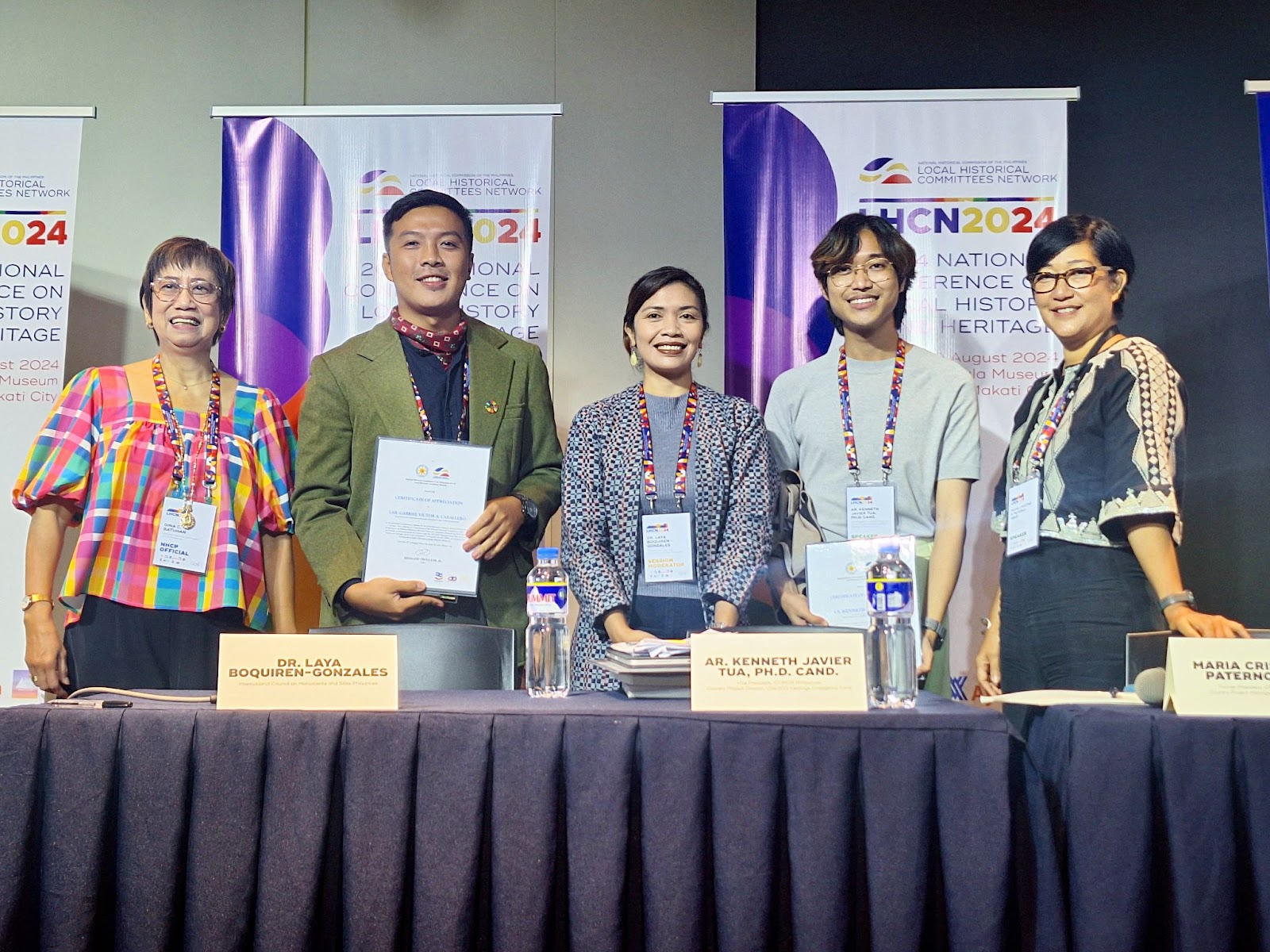
ICOMOS Philippines led a panel discussion at the 2024 National Conference on Local History and Heritage (NCLHH) last August 29, 2024, in the Ayala Museum, Makati City. The panel with the title Heritage Conservation Practices in the Philippines was chaired and moderated by Dr. Laya Boquiren-Gonzales, PhD, and was composed of Ms. Maria Cristina Paterno, Ar. Kenneth Javier Tua, and LAr. Gabriel Caballero.

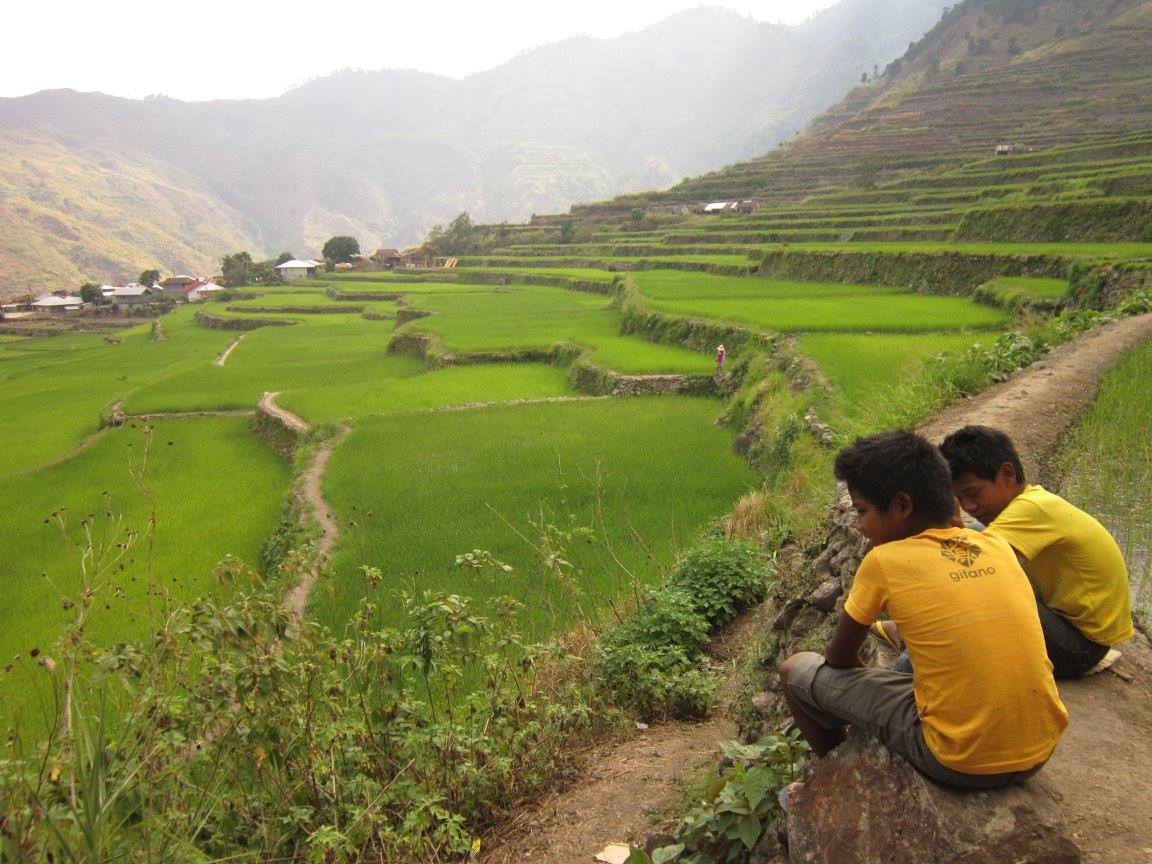
Ms. Maria Cristina P. Paterno, Immediate Past President of ICOMOS Philippines and Projects Manager of Preserving Legacies presented โ€œClimate Vulnerability Assessment of the Ifugao Rice Terraces: Preserving Legacies, A Future for Our Past.โ€ She shared the findings and experience of the recently published study that looked into the values of the terraces for the local communities and how these values, rooted in Indigenous knowledge, are impacted by climate change, as well as contribute to strengthening resilience and adaptive capacity as they try to preserve and protect their cultural heritage by integrating modern climate science.

Ar. Kenneth Javier Tua, Vice President of ICOMOS Philippines and Country Director of the UNESCO-Heritage Emergency Fund project for the Historic City of Vigan presented โ€œSaluad-Tawid: Conserving and Protecting Heritage Houses and Structures in the Historic City of Vigan After the 2022 Earthquake.โ€ The recently concluded project provided valuable lessons for disaster risk management for cultural heritage and working in a multi-stakeholder environment.

LAr. Gabriel Victor A. Caballero, Focal Point for the United Nationโ€™s Sustainable Development Goals (SDGs) of ICOMOS International presented โ€œPamana 2030: Local Case Profiles on Philippine Heritage and Sustainable Development Goals.โ€ He presented selected efforts by the ICOMOS Sustainable Development Goals Working Group (SDGWG) to document heritage initiatives that intersect with SDGs.

Laya Boquiren-Gonzales, PhD, gave a short presentation about the upcoming initiative to document and safeguard the heritage of the devotion to the Santo Niรฑo de Cebรบ in partnership with Ramon Aboitiz Foundation Inc. (RAFI), one of the three landmark projects under the โ€˜Kabilin Partnershipโ€™ with ICOMOS Philippines.

Dr. Laya Boquiren-Gonzales stirred the discussion with onsite participants. She moderated the open forum of the panel taking in questions from the diverse audience composed of other cultural workers and local heritage advocates.

We in ICOMOS Philippines express our sincere gratitude and congratulations to the National Historical Commission of the Philippines, the organizers of the conference for the opportunity to share our work and on-ground experience towards a respected heritage profession in the country, and Philippine heritage that is conserved to the highest standards. We look forward to taking part again in the next NCLHH Conference.

For more information on ICOMOS Philippines โžก๏ธ https://philippines.icomos.org/

#ICOMOSPH #NHCP #ParaSaPamana #Kabilin #HistoryMonth #PatuloySaPagtuklas #OurHistoryContinues #HeritageConservation #LHCN2024

Sagada Mission Compound Girls Dormitory Conservation Assessment

Click here to download the Report

Built in 1912, the Girlsโ€™ Dormitory is the first school building of the Mission of St. Mary the Virgin in Sagada. It played an essential role in the education of the children of the Cordilleras as it served as the first school building in the area from 1912 until 1951. An example of American-Philippine Colonial architectural style, the structure is currently unoccupied and under rehabilitation.

A product of collaboration between ICOMOS Philippines and the Episcopal Church in the Philippines, the Conservation Assessment of the Mission Compound Girls Dormitory by ICOMOS Philippines member Ar. Aris Go of Ninety Design Studio is a detailed example of doing proper conservation assessment which analyzes multiple facets of the heritage structure including architectural, material, and structural condition, and provides sound recommendations drawn from data. 

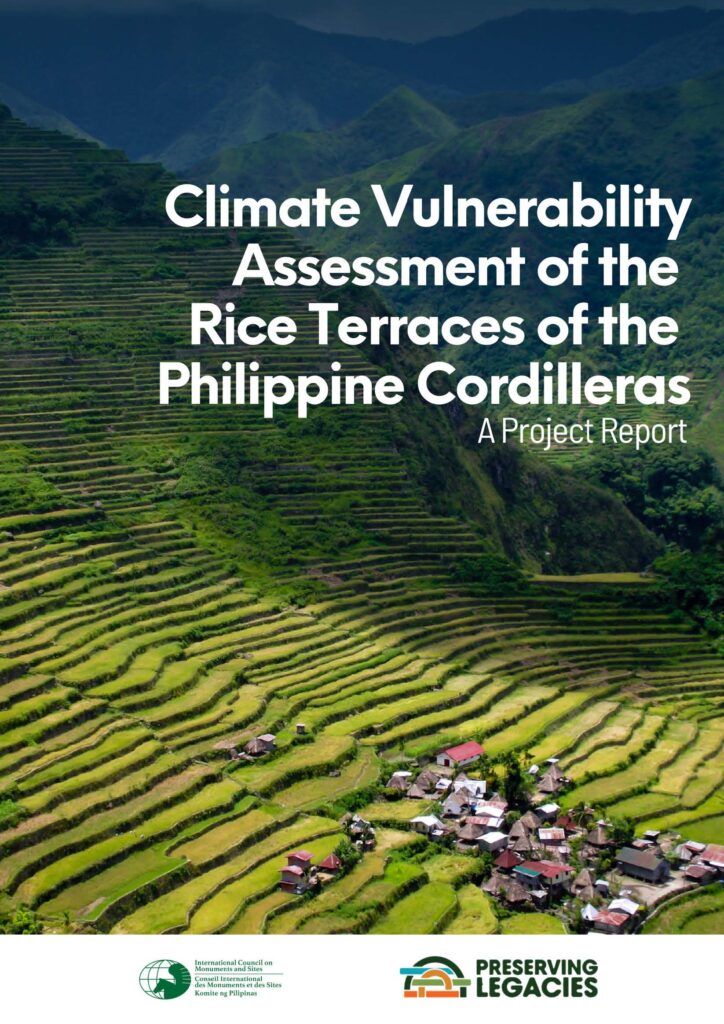
Project Report on the Climate Vulnerability Assessment of the Rice Terraces of the Philippine Cordilleras

Click here to download the Report

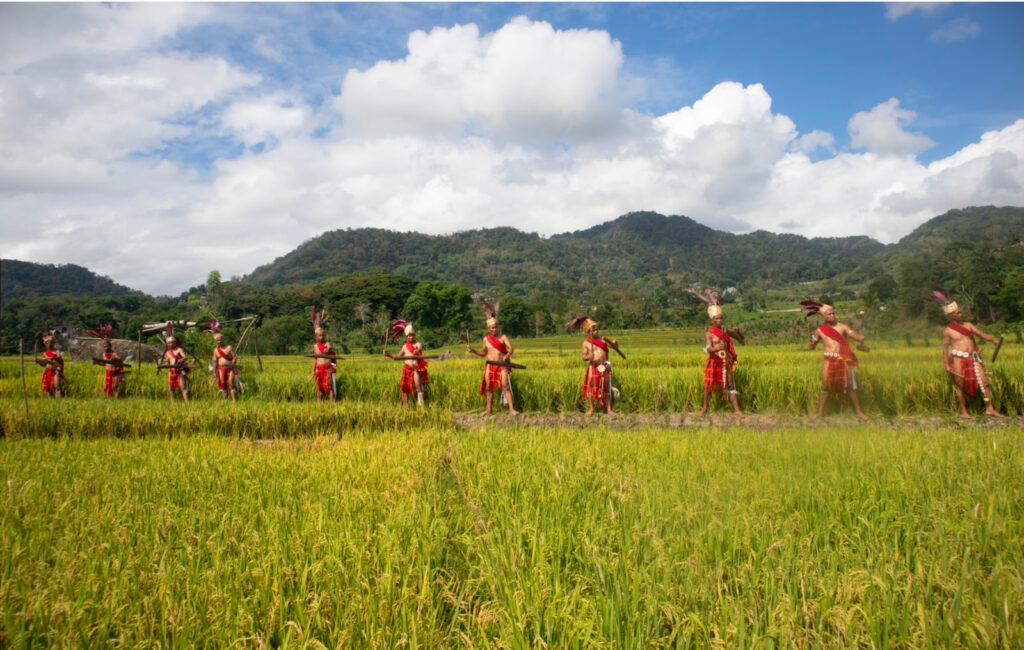
This Ifugao-led study is a climate vulnerability assessment of the rice terraces of the Philippine Cordilleras, a UNESCO World Heritage site. The assessment establishes why local communities value the terraces, and how these values, deeply rooted in indigenous knowledge, are impacted by climate change. The end goal is for communities to strengthen resilience and adaptive capacity as they position to preserve and protect their cultural heritage.

Data was gathered by several focus group discussions among farmers in Nagacadan Hungduan, Mayoyao, Bangaan and Batad. This approach ensures the collection of critical data that truly reflects the lived experiences and needs of the indigenous Ifugao people. The assessment utilizes modern climate science and indigenous knowledge, as both realms of understanding are complementary and necessary to address the climate crisis more effectively.

The Ifugao Rice Terraces confront a web of climate challenges such as intensified typhoons, erratic precipitation patterns, prolonged droughts and increasing temperatures, which pose imminent risk of soil erosion, reduced crop yield or crop loss, landslides, and structural damage to the terraces. This threatens their ecological integrity, agricultural productivity, amplifies existing vulnerabilities, and can jeopardize the sustainability of this cultural landscape.

ICOMOS Philippines partners with R-DMUCH in localizing DRM Training for Cultural Heritage in the Philippines

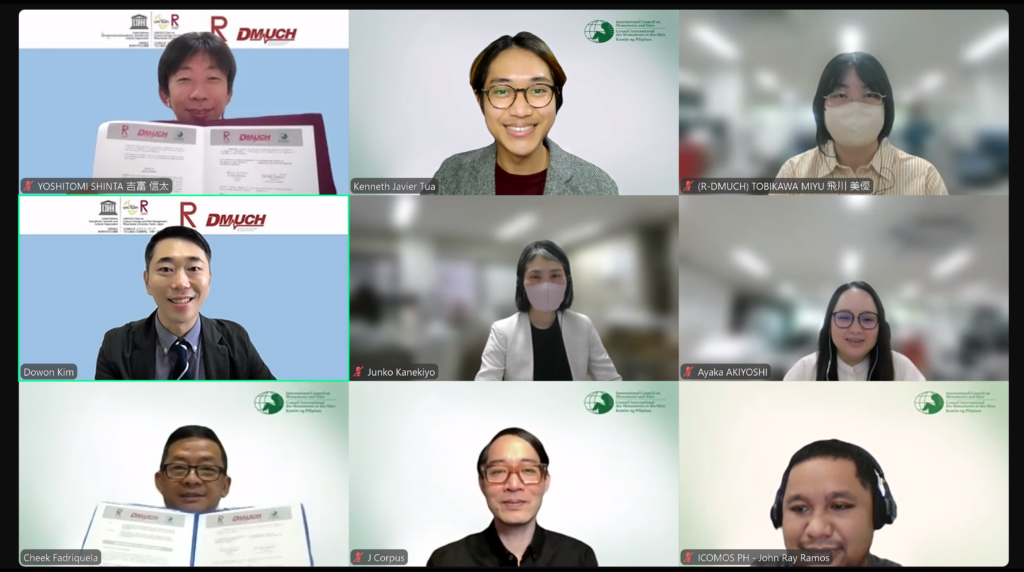
On June 27, 2024, the Institute of Disaster Mitigation for Urban Cultural Heritage of Ritsumeikan University (R-DMUCH) represented by Director Dr. Shinta Yoshitomi and UNESCO Co-Chair holder on the Program of Cultural Heritage and Risk Management Associate Professor Dr. Dowon Kim and the International Council of Monuments and Site Philippines, Inc. [ICOMOS Philippines] represented by its Chairman and President Dr. Cheek S. Fadriquela and Vice President Ar. Kenneth Javier Tua entered into and signed a Memorandum of Understanding (MOU). 

ICOMOS Philippines President Cheek Fadriquela shares his gratitude to R-DMUCH in his speech: โ€œWith this Memorandum of Understanding, we are addressing the paucity of DRM related personnel in cultural heritage who will craft plans of actions before, during and after disaster events in the Philippines. In partnership with Ritsumeikan, I believe our aspirations will come into fruition in protecting our shared legacies.โ€

This MOU establishes key goals for the partnerships, particularly in the promotion, conservation, and protection of culture and heritage in the Philippines. In this vein, R-DMUCH and ICOMOS Philippines will cooperate in research and investigation as partner organizations and for educational activities and specialized professional programs on the conservation, disaster prevention, and risk management of cultural heritage. To broadcast this knowledge, the MOU allows two (2) representatives to participate in the International Training Course on Disaster Risk Management of Cultural Heritage [ITC]. 

One major output from participation in the ITC will be the establishment of a National Training Course on Disaster Risk Management of Cultural Heritage (DRMCH) in the Republic of the Philippines which will be under the partnership of the Ramon Aboitiz Foundation Inc. (RAFI) and ICOMOS Philippines; both will implement a capacity building program to aid stakeholders in formulating their own disaster risk management plans.ย 

R-DMUCH and ICOMOS Philippines sign a Memorandum of Understanding (MOU) on the “Collaboration on human resource capacity building for the implementation of a national training course on disaster risk management of cultural heritage in the Republic of the Philippines”

Knowledge sharing is key in this partnership and will help refine disaster risk management of cultural heritage plans to the context of the Philippines with its own set of hazards and vulnerabilities. Ar. Kenneth Javier Tua, who successfully participated in the 2023 cohort of ITC and developed a Heritage Disaster Risk Management (HDRM) plan for the World Heritage Site in the Historic City of Vigan,  said: โ€œThis kind of capacity building is long overdue for us Philippine Heritage Professionals and Conservationists.โ€

Dr. Dowon Kim added to Ar. Kenneth Javier Tuaโ€™s comment stating โ€œR-DMUCH will support the institutionalization of the DRMCH plan in the Philippines as R-DMUCH has been active in assisting other Southeast Asian nations, India and Nepal among others with their own National Disaster Risk Management Plans.โ€ These countries already had sent their representatives to participate in the ITC in previous years.

Both Director Dr. Shinta Yoshitomi and Dr. Cheek S. Fadriquela closed the MOU signing ceremony with appreciation and gratitude that ICOMOS Philippines and R-DMUCH will strengthen the network between the two organizations and expressed appreciation and gratitude for future fruitful collaboration.


For the Philippines, this MOU represents the ongoing endeavor to elevate cultural heritage as an essential community resource and to adopt the attention that it deserves during times of disasters and crisis. Since cultural heritage resources are especially susceptible to the changing climate and its itinerant hazards,ย the implementation of a DRMCH plan will help mitigate the loss and disruption of our precious cultural heritage resources for now and for future generations.ย 

For more information on ICOMOS Philippinesย โžก๏ธย https://philippines.icomos.org/

For more information on R-DMUCH and UNESCO Chair on Cultural Heritage and Risk Managementย โžก๏ธ https://rdmuch-itc.com/

#RDMuch #Ritsumeikan #ICOMOSย  #icomosPHILIPPINESย #ITC #DisasterRiskManagement #HeritageDRMย ย #PhilippineHeritageย ย #ProtectHeritage

๐—ฅ๐—ฒ๐—ฝ๐—ผ๐—ฟ๐˜ ๐—Ÿ๐—ฎ๐˜‚๐—ป๐—ฐ๐—ต ๐—ผ๐—ณ ๐˜๐—ต๐—ฒ ๐—ฃ๐—ฟ๐—ฒ๐˜€๐—ฒ๐—ฟ๐˜ƒ๐—ถ๐—ป๐—ด ๐—Ÿ๐—ฒ๐—ด๐—ฎ๐—ฐ๐—ถ๐—ฒ๐˜€: ๐—” ๐—™๐˜‚๐˜๐˜‚๐—ฟ๐—ฒ ๐—ณ๐—ผ๐—ฟ ๐—ผ๐˜‚๐—ฟ ๐—ฃ๐—ฎ๐˜€๐˜ ๐—ฝ๐—ฟ๐—ผ๐—ท๐—ฒ๐—ฐ๐˜ ๐—ณ๐—ผ๐—ฟ ๐˜๐—ต๐—ฒ ๐—ฅ๐—ถ๐—ฐ๐—ฒ ๐—ง๐—ฒ๐—ฟ๐—ฟ๐—ฎ๐—ฐ๐—ฒ๐˜€ ๐—ผ๐—ณ ๐˜๐—ต๐—ฒ ๐—ฃ๐—ต๐—ถ๐—น๐—ถ๐—ฝ๐—ฝ๐—ถ๐—ป๐—ฒ ๐—–๐—ผ๐—ฟ๐—ฑ๐—ถ๐—น๐—น๐—ฒ๐—ฟ๐—ฎ๐˜€

Donโ€™t miss the opportunity to participate in our Virtual Live Event for the Climate Change Vulnerability Risk Assessment of the Ifugao Rice Terraces, Philippines.

We are so excited to invite you to the report launch. Weโ€™re opening aย ten day countdown registration formย for our live virtual event, to present findings of the year long study Climate Vulnerability Assessment of the Rice Terraces of the Philippine Cordilleras onย June 27, 5:00 PM Philippine time, GMT + 8.

Register today for zoom link here: https://bit.ly/RegisterPLI

How can heritage sites contribute to a sustainable climate future?ย Join us as we exploreย Ifugao traditions in the Rice Terraces of the Philippine Cordilleras and uncover their invaluable lessons on adapting to and mitigating climate change. Discover the synergy between indigenous knowledge and climate science and learn how ancient practices can inform modern strategies for resilience and sustainability. Don’t miss this enlightening presentation on climate vulnerability assessmentโ€”where the past guides us towards a sustainable future. ย This project is a collaboration between National Geographic Society, ICOMOS, and Preserving Legacies.

This Ifugao-led study is a climate vulnerability assessment of the rice terraces of the Philippine Cordilleras, a UNESCO World Heritage site. The assessment establishes why local communities value the terraces, and how these values, deeply rooted in indigenous knowledge, are impacted by climate change. The end goal is for communities to strengthen resilience and adaptive capacity as they position to preserve and protect their cultural heritage.

Data was gathered by several focus group discussions among farmers in Nagacadan Hungduan, Mayoyao, Bangaan and Batad. This approach ensures the collection of critical data that truly reflects the lived experiences and needs of the indigenous Ifugao people. The assessment utilizes modern climate science and indigenous knowledge, as both realms of understanding are complementary and necessary to address the climate crisis more effectively.

The Ifugao Rice Terraces confront a web of climate challenges such as intensified typhoons, ย erratic precipitation patterns, prolonged droughts and increasing temperatures, which pose imminent risk of soil erosion, reduced crop yield or crop loss, landslides, and structural damage to the terraces. This threatens their ecological integrity, agricultural productivity, amplifies existing vulnerabilities, and can jeopardize the sustainability of this cultural landscape.

Fortunately, their traditional values and indigenous knowledge systems make them moderately resilient. However,  they will need additional support from government to develop infrastructure, and develop technical capacities to  build more robust adaptive strategies and sustainable management practices to preserve ecological resilience and secure the livelihoods of the communities that call the terraces home.

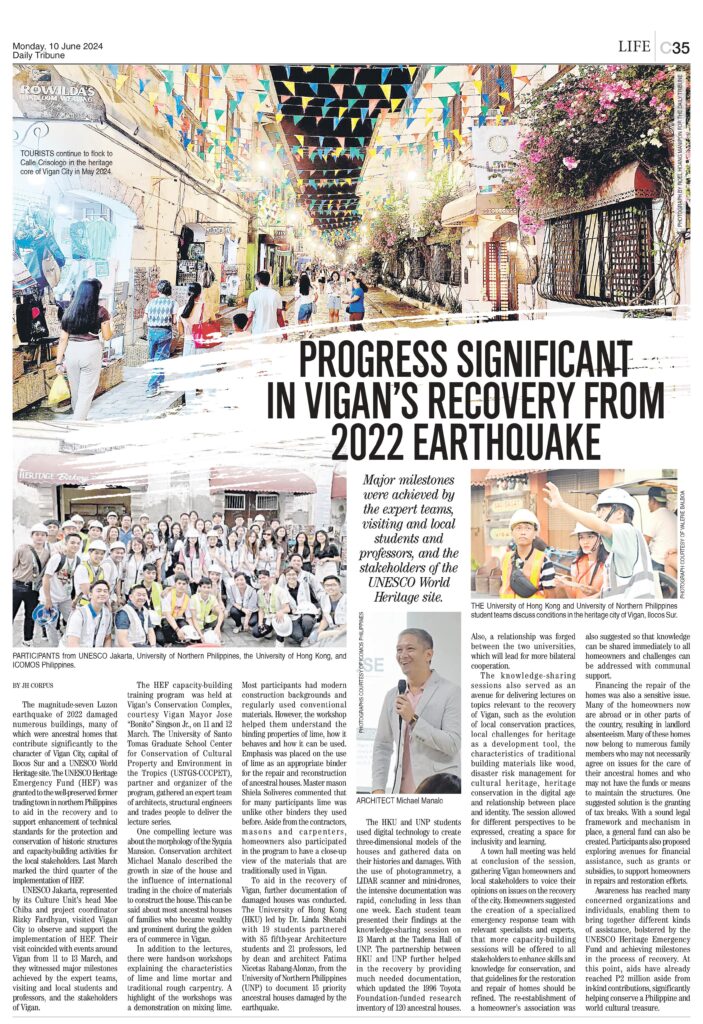
Progress Significant in Vigan’s Recovery from 2022 Earthquake

Last March 2024, marked the third quarter of the implementation of the first Heritage Emergency Fund [HEF] granted to the Republic of the Philippines by UNESCO.

UNESCO Jakarta under the leadership of Moe Chiba, Culture Unit Head, and Rizky Fardhyan, Project Coordinator, visited Vigan City to observe and support the activities spurred by the HEF. Their visit coincided with events around Vigan from the 11th to 13th of March, and they witnessed major milestones achieved by expert team, visiting and local students and professors, and the stakeholders of Vigan.

One activity was the HEF capacity-building training program whose audience were the homeowner’s, custodians, contractors, technicians, tradespersons and other concerned stakeholders of the WHS Historic City of Vigan. Not only were they given lectures about Vigan specific topics, but they were also involved in a hands-on workshop to try their hand at mixing lime mortar and also attempting traditional joinery.

Another highlight were the activities at Tadena Hall at University of Northern Philippines where Hong Kong University and University of the Northern students presented their documentation of fifteen priority ancestral vernacular houses that they completed in about a week with the aide of digital documentation.

Lastly, there was Town Hall Meeting where homeowners and local stakeholders had an open forum to discuss the challenges of recovery and also how to move forward as a community sustainably and effectively.

This activity was supported by the UNESCO Heritage Emergency Fund. We wish to thank its donors: the Qatar Fund for Development, the Government of Canada, the Kingdom of Norway, the French Republic, the United Kingdom of Great Britain and Northern Ireland, the Principality of Monaco, the Republic of Estonia, ANA Holdings INC, the Kingdom of the Netherlands, the Slovak Republic, the Grand Duchy of Luxembourg, the Principality of Andorra, the Republic of Serbia.

Concerned stakeholders who are interested in providing in-kind contribution, you may contact Ar. Kenneth Javier Tua, Country Project Director, through kenneth.javier.tua@icomosphilippines.com and cc.: info@icomosphilippines.com. Letโ€™s protect and promote our diverse cultural heritage together.

For more information on ICOMOS Philippines โžก๏ธ https://philippines.icomos.org/

#UNESCO #unescoJAKARTA #ICOMOS #icomosPHILIPPINES #HeritageEmergencyFund #firstHEF #WorldHeritageSite #HistoricCityofVigan #PhilippineHeritage #SustainableHeritageManagement #ProtectHeritage