
๐—ž๐—ฎ๐—ฏ๐—ถ๐—น๐—ถ๐—ป ๐—ง๐—ฒ๐—ฎ๐—บ๐˜€ ๐—–๐—ต๐—ฎ๐—ฟ๐˜ ๐˜๐—ต๐—ฒ ๐—ฃ๐—ฎ๐˜๐—ต ๐—™๐—ผ๐—ฟ๐˜„๐—ฎ๐—ฟ๐—ฑ: ๐Ÿฎ๐Ÿฌ๐Ÿฎ๐Ÿฒโ€“๐Ÿฎ๐Ÿฌ๐Ÿฎ๐Ÿต ๐—ฃ๐—น๐—ฎ๐—ป๐˜€ ๐—ฆ๐—ฒ๐˜ ๐—ถ๐—ป ๐—–๐—ฒ๐—ฏ๐˜‚

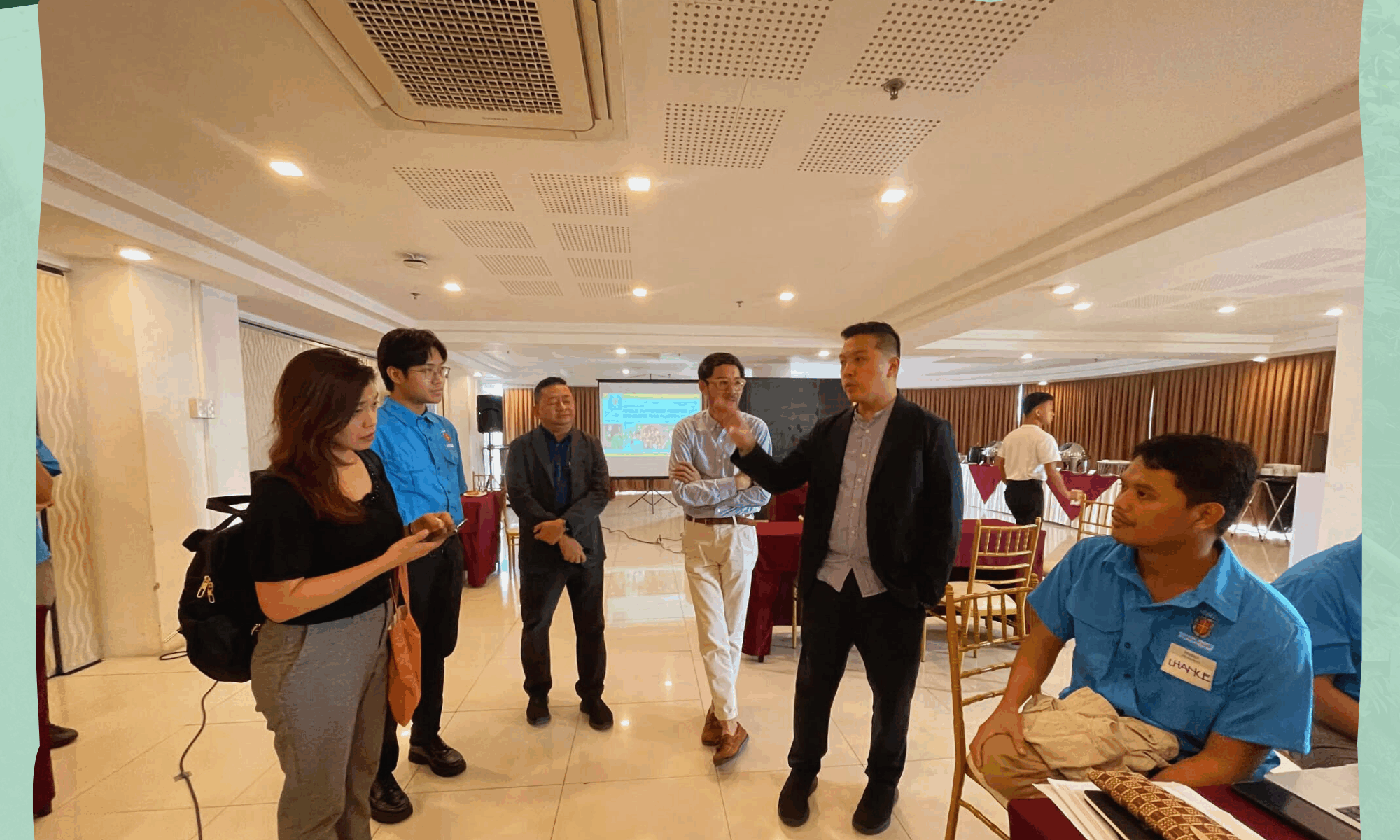
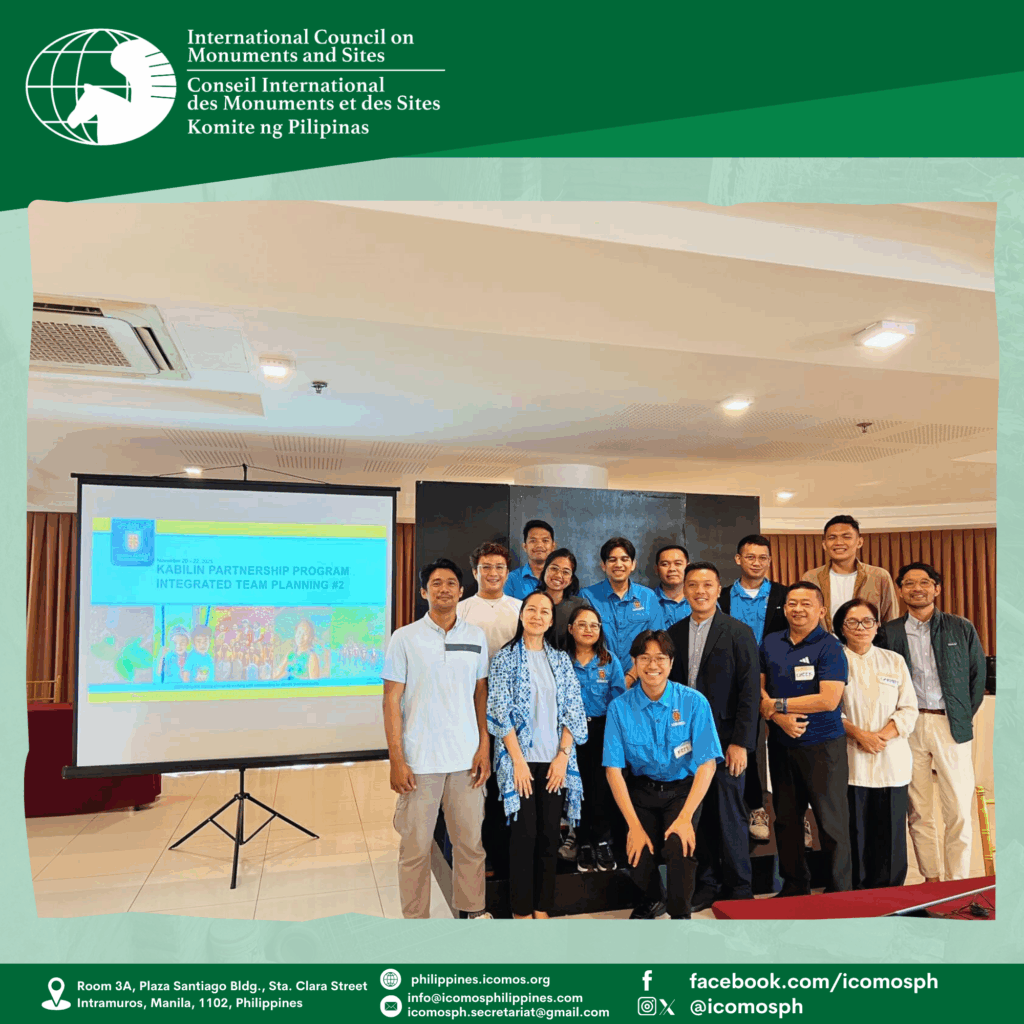
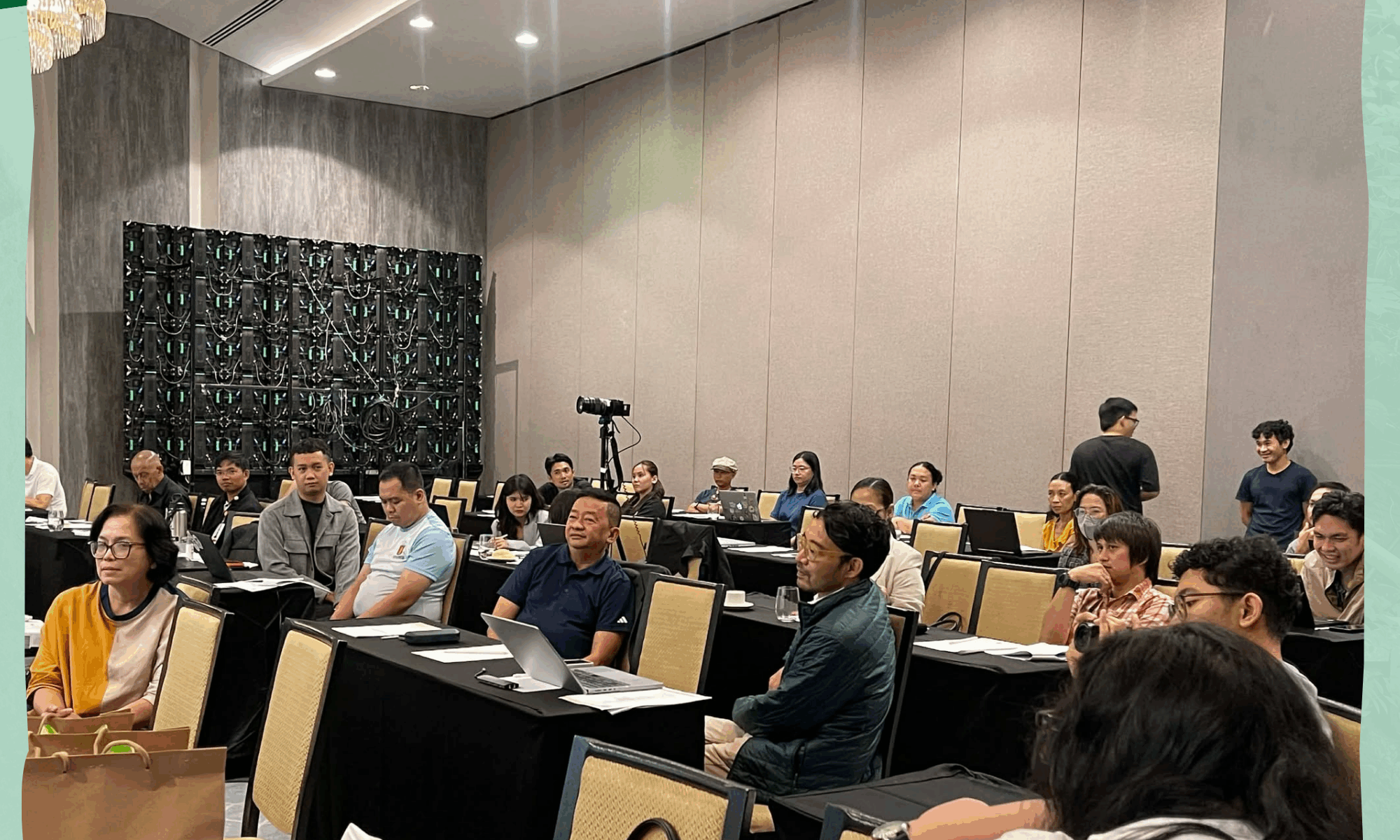
The Ramon Aboitiz Foundation Inc. (RAFI), together with ICOMOS Philippines, successfully concluded the Kabilin Partnership Program (KPP) Team Planning Sessions held from November 20 to 22, 2025 at One Central Hotel, Cebu City. The three-day planning activity brought together project directors, leads, technical specialists, and program staff to align priorities, finalize milestone calendars, and strengthen coordination across all KPP heritage initiatives for 2026โ€“2029.

The sessions brought together program team members from both ICOMOS Philippines and RAFI. The ICOMOS Philippines delegation was led by Dr. Cheek Fadriquela, President, along with the Project Directorsโ€”Dr. Laya Gonzales for the Safeguarding of the Intangible Cultural Heritage of the Santo Niรฑo Devotion (ICHSN); LAr. Gabriel Victor Caballero for PAMANA 2030โ€™s Philippine Policy Guidance for Heritage and the Sustainable Development Goals (MPHSD); and Mr. Joselito Corpus, MHSP for the National Training Course on Disaster Risk Management of Cultural Heritage (DRMCH). They were joined by Mr. Abdulbasir Endong, Heritage Affairs Officer; Ms. Chelsea Kaye Cabahug, ICHSN Local Research Assistant; and Ar. Carmencita Solis, Cebu-based member and Ped Expert for DRMCH.

From RAFI, attendees included Marie Sol D. Gonzalvo, Executive Director for the North and Central Portfolio; Ar. Kenneth Tua, PhD, Kabilin Chief Project Officer; Ador Vincent Mayol, MPHSD Project Lead; King Rosales, DRMCH Project Lead; John Wesley Rocha, ICHSN Project Lead; Joworski Alipon; John Russel Bragat; Chelsea Kaye Cabahug, Local Research Assistant; Abigail Eugenio; John Russel Bragat; Marthel Jay Ubas; and Lhance Caratao.

The planning sessions formally opened with an orientation on the Kabilin Integrated Project Teams, focusing on changes to program initiation requirements, manpower updates, required planning outputs, and updated grants management procedures. Discussions ensured that all teams were aligned with improved processes for project charter preparation, disbursement protocols, and efficient budget utilizationโ€”key mechanisms supporting program implementation.

Participants then worked on refining the Work Breakdown Structures (WBS) of each project in relation to both the RAFI and ICOMOS Philippines calendars, producing a consolidated milestone roadmap covering 2026 to 2029, along with a detailed Year 2 (2026) implementation schedule. This allowed project teams from DRMCH, MPHSD, and ICHSN to synchronize their targets and identify strategic dependencies across initiatives.

A significant portion of the sessions was dedicated to reviewing and approving the summarized PIPโ€“WBSโ€“Milestones of each project cluster. Each team presented its four-year and Year 2 plans for validation, resolution, and approval, ensuring that all activities align with program goals, resource availability, and organizational priorities for heritage conservation and capacity-building.

The workshop continued with an in-depth planning session focused on crafting 2026 Activity Proposals, where teams underwent guided proposal development, internal discussions, and cross-team consultations. These proposals, once consolidated, will serve as the foundation for year-round implementation and interdepartmental coordination.

The Core Project Management Team also held specialized meetings to address year-specific planning, activity sequencing, and plotting of scheduled tasks into the unified MS Excel master calendar. Final presentations of the Activity Proposals for DRMCH, MPHSD, and ICHSN were conducted, followed by resolutions and approval motions to proceed with implementation preparations for 2026.

The planning concluded with a joint meeting between the Core Project Management and Grants Teams, focusing on validating aggregated disbursement requirements, clarifying budget utilization guidelines, and strengthening support mechanisms for the programโ€™s expanding portfolio of heritage initiatives.

The Kabilin Partnership Program Team Planning Sessions reaffirmed the strong collaboration between RAFI and ICOMOS Philippines in advancing heritage conservation in the Visayas through aligned strategies, strengthened systems, and coordinated organizational direction. The outputs of the three-day activity will guide the next cycle of heritage programs and ensure that project teams remain equipped to deliver sustainable, community-centered, and well-coordinated heritage interventions.

#RAFI #ICOMOSPH #cebloom #parasaatongkabilin #CebuanoHeritage
๐—ฅ๐—”๐—™๐—œ ๐—ฎ๐—ป๐—ฑ ๐—œ๐—–๐—ข๐— ๐—ข๐—ฆ ๐—ฃ๐—ต๐—ถ๐—น๐—ถ๐—ฝ๐—ฝ๐—ถ๐—ป๐—ฒ๐˜€ ๐—›๐—ผ๐—น๐—ฑ ๐—ฆ๐˜‚๐—ฐ๐—ฐ๐—ฒ๐˜€๐˜€๐—ณ๐˜‚๐—น ๐—–๐—ผ๐—ป๐˜€๐—ฒ๐—ฟ๐˜ƒ๐—ฎ๐˜๐—ถ๐—ผ๐—ป ๐— ๐—ฎ๐—ป๐—ฎ๐—ด๐—ฒ๐—บ๐—ฒ๐—ป๐˜ ๐—ฃ๐—น๐—ฎ๐—ป ๐—ช๐—ผ๐—ฟ๐—ธ๐˜€๐—ต๐—ผ๐—ฝ ๐—ถ๐—ป ๐—–๐—ฒ๐—ฏ๐˜‚

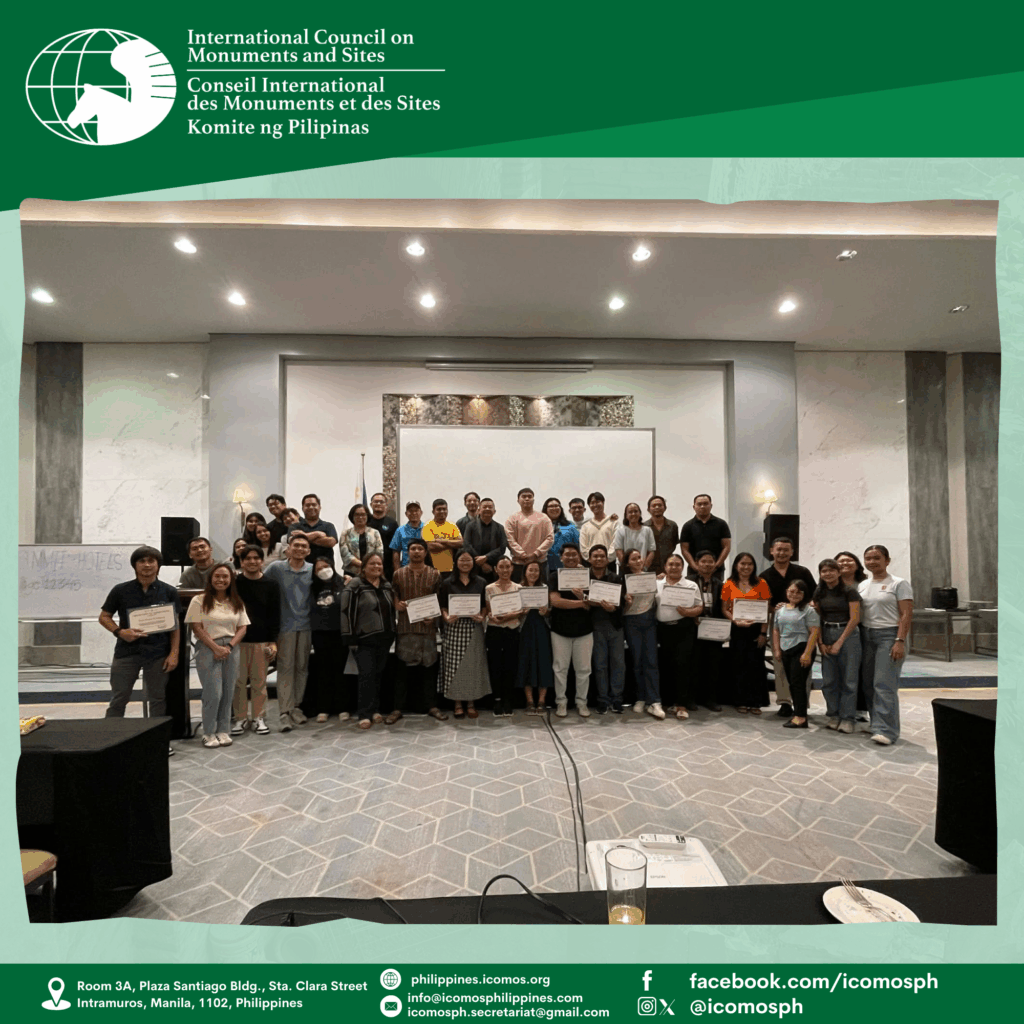
CEBU CITY, Philippines โ€” The Ramon Aboitiz Foundation Inc. (RAFI), in collaboration with ICOMOS Philippines, successfully conducted the Conservation Management Plan (CMP) Workshop on November 18โ€“19, 2025 at Summit Galleria Cebu. The two-day workshop convened heritage practitioners, planners, and partner institutions to strengthen technical and institutional capacities in the preparation and implementation of Conservation Management Plans for significant cultural properties across the country.

Throughout the workshop, participants engaged in in-depth discussions on cultural significance assessments, architectural documentation, structural analysis, archaeology, material studies, and the development of informed conservation strategies tailored to heritage sites. The program also emphasized the practical integration of CMP principles into organizational policies and decision-making processes, promoting a sustainable and evidence-based approach to heritage management.

The workshop was enriched by a distinguished panel of experts from the fields of architecture, conservation, archaeology, and heritage science. Ar. Kenneth Javier Tua, PhDโ€”an economic scientist and heritage conservation specialist with advanced degrees in cultural landscapes, diplomacy, and agricultural scienceโ€” presented the Workshop Guidelines and Outline and explained the Conservation Management Plan (CMP) framework, highlighting its role in guiding stakeholders through a structured process of understanding, assessing, and managing heritage sites. He emphasized how the CMP supports national heritage laws, aligns with regional practices, strengthens UNESCO-related commitments, and fosters transparency, accountability, and collaboration among agencies, experts, and communities. 

Ar. Caryn Paredes-Santillan, PhD, an expert in architectural theory, modern Asian architecture, and conservation planning with doctoral credentials from the University of Tokyo, discussed the role of comparative studies in establishing cultural significance. Her wide-ranging work on CMPs for major Philippine heritage sites such as Intramuros, San Sebastian Basilica, the Manila Central Post Office, and the Cultural Center of the Philippines offered participants a strong foundation in methodological approaches to heritage evaluation.

Architectural conservator Joselito H. Corpus, MHSP, who specializes in stone conservation, disaster risk management, and heritage policy, contributed his extensive experience from both Philippine and international institutions, including his work with the Metropolitan Museum of Artโ€™s Cloisters and the NYC Landmarks Preservation Commission. His leadership in heritage recovery efforts following major disasters in the Philippines provided participants with grounded, practical perspectives on structural assessment and conservation planning.

Cheek S. Fadriquela, PhD –  an Assistant Professor at the University of Santo Tomas Graduate School and Associate Professor at the University of the Philippines Los Baรฑos, shared his expertise in the conservation of wooden built heritage. through the lens of the 7Ms of documentation. He is the current President of ICOMOS Philippines.

Archaeologist Dante Ricardo N. Manipon from the UP School of Archaeology expanded the discussion by introducing participants to the fundamentals of archaeology within development contexts. With ongoing research on Spanish-era forts and churches across the Philippines and experience in public archaeology, he guided participants in recognizing archaeological materials and understanding how discoveries can influence responsible project planning.

Ar. Carmencita Solis, a Cebuano expert in architecture, urban planning, and community-based conservation with graduate studies from the Asian Institute of Technology, discussed the critical role of architectural conditions assessment in the success of any conservation process. As a lecturer at the University of San Carlos and an active member of ICOMOS Philippinesโ€™ ICORP (International Committee on Risk Preparedness), she offered valuable insights into documentation methods and the importance of understanding a structureโ€™s past, present, and future conditions.

Together, these experts provided an interdisciplinary and comprehensive learning experience that deepened participantsโ€™ understanding of heritage values, conservation processes, and management strategies. The collaborative effort between RAFI, ICOMOS Philippines, and the workshop participants marks a significant step toward strengthening heritage stewardship in the Visayas. The success of the workshop reinforces a shared commitment to preserving the cultural, historical, and architectural legacy of Philippine communities and highlights the importance of capacity-building in ensuring that heritage conservation remains informed, sustainable, and community-centered.

#ICOMOSPH #RAFI #CMPWorkshop #CulturalHeritage #ConservationManagement #CebuHeritage #Kabilin #CEBloom #HeritageConservation