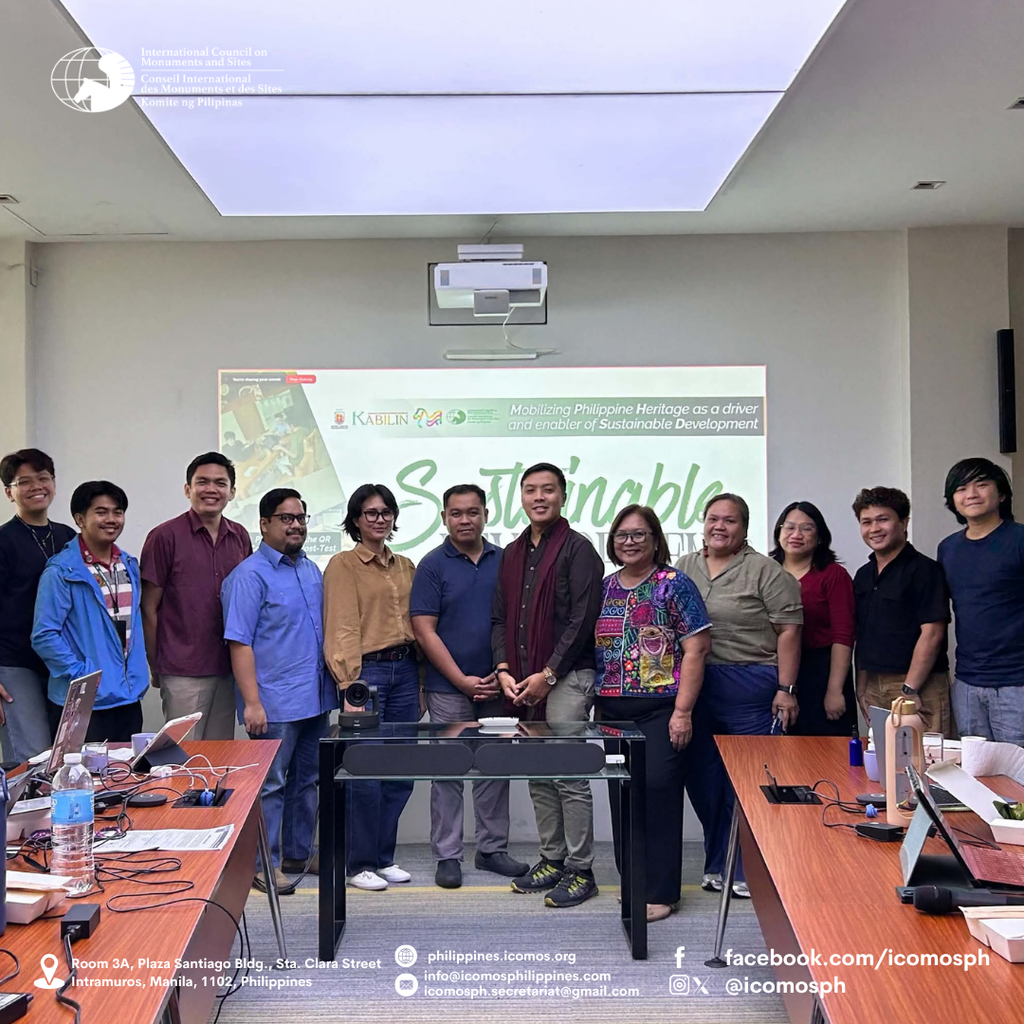
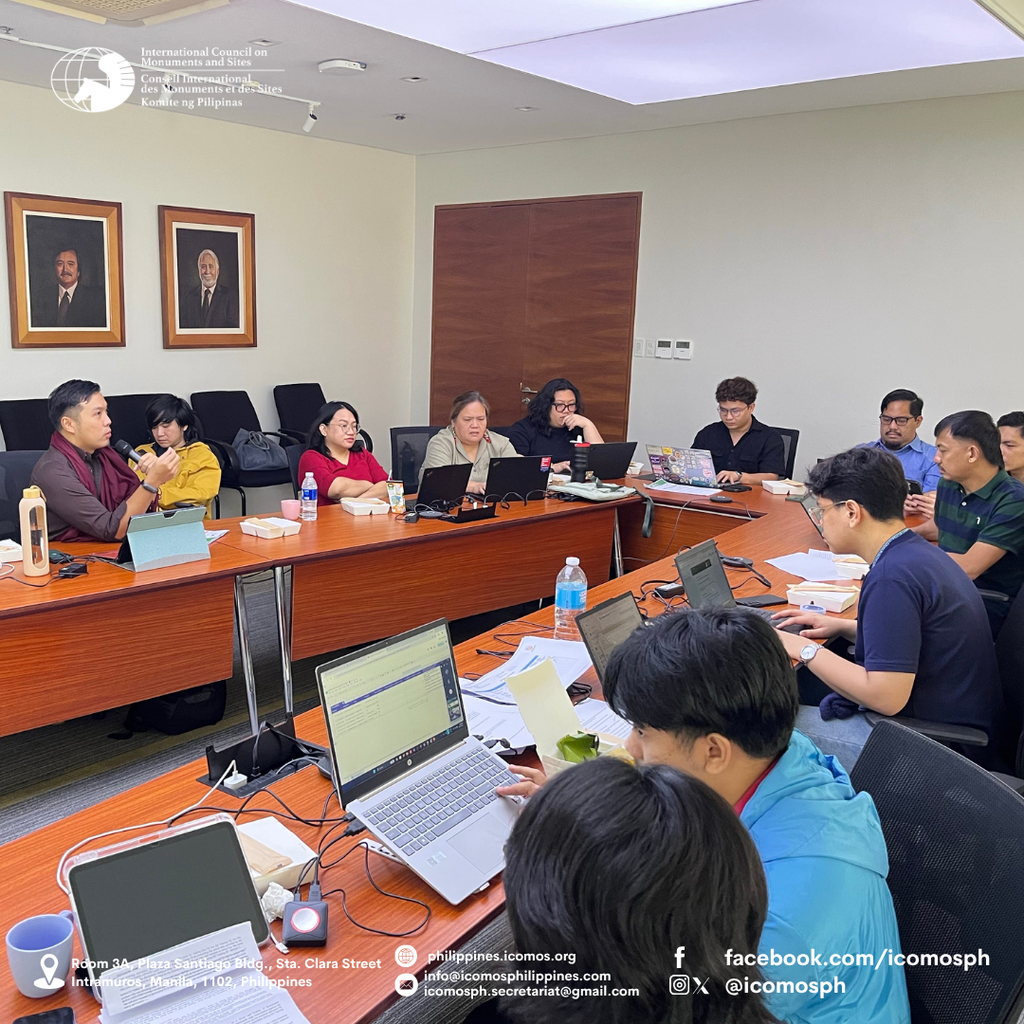
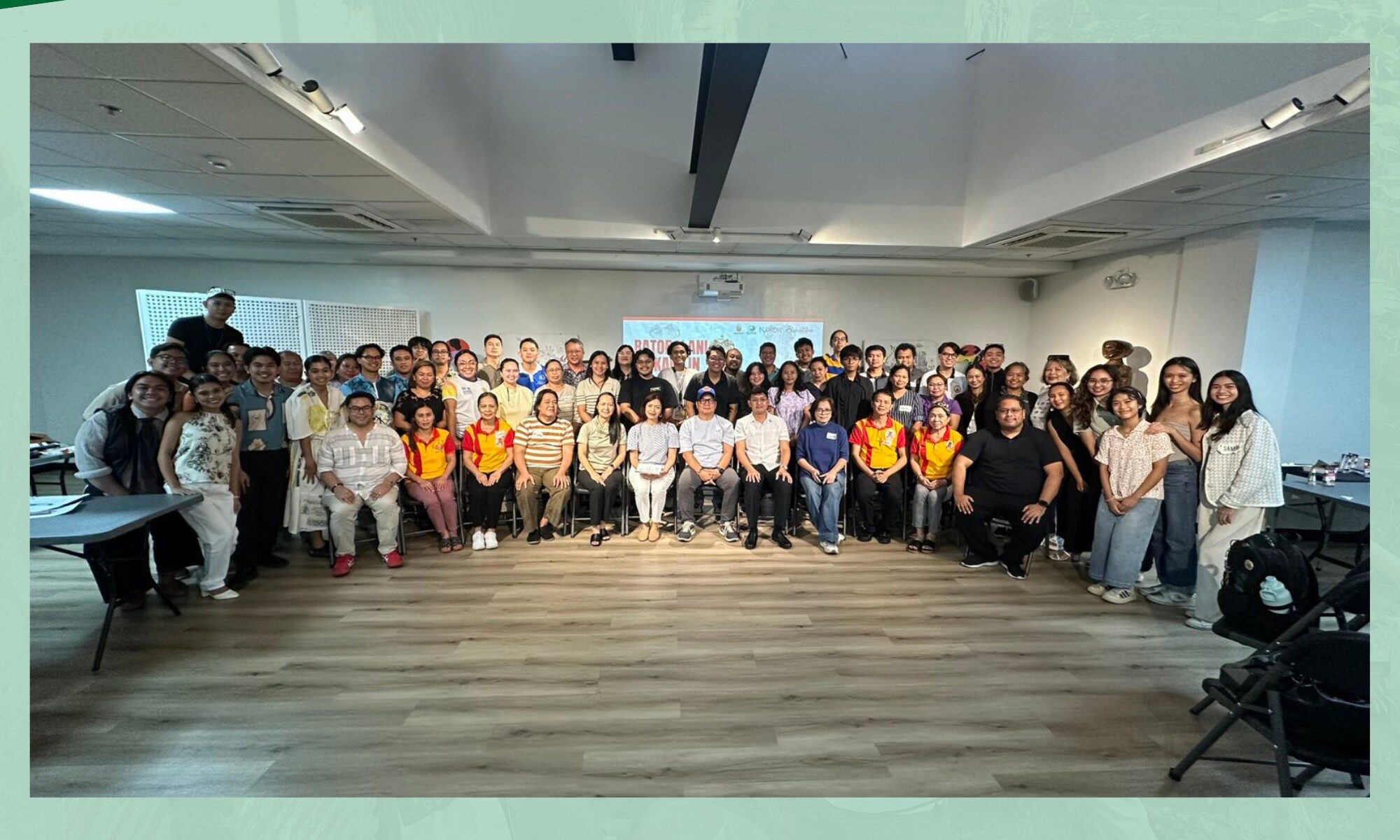
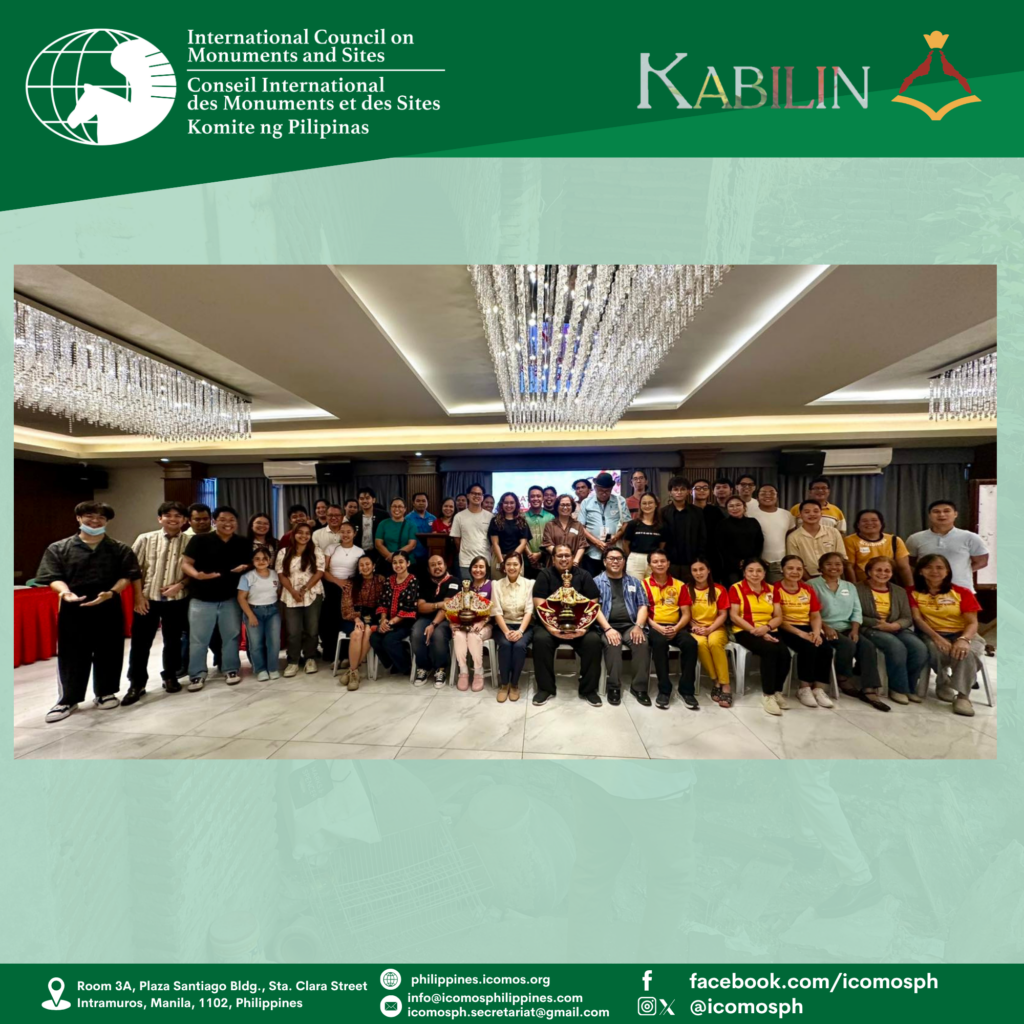
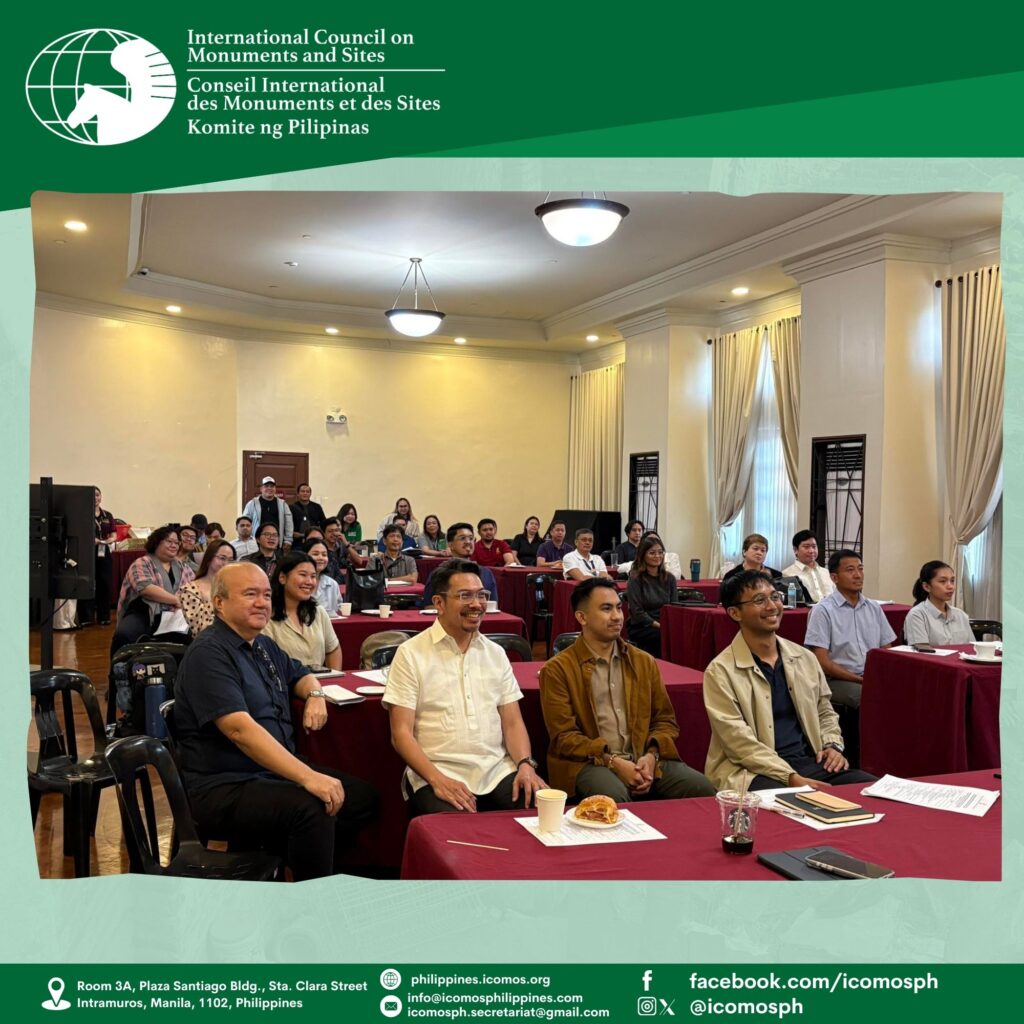
CEBU CITY–ICOMOS Philippines and the Ramon Aboitiz Foundation Inc. (RAFI), through the Kabilin Partnership, conducted Sustainable Development Training 03: Integrating MEAL Plans with the PAMANA 2030 Indicators Framework on September 17 and 18, 2026 at The Kabilin Center in Cebu City.
The two-day training marked another step in the Mobilizing Philippine Heritage as a Driver and Enabler of Sustainable Development (MPHSD) initiative. Building on the earlier trainings on heritage, sustainable development, and indicator development, SD Training 03 focused on putting the framework into actual project use by connecting RAFI’s Monitoring, Evaluation, Accountability, and Learning or MEAL Plans with the PAMANA 2030 Cultural Heritage Assessment and Reporting Tool (CHART). Rather than holding one large plenary session, the training was organized into focused technical working sessions for four heritage initiatives: Casa Gorordo Museum (CGM), The Kabilin Center (TKC), the National Training Course on Disaster Risk Management of Cultural Heritage (DRMCH), and the Safeguarding of the Intangible Cultural Heritage of the Santo Niño Devotion (ICHSN). This allowed each project team to look closely at its existing indicators, available data, and monitoring practices.
During the sessions, participants reviewed how project activities and key performance indicators could contribute to CHART and support wider reporting under the Philippine Development Plan for Culture and the Arts and the UNESCO Culture 2030 Indicators. Discussions also looked at practical questions such as what information needs to be collected, how often data should be gathered, how evidence can be validated, and how these processes can fit into the teams’ regular work rather than becoming a separate reporting requirement. A sample analysis of data from the Batobalani Safeguarding Workshop was also used to show how project-level information can be translated into evidence for sustainable development reporting. From there, the teams worked on matching their respective MEAL indicators with CHART and identifying areas where their monitoring systems could be strengthened.
The training also helped shape the next stage of MPHSD implementation. Participants discussed an implementation runway covering 2026 to 2029, including how data from the four projects can be consolidated and used for future assessment, learning, and reporting. Inputs from the sessions will also contribute to the development of the first PAMANA 2030 publication, “Heritage as a Driver and Enabler of Sustainable Development in the Philippines, Volume 1: Concepts, Policy and Methodology.”
Through SD Training 03, the MPHSD initiative moved beyond developing indicators toward testing how they can work within existing institutional systems. The activity provided the four project teams with space to examine their own data and processes while working toward a shared approach for showing how heritage programs contribute to sustainable development.
Key resource persons and facilitators included:
Gabriel Victor Caballero, MPHSD Project Director
Chen Mencias, ICOMOS Philippines Sustainable Development Goals Working Group Member and Subject Matter Expert
Ador Vincent Mayol, MPHSD Project Lead
Gabrielle Sebastianne “Elle” Bacalso, MPHSD Local Research Assistant
John Rainier Lopez, Kabilin Partnership Project Officer
Michael Alvin Labendia, MEAL Officer
Timothy Augustus Ong, ICOMOS Philippines Board Member
Representatives from RAFI and the Kabilin Partnership Program, who supported the technical working sessions for Casa Gorordo Museum (CGM), The Kabilin Center (TKC), the National Training Course on Disaster Risk Management of Cultural Heritage (DRMCH), and the Safeguarding of the Intangible Cultural Heritage of the Santo Niño Devotion (ICHSN).
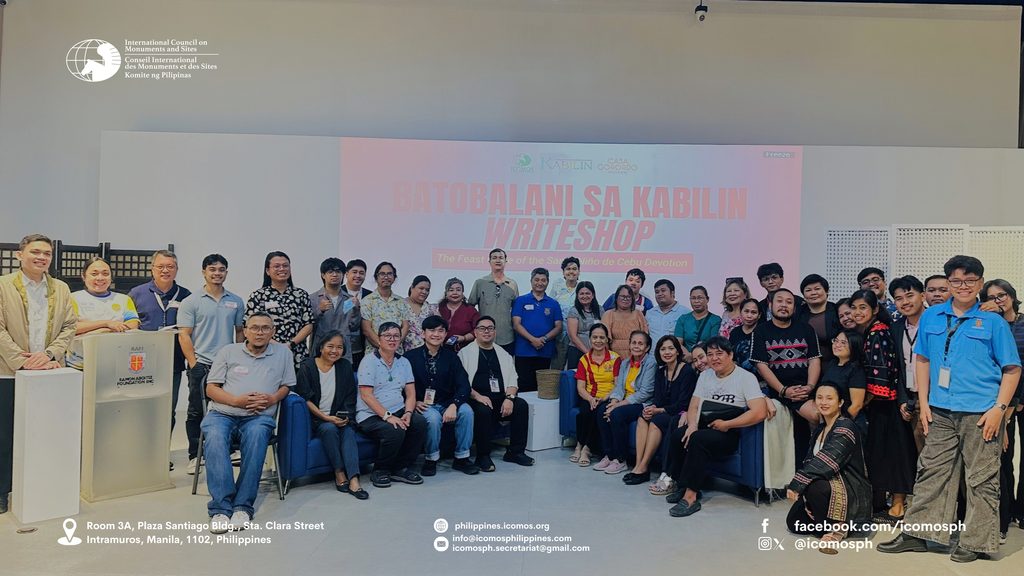
CEBU CITY —The International Council of Monuments and Sites (ICOMOS) Philippines and the Ramon Aboitiz Foundation Inc., through the Kabilin Partnership Program, successfully conducted the Batobalani sa Kabilin Writeshop: The Feast Cycle of the Santo Niño de Cebu Devotion last September 26, 2026, at The Kabilin Center Gallery. The event opened with welcome remarks from Ms. Desiree Gestiada, Program Director of Cebloom Operations, Ramon Aboitiz Foundation Inc. The project team was supported by Trustees of ICOMOS Philippines, Mr. Phillip Medina and Architect Timothy Augustus Ong. Following the opening, Dr. Laya Boquiren-Gonzales, Project Director of ICHSN, presented key safeguarding takeaways gathered from community consultations and focus group discussions, outlining existing good practices in safeguarding intangible cultural heritage, alongside critical gaps that stakeholders themselves identified.
A major highlight of the morning session was an insightful roundtable discussion featuring esteemed discussants Fr. Brian C. Brigoli, Dr. Delilah Labajo, Ar. Melva Java, and Dr. Jose Eleazar Bersales. The discussion was moderated by Dr. Boquiren-Gonzales. Ar. Java talked about how Legazpi wrote to the King that the “Lord waited for us here” where the image was found and “here” for her is kahawanan, space, the place called Sugbu. Furthermore, for Ar. Java “space is ephemeral but when it is inhabited it is invested with meaning and values and it becomes a place.” The panel examined how Cebu’s built environment and spiritual traditions inherently support each other. When the discussion shifted to the idea of a potential UNESCO Intangible Cultural Heritage (ICH) recognition and which register, Dr. Bersales recommended focusing the nomination on elements that are distinctly folk Catholic, with unique, living community practices alongside miracle stories and outside Cebu City. Dr. Labajo mentioned that the ICHSN Project Team shares updates on community consultations, referring to how the feast is celebrated differently in locales outside Cebu City, such as in Oslob. Moreover, Sirong sa Poro, as practiced in Camotes Islands, was also mentioned by Dr. Labajo. Ar. Java recommended highlighting the continuity of the folk and the religious aspects. Fr. Brian Brigoli clarified that “faith is always rooted in culture” through inculturation, a process where the core devotion remains constant while its outward expressions continuously adapt to convey the people’s deepest stories and longings. Explaining that “the dossier is not something dogmatic but cultural,” Fr. Brigoli reassured that the Archdiocese fully supports safeguarding these living traditions within a social system that honors shared memory.
When determining the focus and priorities for the nomination, the panel emphasized living traditions anchored in physical and social geography. Ar. Java suggested the importance of nominating the spatial landscape of lived spaces, such as the maritime and processional routes linking San Nicolas, Mandaue, and Pier 1, noting that these interconnected routes bind sacred places together and sustain the devotion’s long-term perpetuity. When asked to strategically prioritize ICH elements, Dr. Bersales argued that that specific practices carry immense standalone merit, pointing out that “the dance alone, the Sinulog dance* outside the Magellan’s cross is in itself worthy of a single nomination.” Dr. Labajo concurred that the candle vendors’ traditionalsinu’og as distinct due to its early pre-colonial origins and the way its traditional chants adapt to reflect modern societal challenges. However, the “Kinampilan” continued by the Mabolo troupe was also mentioned, urging efforts to actively enliven and propagate these dances rather than letting them freeze or fade away. Other than these are the songs that need to be documented and archived. To guide this selection, Fr. Brigoli outlined three essential criteria: (1) deep historical memory rooted in pre-colonial origins, (2) a vibrant communal life with an unbroken line of intergenerational transmission, and (3) shared stewardship that keeps this living heritage ethically visible.
The afternoon session transitioned into hands-on collaborative work, starting with a workshop orientation led by Ms. Chelsea Kaye Mara-Cabahug, Local Researcher for ICHSN. Participants then broke into specialized clusters guided by esteemed Subject Matter Experts from ICOMOS Philippines. In Cluster 1, participants examined Living Devotion and Intergenerational Transmission under the guidance of Mr. Phillip Medina, while Cluster 2 addressed Rituals, Cultural Settings, and Risk Reduction with Ar. Timothy Augustus Ong. Simultaneously, Cluster 3 tackled Documentation, and Interpretation through the expertise of Ms. Kara Velez Garilao, and Cluster 4 explored Social Infrastructure, Inclusive Participation, and Community Partnerships with Dr. Laya Boquiren-Gonzales. Following these productive cluster discussions, the session concluded with each group presenting possible initiatives in response to what they believe to be needs for safeguarding intangible cultural heritage in cultural sites connected to the Santo Nino de Cebu devotion.
The writeshop ended on a celebratory note with the awarding of certificates to all participants, experts, and core team members. RAFI and ICOMOS Philippines both extend their heartfelt gratitude to every partner, advocate, and participant whose dedication continues to drive this crucial initiative forward.
*The ICHSN Project Team has previously engaged the candle vendors of the Basilica United Vendors’ Association or BUVPA in community consultations and in-depth interviews.
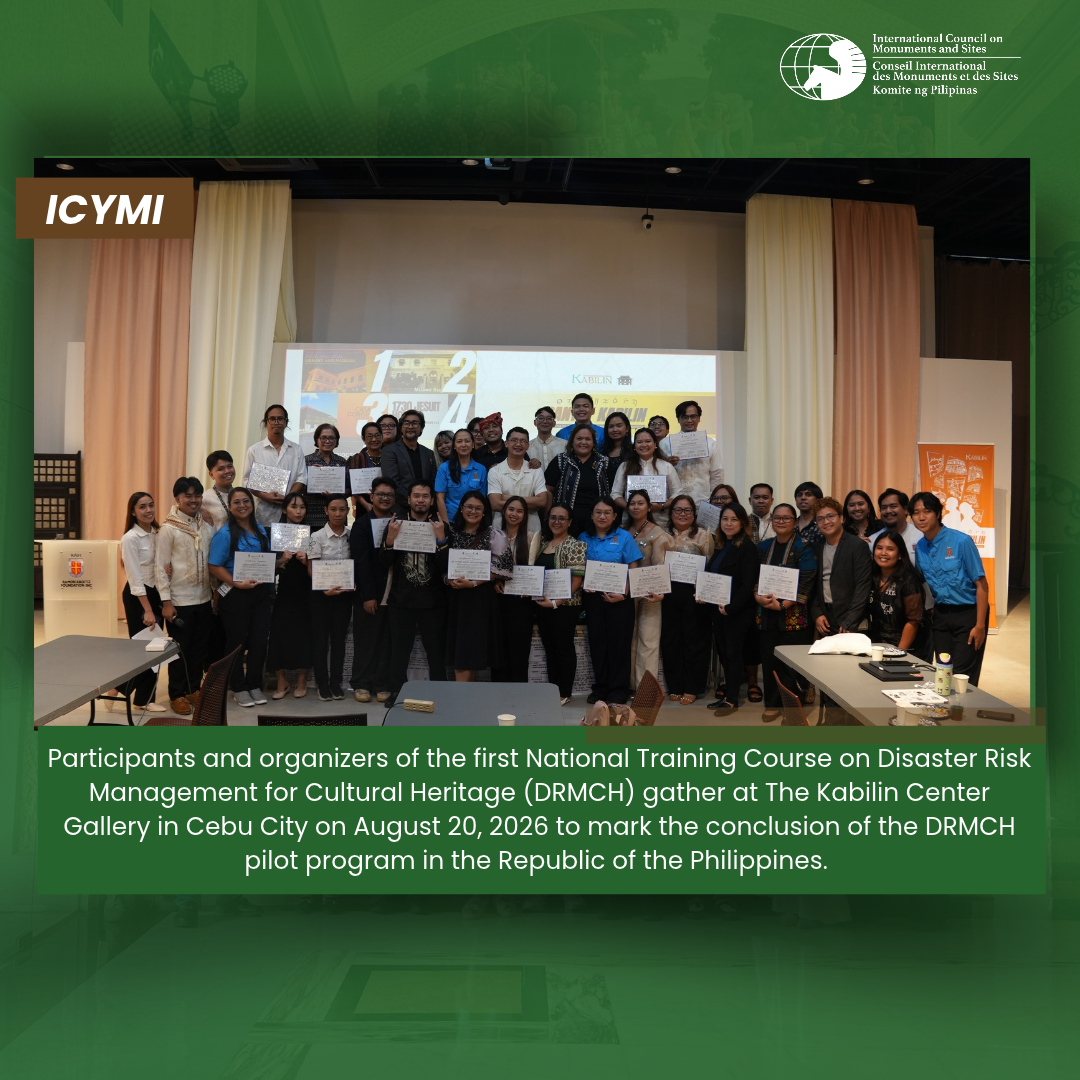
CEBU CITY, Philippines | July 27–August 20, 2026 — The Bantay Kabilin: Pilot Training Program on Disaster Risk Management for Cultural Heritage (DRMCH) officially concluded on August 20, 2026, marking an important step toward strengthening the capacity of heritage practitioners, institutions, and communities to prepare for, respond to, and recover from disasters affecting cultural heritage.
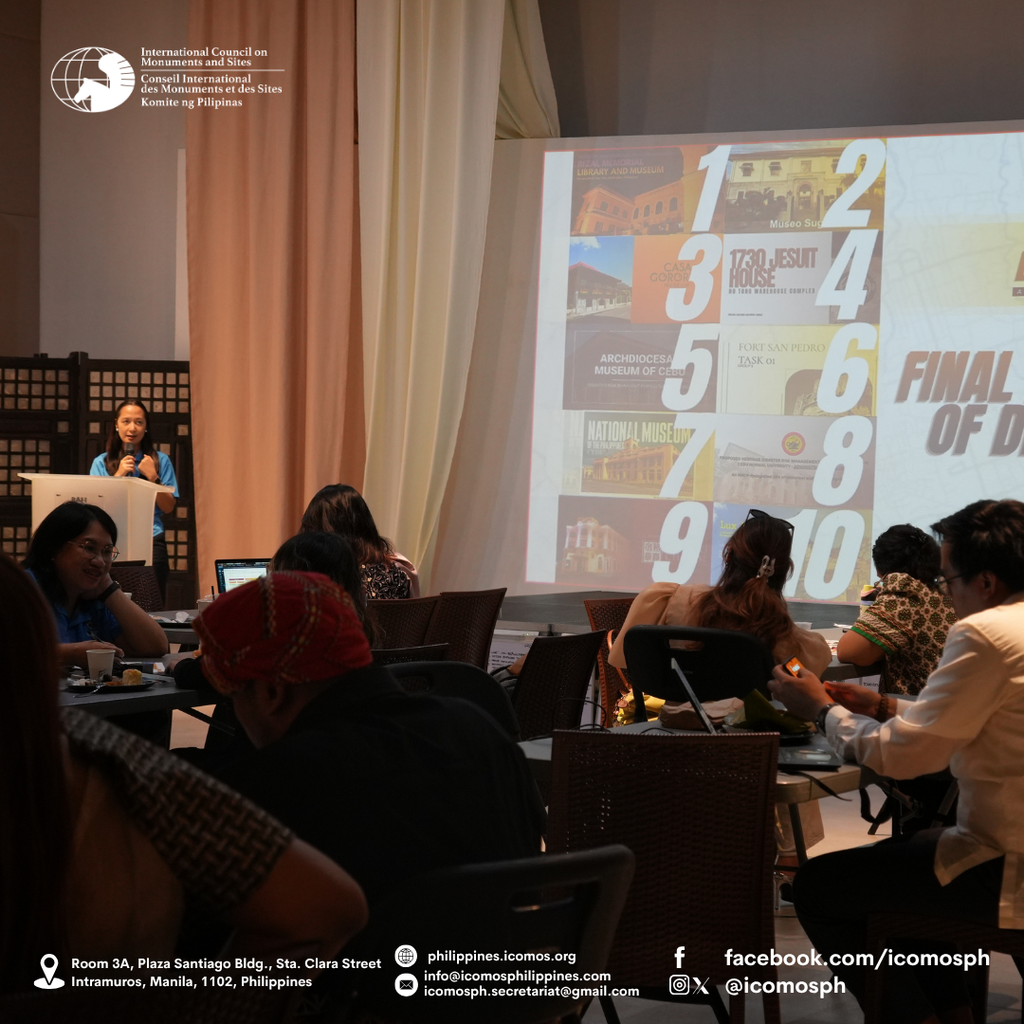
The 16-day pilot program brought together participants representing 10 case sites across Cebu City. Beyond developing individual skills, the program aimed to build a community of DRMCH practitioners, future trainers, and advocates who can bring disaster preparedness into their respective institutions and communities.
The program was led by Mr. Joselito H. Corpus, MSHP, Kabilin Partnership Program (KPP): DRMCH Project Director; Ar. Kenneth Tua, PhDAgSci, KPP Chief Project Officer; Ar. King Rosales, DRMCH Project Lead; and Ar. Kristi Marie Gultiano, Local Research Assistant, with the technical expertise and guidance of ICOMOS Philippines.
Throughout the training, participants engaged in lectures, workshops, field activities, discussions, and group exercises led by international, national, and local experts. These sessions covered key DRMCH concepts, including heritage values, hazard identification, vulnerability and risk assessment, mitigation, preparedness, emergency response, and recovery.
A central component of the program was the practical application of DRMCH principles. Working in multidisciplinary teams, participants applied tools and methodologies to their assigned case sites, considering heritage significance, local contexts, stakeholder perspectives, vulnerabilities, and potential disaster risks.
The program also celebrated Cebu’s rich cultural diversity. Through their attire and activities, participants represented the various tribes and cultures of Cebu City, underscoring that cultural heritage extends beyond historic structures and collections to include traditions, knowledge, identities, and living communities.
One of the major outputs of the pilot was the development of 10 Heritage Disaster Risk Management Plans (HDRMPs), one for each case site. During the Presentation of Group Outputs and Action Plans, the teams presented their proposed measures based on the specific heritage values, risks, stakeholders, and circumstances of their sites.
The presentations were followed by a Technical Review and Panel Feedback, where experts provided recommendations and constructive observations to further strengthen the plans and ensure their applicability. These outputs now provide a starting point for site custodians, cultural institutions, heritage practitioners, and other stakeholders to improve preparedness and develop more coordinated responses during emergencies.
The project team emphasized that the plans should not remain as training outputs alone. Instead, they are intended to be continuously refined, adopted, and institutionalized as practical documents that can guide preparedness, response, and recovery efforts.
Ar. Maria Lourdes Onozawa shed tears as she recalls the past heritage conservation in Cebu during the National Training Course on DRMCH on August 20, 2026. – Photo Courtesy of The Kabilin Center
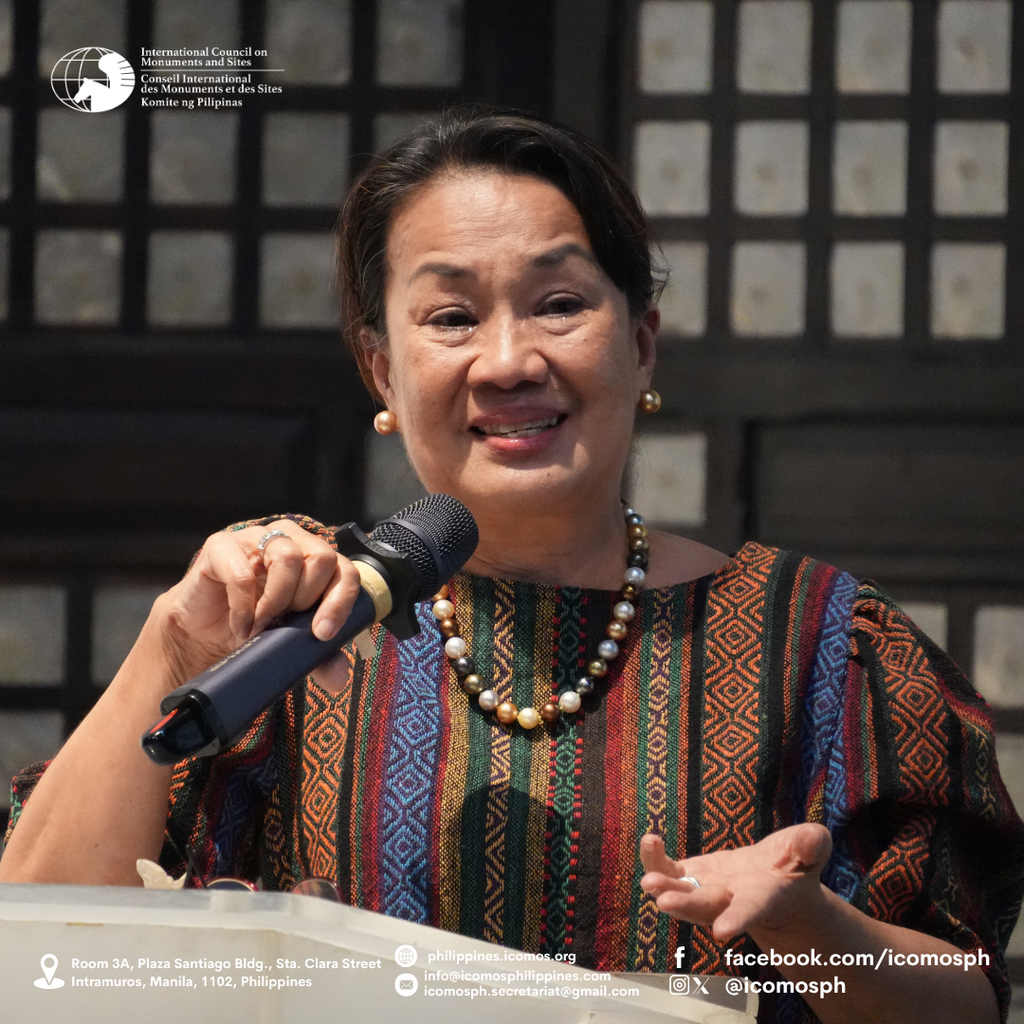
The program also gave participants an opportunity to reflect on the broader responsibility of heritage stewardship. Ar. Maria Lourdes Onozawa, an ICOMOS Philippines expert based in Cebu City, shared reflections on Cebu’s long history of heritage conservation and recognized the contributions of people and institutions that have sustained these efforts over the years. She also acknowledged the significant role of the Ramon Aboitiz Foundation, Inc. (RAFI) in supporting cultural heritage initiatives in Cebu.
Marie Sol Delantar-Gonzalvo, executive director of the Ramon Aboitiz Foundation Inc.’s Cebu North and Central Portfolio, addresses the participants of the first National Training Course on DRMCH at the end of the DRMCH pilot program on August 20, 2026. – Photo Courtesy of The Kabilin Center
During the closing program, Ms. Marie Sol Delantar-Gonzalvo, RAFI’s Cebu North and Central Portfolio (NCP) Executive Director, expressed appreciation to ICOMOS Philippines, the Japan Foundation in Manila, organizers, resource persons, and participants for their commitment throughout the pilot. She emphasized the important role of local heritage workers, who are often among the first responders and custodians of cultural heritage during disasters, and encouraged participants to apply their learning within their institutions and communities.
The importance of the program is especially relevant in the Philippines, where communities continue to face typhoons, earthquakes, floods, fires, and other hazards. Cultural heritage can be particularly vulnerable due to the age and condition of heritage resources, their materials and locations, and limited resources for their protection. Strengthening preparedness is therefore essential to reducing risks and enabling more coordinated responses during emergencies.
For Ar. Ramil B. Tibayan, President of ICOMOS Philippines, the completion of Bantay Kabilin represents an important step toward strengthening the preparedness and resilience of cultural heritage stakeholders. He also highlighted the potential of the pilot to serve as a foundation for ICOMOS Philippines to develop a national certification or capacity-building framework for cultural heritage workers, particularly in DRMCH.
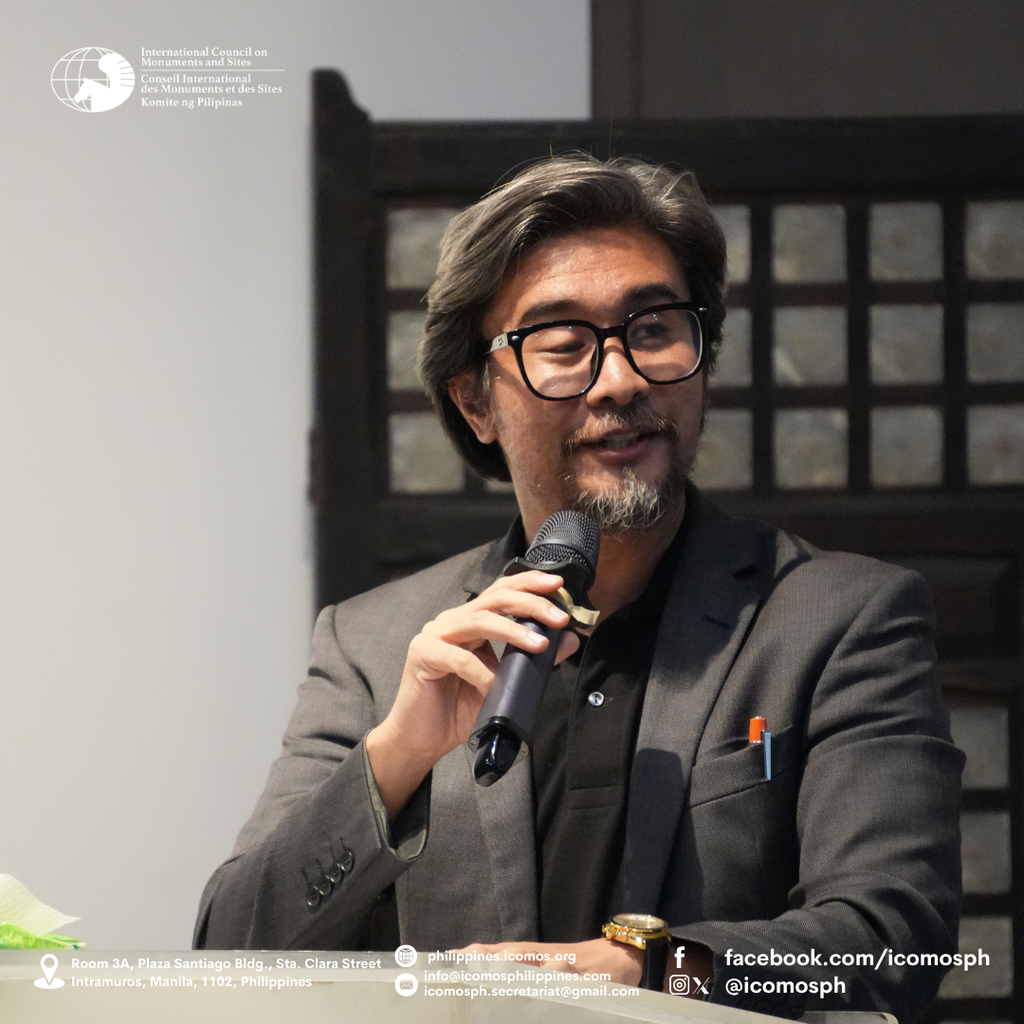
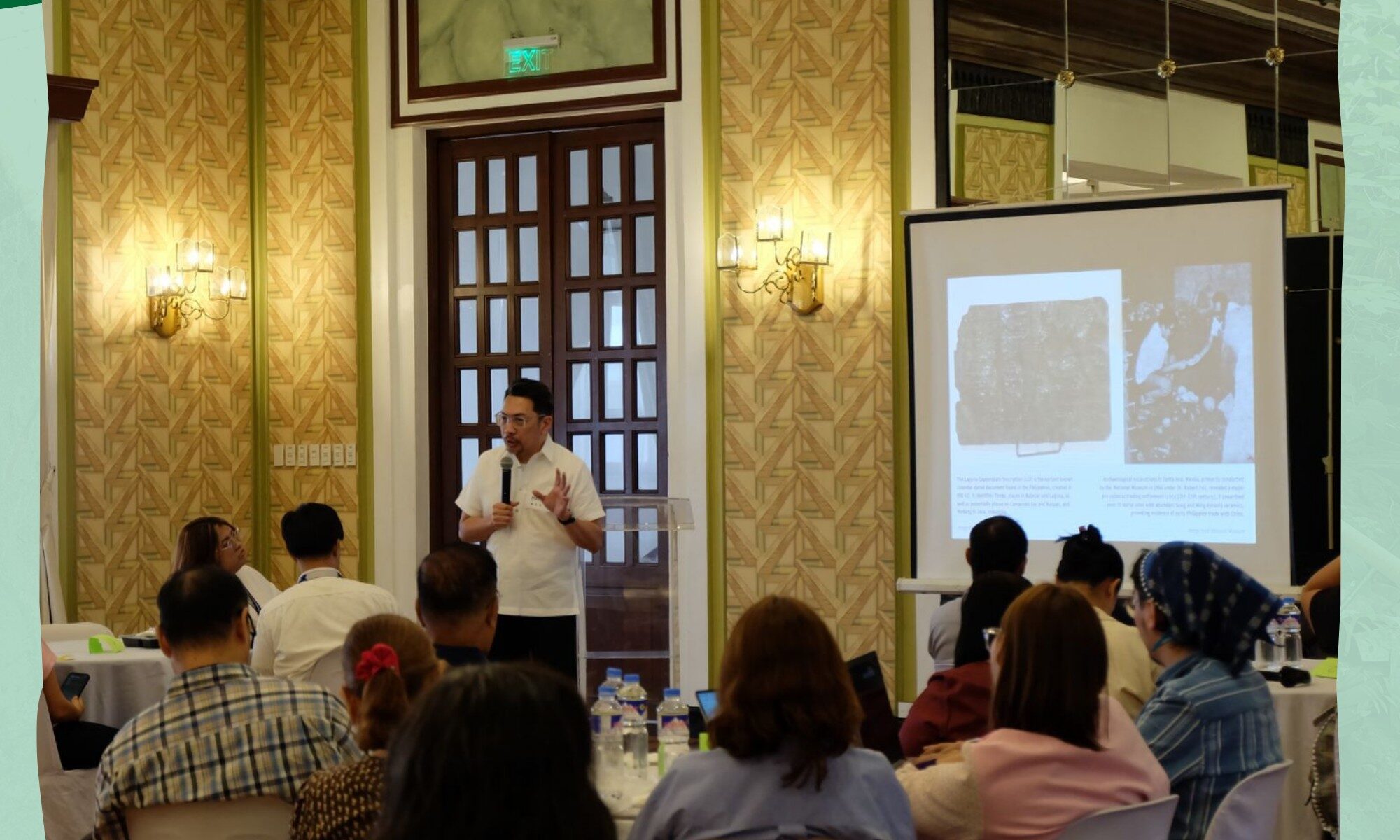
Ar. Ramil Tibayan, President of the International Council on Monuments and Sites (ICOMOS) Philippines, Inc., speaks during the first National Training Course on DRMCH at The Kabilin Center Plenary Gallery in Cebu City on August 20, 2026. – Photo Courtesy of The Kabilin Center
Ar. Tibayan emphasized that the success of the program will ultimately be measured by how participants translate their learning into actual preparedness measures, response protocols, and conservation practices within their institutions and communities. He also recognized the collective efforts of partner organizations, experts, facilitators, site representatives, and participants, underscoring that heritage resilience is a shared responsibility.
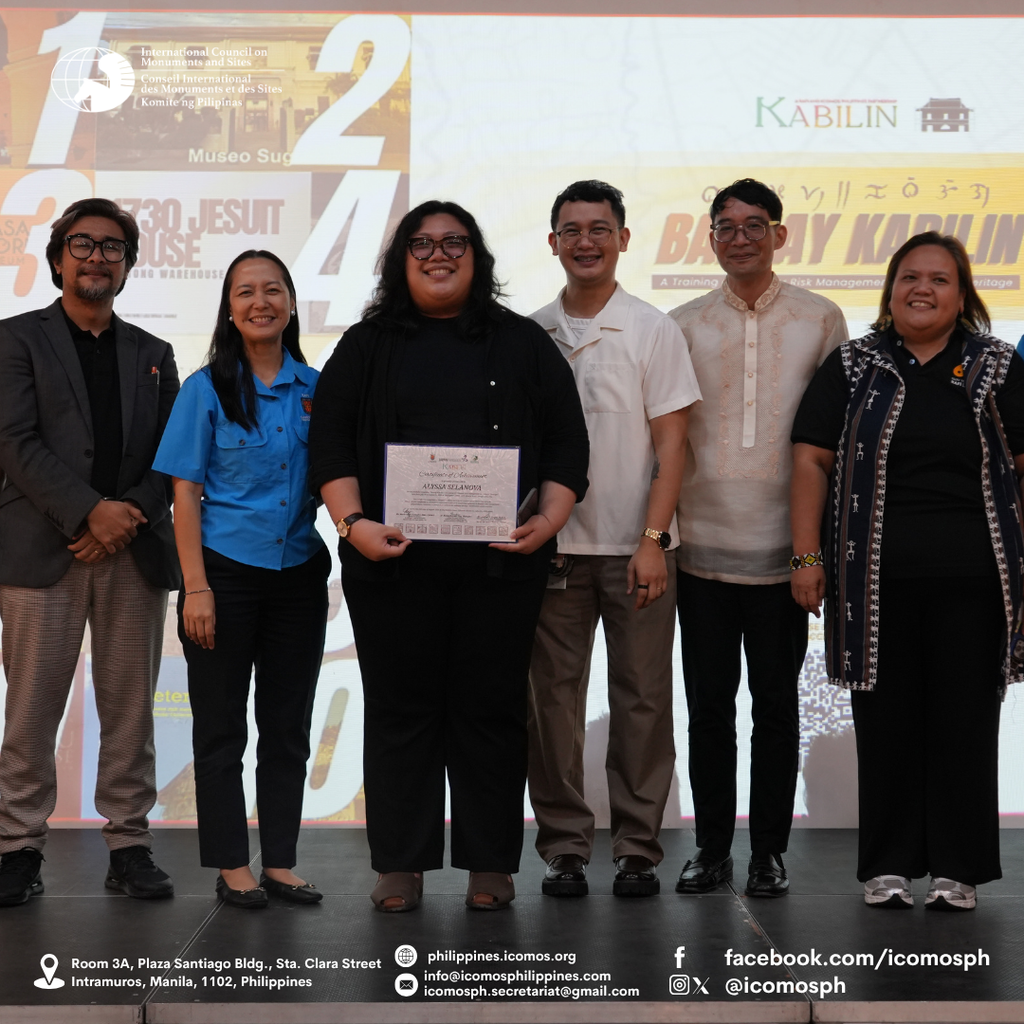
Alyssa Selanova (fourth from left), one of the participants, receives the Certificate of Achievement following the conduct of the first National Training Course for DRMCH at The Kabilin Center Gallery in Cebu City on August 20, 2026. – Photo Courtesy of The Kabilin Center
The completion of Bantay Kabilin marks more than the close of a 16-day training program. It represents the beginning of a sustained commitment to transforming knowledge into action, strengthening institutional partnerships, and embedding disaster preparedness at the heart of cultural heritage conservation.
The program formally concluded with the Awarding of Certificates of Achievement, honoring the participants, subject matter experts, organizers, and partner institutions whose dedication and collaboration made the successful implementation of this pilot initiative possible. As Bantay Kabilin advances beyond its pilot phase, the lessons learned, partnerships forged, and 10 DRMCH plans developed through the program provide a strong foundation for future capacity-building efforts and cross-sector collaboration. More importantly, it has cultivated a growing network of heritage and disaster risk management practitioners united by a shared purpose: safeguarding cultural heritage through proactive action, building resilience in the face of increasing risks, and ensuring that the stories, traditions, and identities embodied in heritage continue to inspire and endure for generations to come.
Batobalani sa Kabilin is a three-day safeguarding workshop under the Intangible Cultural Heritage of the Santo Niño de Cebu Devotion Project, implemented through the Kabilin Partnership between the Ramon Aboitiz Foundation Inc. (RAFI) and the International Council on Monuments and Sites (ICOMOS) Philippines. Drawing from the meaning of batobalani—a force that brings people together—the initiative celebrates the communities, cultural practices, and shared knowledge that sustain the Santo Niño devotion’s intangible cultural heritage elements within its broader cultural ecosystem as practiced in heritage sites. Through research aggregation, safeguarding planning, multi-stakeholder coalition building, education, interpretation, and community engagement, Project Batobalani seeks to strengthen this living heritage and support its transmission to future generations.
Across three days, the Batobalani sa Kabilin Workshop demonstrated that safeguarding is not merely about documenting traditions but about strengthening the relationships, knowledge systems, institutions, and communities that sustain them. By bringing together practitioners, devotees, community organizations, scholars, government agencies, and heritage professionals, the workshop embodied the principle of the widest possible participation and laid the foundation for a more inclusive, community-driven, and sustainable future for the intangible cultural heritage of the Santo Niño de Cebu devotion.
The workshop was attended by a diverse group of stakeholders representing the many communities and sectors that contribute to the vitality of the Santo Niño de Cebu devotion. Participants included representatives from Basilica community-mandated organizations, partner barangays, local government units, museums and heritage interpretation centers, academic and research institutions from Cebu and Leyte, image bearers and caretakers of devotional images, Sinug troupe culture bearers, craft artisans, tourism officers, sectoral representatives, and devotees. Their presence reflected the broad cultural ecosystem that sustains the devotion and affirmed the importance of collaborative safeguarding grounded in community participation in heritage sites and settings.
The organizers also extend their heartfelt appreciation to the Kabilin Youth Partners, a dedicated group of volunteer third-year students from the University of the Philippines Cebu College of Communication, Art, and Design Communication Program. Throughout the workshop, these young heritage advocates provided invaluable support in documentation, ensuring participant welfare, and logistics. Their enthusiasm, professionalism, and commitment to cultural heritage demonstrate the vital role of youth in safeguarding living traditions and ensuring that the values, knowledge, and practices associated with the Santo Niño de Cebu devotion continue to be appreciated and transmitted to future generations.
The team of Project Batobalani gratefully acknowledge the partnership and support of Ramon Aboitiz Foundation Inc. (RAFI), ICOMOS Philippines, and Casa Gorordo Museum. The workshop was made possible through the generosity of its venue partners and hosts: Cebu City Museum, Basilica Minore del Santo Niño de Cebu, and The Kabilin Center Open Space. We likewise extend our appreciation to the UNESCO Philippine National Commission and the National Commission for Culture and the Arts (NCCA) for enriching the workshop through their keynote sessions and contributions to the ongoing conversation on safeguarding living heritage in the Philippines and Asia.
International Council on Monuments and Sites – ICOMOS Philippines
RAFI – Ramon Aboitiz Foundation Inc.
Casa Gorordo Museum
Cebu City Museum
Basilica Minore del Santo Nino
The Kabilin Center
UNESCO-Philippine National Commission
National Commission for Culture and the Arts
UP Cebu College of Communication, Art, and Design – CCAD
Communicators of UP
Keynote Speakers and Panel Discussants:
UNESCO National Commission, Secretary General – Dr. Ivan Anthony Henares
UP Cebu CCAD Faculty and ICOMOS Member-Workshop Convener – Dr. Laya Boquiren Gonzales
National Committee on Monuments and Sites Member, National Commission on Culture and the Arts and UP Los Banos Faculty – Berniemack Arellano (MS Geography)
Cavite Historian and ICOMOS Member- Phillip Medina (Phd Candidate, UP Diliman History)
Cultural Worker and Anthropologist- Nestor Horfilla
Chief, Program Management Division,
National Commission on Culture and the Arts – Renee Talavera
CHAC Commissioner and Conservation Architect – Ar. Melva Java
Historian, PhD University of Navarra and University of Asia and the Pacific Professor of History – Dr. Svetlana Camacho
Cebu Normal University Assistant Professor – Ian Dale Rios
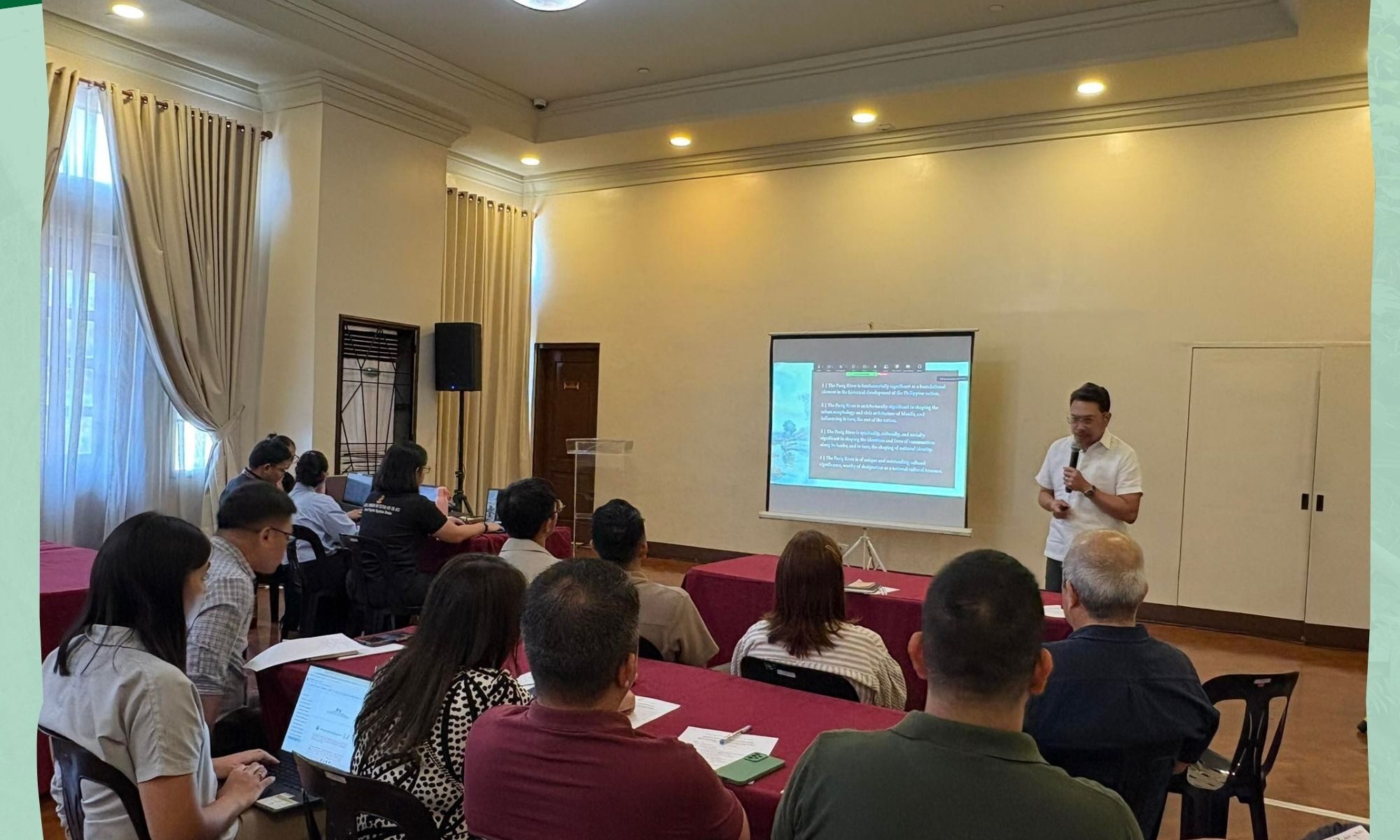
Manila, Philippines — Building on the National Commission for Culture and the Arts (NCCA)’s Petition to Declare the Pasig River as a National Cultural Treasure and the earlier Focus Group Discussion and Preliminary Stakeholders Meeting held on April 8, 2026, a Stakeholders Consultation was convened on May 25, 2026 at the Manila Metropolitan Theater Grand Ballroom, bringing together a broad spectrum of heritage advocates, local government representatives, academic institutions, business groups, conservation organizations, and cultural stakeholders.
Organized by ICOMOS Philippines and the Heritage Conservation Society (HCS), the consultation served as a key platform for advancing the discourse on the Pasig River’s declaration as a National Cultural Treasure (NCT), underscoring its role as a heritage corridor central to Philippine history, identity, and urban development.
In his opening remarks, ICOMOS Philippines President Dr. Cheek S. Fadriquela emphasized the Pasig River as a vital cultural and historical landscape that shaped the growth of Manila and the nation. Describing it as the “builder of Manila,” he highlighted its historic function as a center of trade, movement, and community life. He stressed that while ongoing rehabilitation and development remain essential, equal priority must be given to recognizing the river’s cultural and heritage value as a living repository of memory, identity, and shared history.
One of the convenors, Atty. Mark Evidente then presented the research foundation of the petition, outlining the river’s historical, architectural, spiritual, cultural, and social significance. He underscored its connection to early Philippine history, including its association with the Laguna Copperplate Inscription, and its role in the development of early commerce in Manila. Framing the river as a multidimensional cultural landscape, he emphasized its intersections with urbanism, spirituality, transportation, commerce, and community life, and articulated four key arguments supporting its declaration as an NCT: its foundational role in national history, its influence on urban form and civic architecture, its cultural and social significance in shaping identity, and its outstanding cultural value warranting formal recognition.
A structured stakeholder feedback session followed, allowing participants to reflect on their personal and institutional connections to the river, raise concerns about the petition, and articulate hopes for its future. Common themes emerged across sectors, including improved public access to the river, biodiversity restoration, revival of water-based transportation, stronger heritage protection frameworks, and cautious scrutiny of infrastructure projects perceived to threaten the river’s ecological and cultural integrity.
Representatives from the Philippine Coastal Storage & Pipeline Corporation highlighted the Pasig River’s historic role as a transportation and logistics artery connecting key urban landmarks such as Jones Bridge and McArthur Bridge. They stressed that any restoration effort must go beyond heritage appreciation and include urgent attention to sanitation, sewage management, waste control, and human settlement issues, noting that improved water quality would directly enhance the quality of life for surrounding communities.
Discussions further emphasized ecological restoration, with stakeholders advocating for the reintroduction of mangroves, aquatic vegetation, and biodiversity-supportive interventions inspired by successful river rehabilitation models abroad. Participants noted that such efforts could contribute to flood mitigation, enhance public green spaces, and strengthen community engagement with the river. The dialogue also revisited the river’s historic role in connecting settlements such as Santa Ana, Manila and Taytay, with calls for improved and sustainable water-based transport systems to reduce congestion and restore navigability.
Maritime heritage was also highlighted through the intervention of Art Valdez, who discussed the Voyage of the Balangay initiative and its goal of reviving Filipino maritime consciousness. He emphasized that Philippine waterways once functioned as essential national highways for trade and mobility, and noted that despite modern navigational challenges, river journeys continue to demonstrate the Pasig River’s enduring cultural and historical relevance. Participants further suggested that direct river experiences for local leaders could deepen appreciation of its condition and potential.
The consultation also addressed governance and policy directions, with Atty. Evidente acknowledged the complexities of translating the petition into law. He emphasized the need for adequate resources, political will, and coordinated implementation across national and local governments, supported by zoning plans, ordinances, and context-specific heritage policies. He clarified common misconceptions about heritage conservation, noting that it does not imply rigid preservation but rather adaptive planning approaches such as heritage zoning, buffer zones, and integrated urban development strategies that allow local government units to define the river’s significance within their own contexts.
Further discussions explored heritage districts, archaeological potential, adaptive reuse, and urban identity, with participants identifying historical settlements, civic centers, churches, plazas, and institutional structures linked to the river. An archaeologist Mr. Arturo Joseph Tablan III from the Intramuros Administration underscored the importance of archaeological research in heritage interpretation, a point supported by Atty. Evidente, who noted that significant portions of Philippine riverine history remain underexplored and warrant systematic study.
Concerns over large-scale infrastructure proposals, including PAREX, were strongly raised, with stakeholders urging that any development affecting the river be evaluated not only for mobility outcomes but also for its ecological, hydrological, and heritage impacts, including effects on tributaries and esteros.
The consultation concluded with remarks from Ar. Giuseppe Luigi Abcede, HCS President who emphasized that Philippine history cannot be separated from the Pasig River. He stressed that the river is deeply intertwined with the nation’s art, culture, heritage practice, urban planning, and mobility, and underscored that the initiative to declare it a National Cultural Treasure represents a broader national effort to recognize and protect its enduring role in shaping Filipino identity and collective memory.
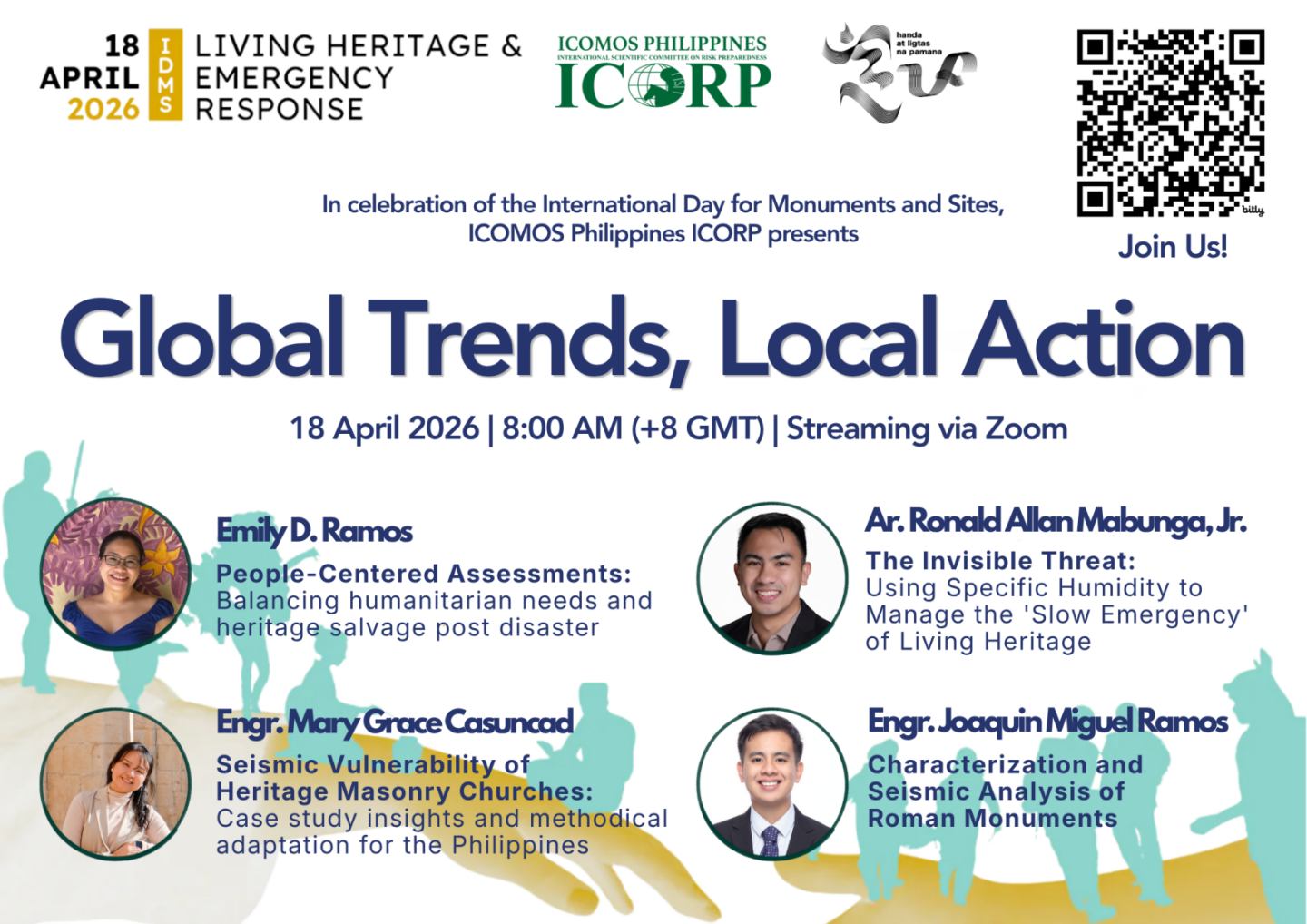
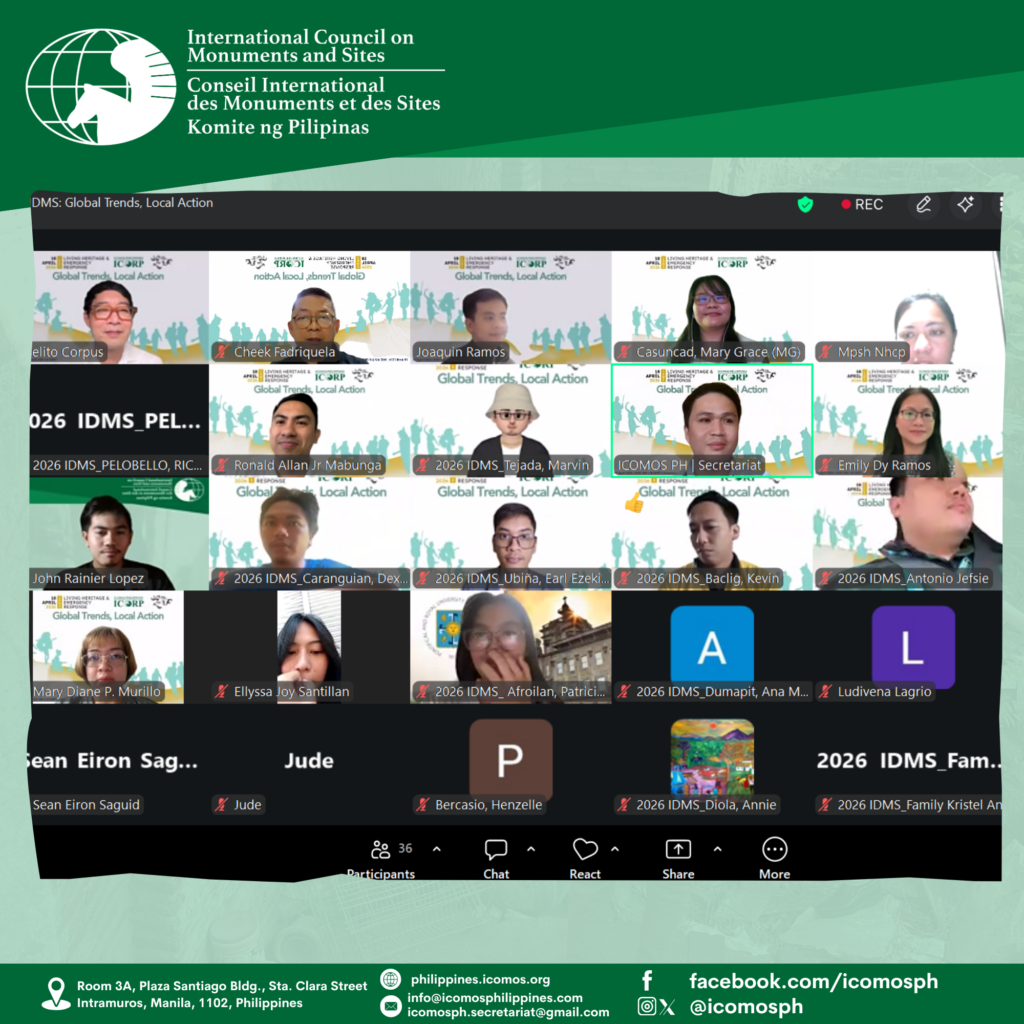
As the world marked the International Day for Monuments and Sites, the conversation around preserving the past took on renewed urgency. On April 18, 2026, ICOMOS Philippines ICORP brought together voices from across disciplines in a virtual forum titled “Global Trends, Local Action,” spotlighting the realities faced by heritage sites in an increasingly uncertain environment.
Behind every centuries-old church, ancestral home, or cultural landscape lies more than just stone and structure. It holds memory, identity, and continuity. This idea shaped much of the discussion, as experts emphasized that conservation must move beyond physical preservation. A key theme that emerged was the need for people-centered approaches, especially in post-disaster contexts where communities and heritage are deeply intertwined. Protecting heritage, speakers noted, also means supporting the people who give it life.
ICOMOS Philippines President Dr. Cheek Fadriquela emphasized the importance of collective action and shared responsibility, noting that the presence of participants from various sectors reflects a common commitment to heritage work rooted in collaboration and shared knowledge. He highlighted that heritage extends beyond monuments to include people, traditions, and communities, while drawing attention to increasing risks such as disasters and rapid development. He further stressed that in the Philippine context, there is a need to remain proactive, responsive, and innovative, grounding global insights in local realities.
The forum featured a diverse lineup of speakers who shared both practical and technical insights. Emily D. Ramos discussed people-centered assessments, focusing on balancing humanitarian needs with heritage conservation in post-disaster scenarios. Ing. Ar. Ronald Allan Mabunga, Jr. examined the “invisible threat” of humidity and how managing it is key to addressing the slow deterioration of living heritage. Meanwhile, Engr. Mary Grace Lim Casuncad presented on the seismic vulnerability of heritage masonry churches, offering case study insights and methodological adaptations for the Philippine setting. Engr. Joaquin Miguel Ramos complemented this with a discussion on the characterization and seismic analysis of Roman monuments, providing comparative perspectives for structural conservation.
Yet not all threats arrive with force. Some, like humidity, work quietly in the background. Described during the forum as a “slow emergency,” prolonged exposure to moisture gradually weakens materials and places heritage structures at risk over time. In a tropical country like the Philippines, this challenge is both constant and often underestimated, prompting calls for more proactive and localized conservation strategies.
At the same time, the forum did not shy away from more immediate dangers. Discussions on seismic vulnerability highlighted the fragile condition of many heritage masonry churches in the country. By drawing comparisons with international case studies and sharing technical analyses, speakers underscored the importance of integrating scientific methods and structural assessment into conservation practices.
Organizers emphasized that while global frameworks continue to guide heritage work, solutions must be grounded in local realities. No single approach fits all, and effective conservation depends on collaboration across disciplines, sectors, and communities.
The successful conduct of the forum was made possible through the support and leadership of the ICORP Head, Mr. JH Corpus, whose efforts helped bring together experts and participants for this timely exchange. In the end, the forum served not just as a space for dialogue, but as a reminder that heritage protection is an ongoing responsibility. As risks evolve, so too must the ways we safeguard the stories and spaces that define who we are. – John Rainier Lopez
Manila, Philippines—April 8, 2026 —The National Commission for Culture and the Arts (NCCA) convened a Focus Group Discussion (FGD) and preliminary stakeholders’ meeting on April 8, 2026, at the Metropolitan Theater Music Hall as part of the ongoing process to declare the Pasig River a National Cultural Treasure.
The consultation brought together representatives from key government agencies and heritage organizations, including the Metropolitan Manila Development Authority (MMDA), Department of Environment and Natural Resources (DENR), Philippine Coast Guard, various local government units (LGUs), and the International Council on Monuments and Sites (ICOMOS).
The FGD forms part of the NCCA’s multi-stage evaluation process, which began on November 4, 2025, following the submission of a verified petition. This process includes stakeholder consultations, public notice and comment, expert panel review, and final deliberation by the NCCA Board.
In presenting the rationale for the declaration, the NCCA emphasized the need to assess the Pasig River’s multifaceted significance—historical, cultural, ecological, and urban—while identifying strategies for its protection and sustainable management.
A key highlight of the discussion was the presentation of the petition by Atty. Mark Evidente who represented the two proponents of the declaration; ICOMOS Philippines and the Heritage Conservation Society. Framing the river as “a foundational element in the historical development of the Philippines,” Evidente underscored four core arguments: the Pasig River’s role in shaping early settlements, its influence on Manila’s urban and architectural form, its deep cultural and spiritual significance, and its outstanding value as a natural-cultural heritage corridor.
Tracing the river’s history from precolonial trade—evidenced by the Laguna Copper Plate Inscription and early settlements in Santa Ana—to the Spanish colonial period and the Manila-Acapulco Galleon Trade, the presentation highlighted how the Pasig River served as a lifeline for commerce, governance, and cultural exchange. It also noted the river’s role in the evolution of iconic districts such as Intramuros and Binondo, as well as its presence in Philippine literature, art, and identity.
Stakeholders shared diverse perspectives on the river’s present-day use and potential. Local government representatives cited its importance for tourism, transport, and community activities, including ferry services and fluvial parades. The Philippine Coast Guard emphasized its navigational function, while urban planners discussed ongoing efforts to develop esplanades, docking stations, and integrated ferry systems connecting Manila Bay to Laguna de Bay.
Programs on river rehabilitation, flood control, waste management, and urban renewal were also presented, alongside proposals for floating parks, linear parks, and expanded public access. Cultural initiatives highlighted the role of the river in fostering community identity, artistic expression, and youth engagement.
During the valuation segment, participants examined the Pasig River’s historical, social, and architectural significance. Agencies such as the National Museum and the National Historical Commission of the Philippines (NHCP) emphasized its enduring role in shaping the nation’s political, economic, and cultural landscape. Discussions also explored the river’s ecological history, intangible heritage, and its alignment with heritage structures such as bridges, churches, and civic spaces.
The session also addressed key considerations for protection and management, including legal classification under existing heritage laws, implementation of buffer zones, zoning regulations, and inter-agency coordination. Stakeholders underscored the need for a comprehensive and context-sensitive approach that recognizes both the natural and cultural dimensions of the river.
In closing, the NCCA reiterated that the FGD marks a critical step in the public consultation phase and signals the beginning of deeper engagement with stakeholders and the broader public.
“The Pasig River is not merely a backdrop to history—it is a living artery that connects our past and present,” Evidente emphasized. “Recognizing it as a National Cultural Treasure affirms its central role in shaping Filipino identity and urban life.”
Further consultations and public submissions are expected in the coming months as the declaration process progresses.
ICOMOS/ICORP’s Post-Disaster Recovery Steps Towards the Reconstruction of Santa Rosa de Lima Parish, Daanbantayan, Cebu
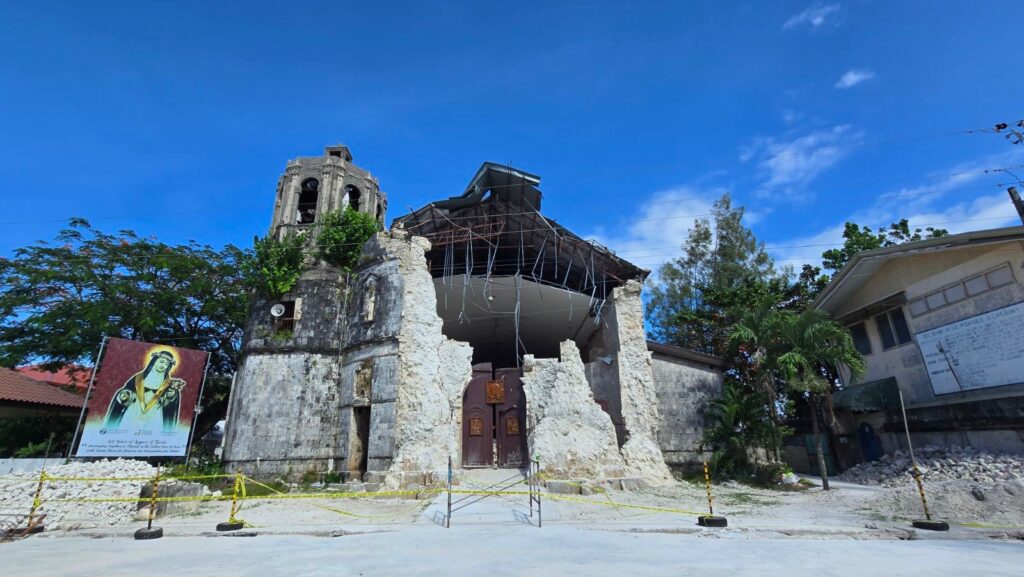
Cleared Facade of Santa Rosa de Lima Parish Church, Daanbantayan, Cebu (Source: Father B. Brigoli, Archdiocese of Cebu)
On 30 September 2025, a new fault line was discovered in the northern reaches of Cebu province. In recorded history, there had been no earthquakes in this area until the Bogo fault caused a 7.3. mW earthquake. In its wake, heritage churches were toppled, housing damaged and infrastructure was heavily compromised. This caused the closure of churches, most especially the parish church of Santa Rosa de Lima in Daanbantayan. At this church, the unreinforced masonry structure’s primary facade crumbled with the energy of the quake. Not only did the initial quake cause considerable destruction but subsequent aftershocks loosened the stone cladding on the belfry.
The initial team to assess the damage at Daanbantayan was from the University of San Carlos’ College of Architecture and College of Engineering immediately after the quake and deployed for October 4th and 5th, 2025. The rapid visual survey was completed at three churches. The result was a characterization of the destruction, overturning of the roof and walls which were qualified and quantified.
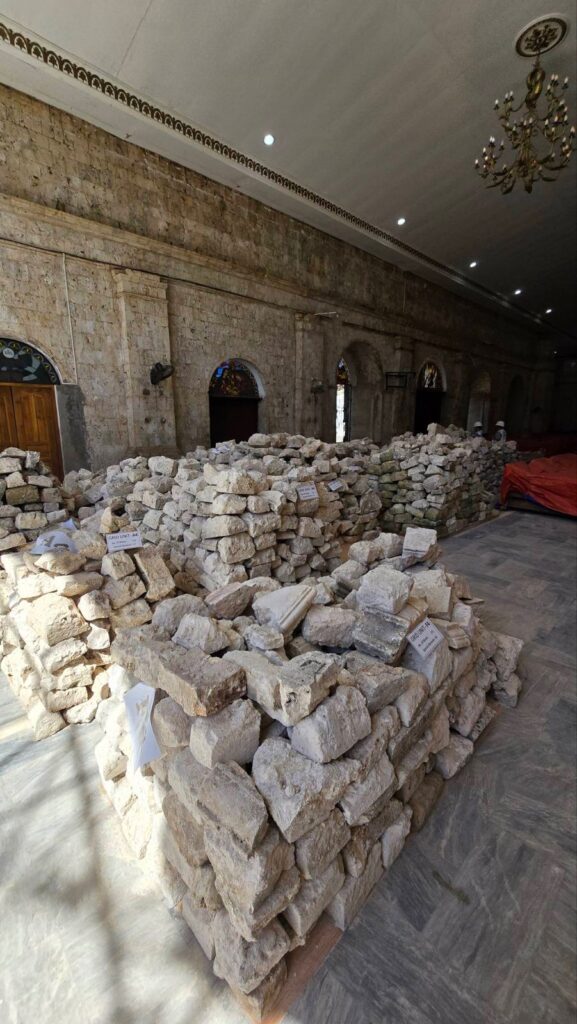
However, the debris at Daanbantayan needed clearance to get an accurate portrait of the complete destruction that may have been hidden. WIth the direction of archaeologist Archie Tiauzon, salvage and debris clearance was accomplished using a grid system to understand where the stones fell in relation to the structure. This act of sorting and segregation will help reconstruct the church with sound materials that survived, and with the recovery, the approximate original placement of masonry stone units.
Segregation and Storage of Fallen Stones from Primary Facade (Source: Father B. Brigoli, Archdiocese of Cebu)
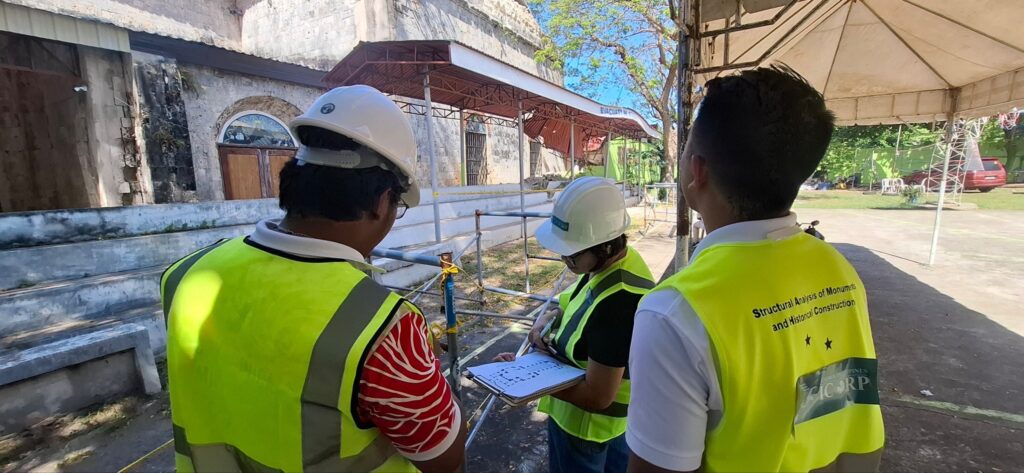
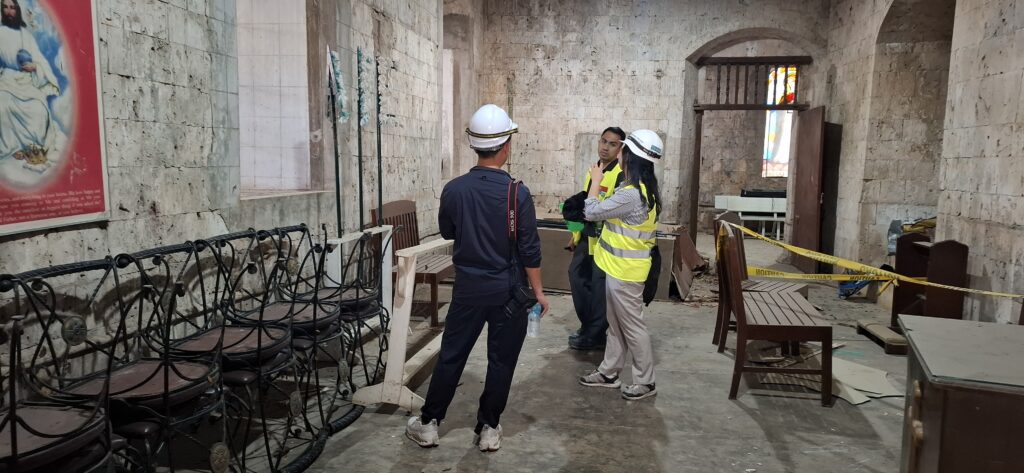
At Daanbantyan, from Sunday March 15 to Tuesday March 17, 2026, ICOMOS/ICORP’s head Mr. JH Corpus, upon Board approval, activated members conservation structural Engineers Team Leader Mary Grace Casuncad and Joaquin Ramos and conservation architects Ronald Allan Mabunga, Jr. and Carmencita Solis as well as Ar. Vangie Ulila from University of San Carlos, representing CHERISH joined the effort. All documentation will be processed by conservation architect Timothy Augustus Ong, who is providing support for the effort from Manila.
Conservation Architects Ronald J. Magumba and Architect Carmen Solis are joined by a local architect from Daanbantayan (Source: Tabang Cebu Team)
Scaled drawings of Daanbantayan (Source: Tabang Cebu Team)
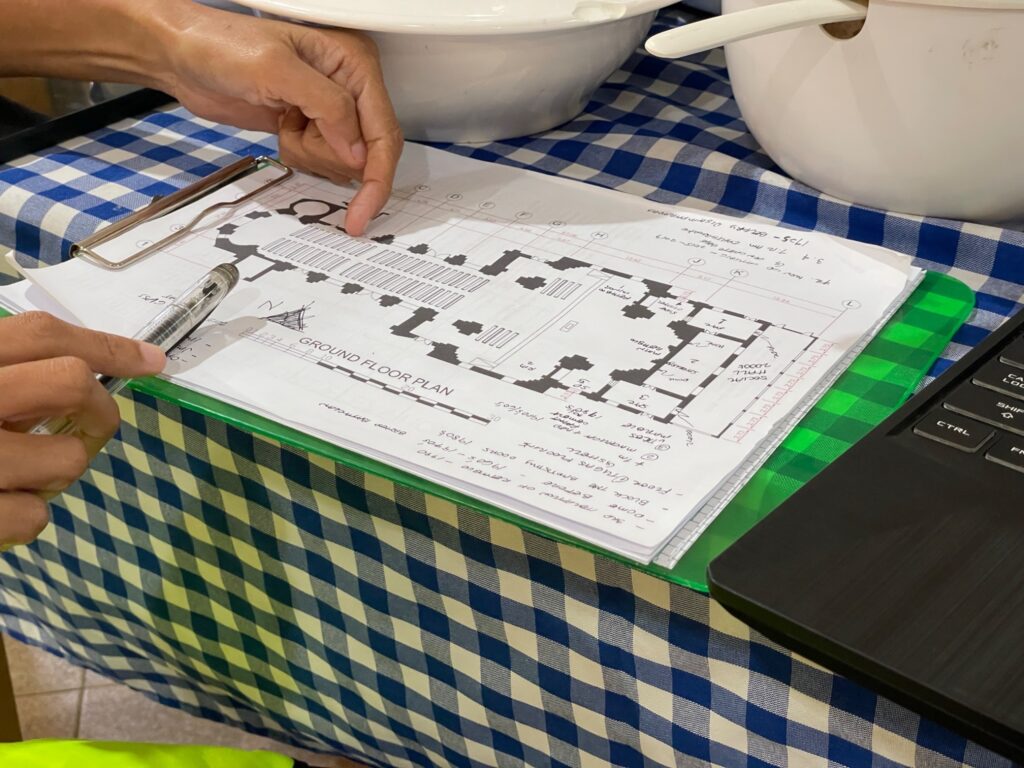
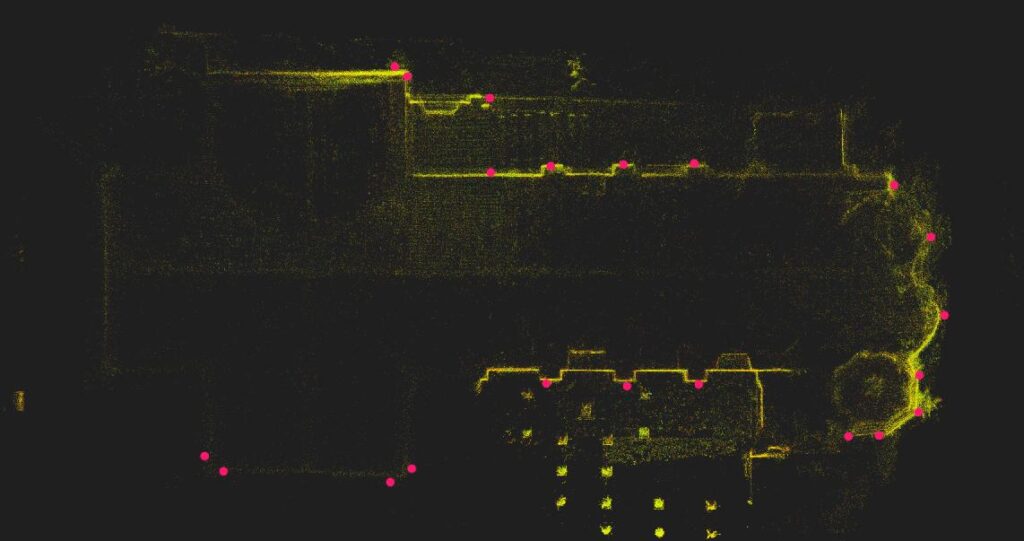
With the instruction of Ar. Timothy Augustus Ong, the team on the ground are employing technologies that provide an accurate depiction of the church; drones are being flown around the church with control points on the surfaces of the walls. Interiors are covered by dSLR cameras which yield high resolution photos and will be stitched together to form a complete picture of the interiors.
Partial Point Cloud of Daanbantayan Church with Ground Control Points Defined
This important phase of documentation will allow both teams to further study the building so that recommendations are based on evidence and will yield an initial cost estimate for the church’s reconstruction. Also out of this plan will come a timeline for stabilization and eventual reconstruction.
For this step in the restoration of the church, the conservation engineers and architects are documenting with drone footage and by dSLR the current conditions of the church in order to stabilize the structure and shore the damaged structural and architectural elements.
ICOMOS/ICORP extends its sincere gratitude to Reverend Father Brigoli for his trust and confidence in the organization to assist in the recovery of St. Rose of Lima Parish Church, reflecting a shared commitment to safeguarding the cultural and spiritual heritage entrusted to this historic church and its community.
This effort by ICOMOS/ICORP is dedicated to the parishioners of Daanbantayan, whose faith and stewardship continue to sustain the heritage of their community. The mission was made possible through the support of ICOMOS/ICORP, including funds provided by ICORP to assist the team in undertaking the work. It was further made possible through the generosity and cooperation of Reverend Father Brian C. Brigoli, Chairman of the Archdiocesan Commission on Cultural Heritage of the Church of Cebu, who ensured that the team could travel to and remain near the site in order to carry out the work.
MANILA – In recognition of the Philippines’ vulnerability to natural hazards and the urgent need to safeguard its cultural heritage, the MAKAHNI 2026 International Conference for Heritage Conservation and Disaster Resilience convened heritage professionals, conservation practitioners, engineers, academics, and policymakers in a meaningful exchange of knowledge and expertise. Derived from the Ivatan word makahni, meaning “to be resilient” or “to become strong,” the conference underscored the collective responsibility to protect heritage structures from the increasing risks posed by disasters.
Hosted at the historic campus of the University of Santo Tomas (UST), the conference was organized UST Graduate School – Center for Conservation of Cultural Property and Environment in the Tropics (USTGS – CCCPET) in partnership with the ICOMOS Philippines, the National Commission for Culture and the Arts, and the Japan Foundation Manila, bringing together national and international experts committed to advancing disaster risk reduction (DRR) in heritage conservation.
The conference formally commenced with welcome messages from distinguished institutional leaders who reaffirmed their commitment to heritage protection and resilience. Messages were delivered by Ar. Rodolfo P. Ventura, MSAAE, Dean of the UST College of Architecture; Dr. Eric B. Zerrudo, Executive Director and Chairman of the National Commission for Culture and the Arts; Mr. Ben Suzuki, Director of Japan Foundation Manila; and Dr. Cheek S. Fadriquela, President of ICOMOS Philippines.
These messages emphasized the importance of interdisciplinary collaboration, institutional commitment, and capacity-building in ensuring that cultural heritage remains protected in the face of disasters.
This was followed by the presentation of the conference rationale and acknowledgement of participants by the Acting Directors of the UST Graduate School – Center for Cultural Heritage, Conservation and Preservation Engineering and Technology (USTGS-CCCPET), setting the tone for the conference’s objectives and expected outcomes.
The first module laid the groundwork for understanding disaster risks and their impact on built heritage. Engr. Dina D’Ayala, UNESCO Chair in Disaster Risk Reduction and Resilience Engineering at University College London, introduced the ISCARSAH Scientific Committee and highlighted global frameworks for strengthening heritage resilience. Director Jose Harry M. Barber of the National Disaster Risk Reduction and Management Council presented the Philippines’ disaster profile, underscoring the country’s exposure to multiple hazards. Engr. Lessandro G. Garciano of De La Salle University discussed the effects of typhoons and floods, while Dr. Rhommel Grutas of PHIVOLCS examined earthquake and volcanic risks. Ms. Li Min of Ritsumeikan University emphasized preventive and strategic approaches to disaster risk management, and the session concluded with a historical overview of Philippine built heritage, focusing on its types, cultural significance, and conservation principles in disaster contexts. A plenary discussion followed, allowing participants to engage directly with the speakers and deepen the exchange of insights.
The succeeding modules focused on preparedness, response, recovery, and institutional integration. Experts including Ms. Aya Miyazaki of Tokyo University, Ar. Reynaldo Lita of the National Historical Commission of the Philippines, Ar. Caryn Paredes-Santillan of UST College of Architecture, and Mr. Toru Tateishi of The Museum of the Imperial Collections shared strategies on preventive conservation and disaster preparedness planning. Discussions then shifted to response and recovery, with Mr. Joseph Patrick Lee of the National Commission for Culture and the Arts presenting inter-agency coordination during the 2025 Bogo Earthquake, Mr. JH Corpus of ICORP highlighting safety and salvage operations, and Dr. Cheek S. Fadriquela detailing ICOMOS Philippines’ post-earthquake heritage assessments under UNESCO Jakarta’s Heritage Emergency Fund. The final module emphasized communication, community engagement, and institutional collaboration, featuring insights from Ms. Vanessa Marquez-Nicolas of the National Commission for Culture and the Arts, Ms. Kinna Mae Kwan of Guiuan, Eastern Samar, and Fr. Milan Ted D. Torralba. Each module concluded with plenary exchanges, and participants further engaged in thematic breakout sessions organized around disaster cycles and hazard types to develop focused, long-term resilience strategies.
The conference concluded with a closing message from Prof. Michael Anthony C. Vasco, PhD, Dean of the UST Graduate School, who emphasized that, given the country’s vulnerability to various calamities, it is essential to take proactive measures to protect historical heritage sites that embody our national identity. He highlighted the importance of restoring and preserving these sites, congratulated the organizing committee, expressed gratitude to all participants, and encouraged the continuation of the work initiated over the two days of the conference.
Participants included experts and members of ICOMOS Philippines, whose presence reinforced the organization’s leadership in heritage conservation and disaster resilience. Notable attendees were Ar. Carmencita Solis, Ar. Giuseppe Luigi Abcede, Ar. Timothy Augustus Ong, Ing. Ar. Ronald Allan M. Mabunga Jr., Ar. Ramil Tibayan, Ar. Roy De Guzman, Ar. Julius Artates, Engr. Mary Grace Casuncad, Phillip Norbert Medina, Engr. Joaquin Ramos, Ar. Eunice Valerie Lim, and John Michael Cayme.
Part 1 of the conference, focusing on Strengthening Heritage Conservation Policy, Protocols, and Practices across the Disaster Cycle, was held at the UST College of Architecture AVR Beato Angelico Building from February 17–18, 2026. Part 2, the Technical Workshop on Multi-Hazard Vulnerability Assessment of Unreinforced Masonry Heritage Structures, took place on February 19–20, 2026, with day one at the same venue and day two at Betis Church in Guagua, Pampanga. The participation of these experts facilitated meaningful exchanges of knowledge and strengthened professional collaboration within the heritage conservation community.
MAKAHNI 2026 reaffirmed the importance of interdisciplinary collaboration, institutional preparedness, and community engagement in protecting cultural heritage. Through expert presentations, interactive discussions, and collaborative workshops, the conference strengthened the collective capacity of professionals and institutions to respond to disaster risks.
In the true spirit of makahni, the conference stands as a testament to the shared commitment of ensuring that cultural heritage remains resilient, safeguarded, and preserved for future generations.
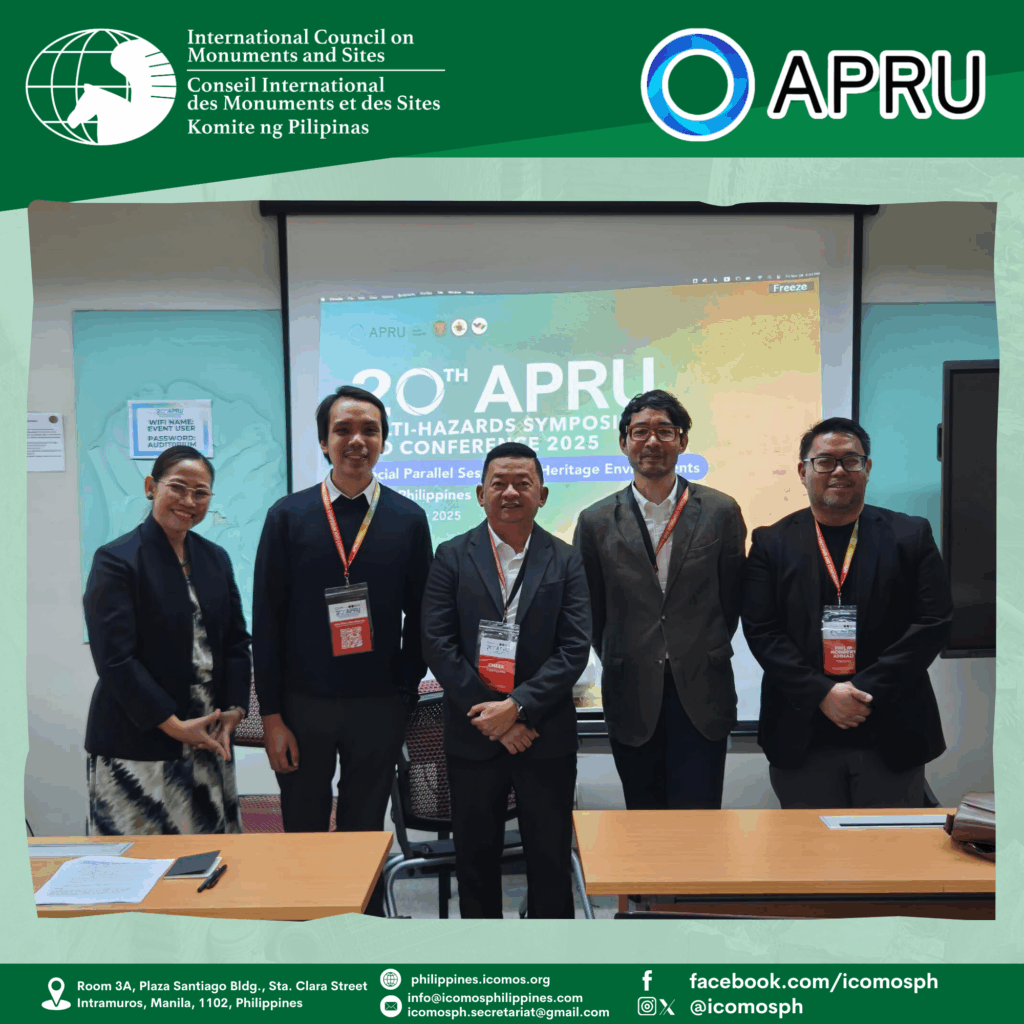
November 26–29, 2025 — ICOMOS Philippines brought forward the country’s most urgent heritage concerns and innovative conservation approaches at the 2025 APRU Multi-Hazards (MH20) Conference, presenting a strong and unified call for disaster preparedness, cultural resilience, and risk-informed heritage governance. The annual conference, which gathers global experts across the Pacific Rim, served as a platform for Filipino scholars and practitioners to highlight groundbreaking work addressing the vulnerabilities of heritage sites in disaster- and conflict-prone areas.
Across various sessions—ranging from heritage environments to resilience-focused design—the ICOMOS Philippines delegation emphasized a central theme: heritage conservation must be rooted in risk awareness, scientific documentation, inclusivity, and community collaboration.
One of the key contributions was presented during Parallel Session 1B: Designing for Resilience, where Ar. Harvey Vasquez explored Fabulation and the Architecture of Survival: Speculative Fiction as Method in Maynila in Manila. His work offered a compelling narrative approach to envisioning adaptive urban futures in the face of climate and socio-environmental challenges.
Meanwhile, during Special Parallel Session 6B: Heritage Environments, several noteworthy studies from the Philippine contingent deepened the conversation on resilience. The session opened with Heritage Conservation as a Driver of Post-disaster Sustainable Resilience: Case of the 2022 Mw 7.0 Northwestern Luzon Earthquake at the World Heritage City of Vigan, Philippines, authored by Dr. Cheek Fadriquela, Dr. Kenneth Javier Tua, Maria Cristina Paterno, and Anjelike Orui. Their research demonstrated how heritage spaces can become catalysts for sustainable recovery through multidisciplinary strategies.
JH Corpus, MHSP, strengthened the discourse on institutional preparedness through his presentation, Institutional Actions for Risk Preparedness, Response and Recovery, which drew from real post-disaster interventions and documented challenges following Typhoon Odette (rai) in December 2021. The typhoon brought widespread destruction across Eastern and Central Visayas, severely damaging historic churches, convents, and ecclesiastical structures in the Diocese of Maasin. Many of these Spanish colonial-era landmarks—long-standing symbols of cultural and religious continuity—revealed not only structural vulnerabilities but also the absence of a comprehensive Disaster Risk Management for Cultural Heritage (DRMCH) framework.
Another significant study, Heritage Preservation in Conflict-Affected Areas: The Case of Lanao del Sur, presented by Ruhollah Al-Husseini Javier Alonto with co-author Sittie Ayena H. Caye (BCPCH–Lanao del Sur), shed light on centuries of conflict that have shaped—and continue to threaten—the Meranaw cultural landscape. From the Spanish-Moro Wars to the 2017 Marawi Siege, the researchers revealed how cultural assets, such as the torogan, the okir, and the UNESCO-inscribed Darangen, persist despite historical upheavals. Their research underscored the need for intentional, structured programs that reinforce both tangible and intangible heritage preservation as pillars for future peacebuilding.
Complementing these heritage environment discussions was an in-depth study on Cavite’s Spanish colonial churches by Philip Lacson Medina, whose research featured prominently in the conference’s exploration of heritage risk. His project, Hazards to Heritage, emphasized lessons from past disasters—including the 2013 Bohol earthquake—and advocated for early institutional cooperation in documenting vulnerabilities through frameworks such as ISO 31000:2009. Initial collaboration with the Provincial Disaster Risk Reduction and Management Office (PDRRMO) of Cavite showcases a promising model for local government alignment in heritage risk governance.
Collectively, the Philippine studies painted a vivid and urgent picture: the country’s cultural heritage is at the crossroads of natural hazards, climate risks, conflict, and chronic neglect. Yet, they also showcased a future of possibility—rooted in scientific rigor, collaboration, and community-based resilience.
With ICOMOS Philippines President Dr. Cheek S. Fadriquela and Ar. Caryn Virginia Paredes-Santillan serving as session moderator, the organization reaffirmed its commitment to advancing evidence-driven, risk-based, and community-grounded conservation strategies. The diverse contributions from Filipino experts underscored a shared vision: strengthening the protection of the nation’s cultural legacy through informed research, proactive governance, and holistic resilience planning.