
๐—จ๐—ก๐—˜๐—ฆ๐—–๐—ขโ€™๐˜€ ๐—™๐—ถ๐—ฟ๐˜€๐˜ ๐—›๐—ฒ๐—ฟ๐—ถ๐˜๐—ฎ๐—ด๐—ฒ ๐—˜๐—บ๐—ฒ๐—ฟ๐—ด๐—ฒ๐—ป๐—ฐ๐˜† ๐—™๐˜‚๐—ป๐—ฑ (๐—›๐—˜๐—™) ๐—ฃ๐—ฟ๐—ผ๐—ท๐—ฒ๐—ฐ๐˜ ๐—ถ๐—ป ๐˜๐—ต๐—ฒ ๐—ฃ๐—ต๐—ถ๐—น๐—ถ๐—ฝ๐—ฝ๐—ถ๐—ป๐—ฒ๐˜€: ๐—ข๐—ณ๐—ณ๐—ถ๐—ฐ๐—ถ๐—ฎ๐—น ๐—ฃ๐˜‚๐—ฏ๐—น๐—ถ๐—ฐ๐—ฎ๐˜๐—ถ๐—ผ๐—ป

MANILA, Philippines — After the initial report on the damage assessment of the World Heritage Site of the Historic City of Vigan [Post-Earthquake Damage Assessment of Vernacular Building in the World Heritage City of Vigan [PEDAVBV],โ€ UNESCO granted a Heritage Emergency Fund (HEF) for the Post-Earthquake Technical Enhancement of Standards for the Conservation and Protection of Ancestral Vernacular Houses of Vigan that was officially launched on September 14, 2023.
EXECUTIVE SUMMARY (11.3 MB)

The content of this report resulted from the first Heritage Emergency Fund project in the Philippines. Conservation Expert Teams were tasked to enhance repair and restoration modalities for the vernacular ancestral houses and recommend technical standards enhancement, and there were also in-kind contributions that were performed to supplement the effort towards Viganโ€™s recovery.

DOWNLOAD THE FULL REPORT HERE. (981.7 MB)

To access the chapter report please download each file below.
Chapter 1 of the report is called โ€œFirst UNESCO Heritage Emergency Fund (HEF) Project in the Philippines.โ€ This section explains the objectives of the report, presenting the general introduction of the assignment as well as scope and project delimitations. It contains the strategic project framework on awareness raising, knowledge sharing, and collective application.

It also presents the stakeholders involved – the project management teams and expert teamsโ€™ delegation, organizational chart, calendar, and a chronological timeline of activities and milestones achieved.

DOWNLOAD CHAPTER 1 HERE. (8.3 MB)
Chapter 2 is the analytical report of the Structural engineering Conservation. This assessment included performing a comprehensive structural investigation, including material testing and characterization, evaluating the structure, and proposing a restoration design based on the evaluation results and conservation principles. Using the results of the assessment, strengthening measures and repair are proposed.

Moreover, the assessment addresses structural safety concerns for damaged areas by providing a shoring design.

DOWNLOAD CHAPTER 2 HERE. (43.6 MB)
Chapter 3 of this report documents the Architectural Conservation Analytical Report. Highlights of this section of the report are the morphological analysis of the two pilot sites. Utilizing remnant design features, and architectural and structural components, the Architectural Conservation Team was able to forensically reconstruct the evolution of the two houses: its materials, design, and construction techniques.

Comparatively, this analysis considers the typologies of Filipino houses termed Bahay na Bato to the versions found in Vigan. This study also aims to analyze the kinship networks and ownership of these houses and how that affected their massing, form, function, and use.

DOWNLOAD CHAPTER 3 HERE. (165 MB)
Chapter 4 details the analytical report on the Materials Conservation investigation of two ancestral houses, emphasizing the importance of studying construction materials for effective restoration. This ensures compatibility, minimal intervention, and reversibility while respecting original materials and ensuring security, protection, and disaster risk management.

Understanding materials helps conservators find suitable replacements. Specialists in timber and masonry conservation, along with a forester, a materials scientist, and a chemist, began their studies in October 2023, and this report presents the results from their onsite visits and lab tests.

DOWNLOAD CHAPTER 4 HERE. (213.6 MB)
Chapter 5 outlines the addendum for the Heritage Homeownerโ€™s Manual of the Historic City of Vigan. This update incorporates suggested technical standards, assessment findings, and the assigned teamโ€™s research methodologies. To gather more data for the manual, team leader Dr. Fatima Nicetas Alonzo co-led a project with Dr. Linda Shetabi and Ms Michelle Chelsea Ho from The University of Hong Kong (HKU),

where local team members and 21 faculty facilitators from the University of Northern Philippines (UNP) guided 104 students grouped in 15 teams in documenting 15 heritage structures damaged in the July 27, 2022 earthquake.

DOWNLOAD CHAPTER 5 HERE. (42.5 MB)
Chapter 6 details the Capacity Building Program and Awareness Raising activities that took place on March 11 – 13, 2024 in Vigan, organized by the Pontifical and Royal University of Santo Tomas Graduate School – Center for Conservation of Cultural Property and Environment in the Tropics (USTGS-CCCPET), the Training-Workshop Team of the project. As part of this report is a letter to UNESCO Jakarta that details activities until May 2024;

this is a summary of all the lectures, workshops, programs, and discussions which includes outputs, insights, and recommendations.  This section has the following content: project title, technical details, description of activities, highlights, issues and recommendations/ideas, program brochures, and master list of participants with gender disaggregation and affiliation. As part of the project programming, the Local Manual Review (HCLMRE) Team organized a Town Hall Meeting with local stakeholders and homeowners at Tadena Hall, UNP. Furthermore, the USTGS-CCCPET held a series of lectures and training workshops on Vigan as a World Heritage Site which covered Vigan’s history, design, building materials, hazard vulnerabilities, and conservation strategies. Workshops by Master Mason Shiela Soliveres and Master Carpenter Elvin Alexon Ferrer at the Vigan Conservation Complex, provided by the local government, taught local participants like homeowners, contractors, and craftsmen how to handle traditional materials used in Vigan. These activities helped participants understand the conservation process and gain practical skills for conserving the heritage site.

DOWNLOAD CHAPTER 6 HERE. (20.8 MB)
Chapter 7 is a Disaster Risk Management Plan for Culture Heritage (HDRM) for Vigan. A disaster risk management plan for Vigan focuses on protecting and preserving the site against natural and human-made hazards. This plan includes assessing vulnerabilities, implementing early warning systems, and developing emergency response protocols to ensure rapid and effective action during disasters.

It also involves training local communities and stakeholders in disaster preparedness, conducting regular drills, and integrating traditional knowledge with modern techniques for site conservation. Additionally, the plan emphasizes the importance of collaboration with government agencies, non-governmental organizations, and international bodies to secure resources and support for ongoing risk reduction and recovery efforts.

DOWNLOAD CHAPTER 7 HERE. (45.2 MB)
Chapter 8 is a summation of the major project documentation and visibility outputs. Major project documentation and visibility outputs include detailed reports, visual records, and public presentations showcasing the project’s progress and results. These outputs ensure transparency and accountability, featuring comprehensive assessments, photographs, and videos of key activities.

Public exhibitions such as those tied with the closing ceremonies, press releases, and social media updates helped increase awareness and engagement among stakeholders and the wider community.

DOWNLOAD CHAPTER 8 HERE. (27.3 MB)
Chapter 9 reports donations or in-kind contributions for the HEF VIgan Project. In-kind contributions provided valuable resources and services without monetary exchange, significantly aiding projects and initiatives. For the UNESCO Emergency Fund, in-kind contributions from individuals, organizations, and partners were crucial in the recovery of Vigan after the earthquake.

These contributions varied and included investigation, expertise, lectures, and workshops, among others, which were essential towards the restoration and preservation efforts in Vigan. By supplying professional services, and volunteer work, these in-kind contributions augmented the projectโ€™s outputs, paving the way towards a more efficient recovery process. Their importance cannot be overstated, as they not only filled funding gaps but also fostered community involvement and ownership, ensuring that the conservation efforts were both comprehensive and sustainable.

DOWNLOAD CHAPTER 9 HERE. (7.5 MB)
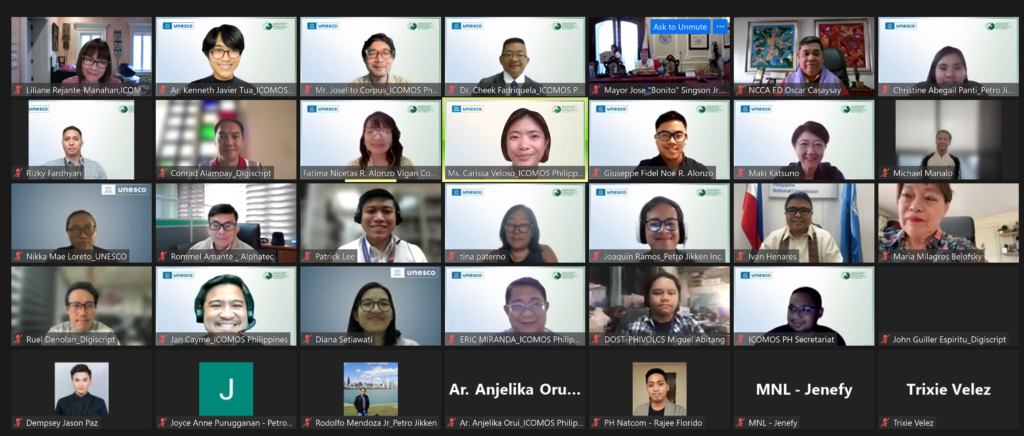
Chapter 10: Closing Ceremony Summary Report. This portion of the report includes the summary of  the closing ceremony activities that took place at Tadena Hall at the University of Northern Philippines at the World Heritage Site of the Historic City of Vigan on August 12, 2024. This momentous event provided the opportunity for all stakeholders, participants, and in-kind contributors to the HEF Vigan Project to celebrate its milestones and accomplishments in person and online in a hybrid session.

Eighty persons composed of homeowners, masons, carpenters, local and national government, in-kind contributors, partners, the academe, and the HEF team attended the ceremony. Individuals or representatives of organizations were asked to give a few words about the projectโ€™s impact and significance. The conclusion of the project marks the shared commitment to conserving the cultural heritage of Vigan. However, this event does not conclude the activities for the recovery of Vigan; from the HEF Vigan Project, testing and investigations and recommendations are available for use to rehabilitate damaged buildings still remaining.

DOWNLOAD CHAPTER 10 HERE. (20.2 MB)
Chapter 11 describes the initial project funded by the UNESCO Heritage Emergency Fund in the Philippines that had a clear goal: to enhance the conservation efforts for Vigan’s historic houses following an earthquake. With UNESCO Jakarta and ICOMOS Philippines at the helm, the project aimed to support Vigan’s recovery journey.

Experts from ICOMOS Philippines used a comprehensive set of principles and developed recommendations to improve technical standards and bolster the country’s preparedness for future disasters. These guidelines are designed to be flexible, catering to the specific needs of each heritage site. The overarching aim is to elevate conservation practices nationwide, ensuring a sustainable approach to preserving our cultural treasures for generations to come.

DOWNLOAD CHAPTER 11 HERE. (13.8 MB)
The last chapter of the report, Chapter 12, shares the Key Achievements and Milestones of the First UNESCO Heritage Emergency Fund Project in the Philippines. This chapter brings all of the activities together describing in detail the impact that the project had on the recovery of Vigan. Topics include mobilization of diverse, gender-sensitive, and intergenerational Expert Teams,

Technical Assessment and Conservation Standards Enhancement, enabling stakeholders through Capacity Building and Knowledge Sharing, Knowledge Sharing: Awareness-Raising towards Coalition Building and Collective Application, and centering Heritage as a Public Good to raise In-kind Contributions. A discussion of challenges and prospects for future emergency and related projects follows with an analysis of strengths, weaknesses, threats, and opportunities. Lastly in the third section, desirable outcomes and outputs on disaster risk management and post-crisis recovery are presented, reflecting on implementation of the fund – and how to bring continued recovery activities for the future.

DOWNLOAD CHAPTER 12 HERE. (9 MB)

In conclusion, the initiatives undertaken in response to the damage assessment of the Historic City of Vigan, supported by the UNESCO Heritage Emergency Fund, signify a significant step towards preserving and safeguarding cultural heritage in the Philippines. Despite inherent limitations and challenges, including governmental constraints and funding disparities, the project has created a multidisciplinary approach to conservation, encompassing structural, architectural, and materials assessments.

Furthermore, the integration of in-kind contributions and capacity-building lectures and workshops underscores the importance of community engagement and knowledge dissemination in ensuring the sustainability of conservation efforts.

Ultimately, the comprehensive achievements outlined in this report reflect a concerted commitment to enhancing conservation practices, reaffirming the significance of heritage as a collective endeavor for the benefit of future generations.

To read more, click the image to download.
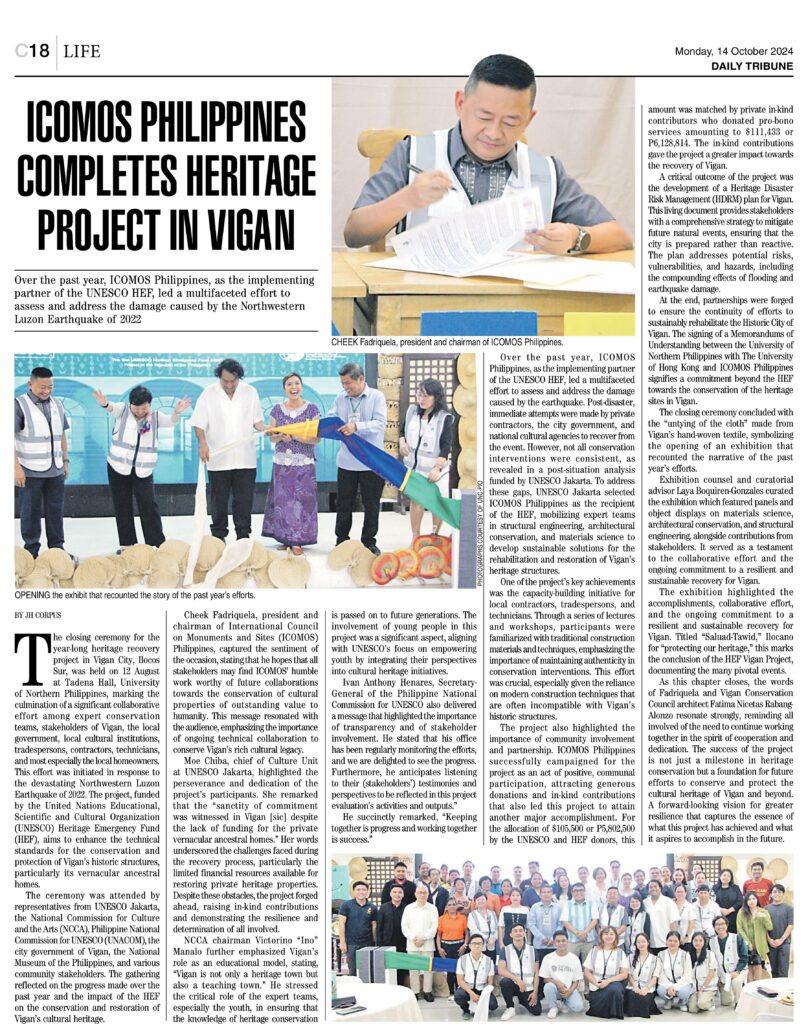
ICOMOS Philippines Completes Heritage Project in Vigan

On August 12, 2024, the closing ceremony for the year-long heritage recovery project in Vigan was held at Tadena Hall, University of Northern Philippines. This event marked the culmination of a significant collaborative effort between the expert conservation teams, stakeholders of Vigan, the local government, local cultural institutions, tradespersons, contractors, technicians, and most especially the local homeowners, which was initiated in response to the devastating Northwestern Luzon Earthquake of 2022. The project, funded by the United Nations Educational, Scientific and Cultural Organization (UNESCO) Heritage Emergency Fund (HEF), aimed to enhance the technical standards for the conservation and protection of Viganโ€™s historic structures, particularly its vernacular ancestral homes.

One of the projectโ€™s key achievements was the capacity-building initiative for local contractors, tradespersons, and technicians. Through a series of lectures and workshops, participants were familiarized with traditional construction materials and techniques, emphasizing the importance of maintaining authenticity in conservation interventions. This effort was crucial, especially given the reliance on modern construction techniques that are often incompatible with Viganโ€™s historic structures.

The project also highlighted the importance of community involvement and partnership. ICOMOS Philippines successfully campaigned for the project as an act of positive, communal participation, attracting generous donations and in-kind contributions that also led this project to attain another major accomplishment. For the allocation of $105,500 or โ‚ฑ 5,802,500 by the UNESCO and HEF donors, this amount was matched by private in-kind contributors who donated pro-bono services amounting to $111,433 or โ‚ฑ 6,128,814. The in-kind contributions gave the project a greater impact towards the recovery of Vigan.

The success of the project is not just a milestone in heritage conservation but a foundation for future efforts to conserve and protect the cultural heritage of Vigan and beyond. A forward-looking vision for greater resilience that captures the essence of what this project has achieved and what it aspires to accomplish in the future.

Please see the article in the The Daily Tribune. Read here โžก๏ธ https://bitly.cx/aR60.

This activity was supported by the UNESCO Heritage Emergency Fund. We wish to thank its donors: the Qatar Fund for Development, the Government of Canada, the Kingdom of Norway, the French Republic, the United Kingdom, the Principality of Monaco, the Republic of Estonia, ANA Holdings INC, the Kingdom of the Netherlands, the Slovak Republic, the Grand Duchy of Luxembourg, the Principality of Andorra, the Republic of Serbia.

For more information on ICOMOS Philippines โžก๏ธ https://philippines.icomos.org/

#UNESCO #unescoJAKARTA #ICOMOS #icomosPHILIPPINES #HeritageEmergencyFund #firstHEF #WorldHeritageSite #HistoricCityofVigan #PhilippineHeritage #SustainableHeritageManagement #ProtectHeritage

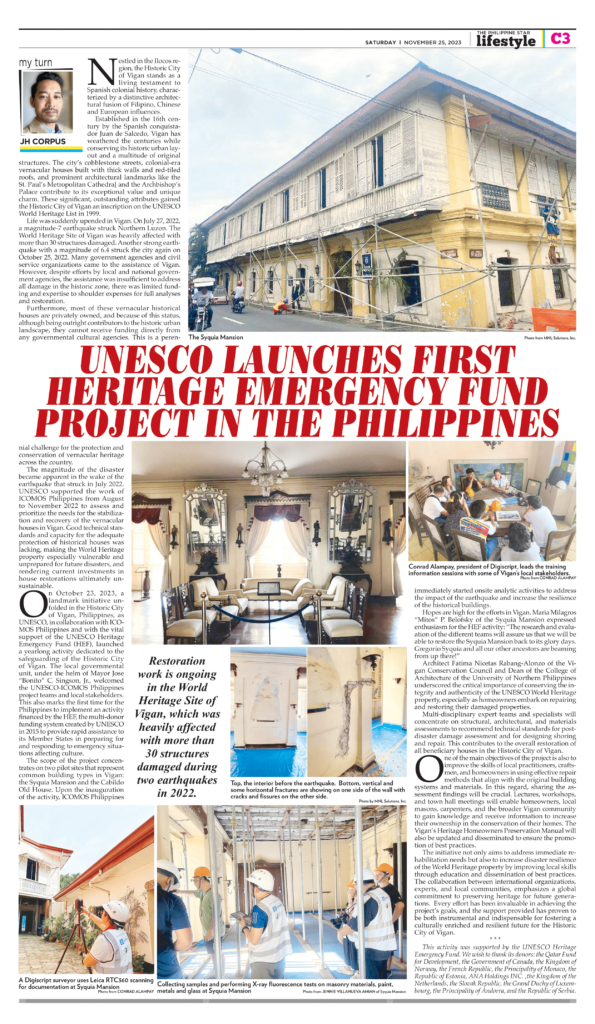
UNESCO launches first Heritage Emergency Fund (HEF) project in the Republic of the Philippines

On October 23, 2023, a landmark initiative unfolded in the Historic City of Vigan, Philippines, as UNESCO Jakarta, in collaboration with ICOMOS Philippines and with the vital support of the Heritage Emergency Fund (HEF), launched a year-long project dedicated to safeguarding of the Historic City of Vigan. The local governmental unit, under the helm of Mayor Jose “Bonito” C. Singson, Jr., welcomed the UNESCO-ICOMOS Philippines project teams and local stakeholders.

The scope of the project concentrates on two pilot sites which represent common building types in Vigan. The two homes identified by ICOMOS Philippines are the Syquia Mansion and the Cabildo Old House. Enthusiastically, the very same day that the HEF was inaugurated ICOMOS Philippines had already started onsite analytic activities which marked the inaugural implementation of the HEF initiative in the Philippines, underlining its significance in addressing the aftermath of such calamities. 

Please see the article in the Philippine Star Lifestyle and Arts section. Read here โžก๏ธ https://bitly.ws/33hPK

This activity is supported by the UNESCO Heritage Emergency Fund. We wish to thank its donors: the Qatar Fund for Development, the Government of Canada, the Kingdom of Norway, the French Republic, the Principality of Monaco, the Republic of Estonia, ANA Holdings INC, the Kingdom of the Netherlands, the Slovak Republic, the Grand Duchy of Luxembourg, the Principality of Andorra, the Republic of Serbia.

Concerned stakeholders who are interested in providing in-kind contribution, you may contact Ar. Kenneth Javier Tua, Country Project Director, through kenneth.javier.tua@icomosphilippines.com and cc.: info@icomosphilippines.com. Letโ€™s protect and promote our diverse cultural heritage together.

For more information on ICOMOS Philippines โžก๏ธ https://philippines.icomos.org/

#UNESCO #unescoJAKARTA #ICOMOS #icomosPHILIPPINES #HeritageEmergencyFund #firstHEF #WorldHeritageSite #HistoricCityofVigan #PhilippineHeritage #SustainableHeritageManagement #ProtectHeritage

UNESCO Heritage Emergency Fund supports the conservation of the Historic City of Vigan in the Philippines

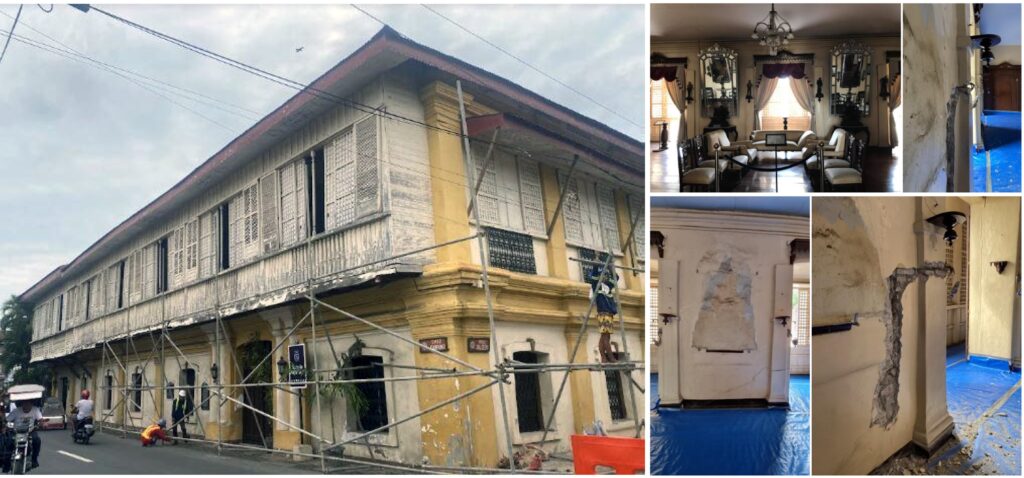
Syquia Mansion, one of the historical buildings in Vigan damaged by the earthquake in July 2022. It is among the historical buildings that benefits from the support of the Heritage Emergency Fund. Photo credit: MNL Solutions, Inc., August 9, 2023

23 October 2023, City of Vigan, Philippines โ€“ With the support of the Heritage Emergency Fund (HEF), UNESCO Jakarta, in partnership with ICOMOS Philippines, launched a 12-month project to enhance the protection of the Historic City of Vigan, a World Heritage Site since 1999. This activity aims to support post-earthquake technical standard enhancement on the conservation and protection of heritage houses and structures and contribute to the long-term recovery of the city following the earthquake in July 2022. It is also the first HEF activity implemented in the Philippines.

On 23 October, representatives of national and local government agencies, universities, NGOs specializing in heritage and conservation, private companies, homeowners and technical experts attended the official launch of the project.

Official project launch of the first UNESCO Heritage Emergency Fund (HEF) project
in the Republic of the Philippines at the Historic City of Vigan, Ilocos Sur

“We are so excited to be one of the recipients of the UNESCO Heritage Emergency Fund project. The research and evaluation of the different teams will assure us that we will be able to restore the Syquia Mansion back to its glory days. Gregorio Syquia and all our other ancestors are beaming from up there!” โ€“ Ms. Maria Milagros โ€œMitosโ€ P. Belofsky, Ancestral Homeowner, Syquia Mansion

โ€œThe critical concern now is how to protect the integrity and authenticity of the UNESCO World Heritage Site as homeowners plan to repair, restore, and rehabilitate their damaged properties; thus, the assistance from UNESCO and ICOMOS Philippines for restoration studies and plan for the two selected representatives is a welcome developmentโ€ – Ar. Fatima Nicetas Rabang-Alonzo, a member of Vigan Conservation Council

Within the framework of this activity, the structural, architectural and materials assessments will be carried out for the representative houses (pilot sites), namely, the Syquia Mansion and Cabildo (Old) house, which will contribute in proposing technical standards for post-disaster damage assessment, and shoring and repair design for the future restoration of the entirety of the Historic City of Viganโ€™s beneficiary houses.

The findings of the two pilot sites assessments will be shared with the local government, the ancestral homeowners and the Vigan Conservation Council through a series of lectures, training-workshops and town hall meetings, and support the update of Viganโ€™s existing 2010 Heritage Homeowners Preservation Manual with an addendum. The outcome of the assessment and technical studies will also contribute to enhancing the skills of practitioners, craftsperson and homeowners on the effective repairing methods compatible with original building systems and materials.

The Heritage Emergency Fund (HEF) is a multi-donor funding mechanism, established by UNESCO in 2015 with the goal of assisting Member States in responding quickly and effectively to crises resulting from armed conflicts and disasters all over the world. Its objective is to strengthen the ability of Member States to prevent, mitigate and recover the loss of cultural heritage, harnessing the potential of culture to strengthen resilience and support recovery. Since its establishment, the HEF has enabled UNESCO to support 84 countries through more than 120 emergency preparedness and response activities.

UNESCO thanks the donors of the Heritage Emergency Fund who make the activities possible: The Qatar Fund for Development, the Government of Canada, the Kingdom of Norway, the French Republic, the Principality of Monaco, the Republic of Estonia, ANA Holdings INC, the Kingdom of the Netherlands, the Slovak Republic, the Grand Duchy of Luxembourg, the Principality of Andorra, the Republic of Serbia.

More about the HEF:

https://www.unesco.org/en/culture-emergencies/heritage-emergency-fund

About UNESCO

UNESCO is the UN specialized agency with a mandate to protect and preserve cultural and natural heritage, in line with the international conventions.

Website: www.unesco.org/jakarta, Instagram, Facebook, X โžก๏ธ @unescojakarta

Media contact: Eliana Bantchev e.bantchev@unesco.org

About ICOMOS Philippines

The International Council of Monuments and Sites (ICOMOS) is a non-governmental international organization dedicated to the conservation of the world’s monuments and sites. ICOMOS Philippines is an SEC registered non-stock corporation and the duly recognized National Committee (NC) of ICOMOS International in the country from 113 worldwide.

Website:ย  https://philippines.icomos.org/, Instagram, Facebook, X โžก๏ธ @icomosph

More about the UNESCO Jakarta โ€“ ICOMOS Philippines HEF Team โžก๏ธ https://bitly.ws/YgER

Media contact: Ar. Kenneth Javier Tua kenneth.javier.tua@icomosphilippines.com

ICOMOS Participates in the Extended 45th Session of the World Heritage Committee

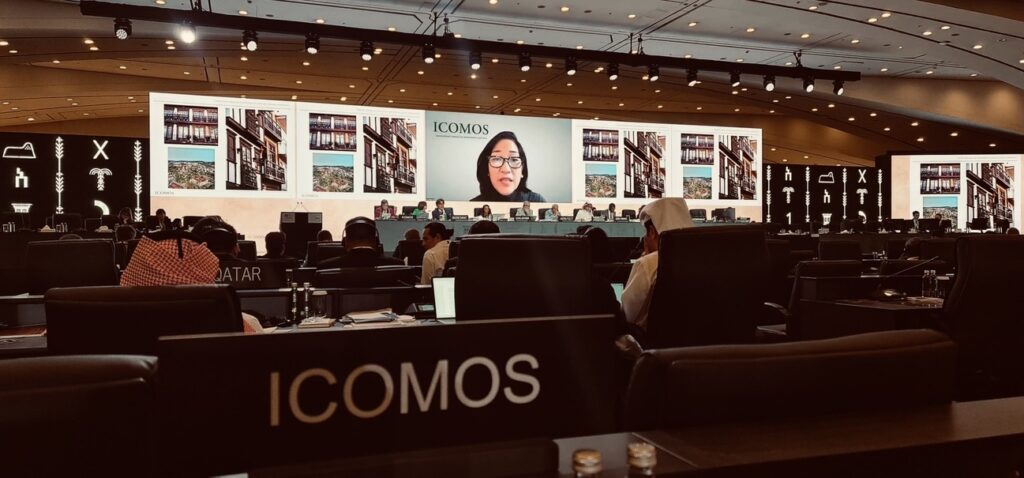
Annually, ICOMOS invites a global and multidisciplinary panel of heritage experts to assess each countryโ€™s nominations for World Heritage Sites. Among that panel was ICOMOS Philippinesโ€™ past president Tina Paterno, presenting via video the decision of the ICOMOS World Heritage Panel to inscribe Portugal’s Historic Centre of Guimarรฃes and Couros Zone on the World Heritage List at the Extended 45th Session of the World Heritage Committee at the Riyadh, Kingdom of Saudi Arabia.

One of the most important steps in inscription to the World Heritage Site list is the advice that ICOMOS gives to UNESCO. Each work in tandem to process tentative inscriptions from desk reviews, to physical site visits and, if merited, to the final announcement for inscription.

For more information about the ICOMOS Philippines, please contact: info@icomosphilippines.com

For information on ICOMOS Philippines please visit our website at: https://philippines.icomos.org/

#ICOMOS #ICOMOSPhilippines #ICOMOSInternational #UNESCO #World Heritage List

Photo credit: Dr. Teresa Patricio, President, ICOMOS International

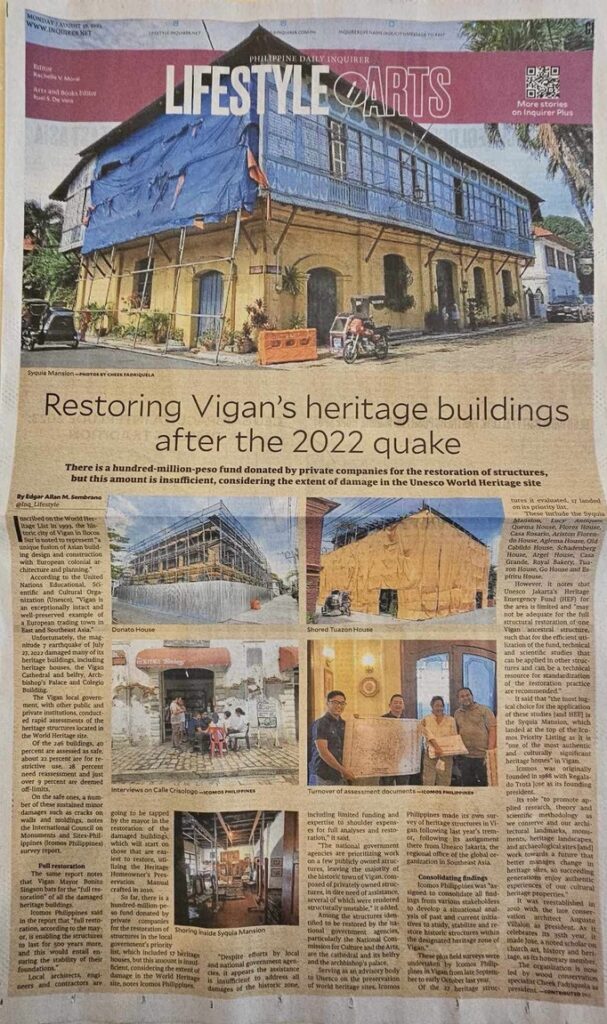
ICYMI: One of ICOMOS Philippines’s project is featured in today’s Philippine Daily Inquirer article

ICOMOS Philippines was tasked by UNESCO Multi-sectoral Regional Office in Jakarta, Indonesia to consolidate findings of several post-earthquake assessments into a situational analysis report on the damage to the Historic City of Vigan in the July 2022 earthquake. National agencies have prioritized several public structures while privately owned heritage houses have had no immediate access to support. Following the assessment, the UNESCO Jakarta’s Heritage Emergency Fund was one of the grants recommended by ICOMOS Philippines for the World Heritage site to apply. Though the fund is limited and cannot cover full restoration work, it is to be utilized to pursue technical scientific studies that can benefit and be applied to most of the ancestral houses, having a ripple effect. These studies will ensure that the majority of the damaged structures will be restored efficiently and be compliant to local and international standards.

The United Nations Educational, Scientific and Cultural Organization (UNESCO) Multi-sectoral Regional Office covers Brunei Darussalam, Indonesia, Malaysia, the Philippines, and Timor-Leste. ICOMOS is one of the advisory bodies to UNESCO in the conservation of World Heritage Sites. Please see the article today in the Philippine Daily Inquirer Lifestyle and Arts section.

Heritage conservation, a driver for sustainable development

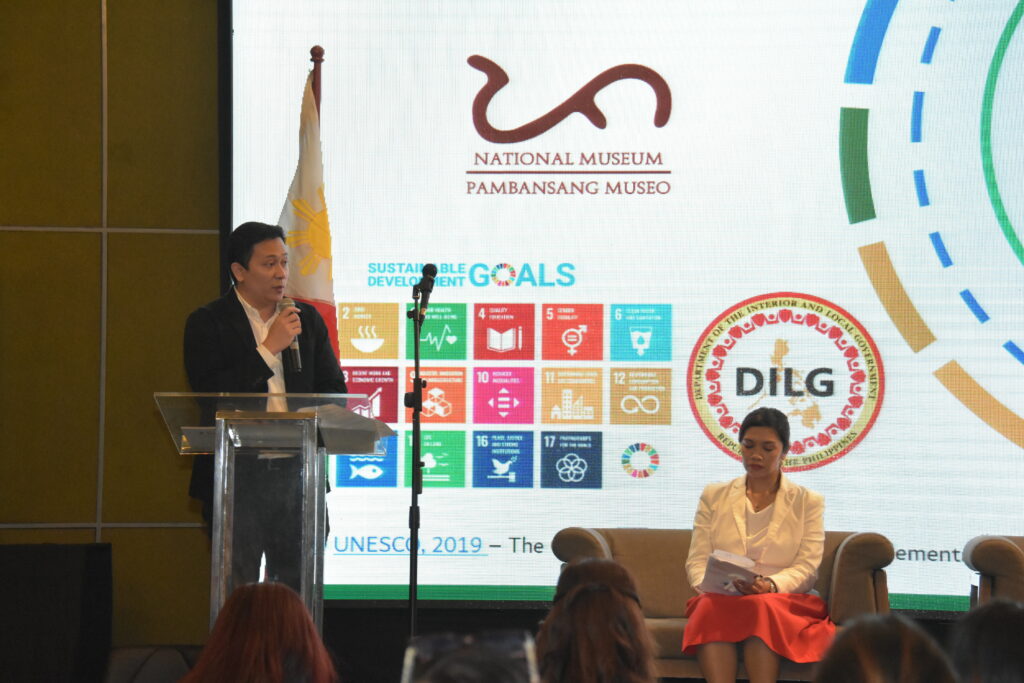
ICOMOS Philippines, the only heritage professional organization included in the National Economic Development Authority (NEDA) Stakeholder’s Chamber, led the discussion on heritage conservation as a driver for genuine and sustainable societal transformation during the agency’s 1st Sustainable Development Goal (SDG) Summit held on November 22 to 23, 2022.

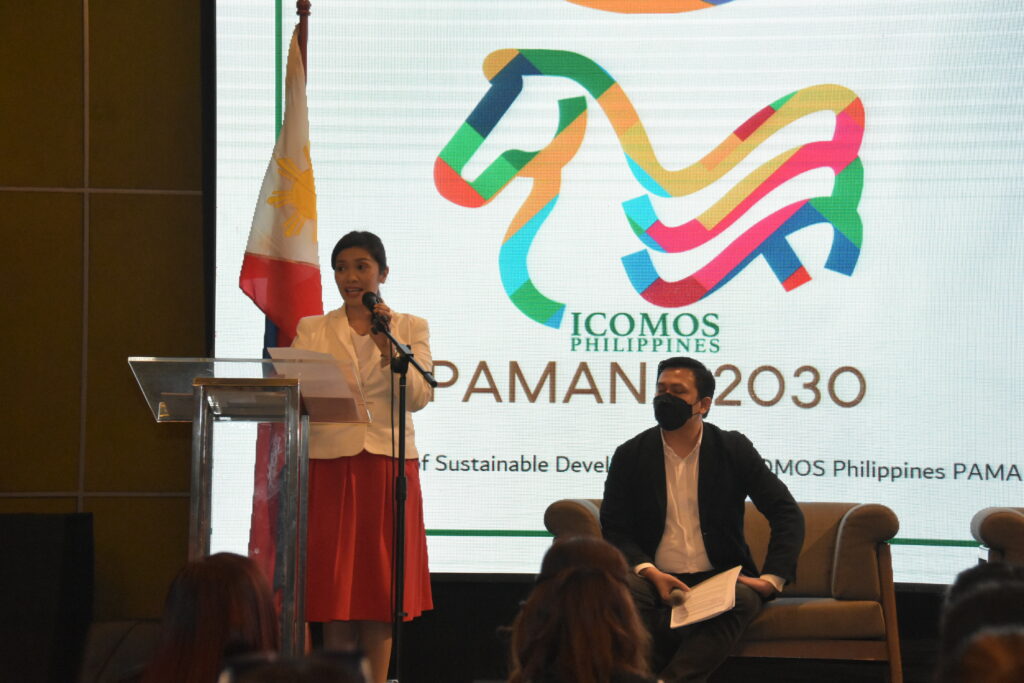
Dr. Laya Boquiren-Gonzales presenting ICOMOS Philippines’ PAMANA 2030 Project

Dr. Laya Boquiren-Gonzales presented ICOMOS Philippinesโ€™ PAMANA (Heritage) 2030 Project led by the organizationโ€™s SDG Working Group. With only 8 years left to achieve the SDGs by 2030, references to heritage in the global collective aspiration remain alarmingly scarce as evident in the insufficient discussions and practices by local and national government agencies related to heritage promotion and protection.

To bridge this gap, the Pamana (Heritage) 2030 Project of ICOMOS Philippines launched in 2021 aims to further accomplish the following in the near future:

  • Release a call for case profiles and will produce a policy guidance document with relevant stakeholders;
  • Gather key local government solutions in addressing societal concerns of inclusive social development, holistic economic development, environmental sustainability, peace and security, and key partnerships within their local realities; and
  • Provide timely baseline data and policy recommendations focused on the intersection of heritage and the SDGs in various parts of the country.
Ar. Harvey Vasquez presents the findings of the ICOMOS Philippines’ emergency assessment on the earthquake’s damage to some heritage structures in Vigan City

Meanwhile, Ar. Harvey Vasquez zoomed in on the importance of efficient pre-disaster recovery planning and concise post-disaster methodological actions in conserving heritage sites through the case of the World Heritage City of Vigan, impacted by a magnitude 7.0 earthquake in Northwestern Luzon in July this year.

ICOMOS Philippines joined the City Government of Vigan and the multi-sectoral Vigan Conservation Council in the rapid assessment of the damage, made possible by funding from UNESCO Jakarta.

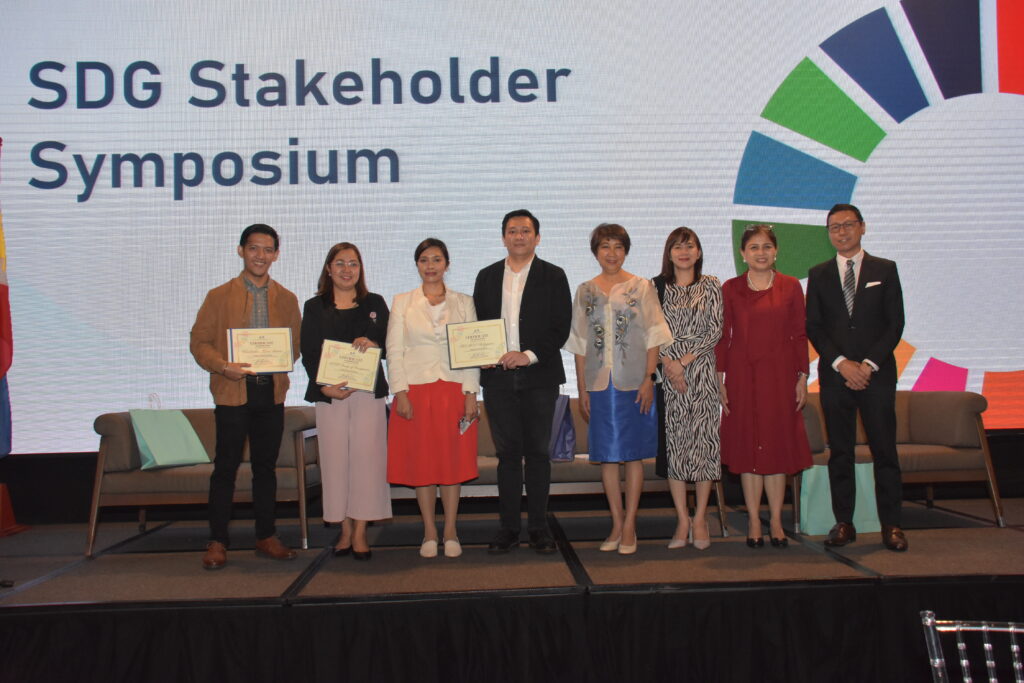
NEDA Undersecretary for National Development Policy and Planning Rosemarie Edillon awards Certificate of Appreciation to ICOMOS Philippines

Through the summit, ICOMOS Philippines hopes that more individuals will become aware of the importance of heritage conservation in the present and future, and become involved in this encompassing, holistic, and transformative movement.

#

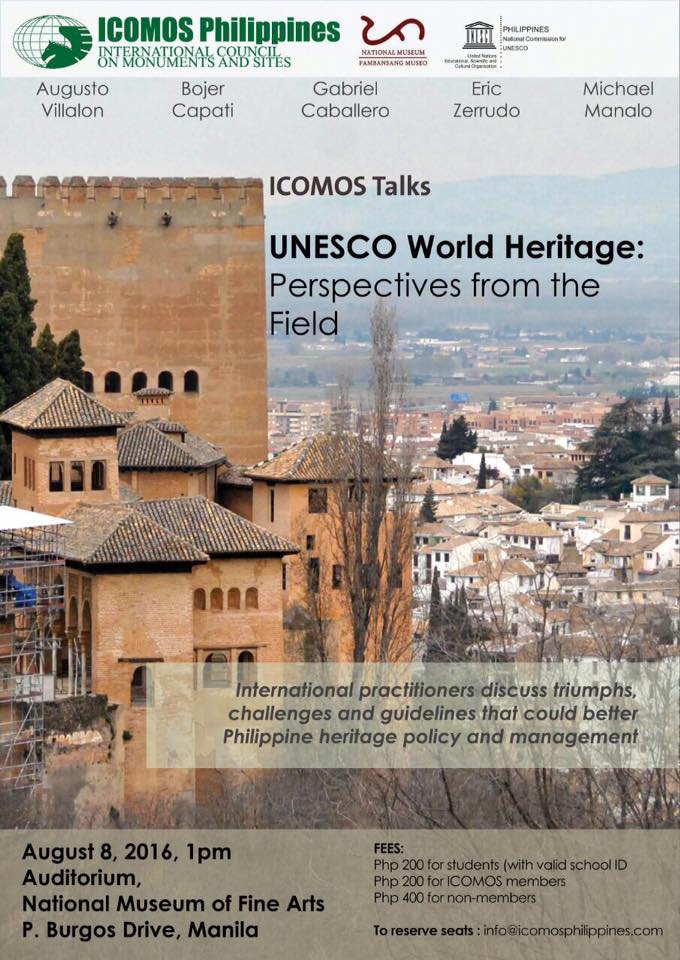
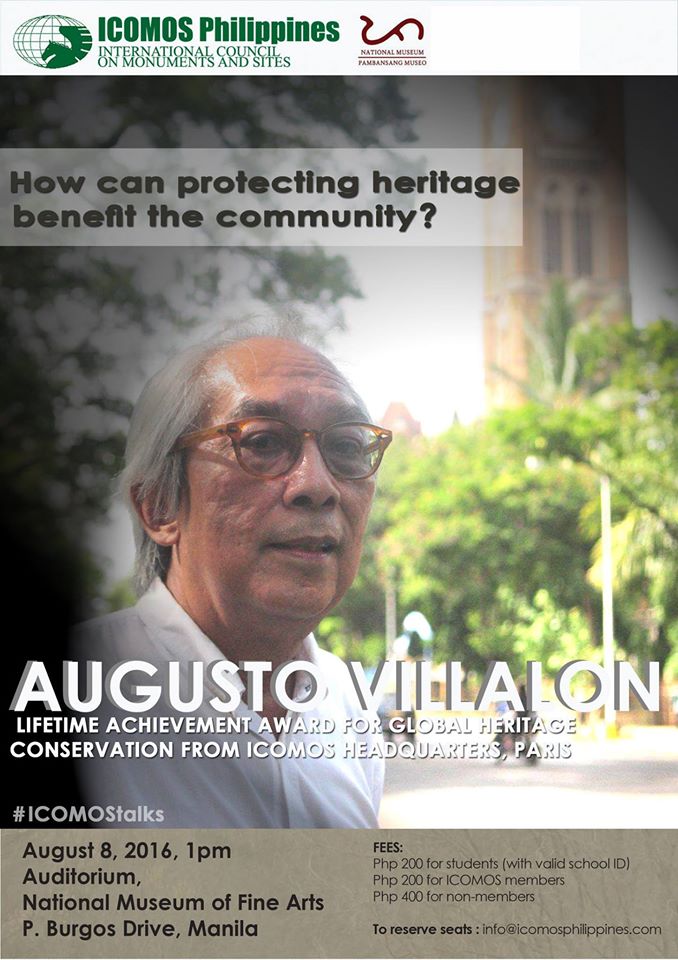
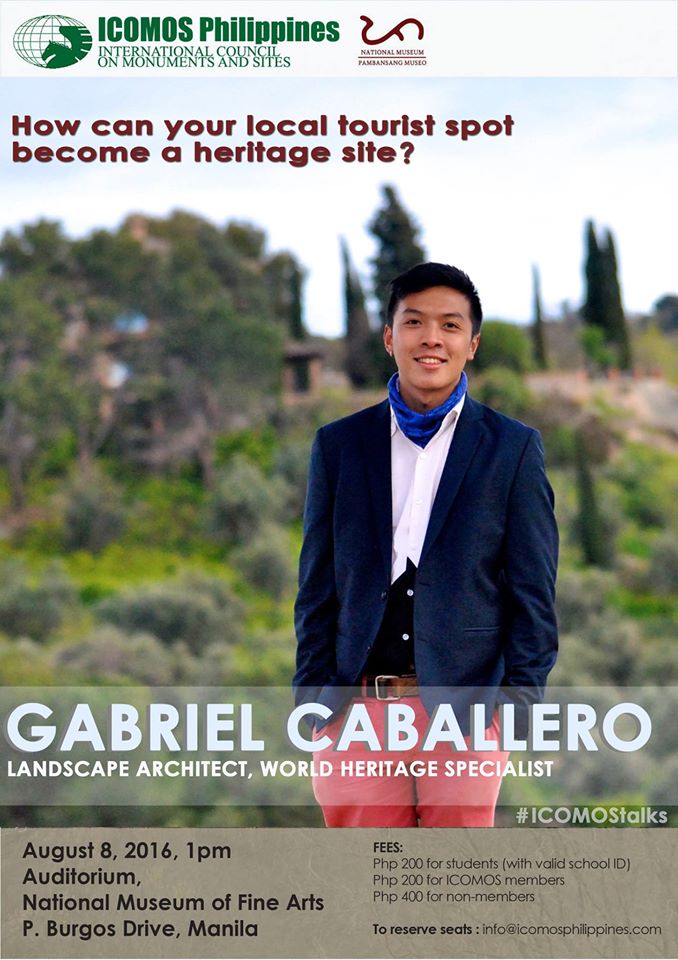
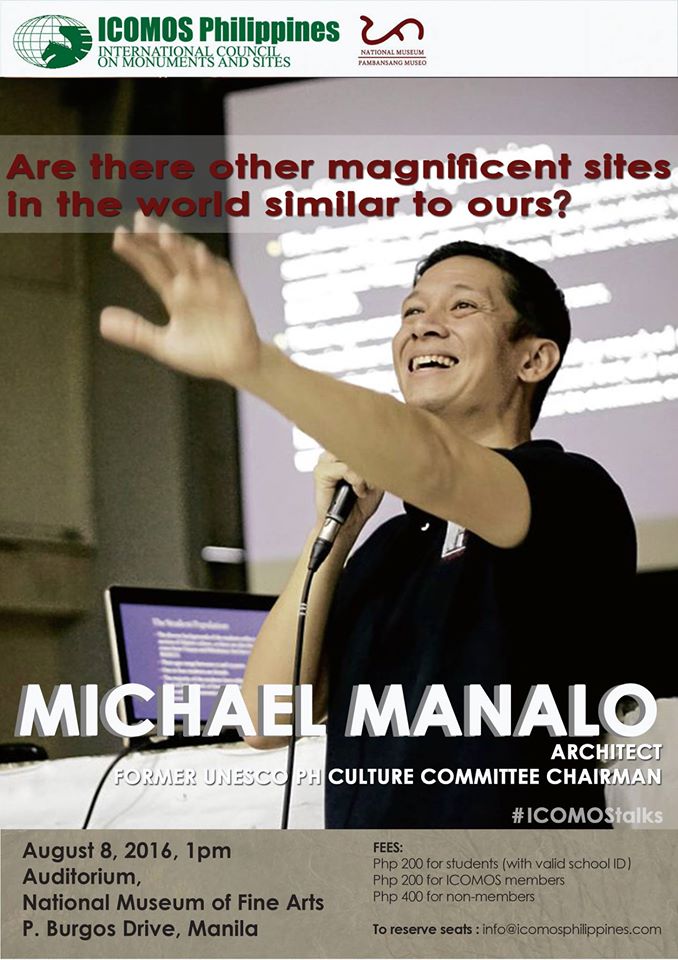
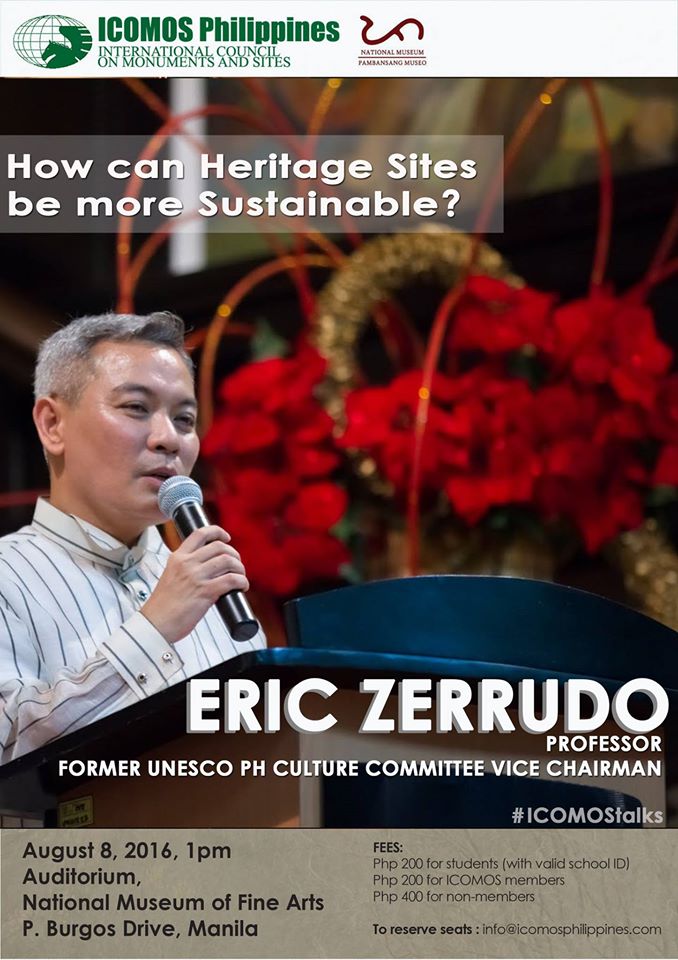
ICOMOS Talks: UNESCO World Heritage – Perspectives from the Field

ICOMOS Talks: UNESCO World Heritage – Perspectives from the Field
8 August 2016 (Monday) | 1PM (Manila City, Philippines)

ICOMOS is one of the key advisory bodies to the UNESCO World Heritage Convention and members of the organisation are dedicated to the stewardship of the worldโ€™s significant monuments and sites, and the dissemination of pertinent knowledge.

For this yearโ€™s World Heritage Committee meeting held in Istanbul, Turkey, ICOMOS Philippines supported the UNESCO National Commission of the Philippines for evaluating various World Heritage nominations and reviewing the states of conservation reports. The Philippines is one of the members of World Heritage Committee from 2013 to 2017.

International conservation practitioners Augusto Villalon, Bojer Capati, Gabriel Caballero, Eric Zerrudo, and Michael Manalo will discuss triumphs, challenges, and guidelines that could better Philippine heritage policy and management.

  • Augusto Villalon, “The Benefits of the World Heritage Convention to Sites, People and Culture
  • Gabriel Caballero, “Unraveling World Heritage: Breaking Down the Concept of Outstanding Universal Value
  • Bojer Capati, “Safeguarding OUV (Outstanding Universal Value): Zonation Method for Heritage Sites
  • Michael Manalo, “Damming It Up: Recent Case Studies in World Heritage and their Philippine Parallels
  • Eric Zerrudo, “The Concept of Sustainability in Philippine World Heritage Sites

The event will be on August 8 (Monday), 1PM, at the National Museum of Fine Arts Auditorium, P. Burgos Drive, Manila City.

Registration fee for ICOMOS Members, as well for students and faculty with valid school ID, is PHP 200. For others and the general public, registration fee is PHP 400. To reserve seats, email info@icomosphilippines.com.

The image on the poster is of Alhambra in Granada, Spain, inscribed in the UNESCO World Heritage List in 1984.

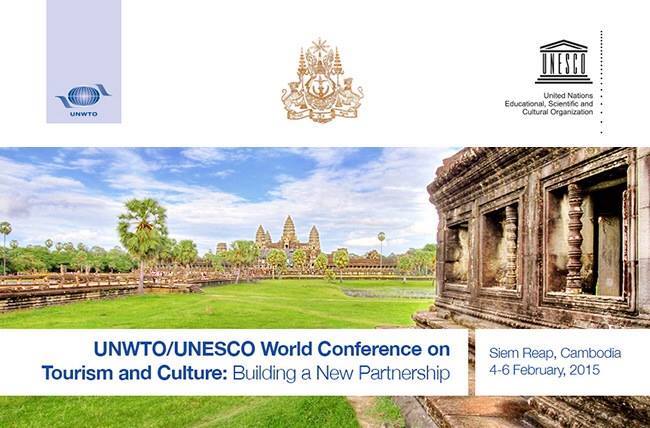
2015 UNWTO/UNESCO World Conference on Tourism and Culture: Building A New Partnership in Siem Reap, Cambodia

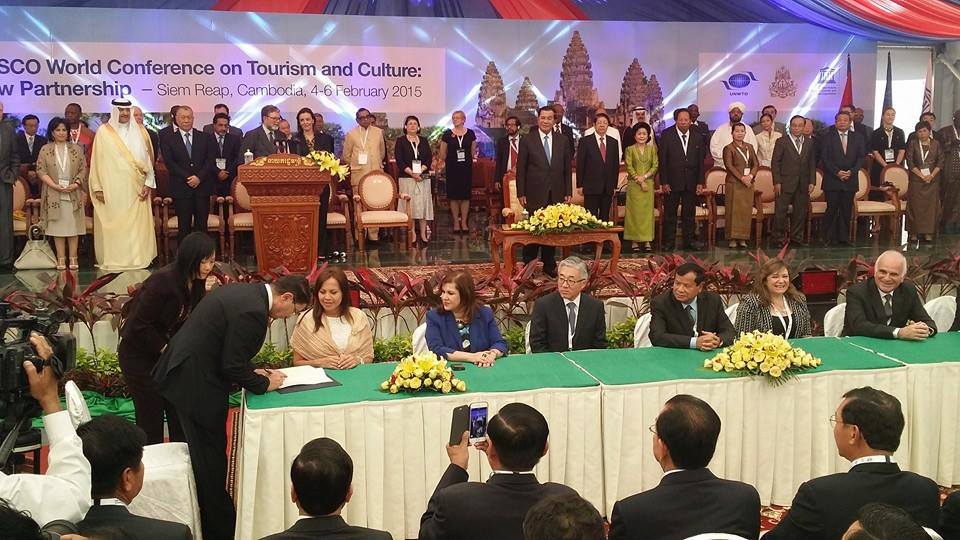
The first UNWTO/UNESCO World Conference on Tourism and Culture: Building a New Partnership held in Siem Reap, Cambodia, from February 4-6, 2015, broke new ground in bringing together over 600 delegates including over 40 ministers and vice-ministers of tourism and/or culture from around the world to jointly discuss the challenges and opportunities faced by both the tourism and culture sectors.

The participants endorsed the Siem Reap Declaration on Tourism and Culture and committed to encourage and facilitate effective partnerships between government, private and community organizations in both tourism and cultural heritage sectors.

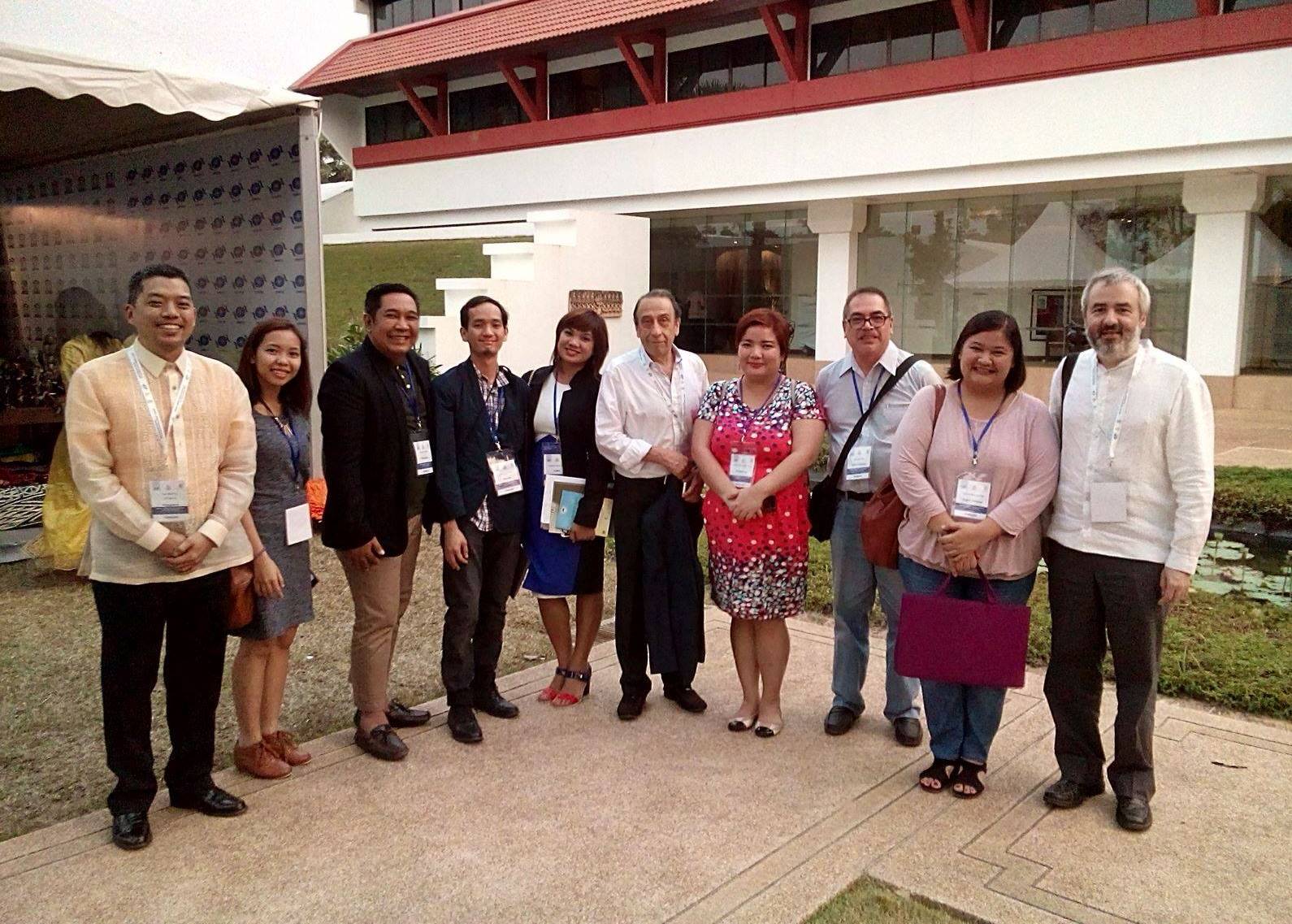
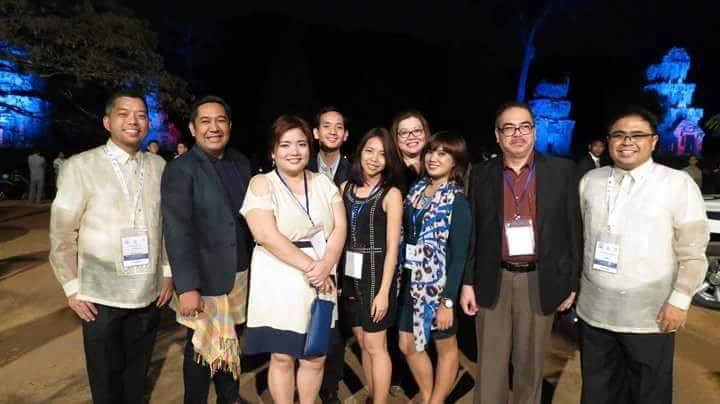
ICOMOS Philippines was represented by the following members: Ivan Man Dy, Claudia Isabelle Montero, Richard Daenos, Jeremy Balagat, Kat Correa, Rene Luis S. Mata, Tracey Santiago, Ivan Henares, and Marianne Claire Vitug.

They witnessed the Signing Ceremony of the ST-EP (Sustainable Tourism for Eliminating Poverty) and met up with the Mexican Patrimonio Mundial and Jordi Tresserras Juan of the Universitat de Barcelona.