
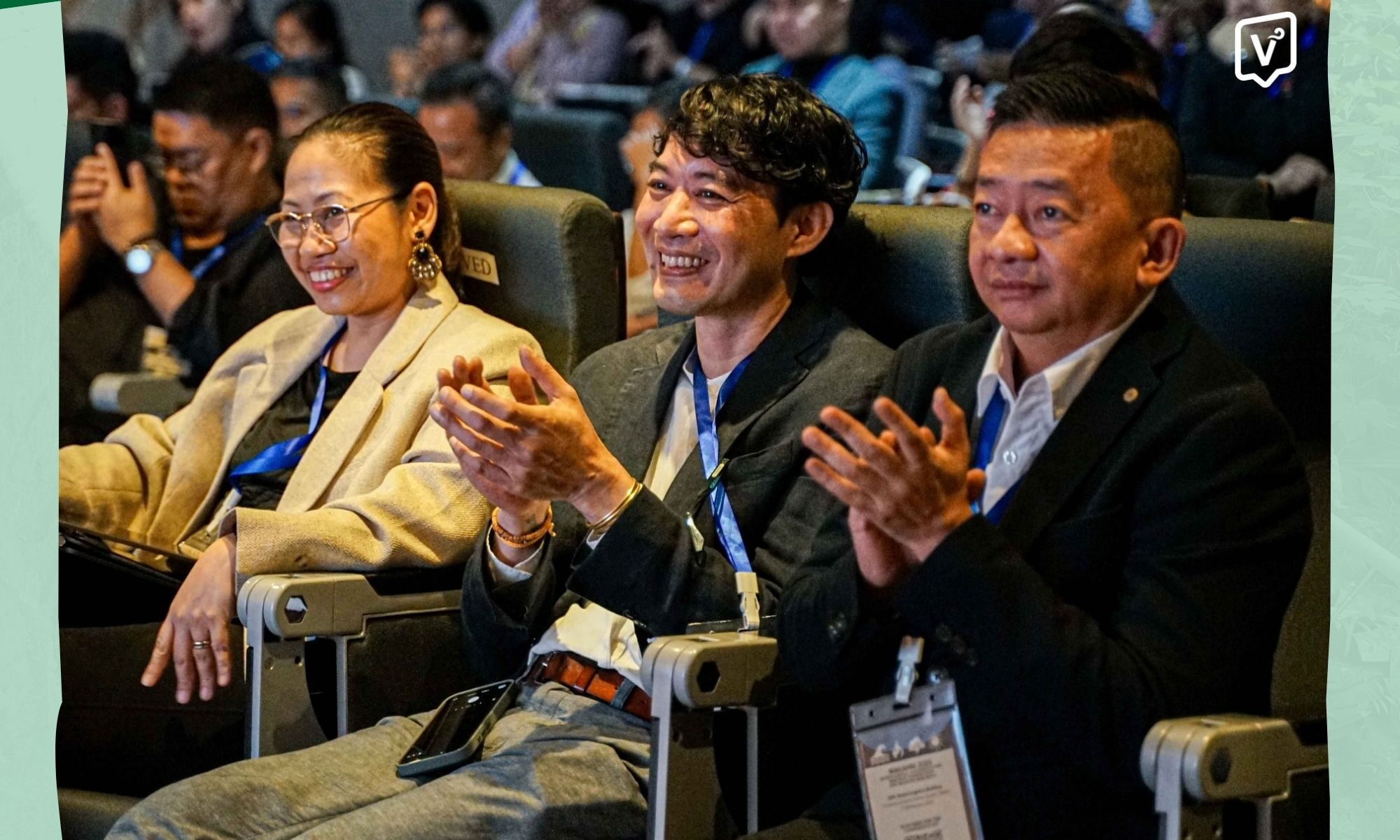
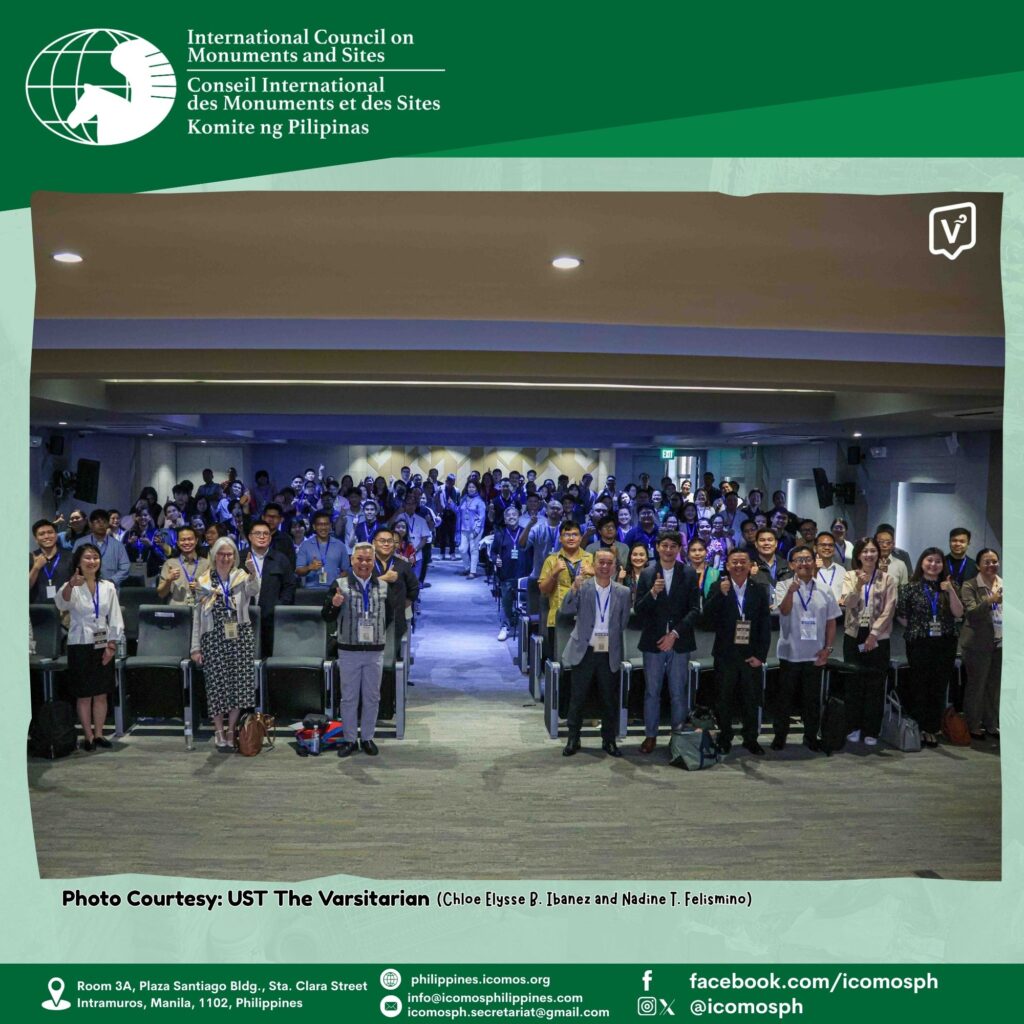
MANILA – In recognition of the Philippines’ vulnerability to natural hazards and the urgent need to safeguard its cultural heritage, the MAKAHNI 2026 International Conference for Heritage Conservation and Disaster Resilience convened heritage professionals, conservation practitioners, engineers, academics, and policymakers in a meaningful exchange of knowledge and expertise. Derived from the Ivatan word makahni, meaning “to be resilient” or “to become strong,” the conference underscored the collective responsibility to protect heritage structures from the increasing risks posed by disasters.
Hosted at the historic campus of the University of Santo Tomas (UST), the conference was organized UST Graduate School – Center for Conservation of Cultural Property and Environment in the Tropics (USTGS – CCCPET) in partnership with the ICOMOS Philippines, the National Commission for Culture and the Arts, and the Japan Foundation Manila, bringing together national and international experts committed to advancing disaster risk reduction (DRR) in heritage conservation.
The conference formally commenced with welcome messages from distinguished institutional leaders who reaffirmed their commitment to heritage protection and resilience. Messages were delivered by Ar. Rodolfo P. Ventura, MSAAE, Dean of the UST College of Architecture; Dr. Eric B. Zerrudo, Executive Director and Chairman of the National Commission for Culture and the Arts; Mr. Ben Suzuki, Director of Japan Foundation Manila; and Dr. Cheek S. Fadriquela, President of ICOMOS Philippines.
These messages emphasized the importance of interdisciplinary collaboration, institutional commitment, and capacity-building in ensuring that cultural heritage remains protected in the face of disasters.
This was followed by the presentation of the conference rationale and acknowledgement of participants by the Acting Directors of the UST Graduate School – Center for Cultural Heritage, Conservation and Preservation Engineering and Technology (USTGS-CCCPET), setting the tone for the conference’s objectives and expected outcomes.
The first module laid the groundwork for understanding disaster risks and their impact on built heritage. Engr. Dina D’Ayala, UNESCO Chair in Disaster Risk Reduction and Resilience Engineering at University College London, introduced the ISCARSAH Scientific Committee and highlighted global frameworks for strengthening heritage resilience. Director Jose Harry M. Barber of the National Disaster Risk Reduction and Management Council presented the Philippines’ disaster profile, underscoring the country’s exposure to multiple hazards. Engr. Lessandro G. Garciano of De La Salle University discussed the effects of typhoons and floods, while Dr. Rhommel Grutas of PHIVOLCS examined earthquake and volcanic risks. Ms. Li Min of Ritsumeikan University emphasized preventive and strategic approaches to disaster risk management, and the session concluded with a historical overview of Philippine built heritage, focusing on its types, cultural significance, and conservation principles in disaster contexts. A plenary discussion followed, allowing participants to engage directly with the speakers and deepen the exchange of insights.
The succeeding modules focused on preparedness, response, recovery, and institutional integration. Experts including Ms. Aya Miyazaki of Tokyo University, Ar. Reynaldo Lita of the National Historical Commission of the Philippines, Ar. Caryn Paredes-Santillan of UST College of Architecture, and Mr. Toru Tateishi of The Museum of the Imperial Collections shared strategies on preventive conservation and disaster preparedness planning. Discussions then shifted to response and recovery, with Mr. Joseph Patrick Lee of the National Commission for Culture and the Arts presenting inter-agency coordination during the 2025 Bogo Earthquake, Joselito Corpus of ICORP highlighting safety and salvage operations, and Dr. Cheek S. Fadriquela detailing ICOMOS Philippines’ post-earthquake heritage assessments under UNESCO Jakarta’s Heritage Emergency Fund. The final module emphasized communication, community engagement, and institutional collaboration, featuring insights from Ms. Vanessa Marquez-Nicolas of the National Commission for Culture and the Arts, Ms. Kinna Mae Kwan of Guiuan, Eastern Samar, and Fr. Milan Ted D. Torralba. Each module concluded with plenary exchanges, and participants further engaged in thematic breakout sessions organized around disaster cycles and hazard types to develop focused, long-term resilience strategies.
The conference concluded with a closing message from Prof. Michael Anthony C. Vasco, PhD, Dean of the UST Graduate School, who emphasized that, given the country’s vulnerability to various calamities, it is essential to take proactive measures to protect historical heritage sites that embody our national identity. He highlighted the importance of restoring and preserving these sites, congratulated the organizing committee, expressed gratitude to all participants, and encouraged the continuation of the work initiated over the two days of the conference.
Participants included experts and members of ICOMOS Philippines, whose presence reinforced the organization’s leadership in heritage conservation and disaster resilience. Notable attendees were Ar. Carmencita Solis, Ar. Giuseppe Luigi Abcede, Ar. Timothy Augustus Ong, Ing. Ar. Ronald Allan M. Mabunga Jr., Ar. Ramil Tibayan, Ar. Roy De Guzman, Ar. Julius Artates, Engr. Mary Grace Casuncad, Phillip Norbert Medina, Engr. Joaquin Ramos, Ar. Eunice Valerie Lim, and John Michael Cayme.
Part 1 of the conference, focusing on Strengthening Heritage Conservation Policy, Protocols, and Practices across the Disaster Cycle, was held at the UST College of Architecture AVR Beato Angelico Building from February 17–18, 2026. Part 2, the Technical Workshop on Multi-Hazard Vulnerability Assessment of Unreinforced Masonry Heritage Structures, took place on February 19–20, 2026, with day one at the same venue and day two at Betis Church in Guagua, Pampanga. The participation of these experts facilitated meaningful exchanges of knowledge and strengthened professional collaboration within the heritage conservation community.
MAKAHNI 2026 reaffirmed the importance of interdisciplinary collaboration, institutional preparedness, and community engagement in protecting cultural heritage. Through expert presentations, interactive discussions, and collaborative workshops, the conference strengthened the collective capacity of professionals and institutions to respond to disaster risks.
In the true spirit of makahni, the conference stands as a testament to the shared commitment of ensuring that cultural heritage remains resilient, safeguarded, and preserved for future generations.