
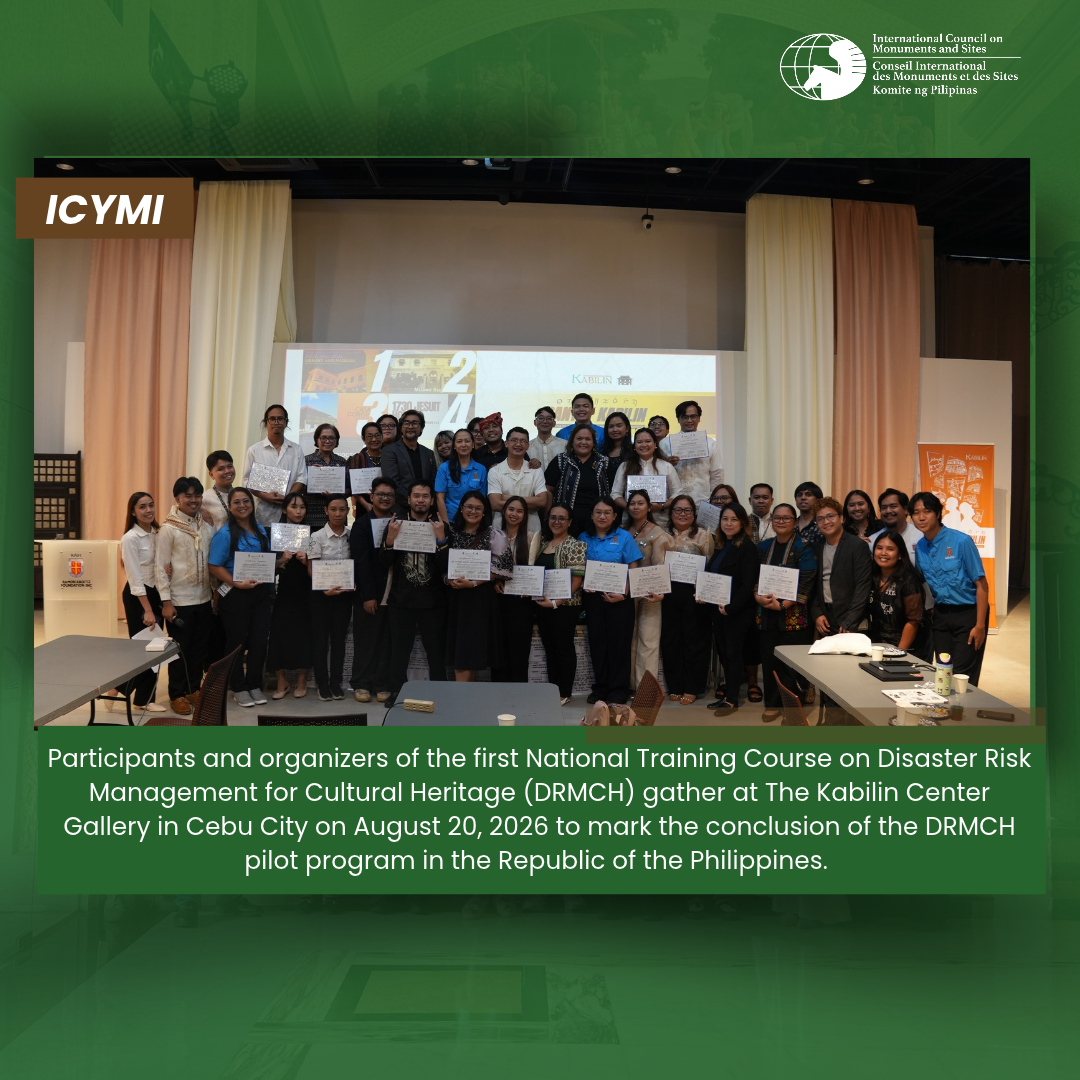
CEBU CITY, Philippines | July 27–August 20, 2026 — The Bantay Kabilin: Pilot Training Program on Disaster Risk Management for Cultural Heritage (DRMCH) officially concluded on August 20, 2026, marking an important step toward strengthening the capacity of heritage practitioners, institutions, and communities to prepare for, respond to, and recover from disasters affecting cultural heritage.
The 16-day pilot program brought together participants representing 10 case sites across Cebu City. Beyond developing individual skills, the program aimed to build a community of DRMCH practitioners, future trainers, and advocates who can bring disaster preparedness into their respective institutions and communities.
The program was led by Mr. Joselito H. Corpus, MSHP, Kabilin Partnership Program (KPP): DRMCH Project Director; Ar. Kenneth Tua, PhDAgSci, KPP Chief Project Officer; Ar. King Rosales, DRMCH Project Lead; and Ar. Kristi Marie Gultiano, Local Research Assistant, with the technical expertise and guidance of ICOMOS Philippines.
Throughout the training, participants engaged in lectures, workshops, field activities, discussions, and group exercises led by international, national, and local experts. These sessions covered key DRMCH concepts, including heritage values, hazard identification, vulnerability and risk assessment, mitigation, preparedness, emergency response, and recovery.
A central component of the program was the practical application of DRMCH principles. Working in multidisciplinary teams, participants applied tools and methodologies to their assigned case sites, considering heritage significance, local contexts, stakeholder perspectives, vulnerabilities, and potential disaster risks.
The program also celebrated Cebu’s rich cultural diversity. Through their attire and activities, participants represented the various tribes and cultures of Cebu City, underscoring that cultural heritage extends beyond historic structures and collections to include traditions, knowledge, identities, and living communities.
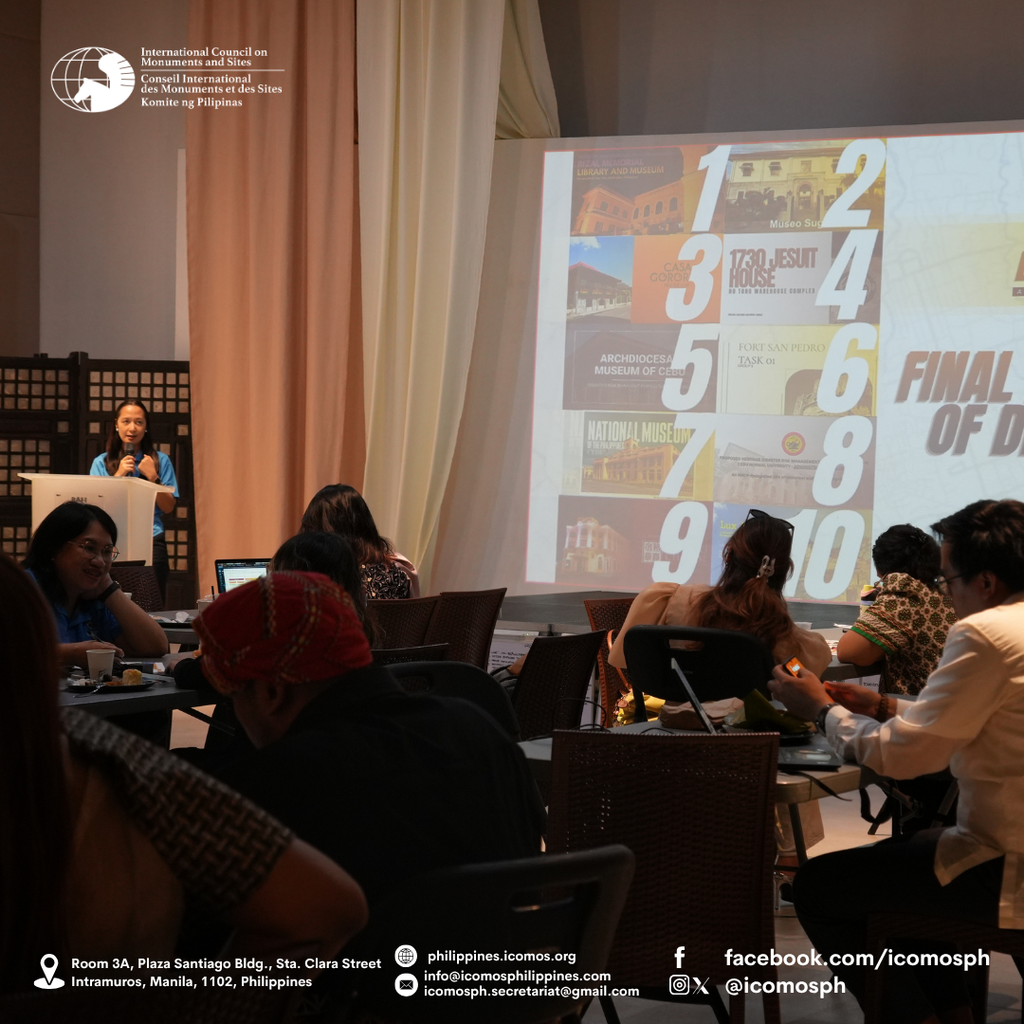
One of the major outputs of the pilot was the development of 10 Heritage Disaster Risk Management Plans (HDRMPs), one for each case site. During the Presentation of Group Outputs and Action Plans, the teams presented their proposed measures based on the specific heritage values, risks, stakeholders, and circumstances of their sites.
The presentations were followed by a Technical Review and Panel Feedback, where experts provided recommendations and constructive observations to further strengthen the plans and ensure their applicability. These outputs now provide a starting point for site custodians, cultural institutions, heritage practitioners, and other stakeholders to improve preparedness and develop more coordinated responses during emergencies.
The project team emphasized that the plans should not remain as training outputs alone. Instead, they are intended to be continuously refined, adopted, and institutionalized as practical documents that can guide preparedness, response, and recovery efforts.
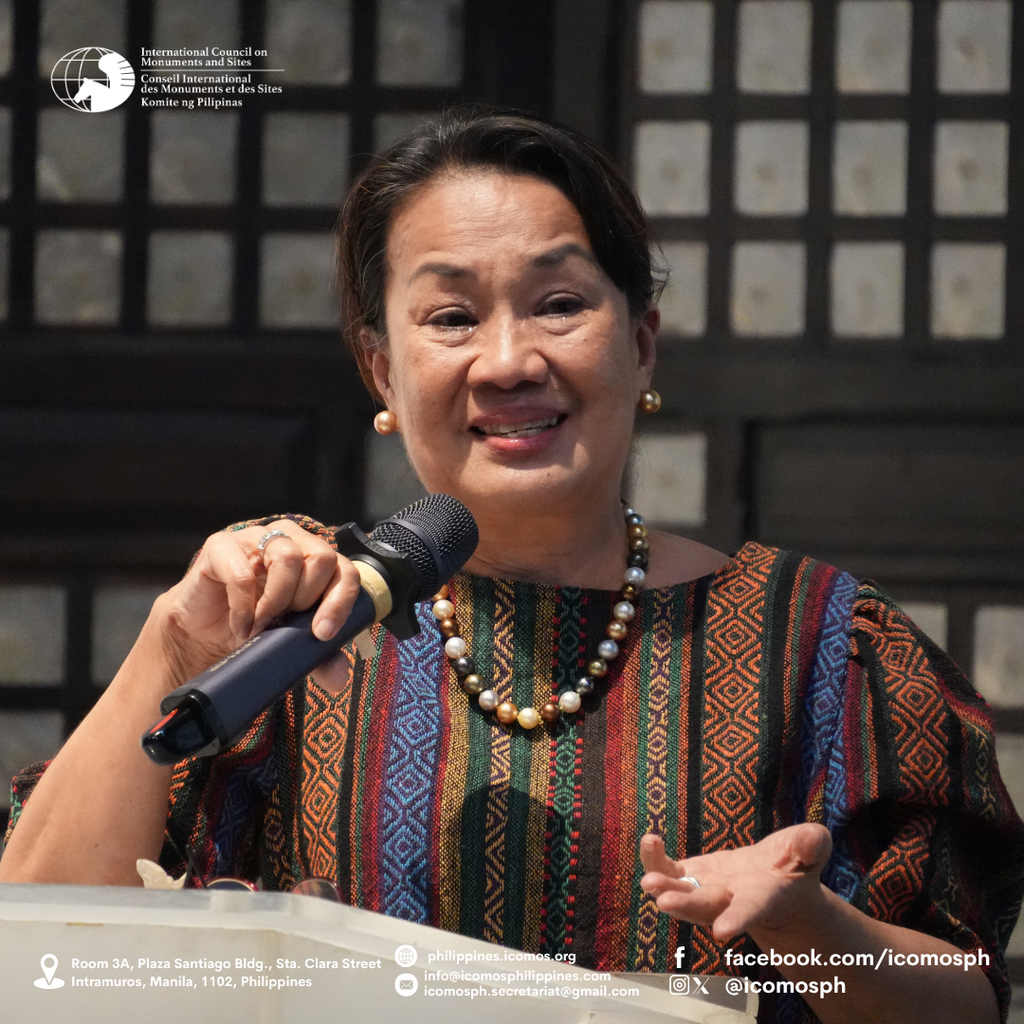
The program also gave participants an opportunity to reflect on the broader responsibility of heritage stewardship. Ar. Maria Lourdes Onozawa, an ICOMOS Philippines expert based in Cebu City, shared reflections on Cebu’s long history of heritage conservation and recognized the contributions of people and institutions that have sustained these efforts over the years. She also acknowledged the significant role of the Ramon Aboitiz Foundation, Inc. (RAFI) in supporting cultural heritage initiatives in Cebu.
During the closing program, Ms. Marie Sol Delantar-Gonzalvo, RAFI’s Cebu North and Central Portfolio (NCP) Executive Director, expressed appreciation to ICOMOS Philippines, the Japan Foundation in Manila, organizers, resource persons, and participants for their commitment throughout the pilot. She emphasized the important role of local heritage workers, who are often among the first responders and custodians of cultural heritage during disasters, and encouraged participants to apply their learning within their institutions and communities.
The importance of the program is especially relevant in the Philippines, where communities continue to face typhoons, earthquakes, floods, fires, and other hazards. Cultural heritage can be particularly vulnerable due to the age and condition of heritage resources, their materials and locations, and limited resources for their protection. Strengthening preparedness is therefore essential to reducing risks and enabling more coordinated responses during emergencies.
For Ar. Ramil B. Tibayan, President of ICOMOS Philippines, the completion of Bantay Kabilin represents an important step toward strengthening the preparedness and resilience of cultural heritage stakeholders. He also highlighted the potential of the pilot to serve as a foundation for ICOMOS Philippines to develop a national certification or capacity-building framework for cultural heritage workers, particularly in DRMCH.
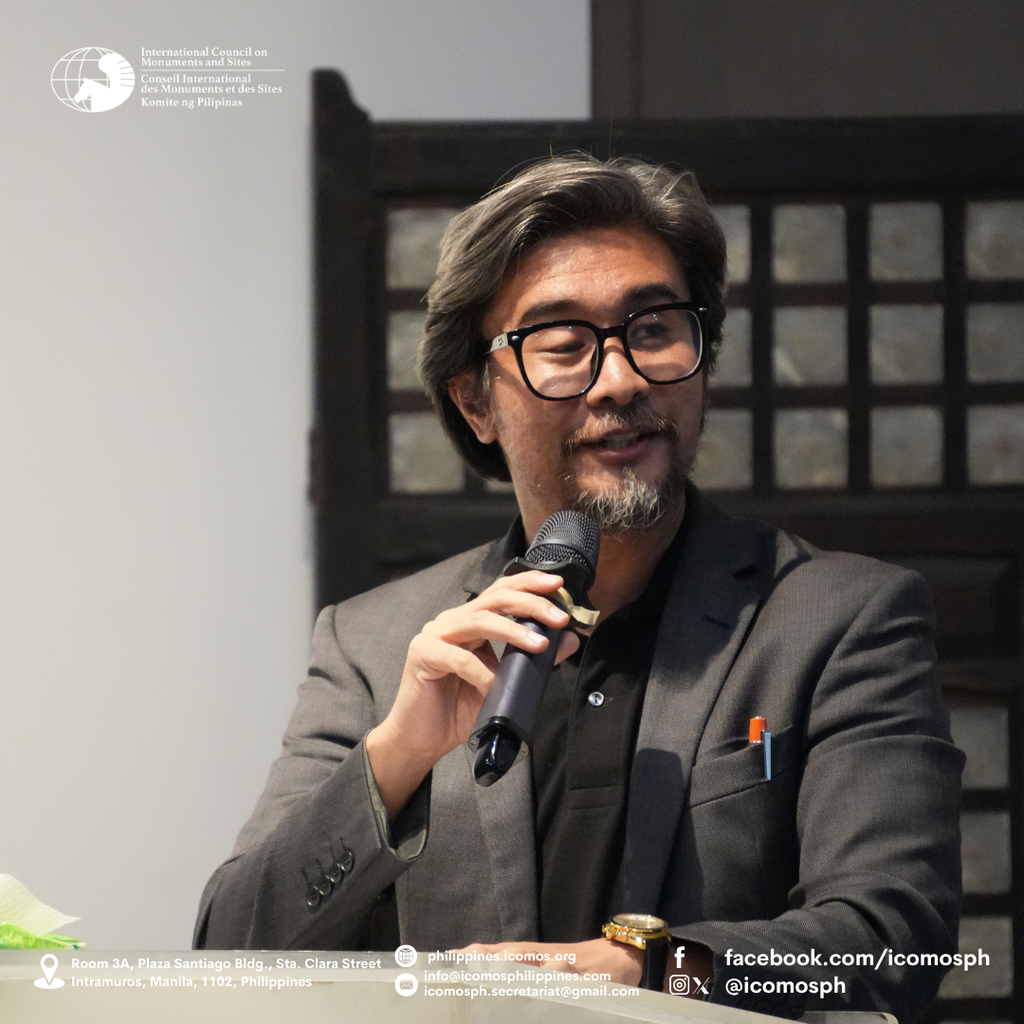
Ar. Tibayan emphasized that the success of the program will ultimately be measured by how participants translate their learning into actual preparedness measures, response protocols, and conservation practices within their institutions and communities. He also recognized the collective efforts of partner organizations, experts, facilitators, site representatives, and participants, underscoring that heritage resilience is a shared responsibility.
The completion of Bantay Kabilin marks more than the close of a 16-day training program. It represents the beginning of a sustained commitment to transforming knowledge into action, strengthening institutional partnerships, and embedding disaster preparedness at the heart of cultural heritage conservation.
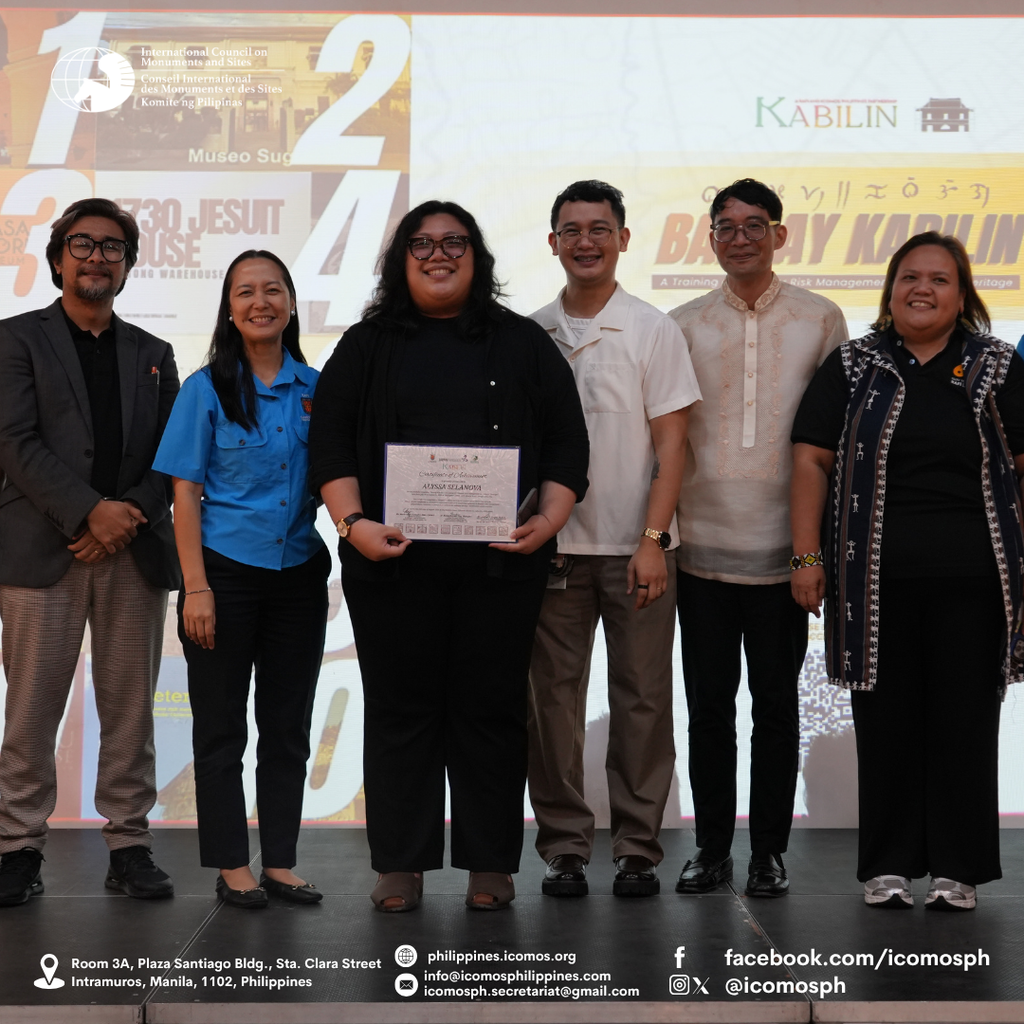
The program formally concluded with the Awarding of Certificates of Achievement, honoring the participants, subject matter experts, organizers, and partner institutions whose dedication and collaboration made the successful implementation of this pilot initiative possible. As Bantay Kabilin advances beyond its pilot phase, the lessons learned, partnerships forged, and 10 DRMCH plans developed through the program provide a strong foundation for future capacity-building efforts and cross-sector collaboration. More importantly, it has cultivated a growing network of heritage and disaster risk management practitioners united by a shared purpose: safeguarding cultural heritage through proactive action, building resilience in the face of increasing risks, and ensuring that the stories, traditions, and identities embodied in heritage continue to inspire and endure for generations to come.