
In its continuing commitment to safeguard and promote the Philippines’ cultural heritage, the International Council on Monuments and Sites (ICOMOS) Philippines conducted a four-day Cagayan Valley Study Tour from September 26 to 29, 2025. The activity formed part of the organization’s field-based heritage assessment and community engagement efforts in Northern Luzon, focusing on significant ecclesiastical and historical structures that reflect the region’s enduring colonial legacy.
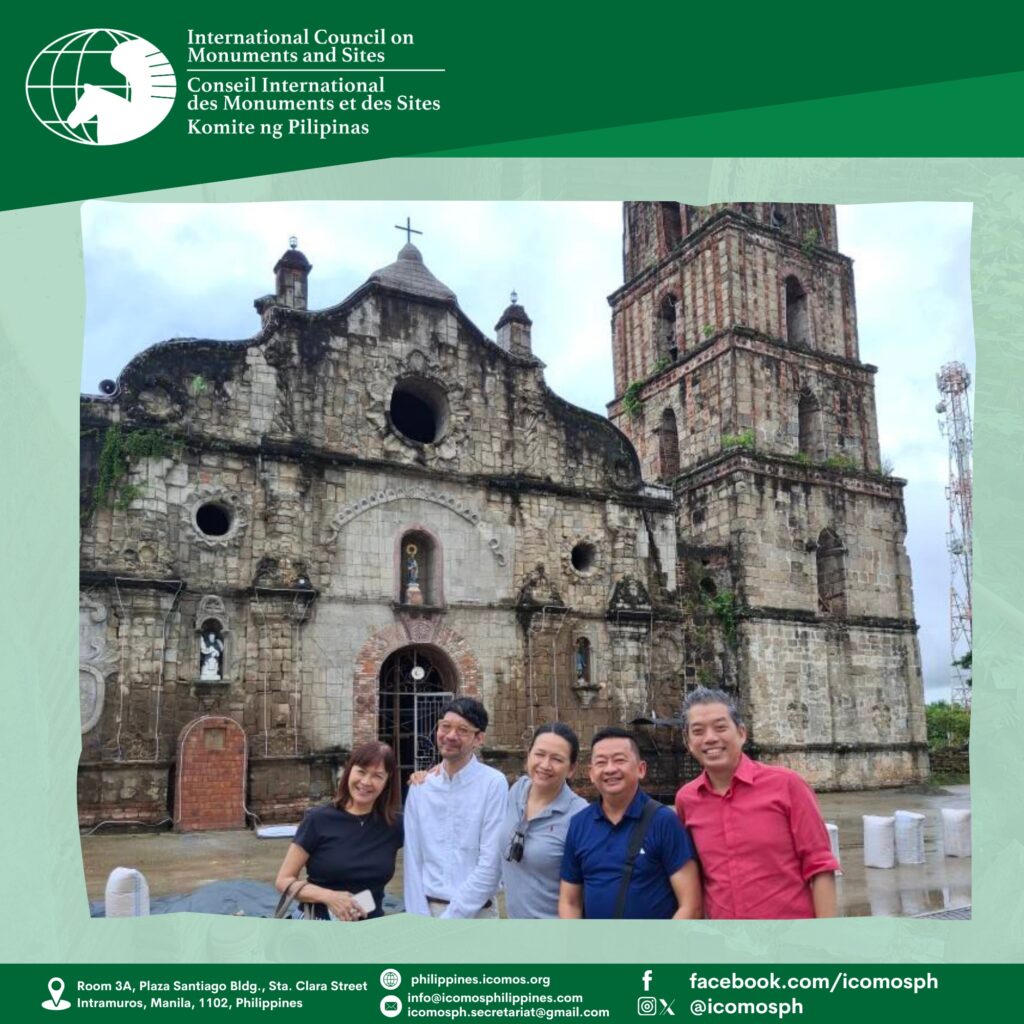
Leading the delegation was ICOMOS Philippines Vice President, Dr. Caroline Marie Lising, joined by Chairman and President, Dr. Cheek S. Fadriquela, and Corporate Secretary, Liliane “Tats” Manahan. Also joining the tour were ICOMOS Philippines members Mr. JH Corpus, Mr. Ivan Man Dy, and Ar. Michael Tabao, whose participation contributed valuable perspectives in heritage architecture, conservation, and cultural studies.
The study tour commenced in San Pablo, Isabela, home to the Church of San Pablo, a National Cultural Treasure. As part of ICOMOS Philippines’ community outreach, the team met with Parish Priest Fr. Darwin Mamauag, who shared updates on the site’s current condition. The church, under the administration of the Diocese of Ilagan, is presently being guided by Architect Raj Busmente as consultant.
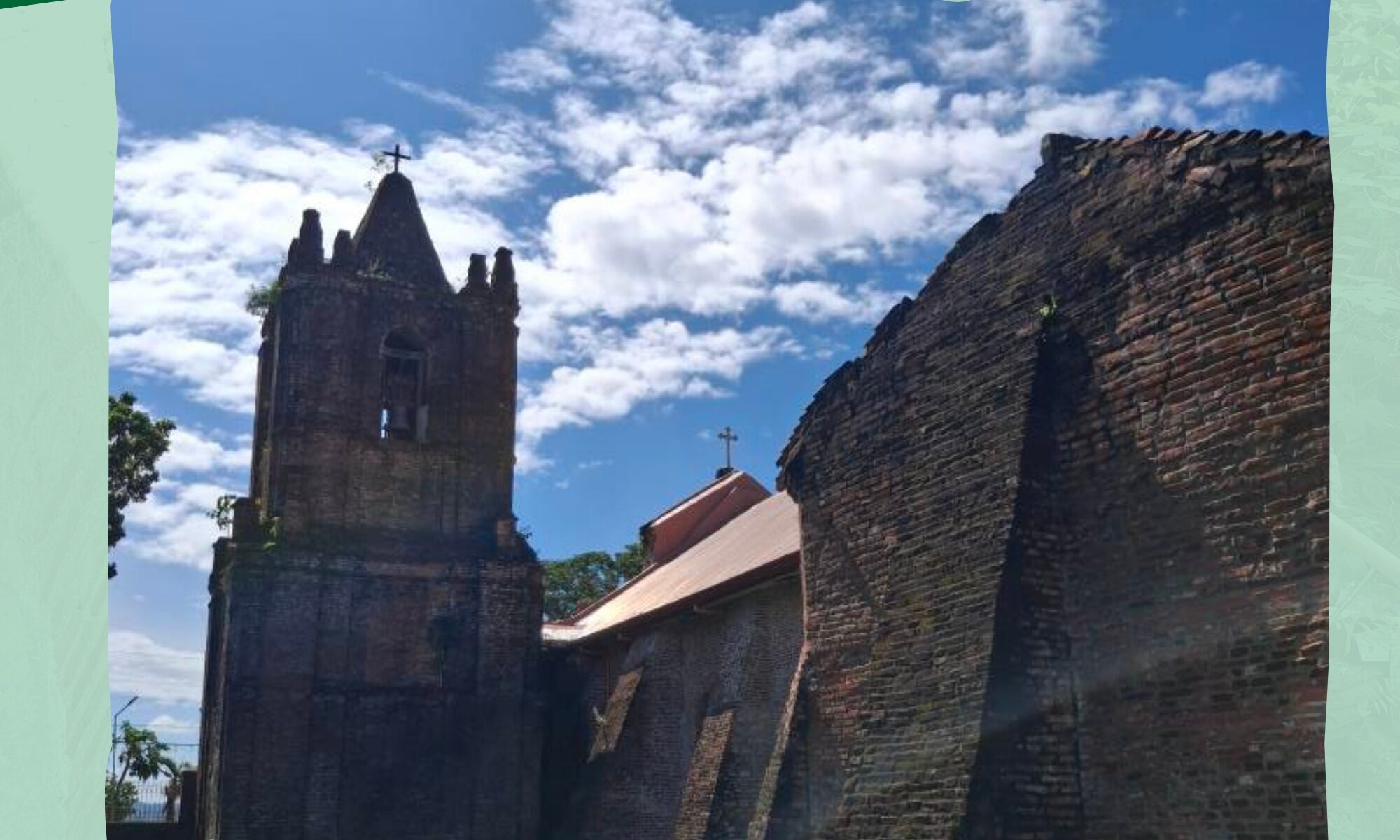
The team next visited the Church of San Matias in Tumauini, another National Cultural Treasure, renowned for its circular bell tower and intricate brickwork. Subsequent stops included the St. Peter Metropolitan Cathedral in Tuguegarao, the Horno ruins, which once supplied bricks for many colonial-era churches, the San Jacinto Ermita Church, and the Iguig Church and Calvary Hills, a significant pilgrimage site offering panoramic views of the Cagayan River.
The second day focused on the western municipalities of Cagayan, beginning with the Pata Church Ruins in Sanchez Mira, an evocative reminder of the area’s early missionary presence. The group proceeded to Lal-lo, where they examined the Lal-lo Church and nearby ruins, providing valuable insights into early Spanish settlement patterns along the Cagayan River.
In Camalaniugan, the team visited the site of the oldest bell in the Philippines, cast in 1595. They also studied the surrounding ruins, bas-reliefs, and horno structures that highlight the town’s deep historical roots and architectural heritage.
The third day of the tour began with a visit to the Our Lady of Piat Church, one of Northern Luzon’s most important pilgrimage destinations. The group then visited the Tabang Church Ruins, before proceeding to the Callao Caves, a remarkable geological formation that complements the region’s built heritage with its natural and archaeological significance.
The study tour concluded at the Cagayan Provincial Museum in Tuguegarao, where the participants viewed collections of artifacts, historical photographs, and materials that provided additional context to the sites visited.
In pursuit to continuing commitment to heritage preservation. The Cagayan Valley Study Tour served as a vital opportunity for ICOMOS Philippines to document, assess, and promote the preservation of key heritage sites in Northern Luzon. Beyond on-site evaluations, the activity strengthened connections with local stakeholders—clergy, parish communities, and heritage advocates—highlighting the importance of collaborative action in heritage conservation.
Through initiatives like the Cagayan Valley Study Tour, ICOMOS Philippines continues to fulfill its mission of protecting, conserving, and celebrating the nation’s rich and diverse cultural heritage.