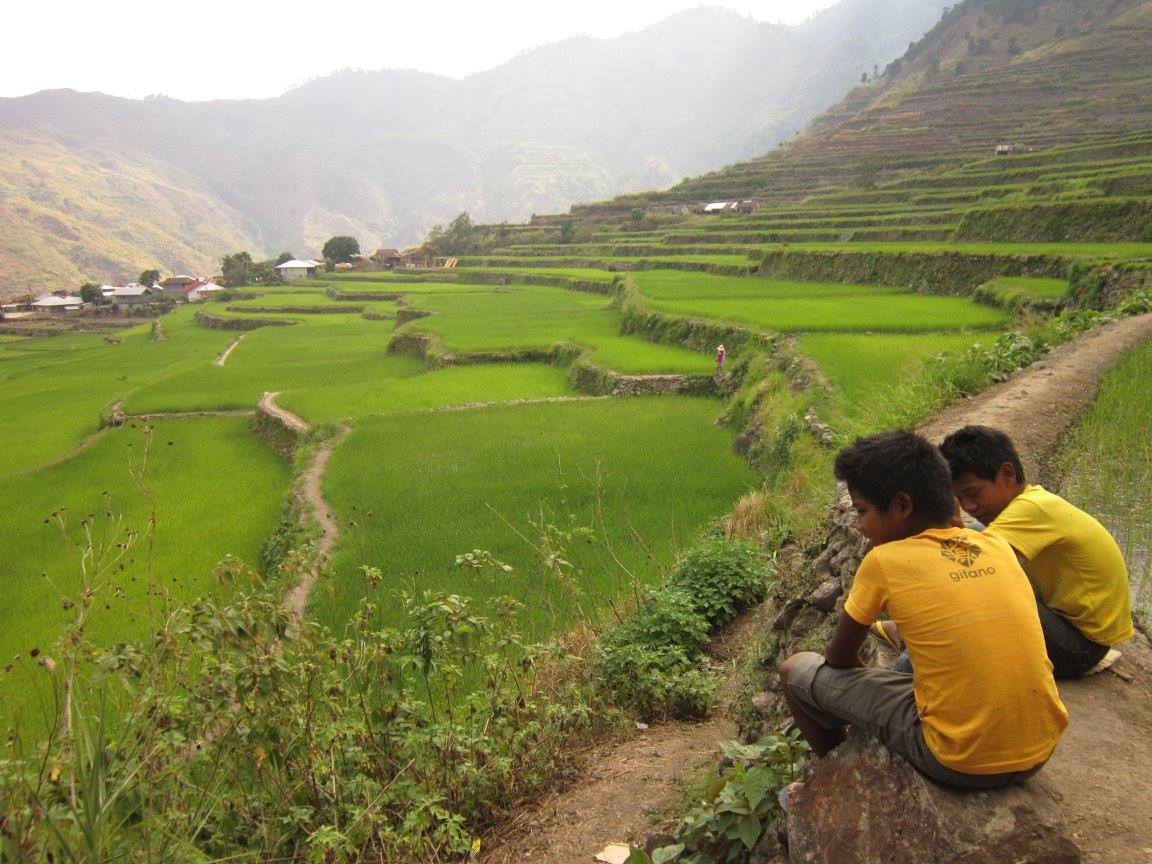

SD Training 01: Basics of Heritage and Sustainable Development
13 to 15 August 2025 | The Kabilin Center, Cebu City
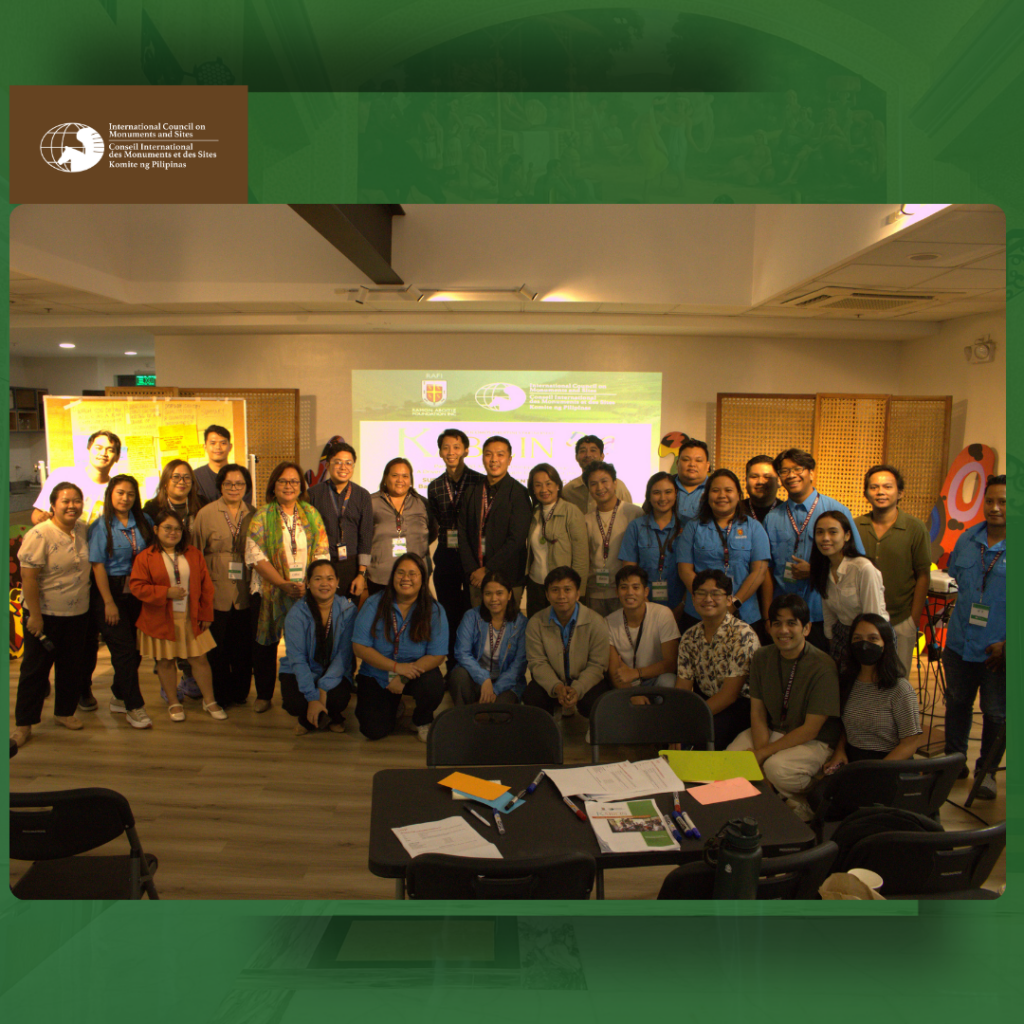
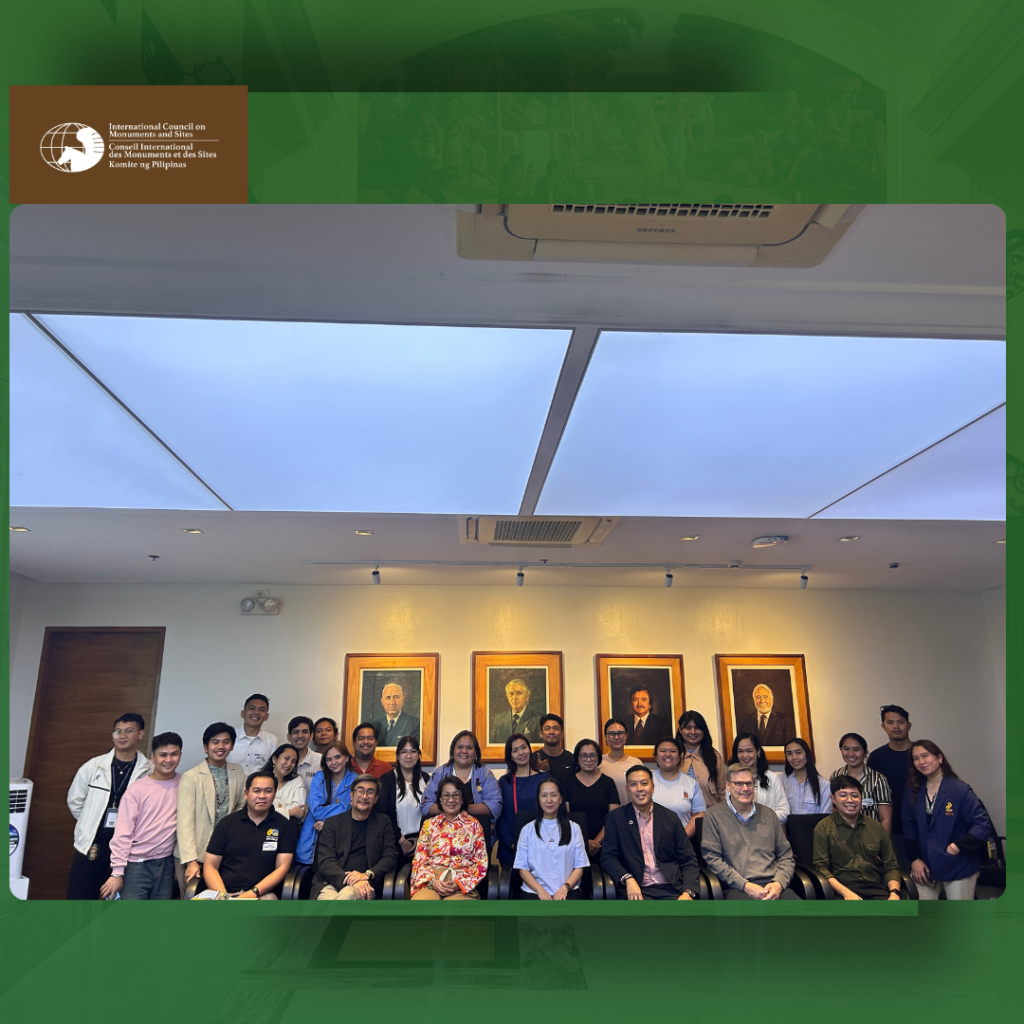
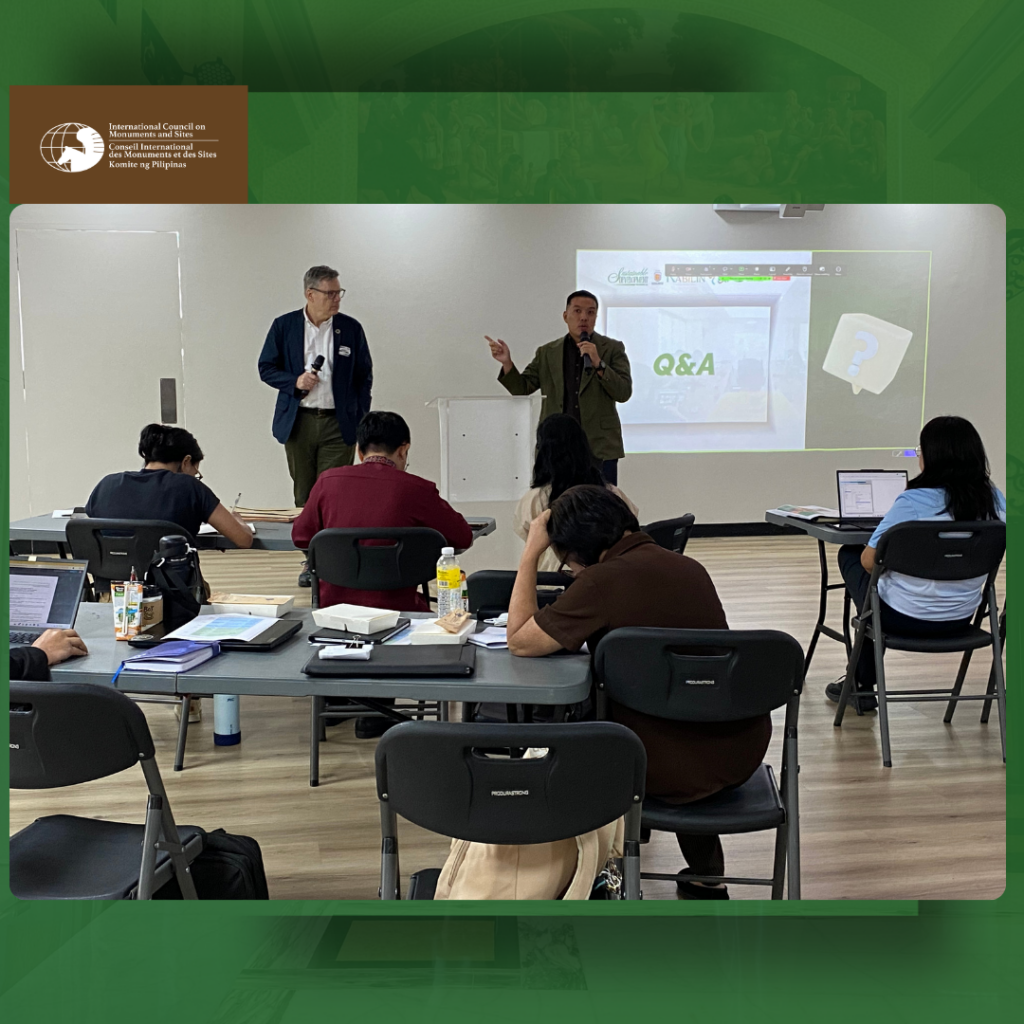
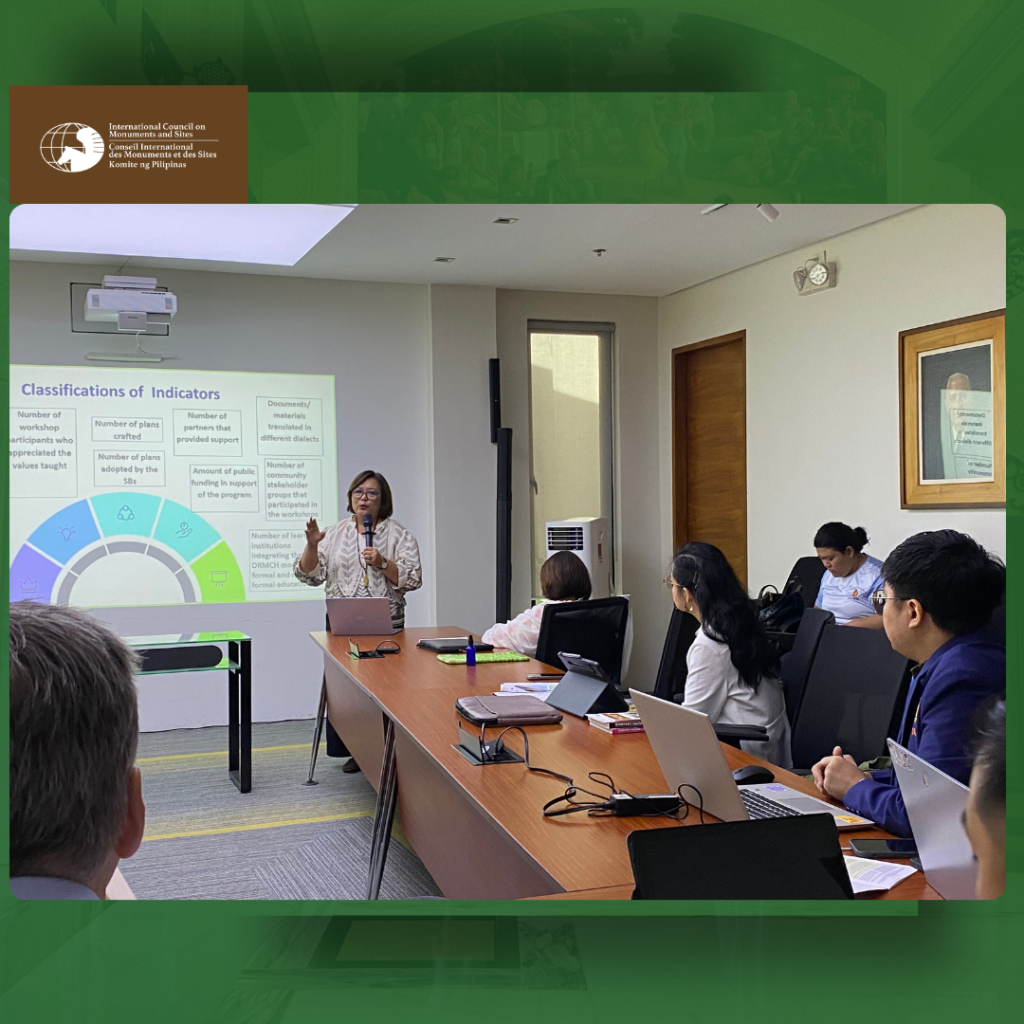
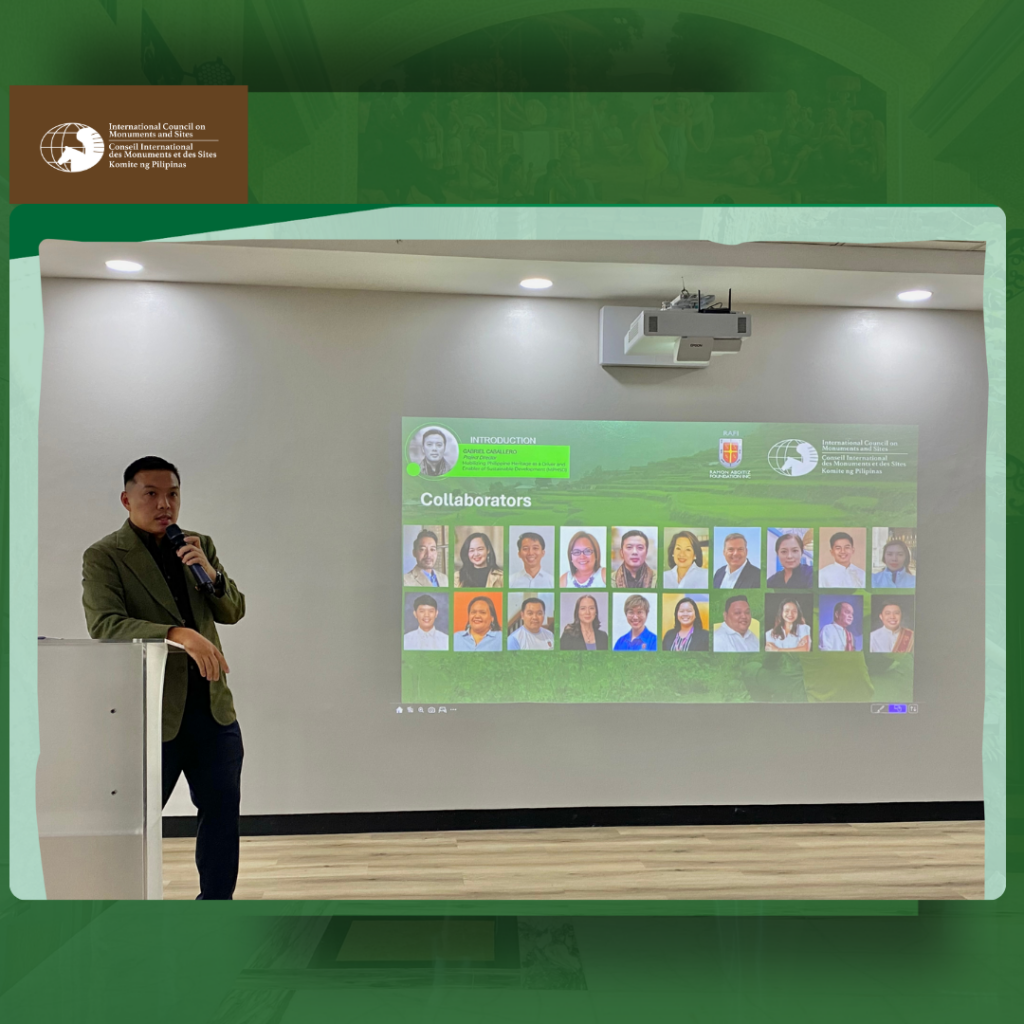
ICOMOS Philippines and the Ramon Aboitiz Foundation Inc. conducted the first Sustainable Development Training under the Pamana 2030: Mobilizing Philippine Heritage as a Driver and Enabler of Sustainable Development initiative. Held at The Kabilin Center in Cebu City, the training brought together RAFI teams, ICOMOS Philippines, heritage workers, and development partners to build a common understanding of how cultural heritage can support sustainable development.
The sessions introduced participants to the wider role of culture and heritage in development work. Discussions looked at how heritage is connected to social inclusion, local economies, environmental care, community resilience, and identity. Participants also engaged with national and international frameworks, including the Sustainable Development Goals, the Philippine Development Plan, inputs from the National Commission for Culture and the Arts, and the UNESCO Culture 2030 Indicators.
Through lectures, case studies, and group discussions, the training helped show that heritage is not only something to protect or preserve. It can also help communities respond to present needs and plan for the future. Examples from tourism, community mapping, disaster risk management, and heritage management showed how culture can be linked to practical concerns on the ground.
This first training laid the groundwork for the succeeding MPHSD activities. It helped participants move from a general understanding of heritage and sustainability toward a clearer view of how heritage work can be documented, measured, and connected to planning. It also helped establish the shared direction that would later guide the development of indicators and assessment tools under Pamana 2030.
Supporting agencies and representatives:
DepDev / national development planning input: Lester Owen Go, Chief Economic Development Specialist, DepDev Development Research Division
NCCA: Jesuben Angel S. Bongolan, Head of the Regional Coordination Unit, NCCA Planning and Policy Office
CIT-U: Engr. Erlyn Ivy O. Rago, Head of the Student Success Office, Cebu Institute of Technology – University
RAFI / Kabilin Partnership: Kenneth Javier Tua, Chief Project Officer, Kabilin Partnership
RAFI: Christian Anuta, Director, Program Excellence Group
SMEs / resource persons / facilitators:
- Andrew Mason, WSP Canada Inc., ICOMOS SDGWG Member (Canada), Task Team on Heritage Evaluation Criteria and Indicators
- Chen Mencias, ICOMOS Philippines SDGWG Member and former NEDA Stakeholders Chamber Representative for ICOMOS Philippines
- Maria Lourdes ‘Joy’ Martinez Onozawa, ICOMOS Philippines SDGWG Member and Subject Matter Expert
- Gabriel Caballero, MPHSD Project Director
- Carmencita Solis, ICOMOS Philippines SDGWG Member and Facilitator
SD Training 02 Module 1: Designing Indicators and MOVs
22 and 29 January 2026 | Online and In-Person Sessions
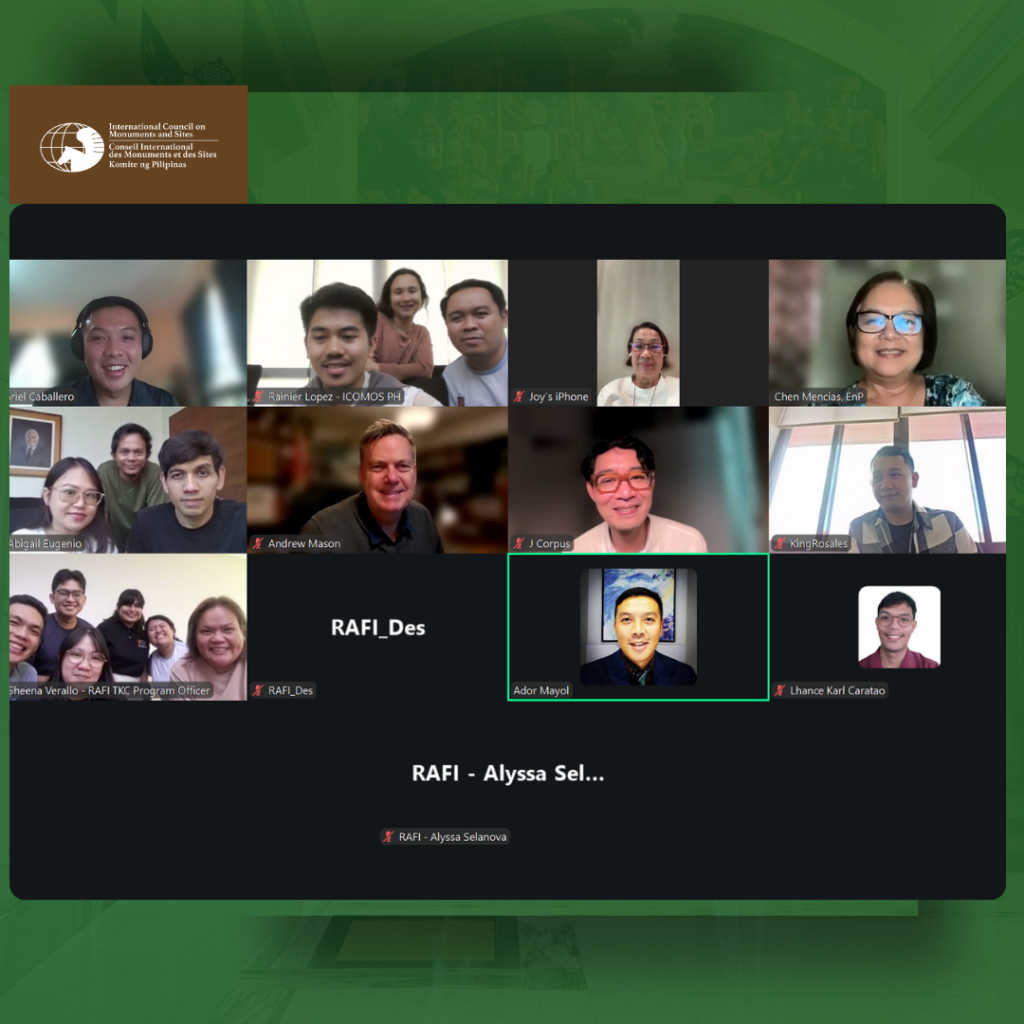
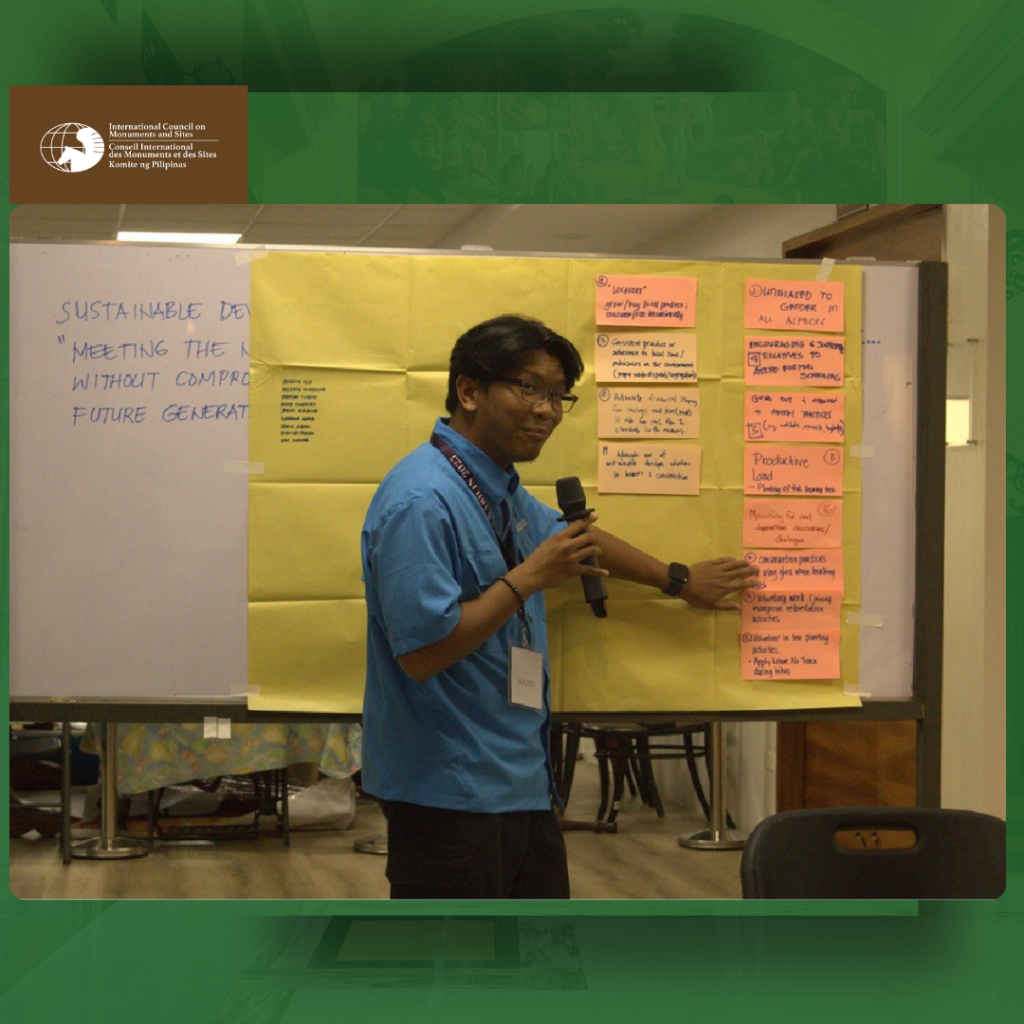
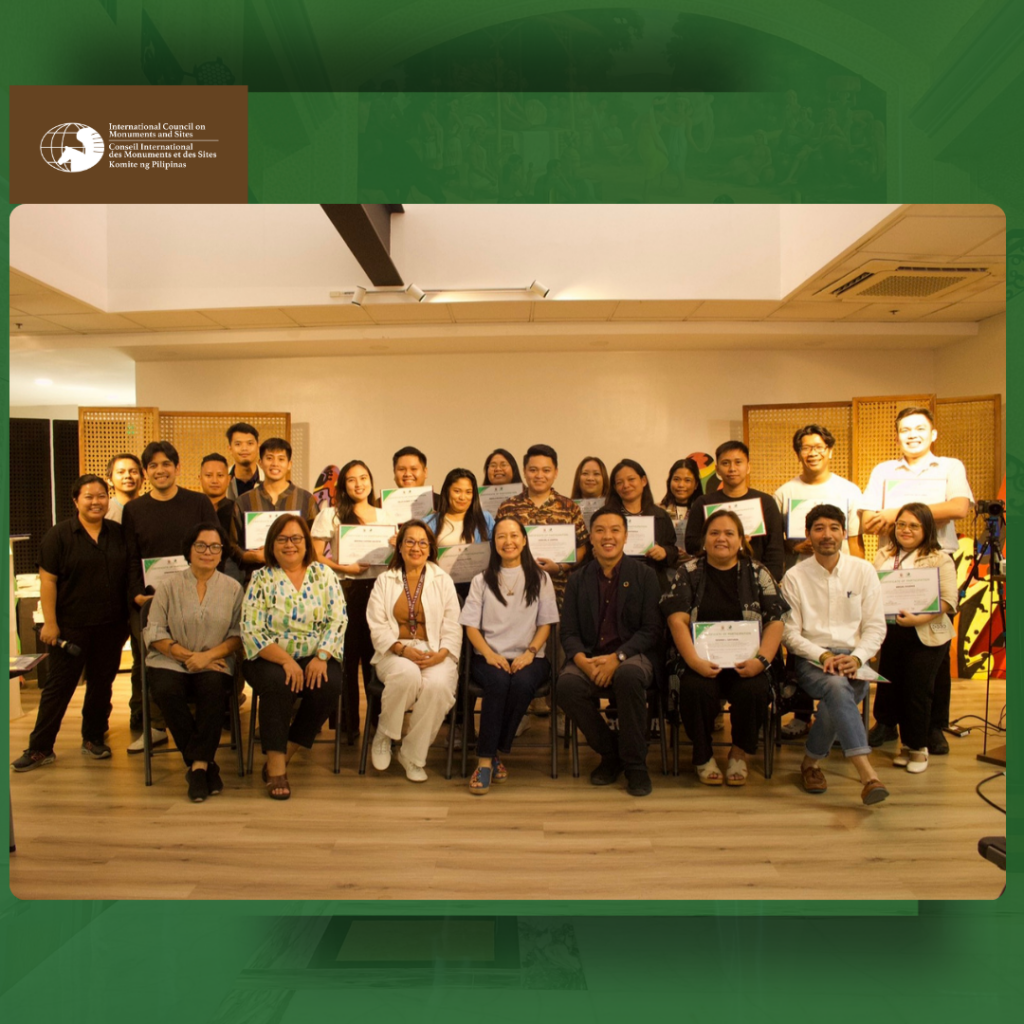
Sustainable Development Training 02 Module 1 moved the discussion from general concepts of heritage and sustainable development toward the practical design of indicators and Means of Verification. Held through online and in-person sessions, the module focused on how RAFI’s heritage-related projects could be connected to national cultural policy priorities, especially the Philippine Development Plan for Culture and the Arts 2024-2029.
The sessions helped participants look at how each project could identify relevant indicators, available data sources, and possible evidence that can show culture’s contribution to sustainable development using the framework set by the National Commission for Culture and the Arts. The module introduced the idea that heritage projects need clear measures and documentation so that their social, cultural, economic, and governance contributions can be better understood over time.
Participants worked through the four RAFI project components, namely Casa Gorordo Museum, The Kabilin Center, the National Training Course on Disaster Risk Management of Cultural Heritage, and the Safeguarding of the Intangible Cultural Heritage of the Santo Nino Devotion. Through these discussions, project teams began matching their work with PDP-CA outcomes and identifying what kinds of data could realistically be collected from ongoing project activities.
This module became an important bridge between the first training and the later work on the UNESCO Culture 2030 Indicators. It helped prepare the teams for deeper indicator development by clarifying what can be measured, what evidence is available, and what still needs to be strengthened in the projects’ monitoring and documentation systems.
Supporting agencies and representatives:
NCCA: Jesuben Angel S. Bongolan, Head of the Regional Coordination Unit, NCCA Planning and Policy Office
SMEs / resource persons / facilitators:
- Andrew Mason, WSP Canada Inc., ICOMOS SDGWG Member (Canada), Task Team on Heritage Evaluation Criteria and Indicators
- Chen Mencias, ICOMOS Philippines SDGWG Member and former NEDA Stakeholders Chamber Representative for ICOMOS Philippines
- Chanelle Mesjena Custorio, ICOMOS Philippines Member and Facilitator
- Maria Lourdes ‘Joy’ Martinez Onozawa, ICOMOS Philippines SDGWG Member and Subject Matter Expert
- Project perspective inputs included Joselito Corpuz for DRMCH, and Ador Vincent Mayol as MPHSD Project Lead
SD Training 02 Module 2: Building the Indicator Foundation
23 February and 5 March 2026 | Online and In-Person Sessions
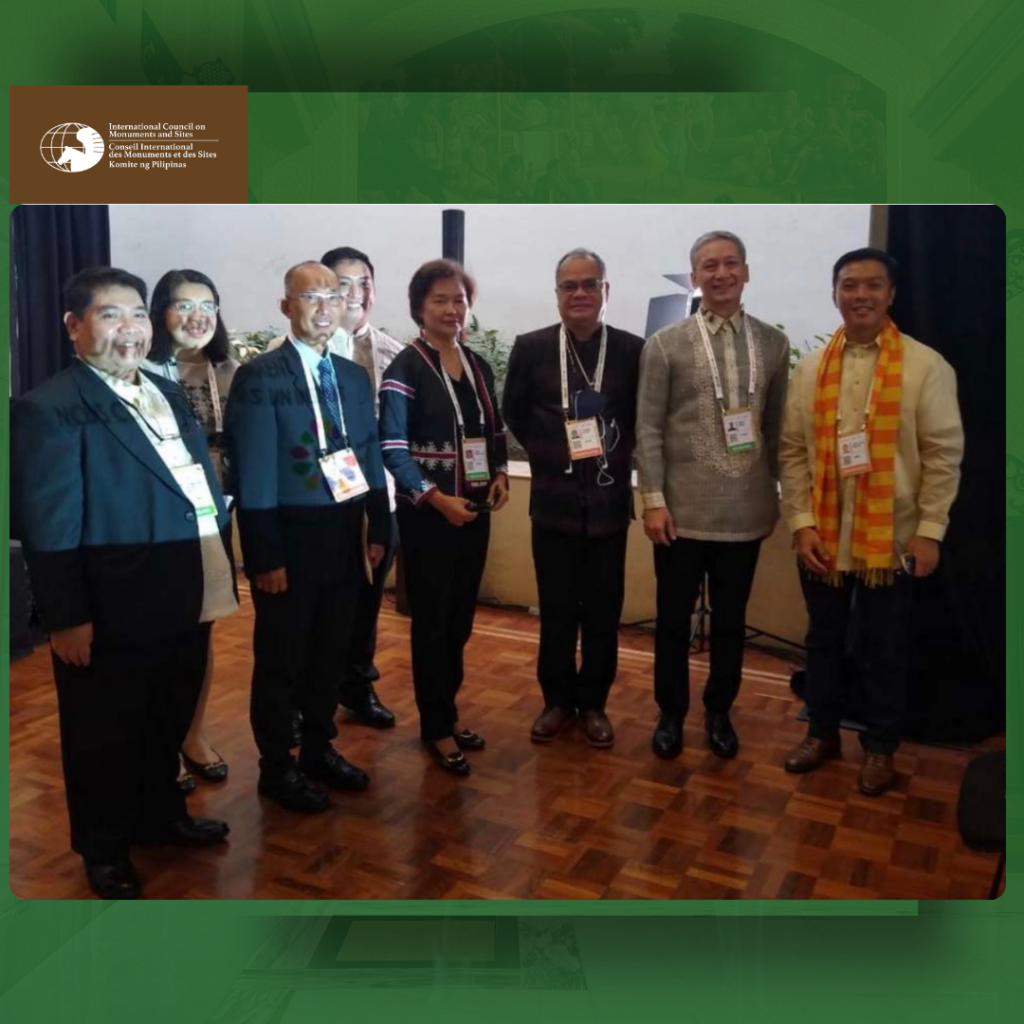
Following the earlier discussions on heritage and sustainable development, Sustainable Development Training 02 Module 2 focused on building the indicator foundation for the MPHSD initiative. The module helped connect wider cultural monitoring frameworks with the ongoing work of RAFI, the Kabilin Partnership, and CEBloom Operations.
The sessions introduced the UNESCO Culture 2030 Indicators and explored how these could be applied to RAFI’s heritage-related projects. Building on previous discussions, participants looked at how international frameworks could help guide the process of measuring culture’s contribution to sustainable development.
One important part of the module was the discussion on Baguio City’s experience with the Culture 2030 Indicators. This example helped participants see how cultural data and heritage indicators can be used in an actual local applications. Participants also worked through RAFI’s own project data from four initiatives: Casa Gorordo Museum, The Kabilin Center, the National Training Course on Disaster Risk Management of Cultural Heritage, and the Safeguarding of the Intangible Cultural Heritage of the Santo Niño Devotion.
Through breakout sessions, participants identified possible indicators, reviewed available data sources, and reflected on how each project contributes to broader development outcomes. This module marked an important step in moving from broad ideas into more practical indicator work. It helped prepare the ground for a common assessment framework that can support reporting, learning, and planning across the Kabilin Partnership.
Supporting agencies and representatives:
Baguio Culture 2030 Indicators experience: Dr. Raymond Rovillos, College President III of Pangasinan Polytechnic College and former Chancellor of the University of the Philippines Baguio
SMEs / resource persons / facilitators:
- Andrew Mason, WSP Canada Inc., ICOMOS SDGWG Member (Canada), Task Team on Heritage Evaluation Criteria and Indicators
- Chen Mencias, ICOMOS Philippines SDGWG Member and former NEDA Stakeholders Chamber Representative for ICOMOS Philippines
- Chanelle Mesjena Custorio, ICOMOS Philippines Member and Facilitator
- Maria Lourdes ‘Joy’ Martinez Onozawa, ICOMOS Philippines SDGWG Member and Subject Matter Expert
- Project perspective inputs included Joselito Corpuz for DRMCH, Dr. Laya Boquiren-Gonzales for ICHSN, and Ador Vincent Mayol as MPHSD Project Lead
SD Training 02 Module 3: Consolidating and Institutionalizing the Framework
23 to 24 March 2026 | The Kabilin Center, Cebu City
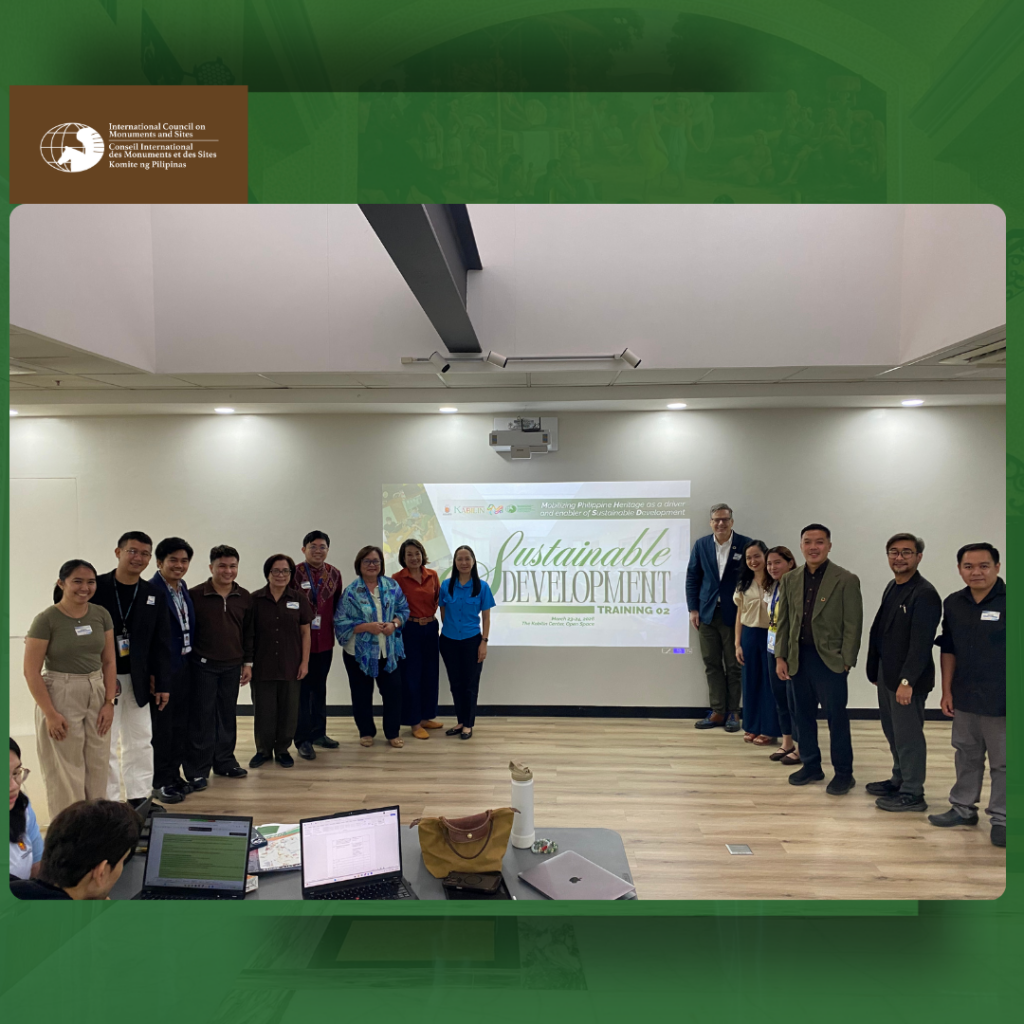
Sustainable Development Training 02 Module 3 brought together the work developed in the earlier sessions and focused on consolidating the MPHSD indicator framework. Held in person at The Kabilin Center, the module gathered participants from the Kabilin Partnership, RAFI, CEBloom Operations, and ICOMOS Philippines to refine how heritage-related project outcomes could be linked to monitoring, evaluation, accountability, and learning.
The session focused on making the methodology more practical for long-term use. Using the inputs from the earlier modules, participants worked toward a common framework that connected local project outcomes with RAFI’s MEAL plans, while also aligning with the Philippine Development Plan for Culture and the Arts and the UNESCO Culture 2030 Indicators. This helped show how local heritage work can contribute to wider national and international development conversations.
The module also included discussions on impact scoring, policy alignment, and the updated Cultural Heritage Assessment Methodology. Case examples from the four RAFI projects helped participants test how the framework could apply to different types of heritage work, including museums, cultural facilities, training programs, and intangible cultural heritage initiatives. These discussions helped clarify how indicators could be prioritized, scored, and used for reporting and decision-making.
By the end of the module, the MPHSD work had moved closer to a working system for tracking how heritage contributes to sustainable development. The session also helped prepare the direction for the first MPHSD publication, which will continue the process of documenting, reviewing, and refining the knowledge produced through the trainings. Through this module, the Kabilin Partnership continued to show that heritage is not only cultural work, but also development work.
Supporting agencies and representatives:
RAFI / Kabilin Partnership: Kenneth Javier Tua, Chief Project Officer, Kabilin Partnership
NCCA: Jesuben Angel S. Bongolan, Head of the Regional Coordination Unit, NCCA Planning and Policy Office and Rhea Lyn H. Dela Cruz, Culture and Arts Officer, Regional Exchange Unit
SMEs / resource persons / facilitators:
- Andrew Mason, WSP Canada Inc., ICOMOS SDGWG Member (Canada), Task Team on Heritage Evaluation Criteria and Indicators
- Chen Mencias, ICOMOS Philippines SDGWG Member and former NEDA Stakeholders Chamber Representative for ICOMOS Philippines
- Maria Lourdes ‘Joy’ Martinez Onozawa, ICOMOS Philippines SDGWG Member and Subject Matter Expert
- Chanelle Mesjena Custorio, ICOMOS Philippines Member and Facilitator
- Gabriel Caballero, MPHSD Project Director
- Project perspective inputs included Joselito Corpuz for DRMCH, Dr. Laya Boquiren-Gonzales for ICHSN, and Ador Vincent Mayol as MPHSD Project Lead