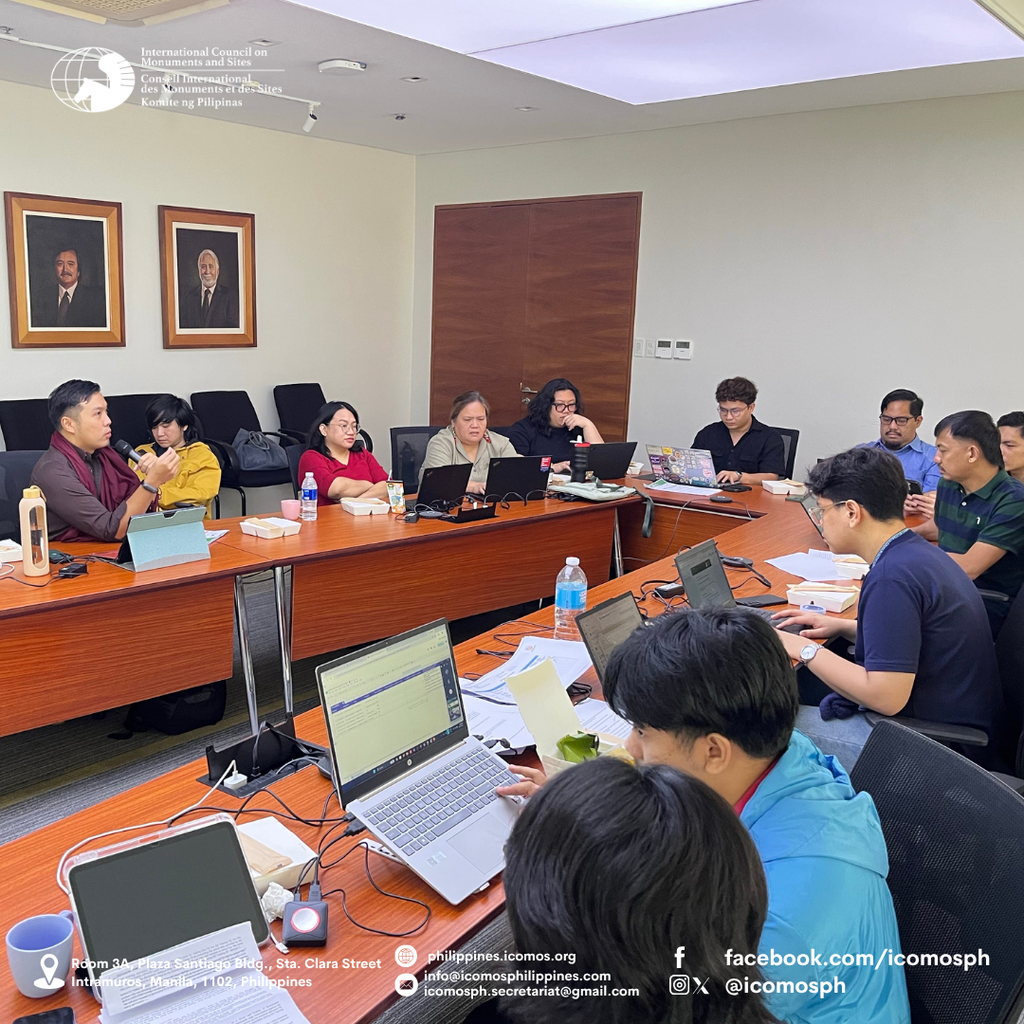

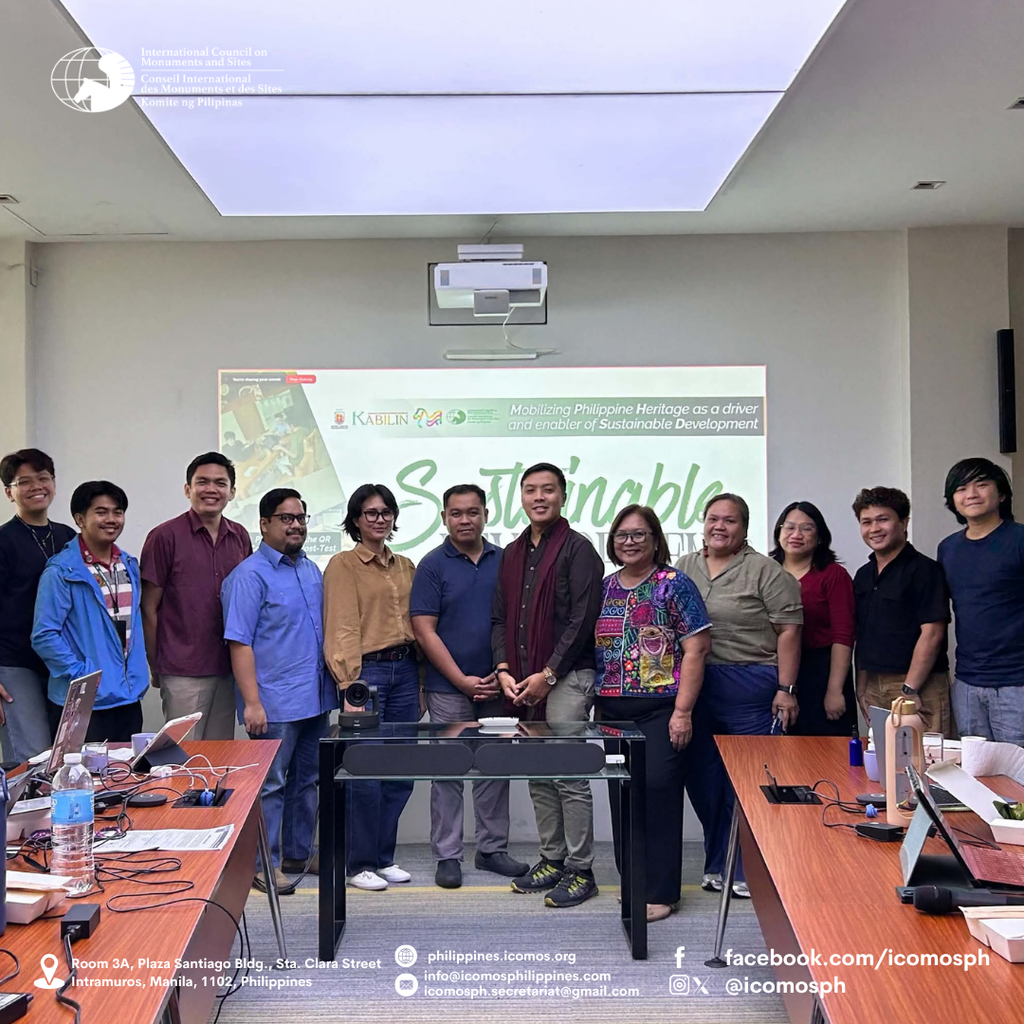
CEBU CITY–ICOMOS Philippines and the Ramon Aboitiz Foundation Inc. (RAFI), through the Kabilin Partnership, conducted Sustainable Development Training 03: Integrating MEAL Plans with the PAMANA 2030 Indicators Framework on September 17 and 18, 2026 at The Kabilin Center in Cebu City.
The two-day training marked another step in the Mobilizing Philippine Heritage as a Driver and Enabler of Sustainable Development (MPHSD) initiative. Building on the earlier trainings on heritage, sustainable development, and indicator development, SD Training 03 focused on putting the framework into actual project use by connecting RAFI’s Monitoring, Evaluation, Accountability, and Learning or MEAL Plans with the PAMANA 2030 Cultural Heritage Assessment and Reporting Tool (CHART). Rather than holding one large plenary session, the training was organized into focused technical working sessions for four heritage initiatives: Casa Gorordo Museum (CGM), The Kabilin Center (TKC), the National Training Course on Disaster Risk Management of Cultural Heritage (DRMCH), and the Safeguarding of the Intangible Cultural Heritage of the Santo Niño Devotion (ICHSN). This allowed each project team to look closely at its existing indicators, available data, and monitoring practices.
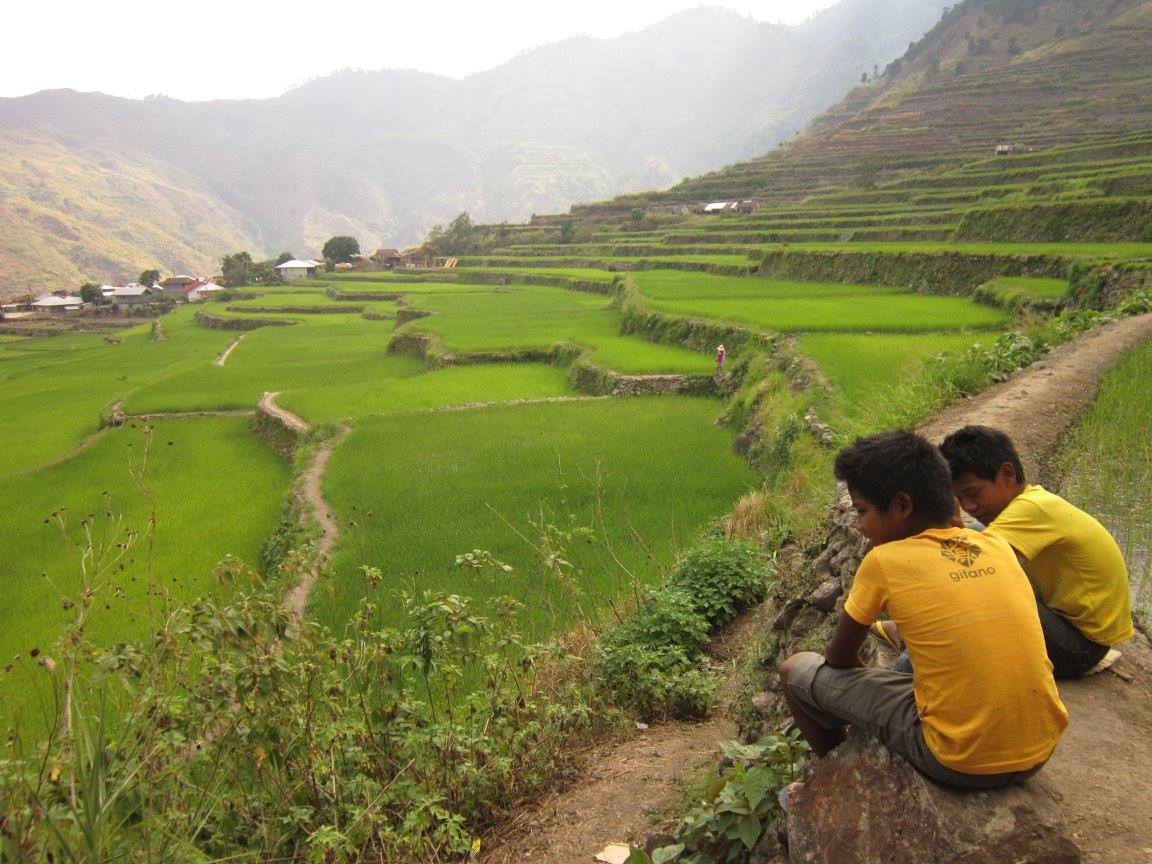
During the sessions, participants reviewed how project activities and key performance indicators could contribute to CHART and support wider reporting under the Philippine Development Plan for Culture and the Arts and the UNESCO Culture 2030 Indicators. Discussions also looked at practical questions such as what information needs to be collected, how often data should be gathered, how evidence can be validated, and how these processes can fit into the teams’ regular work rather than becoming a separate reporting requirement. A sample analysis of data from the Batobalani Safeguarding Workshop was also used to show how project-level information can be translated into evidence for sustainable development reporting. From there, the teams worked on matching their respective MEAL indicators with CHART and identifying areas where their monitoring systems could be strengthened.
The training also helped shape the next stage of MPHSD implementation. Participants discussed an implementation runway covering 2026 to 2029, including how data from the four projects can be consolidated and used for future assessment, learning, and reporting. Inputs from the sessions will also contribute to the development of the first PAMANA 2030 publication, “Heritage as a Driver and Enabler of Sustainable Development in the Philippines, Volume 1: Concepts, Policy and Methodology.”
Through SD Training 03, the MPHSD initiative moved beyond developing indicators toward testing how they can work within existing institutional systems. The activity provided the four project teams with space to examine their own data and processes while working toward a shared approach for showing how heritage programs contribute to sustainable development.
Key resource persons and facilitators included:
- Gabriel Victor Caballero, MPHSD Project Director
- Chen Mencias, ICOMOS Philippines Sustainable Development Goals Working Group Member and Subject Matter Expert
- Ador Vincent Mayol, MPHSD Project Lead
- Gabrielle Sebastianne “Elle” Bacalso, MPHSD Local Research Assistant
- John Rainier Lopez, Kabilin Partnership Project Officer
- Michael Alvin Labendia, MEAL Officer
- Timothy Augustus Ong, ICOMOS Philippines Board Member
- Representatives from RAFI and the Kabilin Partnership Program, who supported the technical working sessions for Casa Gorordo Museum (CGM), The Kabilin Center (TKC), the National Training Course on Disaster Risk Management of Cultural Heritage (DRMCH), and the Safeguarding of the Intangible Cultural Heritage of the Santo Niño Devotion (ICHSN).